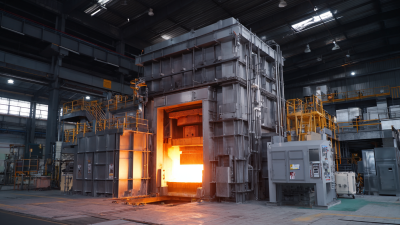
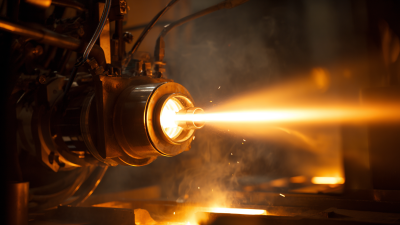
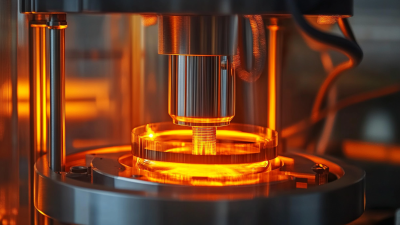
As we get closer to 2025, it’s pretty clear that the world of industrial metal processing is going through some serious changes, mainly thanks to all the recent advancements in medium-frequency furnace tech. These furnaces, which are known for being efficient and precise, are really starting to make a big difference in industries like steelmaking, foundries, and non-ferrous metal production. What’s cool is that they can melt metals really well while using less energy, which puts medium-frequency furnaces right at the cutting edge of innovation in metal manufacturing.
In this article, I want to share the top five trends that are shaping the future of these furnaces. We’ll look at some pretty exciting innovations and real-world applications that are set to change how things are done. Companies like Inductotherm Group and ABP Induction Systems are leading the way by introducing smart tech and automation into their furnace designs. This not only boosts productivity and keeps operators safer but also helps reduce environmental impact. By exploring these trends, I hope to give you a clear picture of how medium-frequency furnaces are evolving — making industry more sustainable and efficient down the line.
The advancements in medium-frequency furnace technologies have significantly transformed the metallurgical industry, focusing on enhanced efficiency and reduced operational costs. One of the key innovations involves the integration of advanced digital control systems, which enable real-time monitoring and adjustments to the melting process. These systems optimize energy consumption, allowing operators to achieve precise temperature control and material homogeneity, leading to higher quality end products.
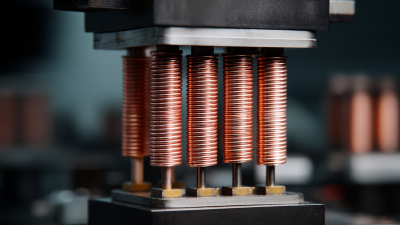
Additionally, the introduction of new materials and designs in furnace construction has improved thermal efficiency and reduced heat loss. For instance, the use of advanced refractory materials helps maintain optimal thermal insulation, while innovative coil designs enhance electromagnetic induction efficiency. This not only reduces energy demands but also extends the lifespan of the furnace, contributing to lower maintenance costs. As industries increasingly seek sustainable practices, these technologies are positioned to play a vital role in achieving both economic and environmental objectives in metal production.
| Trend | Description | Efficiency Improvement (%) | Application Area |
|---|---|---|---|
| Smart Control Systems | Integration of AI for real-time monitoring and adjustment of furnace operations. | 20% | Metal Processing |
| Induction Heating Innovations | Advancements in induction coil designs for better energy efficiency. | 15% | Casting Industry |
| Eco-Friendly Materials | Use of sustainable and recyclable materials in furnace construction. | 10% | Manufacturing |
| Enhanced Thermal Efficiency | New insulation technologies reducing heat loss. | 25% | Recycling |
| Remote Operation | Ability to operate and troubleshoot furnaces remotely via IoT. | 18% | Mining |
The landscape of medium-frequency furnace technology is undergoing significant transformation, driven by the emergence of innovative materials and their applications. According to a recent report by Technavio, the global market for medium-frequency furnaces is expected to grow at a CAGR of 8% from 2023 to 2028, largely fueled by advancements in materials science. For instance, the introduction of silicon carbide-based materials has enabled higher efficiency in melting processes, due to their excellent thermal conductivity and resistance to electrical wear. This contributes not only to improved output quality but also to reduced energy consumption, which is critical in today's eco-conscious manufacturing environment.
Furthermore, developments in refractory materials, such as advanced alumina and zirconia composites, have proven to enhance the lifespan and performance of these furnaces. According to a report by MarketsandMarkets, the refractory materials market is projected to reach $30 billion by 2025, reflecting a growing demand in the metallurgy sector. The application of these materials in medium-frequency furnaces allows for higher operational temperatures and greater resilience against thermal shock, thus improving reliability and reducing downtime. As industries continue to innovate and seek sustainable practices, the integration of these emerging materials will undoubtedly play a pivotal role in shaping the future of medium-frequency furnace applications.
The recent plummet in nickel prices has shifted the spotlight to "High Ice Nickel," driving innovations in medium-frequency furnaces that enhance cost-effectiveness in industrial manufacturing. Medium-frequency furnaces are pivotal in the processing of nickel, facilitating efficient melting and refining processes. According to industry reports, the adoption of these furnaces can reduce energy consumption by up to 30% compared to traditional methods, presenting significant cost savings for manufacturers.
Moreover, the complexity of the nickel industrial chain emphasizes the importance of optimized production processes at every link. Medium-frequency furnaces play a crucial role in high-pressure die casting applications, as seen in the recent order by a Swedish plant. The advanced technology enables precise temperature control and improved metal quality, which are vital in meeting the demanding specifications of modern manufacturing. Reports indicate that integrating medium-frequency furnaces in production lines can enhance overall productivity by streamlining operations and minimizing waste, essential in a fluctuating market landscape where efficiency is paramount.
This bar chart illustrates the impact of various trends in medium-frequency furnaces for industrial manufacturing in 2025. Each category reflects the prominence of cost reduction, efficiency improvement, product quality enhancement, sustainability compliance, and technology integration, showcasing their significance in shaping the future of industrial processes.
The medium-frequency furnace industry is witnessing transformative innovations driven primarily by stringent environmental regulations. According to a report from MarketsandMarkets, the global market for medium-Frequency Induction furnaces is projected to reach $2.3 billion by 2025, growing at a CAGR of 5.5%. This growth is largely attributed to the increasing focus on reducing carbon emissions and enhancing energy efficiency in metal production processes.
Regulatory frameworks such as the EU’s Emission Trading System (ETS) and the U.S. Clean Air Act are compelling manufacturers to adopt advanced technologies that minimize environmental impact. Innovations in medium-frequency furnaces, including the integration of smart sensors and data analytics, enable real-time monitoring of emissions and energy consumption. These advancements not only comply with regulatory standards but also lead to substantial cost savings. A study by the International Energy Agency (IEA) highlights that adopting energy-efficient Induction Melting technologies can lead to a reduction in energy usage by up to 30%, further reinforcing the push for sustainable practices in the metal casting industry.
As manufacturers adapt to these regulations, the focus also shifts toward circular economy principles, emphasizing recycling and re-use of materials. The drive towards decarbonization is reshaping the landscape of medium-frequency furnaces, leading to improved designs that prioritize environmental stewardship while meeting the growing demands of the industry.
The integration of the Internet of Things (IoT) and automation in medium-frequency furnace operations is poised to revolutionize the foundry industry. As highlighted in the latest industry reports, the adoption of IoT technology in manufacturing processes can enhance operational efficiency by up to 30%. This transformation allows for real-time monitoring and data collection, enabling operators to optimize furnace performance, reduce energy consumption, and predict maintenance needs before failures occur.
Moreover, the rise of automation technologies is further streamlining production processes, with medium-frequency furnaces particularly benefiting from advanced automation systems. According to a report by MarketsandMarkets, the global market for industrial automation is expected to grow from $180.5 billion in 2020 to $326.3 billion by 2026, indicating a clear trend towards automated solutions in metal casting. The implementation of automated systems in medium-frequency furnaces not only minimizes human error but also improves consistency in metal melting processes, leading to higher quality outputs and increased throughput. As these trends continue to evolve, the synergy between IoT and automation will undoubtedly shape the future landscape of medium-frequency furnace operations.
The medium-frequency furnace market is poised for significant growth by 2025, driven by technological innovations and increasing demand across various industries. With advancements in materials science and energy efficiency, these furnaces are becoming more versatile, finding applications in sectors such as automotive, aerospace, and metalworking. Companies are recognizing the potential of medium-frequency furnaces to enhance melting processes, improve product quality, and reduce operational costs, leading to a surge in adoption.
Market projections indicate that the global medium-frequency furnace solutions market will expand as manufacturers invest in modernization and capacity enhancements. As companies strive for sustainability, medium-frequency furnaces offer energy-efficient options that align with environmental regulations. Additionally, the integration of smart technologies such as IoT and automation in these systems will drive further innovation, enabling real-time monitoring and optimization. This trend is expected to attract new players to the market, fostering competition and ultimately benefiting end-users through improved products and services.
: Innovations in the medium-frequency furnace industry are primarily driven by stringent environmental regulations aimed at reducing carbon emissions and enhancing energy efficiency in metal production processes.
The global market for medium-frequency induction furnaces is projected to reach $2.3 billion by 2025, growing at a CAGR of 5.5%.
Manufacturers are adopting advanced technologies such as smart sensors and data analytics to minimize environmental impact, comply with regulatory standards, and achieve substantial cost savings.
Adopting energy-efficient induction melting technologies can lead to a reduction in energy usage by up to 30%, promoting sustainable practices in the metal casting industry.
IoT technology enhances operational efficiency by allowing real-time monitoring, optimizing furnace performance, reducing energy consumption, and predicting maintenance needs.
The industrial automation market is expected to grow from $180.5 billion in 2020 to $326.3 billion by 2026, which indicates a trend towards automated solutions that improve consistency and quality in medium-frequency furnace operations.
Medium-frequency furnaces are finding applications in various sectors, including automotive, aerospace, and metalworking, due to advancements in materials science and energy efficiency.
The integration of smart technologies like IoT and automation will drive further innovation in medium-frequency furnace systems, enabling real-time monitoring, optimization, and enhancing overall product and service quality.
The trend of modernization and technological advancements, coupled with the drive for sustainability, is expected to attract new players to the medium-frequency furnace market, fostering competition and benefiting end-users.
Manufacturers are emphasizing circular economy principles, which focus on recycling and re-use of materials as part of their adaptation to environmental regulations.
The article "2025 Top Trends in Medium-Frequency Furnaces: Innovations & Applications" highlights significant advancements poised to shape the future of medium-frequency furnaces within industrial manufacturing. It covers improvements in technology that enhance operational efficiency, as well as the introduction of new materials that positively influence furnace applications. Additionally, the article discusses the cost-effectiveness of medium-frequency furnaces, driven by ongoing environmental regulations that promote innovative solutions.
Moreover, the integration of IoT and automation is transforming how medium-frequency furnace operations are managed, leading to smarter and more efficient systems. Looking ahead, the article also presents projections for market growth in medium-frequency furnace solutions by 2025, underlining the importance of these advancements for companies like Dongguan Hongye Intelligent Equipment Technology Co., Ltd., which specializes in the development and distribution of cutting-edge induction heating systems.