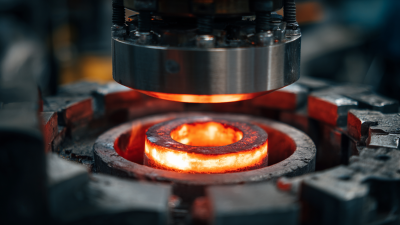
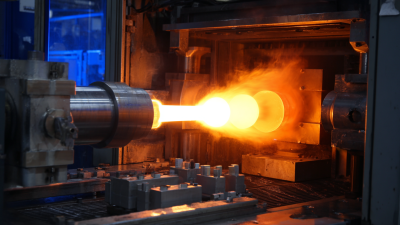
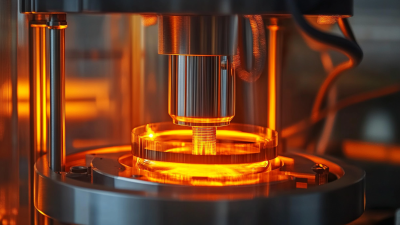
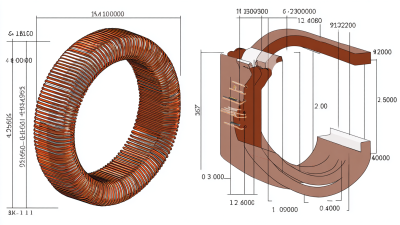
As we look ahead to 2026, it’s clear that the demand for innovative heating solutions is really picking up. One tech that’s been gaining a lot of attention is the Magnetic Induction Heater. Honestly, this kind of technology is changing the game – providing efficient and reliable heat in ways we couldn’t imagine before. Companies like ThermoHeat Industries are really pushing the envelope every day, trying to bring new breakthroughs to the table.
So, what makes these Magnetic Induction Heaters so tempting? Well, for starters, they can heat things up pretty fast and evenly, which is a huge plus. Plus, they actually cut down on energy waste, making everything much more efficient. But, to be fair, not all induction heaters are created equal. Some folks run into issues with temperature control, or find that certain models don’t do well outside specific applications. That’s why manufacturers really need to make sure their products hit high standards if they want to stay competitive.
Getting a Magnetic Induction Heater isn’t exactly a walk in the park, though. With so many options out there — different features, price points, brands — it can be a bit overwhelming. Not every model is gonna be a perfect fit for everyone’s needs. So, doing proper homework, reading reviews, and listening to what other users have to say can really make a difference. In the end, reliability and practicality should be the main goals when making your choice – after all, it’s all about getting a good bang for your buck.
Magnetic Induction Heating is a cutting-edge technology. It works by generating heat through magnetic fields. This process allows for efficient and rapid heating of various materials. It is particularly effective for metalwork due to its precision and control. Users can benefit from this technology in diverse applications from cooking to industrial heating.
Tips for using a Magnetic Induction Heater Tool include ensuring proper cookware is used. Only induction-compatible materials like stainless steel or cast iron work effectively. Avoid using aluminum or copper cookware, as they do not engage with the magnetic field. For best results, keep the surface clean and dry. This enhances efficiency and prolongs the device's lifespan.
This technology also offers safety features. For instance, the surface remains cool to the touch, reducing burn risks. However, users must stay vigilant while operating it. Accidental spills or overheating can still occur. Being aware of cooking times and temperatures can minimize issues. Proper handling ensures a safe and efficient cooking experience with a Magnetic Induction Heater Tool.
Magnetic induction heaters have become essential tools in various industries. They offer efficient solutions for heating tasks that require precision. A leading industry report indicates that the efficiency of induction heating can reach over 90%, much higher than traditional methods. This technology heats materials directly, saving time and energy.
Key features of the best magnetic induction heaters include precise temperature control. This allows for selective heating, which preserves the integrity of the surrounding material. Many units feature adjustable power settings, enabling users to tailor their heating applications. Compact designs are common, making these tools easy to transport and store. However, not all models are equally reliable. Some may struggle with uneven heating, requiring users to monitor the process closely.
Another aspect worth noting is the inclusion of safety features. Many Magnetic Induction Bolt Heaters have automatic shut-off functions to prevent overheating. Advanced models even offer real-time temperature feedback, enhancing user confidence. Nevertheless, these systems can be complex, necessitating a learning curve for new users. Investing in a reliable model is crucial for achieving optimal results.
The world of magnetic induction heaters is rapidly evolving. In 2026, several models stand out for their efficiency and reliability. Each offers unique features that cater to different needs. Users often praise the precision of these devices. They provide quick, adjustable heat without wasting energy. This is crucial for both home and industrial applications.
One popular aspect is their safety features. Induction heaters minimize the risk of burns or fire hazards. However, some users may find the initial cost high. Maintenance is also a consideration; regular checks can ensure optimal performance. Many models include advanced thermostats and timers. These features enhance control over heating processes.
Comparing the top options reveals a trend towards user-friendly designs. Lightweight structures and intuitive interfaces make operation easier. Yet, some users report a learning curve with advanced settings. Understanding how each model works can maximize benefits. Assessing your specific heating needs is vital before making a choice. A thorough evaluation will ensure the best fit for your requirements.
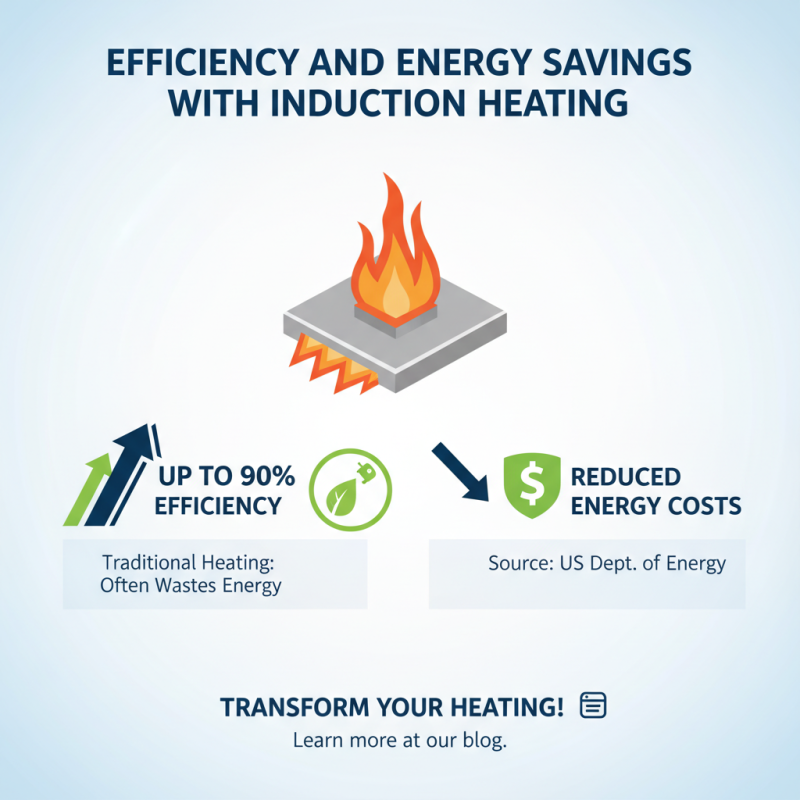
Induction Heating Is transforming energy efficiency. A report from the U.S. Department of Energy highlights that induction heaters can achieve up to 90% efficiency. This is a stark contrast to traditional heating methods, which often waste energy. With the rise in energy costs, this technology offers a viable solution for many applications.
When considering energy savings, induction heating stands out for its speed and precision. It reduces heat loss dramatically. Over time, businesses can save significantly on energy bills. A study noted that facilities upgrading to induction heating could cut costs by 30-50%. This presents a compelling case for more industries to adopt the technology.
Yet, not all environments benefit equally from this method. The initial investment can be a barrier for some. Additionally, proper training is crucial for operators. Ensuring the right setup is essential for optimal performance. Without these considerations, expected savings may not materialize. Reflecting on these challenges can lead to better implementation strategies.
Magnetic Induction Heating Is Arapidly growing technology. It offers numerous applications across various industries. One notable application is in cookware. Induction cooktops heat pots and pans directly, providing efficient cooking. They reduce energy waste, as only the vessel gets hot. This technology is also prevalent in metal processing. Manufacturing plants harness it for tasks like forging and welding. The precision of induction heating leads to improved product quality.
Another significant benefit is safety. Since the cooktop remains cool, the risk of burns decreases. Additionally, induction heating is environmentally friendly. It consumes less energy compared to traditional heating methods. Industries are eager to adopt this efficient solution. Nevertheless, some users face challenges during setup. Proper installation is crucial for optimal performance.
Induction heating devices can sometimes be costly. However, the long-term savings on energy bills justify the investment. Users may experience a learning curve when adjusting to the technology. This adjustment can lead to inefficiencies at first. Understanding the device’s capabilities is key. Magnetic induction heating holds immense potential for the future. It’s essential to reflect on both its advantages and limitations.
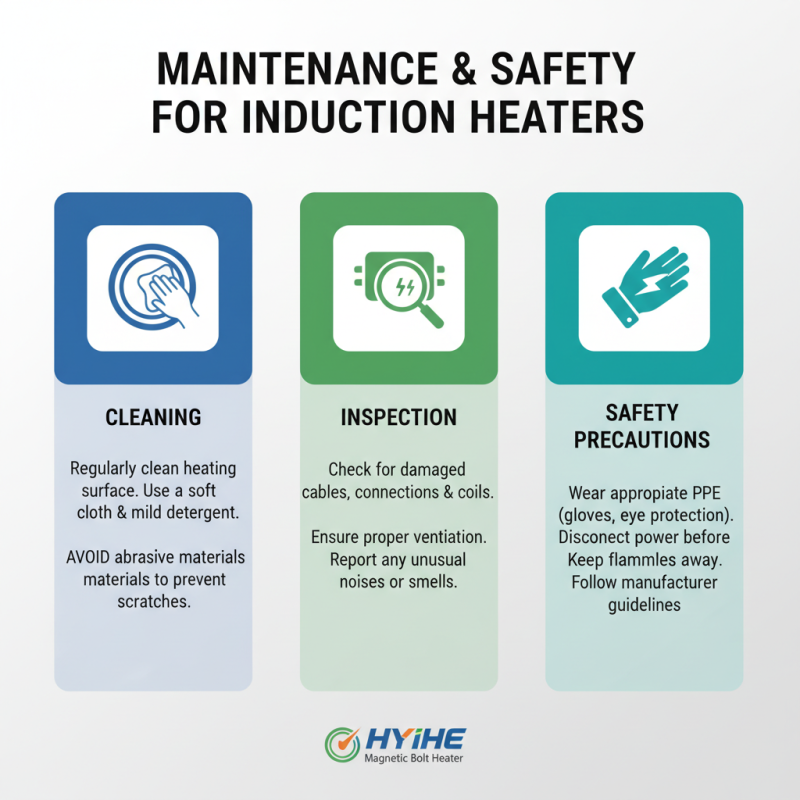
Induction heaters, such as the Magnetic Bolt Heater, offer efficient heating solutions that are gaining popularity in various industries. However, to ensure safety and longevity, it is vital to understand proper maintenance practices. Regular cleaning of the heating surface helps prevent residue buildup, which could affect performance. Avoid using abrasive materials, as they might scratch the surface. Instead, a soft cloth and mild detergent can effectively remove grime.
Safety considerations cannot be overlooked. Always ensure that the induction heater is placed on a stable, non-flammable surface. Proper ventilation is essential to prevent overheating. Awareness of the power requirements is also crucial. An incorrect power supply can lead to malfunctions. Additionally, operators should be trained in using the equipment. This knowledge helps in recognizing abnormal sounds or malfunctions, allowing for quick action.
Investing time in maintenance and prioritizing safety can reduce hazards significantly. A well-maintained Magnetic Bolt Heater can last longer and perform better, making it a worthwhile investment. However, negligence can lead to unwanted outcomes. Reflecting on past experiences can help improve future practices. Consider implementing a regular check-up routine to identify potential issues before they escalate.
Magnetic induction heating is gaining traction in various industries. This technology uses electromagnetic fields to heat materials efficiently. It has potential applications in cooking, metal processing, and even in medical devices. As industries seek sustainable solutions, magnetic induction is becoming a preferred choice.
One emerging trend is the development of the Magnetic Bearing Heater. This innovative device minimizes energy loss and enhances efficiency. By allowing controlled heating, it can significantly reduce temperature fluctuations. However, there are challenges in scaling production and ensuring affordability for smaller businesses. Industries must weigh the benefits against the initial investment costs.
Furthermore, user education remains critical. Many operators are unfamiliar with induction technology. Misunderstandings can lead to underutilization or incorrect applications. Growing awareness will improve the utilization of induction heating systems. Continuous innovation will drive improvements, yet the learning curve is real. Embracing both the benefits and challenges is essential for the future of magnetic induction heating.
: It is a technology that generates heat through magnetic fields for efficient and rapid heating.
Induction-compatible materials like stainless steel and cast iron are ideal for effective heating.
No, these materials do not engage with the magnetic field and won’t heat effectively.
Keeping the surface clean and dry enhances efficiency and prolongs the device lifespan.
Yes, the surface remains cool to the touch, but users must stay vigilant to avoid spills.
Innovations include devices that reduce energy loss and improve efficiency, though challenges exist.
Many users misunderstand the technology, leading to underutilization and incorrect applications.
Scaling production and ensuring affordability for smaller businesses are significant hurdles.
No, understanding its limitations and proper usage requires attention and learning.
Continuous innovation is vital, but users must embrace both benefits and challenges ahead.
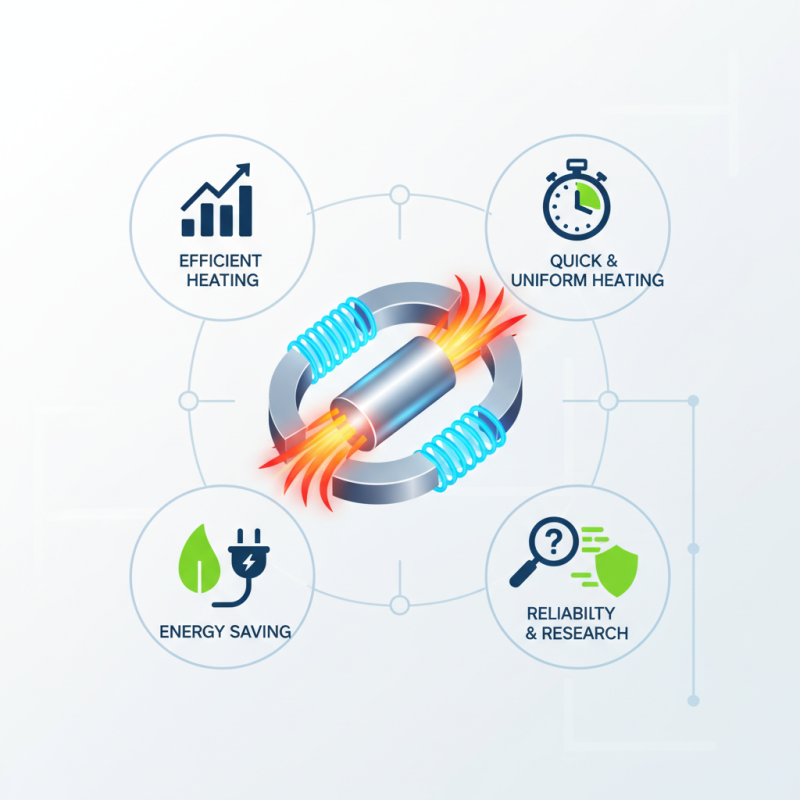
Magnetic induction heating technology has gained prominence for its efficient and effective heating solutions, making it a preferred choice for various applications. The best magnetic induction heaters of 2026 are characterized by key features such as rapid heating times, energy efficiency, and user-friendly controls. In a comparative analysis, these models demonstrate significant advancements in performance, emphasizing the importance of efficiency and energy savings.
Beyond their core functionalities, magnetic induction heaters offer numerous benefits, including versatility in applications ranging from cooking to industrial processes. However, prospective users should also consider maintenance and safety aspects to ensure optimal performance. As technology evolves, future trends in magnetic induction heating solutions are likely to focus on enhanced energy efficiency and smart capabilities, further solidifying their role in modern heating solutions.