request to quote
Leave Your Message
0%

As we look ahead into the future of heating technology, one thing’s clear: the spotlight is really on the electromagnetic heater industry these days. I read what Dr. Alice Bennett from Heat Innovations mentioned—she said that electroMagnetic Induction Heaters are going to totally change the game when it comes to energy efficiency. That really hits home, especially since industries everywhere are on the hunt for more sustainable options.

You can see the trend gaining serious momentum. These heaters are not just efficient—they heat up quickly and precisely, which makes them pretty attractive for all kinds of sectors. It’s not just about rising demand either; it’s actually changing how we think about heating solutions overall. More and more companies are focusing on innovations that save energy and are kinder to the environment.

Of course, it’s not all smooth sailing. Some manufacturers are finding it tough to keep up with the rapid pace of tech advancements. Balancing reliable performance with affordable costs is definitely a tricky part of the equation. As the market keeps shifting, it’s going to be really important to keep reflecting on these hurdles if we want to move forward. All in all, the progress with electromagnetic induction heaters has the potential to kick off a whole new chapter in how we consume energy, pushing businesses to rethink their strategies and approaches.

2026 Top CE Certification Wholesale Electromagnetic Heater Trends?

Emerging Technologies in Electromagnetic Heaters for 2026

The 2026 landscape of electromagnetic heaters is set to evolve significantly. Emerging technologies are driving the sector forward. According to a recent market report, the global electromagnetic heating market is expected to reach USD 5 billion by 2026, indicating a compound annual growth rate of 10%. This growth highlights the increasing demand for energy-efficient heating solutions in various industries.

One notable trend is the integration of smart technology within electromagnetic heaters. These devices can be controlled remotely, allowing users to monitor energy consumption. Studies show that implementing smart controls can reduce energy usage by 20-30%. However, the complexity of these systems can create challenges for users unfamiliar with the technology. A lack of standardization in components may lead to compatibility issues, undermining the advantages of smart heating solutions.

Moreover, advancements in materials science are enhancing the efficiency of electromagnetic heaters. Research indicates that new alloys and composites are enabling higher operating temperatures, which improves performance. Yet, there remains a concern about the long-term durability of these materials under extreme conditions. As the market matures, identifying reliable solutions will be crucial for manufacturers and consumers alike. The focus should be on balancing innovation with practicality, ensuring that users are not overwhelmed by rapidly changing technologies.

2026 Top CE Certification Wholesale Electromagnetic Heater Trends

Trend Description Emerging Technology Market Growth (%) Key Benefits
Smart Home Integration Increased compatibility with smart home devices for remote control. IoT and AI technology 15% Enhanced user convenience and energy efficiency.
Energy Efficiency Development of heaters with improved thermal efficiency rates. Advanced insulation and heat-exchange technologies 20% Reduced energy consumption and lowered utility bills.
Portable and Compact Designs Trend towards smaller, portable heating solutions. Miniaturization technology 10% Increased flexibility and ease of use.
Sustainability Features Focus on eco-friendly materials and designs. Biodegradable and recyclable materials 25% Promoting environmental responsibility.
Enhanced Safety Features Incorporation of advanced safety mechanisms to prevent over-heating. Smart sensors and automatic shut-off technology 12% Increased user safety and peace of mind.

Key Trends in CE Certification for Electromagnetic Heaters

As we look towards 2026, the landscape of CE certification for electromagnetic heaters is rapidly evolving. Recent industry reports indicate a significant surge in demand, with the global market projected to reach $5 billion by 2026, reflecting a compound annual growth rate (CAGR) of 8%. This growth drives a need for stricter compliance with CE standards. The focus is now on enhancing energy efficiency and minimizing electromagnetic interference.

In particular, key trends lean towards advanced safety features and user-friendly interfaces. Manufacturers are increasingly adopting smart technology, integrating IoT capabilities, which enable remote monitoring and control. However, this complexity raises concerns regarding cybersecurity and data privacy. A report by the International Electrotechnical Commission (IEC) highlights that as many as 30% of new devices may lack adequate security measures.

Moreover, sustainability remains a critical factor. Regulatory bodies are pushing for environmentally friendly materials and energy-efficient designs. However, there is a gap in the availability of certified green alternatives. Manufacturers must continuously adapt to these changing requirements, ensuring compliance while remaining competitive. The journey towards achieving robust CE certification may not be straightforward, but it is essential for building trust in the marketplace.

Market Demand and Consumer Preferences for Electromagnetic Heaters

2026 Top CE Certification Wholesale Electromagnetic Heater Trends?

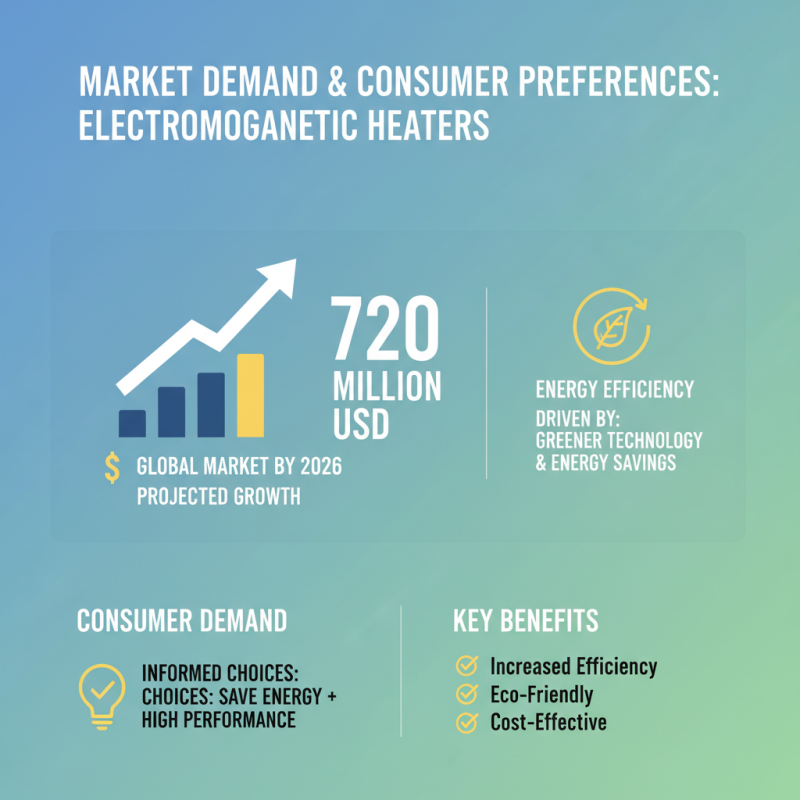
The demand for electromagnetic heaters is on the rise. A recent market analysis highlights that the global electromagnetic heater market is projected to reach $720 million by 2026. This growth is driven by increased energy efficiency awareness and the transition to greener technologies. Consumers are now more informed and prefer products that save energy while delivering high performance.

Key factors influencing consumer preferences include the speed of heating and energy cost savings. Reports indicate that electromagnetic heaters can cut energy consumption by up to 30% compared to traditional methods. Additionally, they provide near-instantaneous heat. This appeals to consumers who value efficiency in heating their spaces.

Despite the positive trends, challenges exist. Many consumers remain skeptical about the initial investment costs. Education on long-term savings is essential. Furthermore, there is a need for better understanding and clarity regarding the technology's benefits. A balanced approach addressing these concerns will be crucial for manufacturers looking to capture market share in this growing segment.

Innovative Designs and Features in Electromagnetic Heaters

The Electromagnetic Heater market is witnessing a shift towards innovative designs and features. According to recent market analyses, the demand for advanced heating technologies is expected to grow significantly by 2026. Many manufacturers are now focusing on enhancing energy efficiency through better materials and smart controls. For instance, integrating IoT technology into electromagnetic heaters allows for remote operation and monitoring, improving user convenience and energy savings.

The trend of lightweight and compact designs is also noteworthy. These heaters are designed to occupy minimal space while delivering optimal performance. Reports indicate that consumers prefer products that are easy to install and operate. However, not all designs meet the expected standards. Some products lack sufficient safety features, raising concerns among users. Manufacturers must prioritize reliability and ensure compliance with safety regulations.

Furthermore, customization options are becoming important. Buyers now seek electromagnetic heaters tailored to specific applications, whether for industrial or residential use. This demand for personalized solutions may challenge manufacturers to innovate continually. Ultimately, as the market evolves, some designs might not keep pace with user expectations. This could lead to frustration among customers seeking efficient and reliable heating solutions.

2026 Electromagnetic Heater Trends

Sustainability and Energy Efficiency in Electromagnetic Heating Solutions

The trend towards sustainability is reshaping the landscape of electromagnetic heating solutions. Reports indicate that by 2026, the global market for these heaters could reach $8.2 billion, driven by the demand for energy-efficient technology. Electromagnetic heating methods offer a notable advantage, consuming 30% less energy than traditional heating. This shift ensures greater energy efficiency, aligning with global sustainability goals.

Electromagnetic Bolt Heaters exemplify this technology, providing quick and precise heating. Their ability to directly heat objects reduces heat loss. This direct approach translates into lower energy bills and a smaller carbon footprint. Despite these advancements, there are challenges to address. Not all implementations prioritize user experience or reliability, causing hesitation among potential consumers.

Sustainability isn't solely about reducing energy consumption. It's also about the materials used in manufacturing these systems. Studies suggest that eco-friendly materials can lower environmental impact. However, many manufacturers still rely on less sustainable options. Addressing this inconsistency is crucial for the industry's long-term viability. The journey towards fully sustainable electromagnetic heating solutions is ongoing, marked by both innovation and reflection.

Regulatory Changes Impacting CE Certification for Electromagnetic Heaters

2026 Top CE Certification Wholesale Electromagnetic Heater Trends?

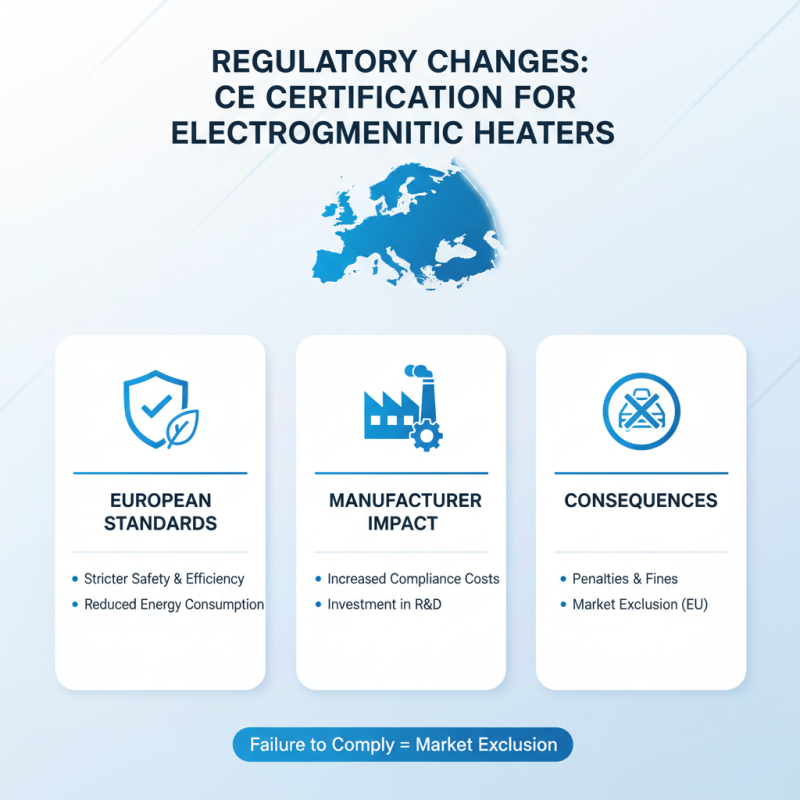
Changes in regulations for CE certification significantly influence the market for electromagnetic heaters. In Europe, stricter safety and efficiency standards have emerged. The updated regulations aim to reduce energy consumption and enhance user safety. Manufacturers must invest more in compliance processes. Failure to meet these standards can lead to penalties or market exclusion.

According to a recent report by **Market Research Future**, the demand for Electromagnetic Induction Water Heaters is projected to grow by 15% annually over the next five years. As manufacturers adapt to these changes, they face challenges in aligning product designs with the latest requirements. Innovative designs that comply with CE certification are essential. Some companies struggle to balance cost and regulation adherence, often sacrificing features for compliance.

There is a clear need for industry collaboration on understanding regulatory impacts. Sharing knowledge about best practices can help manufacturers navigate the complex landscape of CE certification. Additionally, ongoing training is critical for engineers and designers. Keeping up with compliance not only ensures market access but also fosters consumer trust in electromagnetic heaters.

Competitive Analysis of Leading Brands in the Electromagnetic Heater Market

In the evolving landscape of electromagnetic heater technology, leading brands are vying for market dominance. Each brand aims to innovate while keeping costs competitive. Analyzing their strategies reveals an emphasis on efficiency and user experience. High-quality materials and advanced electromagnetic heating technology are common focal points. Consumers expect reliable performance in diverse environments, from industrial applications to home use.

Competitors often highlight energy savings and environmental benefits. However, it's crucial to note that not all claims are backed by solid data. In the rush to sell, some brands may overlook the importance of transparent communication. Reliability can vary across models, leading to buyer confusion. Many companies are investing in research to solidify their authority in the market. Yet, understanding fluctuating customer demands remains a challenge.

Market feedback indicates a growing interest in smart integration. Automation and control features are becoming essential. Brands must be cautious, ensuring that their technologies do not compromise user safety. The push for sustainability is strong, yet it raises questions about material sourcing and durability. In this competitive environment, staying true to core values while adapting to trends is vital for long-term success.

FAQS

: What is the expected market size for electromagnetic heaters by 2026?

: The global market is projected to reach USD 5 billion by 2026.

How do smart technologies impact electromagnetic heaters?

Smart technologies allow remote control and monitoring, reducing energy usage by 20-30%.

What challenges do users face with smart electromagnetic heaters?

Users may struggle with complexity and lack standardization, leading to compatibility issues.

What advancements are improving electromagnetic heater efficiency?

New alloys and composites enable higher operating temperatures for better performance.

Why is material durability a concern in this sector?

Long-term durability of materials under extreme conditions needs careful consideration.

What is the growing trend in CE certification for these heaters?

There is an emphasis on energy efficiency and advanced safety features.

What cybersecurity issues are associated with smart electromagnetic heaters?

Up to 30% of new devices may lack adequate security measures, raising data privacy concerns.

How does sustainability influence electromagnetic heating solutions?

Sustainable solutions aim to reduce energy consumption and use eco-friendly materials.

What inconsistency exists in manufacturing sustainable heaters?

Many manufacturers still rely on less sustainable materials despite the shift towards eco-friendliness.

Why is user experience important in electromagnetic heating solutions?

Poor user experience can cause hesitation among potential consumers, hindering market growth.

Conclusion

The article titled "2026 Top CE Certification Wholesale Electromagnetic Heater Trends" explores the evolving landscape of electromagnetic heaters ahead of 2026. It highlights emerging technologies that are pushing the boundaries of performance and efficiency in this segment. Key trends in CE certification for electromagnetic heaters are discussed, emphasizing the importance of meeting regulatory standards to ensure safety and reliability.

Market demand is increasingly driven by consumer preferences for innovative designs and sustainable energy solutions, reflecting a broader interest in eco-friendly products. The article also addresses the regulatory changes that affect CE certification, pointing out the need for manufacturers to adapt to the evolving compliance landscape. Overall, the analysis provides insight into the competitive market for electromagnetic heaters, showcasing how brands are innovating to meet the challenges and opportunities of the future.

Ethan

Ethan

Ethan is a dedicated marketing professional at Dongguan Hongye Intelligent Equipment Technology Co., Ltd. (HYET), a national high-tech enterprise established in 2005. With an outstanding expertise in induction heating systems, he plays a crucial role in bridging the gap between technology and its......
Previous Why Choose a Hot Assembly Machine for Your Production Needs?