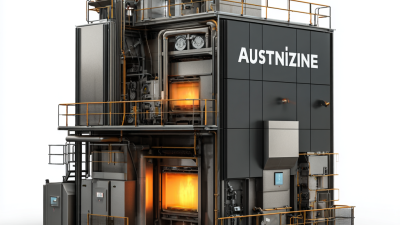
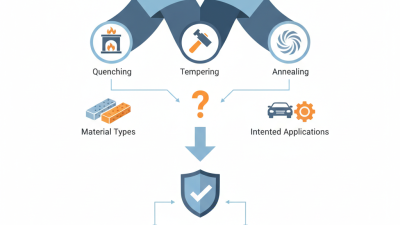
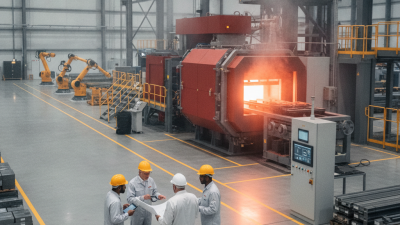
You know, the world of industrial heating is really changing these days. Come 2026, we’re definitely seeing more buzz around Carburizing Furnacetech. Buyers are eyeing those advanced features that boost both efficiency and dependability — it’s all about pushing the boundaries of Heat Treatment. This shift shows how much folks want innovation to keep up with modern demands.
Leading companies are stepping up to the plate, trying to meet these new expectations. They’re focusing more on sustainability and saving energy, which is pretty cool. And now, having really good monitoring systems isn’t just a luxury anymore — it’s pretty much a must-have. These upgrades make sure the carburizing process is consistent and reliable. That being said, not every manufacturer is racing to keep pace. Some are falling behind, which actually creates some interesting gaps in the market.
All in all, it’s a pretty lively scene with its fair share of opportunities and hurdles. Buyers really need to do their homework and weigh options carefully. Making an informed choice now can really pay off in terms of performance down the line. As we look ahead to 2026, understanding the role of Carburizing Furnaces is key. Picking the right tech could be what gives a company that extra competitive edge.
2026 Overview of Carburizing Furnace Technology Trends
The carburizing furnace market is evolving rapidly. In 2026, we can expect significant advancements in technology. One noteworthy trend is the growing focus on energy efficiency. Manufacturers are increasingly seeking furnaces that consume less energy while maintaining high performance. This shift reflects a broader commitment to sustainability in industrial processes.
Another important trend involves automation and smart technology integration. Modern carburizing furnaces are now being equipped with advanced sensors. These sensors enable real-time monitoring and data collection. Such features help in optimizing the carburizing process, reducing human error. However, the transition to automated systems poses challenges. Training personnel to operate these complex machines is essential, yet often overlooked.
Emerging materials also play a role in shaping carburizing furnace technology. The demand for improved durability and lifespan of furnaces is increasing. Manufacturers are exploring new materials that withstand high temperatures and corrosive environments more effectively. While innovation is crucial, it often raises costs, prompting discussions among stakeholders about balancing quality and affordability. The future of carburizing furnaces is promising, but it requires thoughtful consideration of these evolving trends.
Emerging Materials and Innovations in Carburizing Furnaces
The landscape of carburizing furnaces is evolving rapidly. Emerging materials are setting new standards in efficiency and performance. For instance, advanced refractory materials are now being used in the construction of Gas Carburizing Furnaces. These are designed to enhance thermal stability, which is essential for achieving optimal carburizing conditions. The shift towards energy-efficient designs also reflects the industry's commitment to sustainability.
Moreover, automation is becoming a central theme in furnace operation. Innovative control systems allow for precise temperature regulation and atmospheric monitoring. This reduces human error and improves the consistency of the carburizing process. However, some manufacturers face challenges in integrating these technologies, as training personnel is crucial for maximizing system potential.
Another noteworthy trend is the use of alternative gas mixtures for carburizing. This not only impacts the carbon transfer rate but also improves the quality of the end product. While these innovations promise increased performance, they require rigorous testing and adaptation. Balancing traditional methods with cutting-edge technology is a complex task. The future of carburizing furnaces depends on continuous innovation, along with an understanding of material science.
2026 Top Carburizing Furnace Trends for Global Buyers
Impact of Industry 4.0 on Carburizing Furnace Operations
The advent of Industry 4.0 is revolutionizing the operation of carburizing furnaces. Smart technologies facilitate real-time monitoring of temperature and atmosphere. This ensures optimal conditions for processes like Case Carburizing. Increased automation leads to higher efficiency but may introduce complexities.
Implementing IoT solutions can increase reliability. These devices can provide data analytics, predicting maintenance needs. Operators can address issues proactively, minimizing downtime. However, integration challenges might arise. Companies need to assess their current infrastructure before transitioning.
Tips: Regularly train staff on new technologies. This will enhance understanding and reduce resistance. Foster an environment where feedback is valued. Continuous improvement relies on input from those directly involved. The shift to Industry 4.0 requires adaptability and openness within teams.
Sustainability Trends in Carburizing Furnace Manufacturing
The manufacturing landscape of carburizing furnaces is evolving, particularly under the lens of sustainability. More factories are investing in eco-friendly technologies to reduce emissions and waste. Advanced methods, like Vacuum Carburizing, offer efficient energy usage and can significantly lower carbon footprints. Adopting these technologies not only meets regulatory requirements but also resonates with environmentally-conscious consumers.
Tips for manufacturers: evaluate your current processes. Identify areas where waste can be minimized. For example, consider using renewable energy sources to power your operation. This shift not only enhances sustainability but can also lower operational costs.
As the demand for greener practices grows, so do the challenges. Not all manufacturers are equipped to transition smoothly. Training staff and adapting logistics can be daunting tasks. It's crucial to remain open to innovation and change. Evaluate technologies that can help you achieve your goals, even if they may initially seem complex or costly. Embracing advancements like Vacuum Carburizing could very well set you apart in the competitive market, fostering long-term success while aligning with sustainable trends.
Global Market Demand and Supply Forecast for Carburizing Furnaces
The global demand for carburizing furnaces is projected to rise significantly in the coming years. According to recent industry reports, the market is expected to grow at a compound annual growth rate (CAGR) of approximately 5.8% from 2023 to 2028. This growth is driven by industries such as automotive, aerospace, and manufacturing, where durability and hardness of components are critical. In 2023, the market valuation for carburizing furnaces reached around $2.5 billion, highlighting the importance of this technology in modern manufacturing.
As buyers consider their options, supply chain issues can pose challenges. Reports indicate that supply disruptions in key raw materials might impact production timelines and costs. Countries with robust manufacturing infrastructures, like the USA and Germany, remain key players in the market. However, there is a growing interest in Asian markets, notably China and India, where emerging technologies and increasing industrialization contribute to increased demand.
Innovations in furnace design and efficiency are also reshaping the landscape. Modern furnaces now emphasize improved energy efficiency and reduced emissions. However, as manufacturers strive for these advancements, they face technical and operational hurdles that require ongoing investment and research.To achieve optimal performance, stakeholders need to balance cost, efficiency, and environmental impact carefully. Understanding these dynamics is essential for global buyers navigating this evolving market.
2026 Top Carburizing Furnace Trends for Global Buyers
| Region | Market Demand (Units) | Market Supply (Units) | Growth Rate (%) | Average Price ($) |
| North America | 5,000 | 4,800 | 5% | 15,000 |
| Europe | 6,500 | 6,000 | 6% | 14,500 |
| Asia Pacific | 10,000 | 9,500 | 8% | 12,000 |
| Latin America | 2,800 | 2,600 | 4% | 10,000 |
| Middle East & Africa | 4,200 | 4,000 | 5.5% | 11,500 |
Key Players in the Carburizing Furnace Industry in 2026
The carburizing furnace industry is evolving, with innovative leaders shaping its future. Major players offer advanced technologies, improving efficiency and product quality. Their expertise creates a competitive landscape, attracting global buyers looking for reliable solutions.
In 2026, sustainable practices are a priority. Companies are integrating eco-friendly methods into carburizing processes. This trend resonates with buyers who value environmental responsibility. Yet, the challenge remains to balance cost and sustainability. It requires careful planning and investment.
The industry's growth hinges on collaboration and knowledge sharing. Establishing partnerships can foster innovation. However, navigating partnerships is complex. Companies must reflect on their goals and approaches to ensure meaningful alliances. Clear communication and mutual trust are essential.
Future Challenges and Opportunities for Carburizing Furnace Buyers
The landscape of carburizing furnace technology is evolving rapidly. As industries aim for greater efficiency, buyers face challenges in selecting the right solutions. A report from the International Heat Treatment Association states that the global market for heat treatment equipment, including carburizing furnaces, is projected to grow by 5% annually through 2026. This growth is driven by the increasing demand for high performance and durability in manufactured parts.
However, the journey isn't without hurdles. One challenge buyers encounter is the need for energy-efficient machines. Energy costs in manufacturing are rising. Reports indicate that inefficient furnaces can lead to a loss of up to 30% in operational efficiency. Buyers must evaluate the carbon footprint as well. Moreover, with advancements in Carburizing Heat Treatment techniques, staying updated on technological shifts is crucial.
Opportunities stem from these advancements. Innovations in automation and control systems can optimize the carburizing process. Buyers have access to a wealth of data analytics, aiding in decision-making. Nonetheless, reliance on technology poses a potential pitfall. Companies should ensure they have skilled personnel to interpret data effectively. Balancing technology with human expertise remains vital in this evolving market.
Optimal Solutions for Metal Recycling: A Comprehensive Guide to Choosing the Right Induction Furnace for Iron Scrap Melting
In the quest for optimal solutions in metal recycling, the choice of an induction furnace for iron scrap melting plays a pivotal role in maximizing efficiency and output. With the increasing demand for sustainable practices in the metal industry, utilizing advanced induction heating technology enhances the melting process across various materials, including steel, copper, brass, and aluminum. A 10kg-50kg Induction Heating Furnace exemplifies a high-efficiency industrial melting solution, noted for its ability to achieve rapid melting times while ensuring energy efficiency.
The furnace operates with precise temperature control, capable of reaching temperatures exceeding 1600°C, which is critical for effective melting and material integrity. This level of control not only expedites the process but also reduces the risk of overheating, which can lead to metal oxidation and loss of material quality. According to industry reports, induction heating can achieve energy savings of up to 30% compared to traditional melting methods, making it an environmentally friendly option that aligns with rising sustainability standards.
Durability is another essential aspect of induction furnaces, with features such as durable refractory linings that extend service life and maintain low metal oxidation rates. By preserving material purity during the melting process, induction furnaces contribute to producing high-quality recycled metals that meet industry specifications. The adoption of such technologies is vital for recycling facilities looking to enhance their operational efficiency while reducing their environmental footprint, ultimately contributing to a more sustainable metal recycling industry.
FAQS
: It enables real-time monitoring and improves efficiency through smart technologies.
IoT enhances reliability by predicting maintenance needs and minimizing downtime.
They need to evaluate their current infrastructure. Integration challenges may arise.
Regular training and fostering feedback can reduce resistance and enhance understanding.
Selecting energy-efficient machines is crucial due to rising energy costs.
Inefficient furnaces can result in significant losses in operational efficiency.
It supports informed decision-making and enhances the understanding of processes.
Companies may lack skilled personnel to interpret complex data effectively.
Innovations in automation can optimize processes and improve overall performance.
It remains vital for adapting to changes and maintaining operational integrity.
Conclusion
The article "2026 Top Carburizing Furnace Trends for Global Buyers" provides a comprehensive overview of the evolving technology trends associated with carburizing furnaces. It highlights emerging materials and innovations that are shaping the industry, alongside the profound impact of Industry 4.0 on operational efficiency and automation within carburizing furnace applications. Sustainability is another critical focus, with trends aiming at reducing environmental impact during the manufacturing of these furnaces.
Furthermore, the article delves into the anticipated global market demand and supply forecasts, identifying key players who are driving growth in the carburizing furnace sector. As buyers navigate these trends, they will face both challenges and opportunities, making it crucial to stay informed about technological advancements and market dynamics in order to make strategic purchasing decisions.