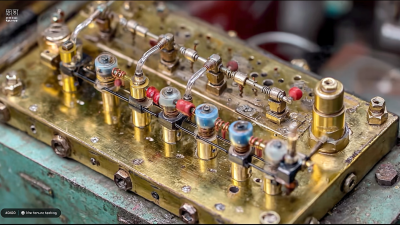
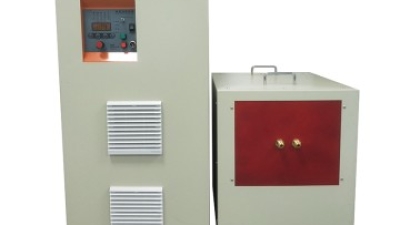
In the constantly changing world of metal Heat Treatment, everyone’s really buzzing about findingbetter, more sustainable ways to do things — especially when it comes to replacing those old-school Austenitizing Furnaces. I recently came across a report from the International Journal of Advanced Manufacturing Technology, and it turns out that companies investing in newer heating tech can cut down their energy use by as much as 30%. That’s a pretty big deal because it means saving a ton on costs while also boosting performance.
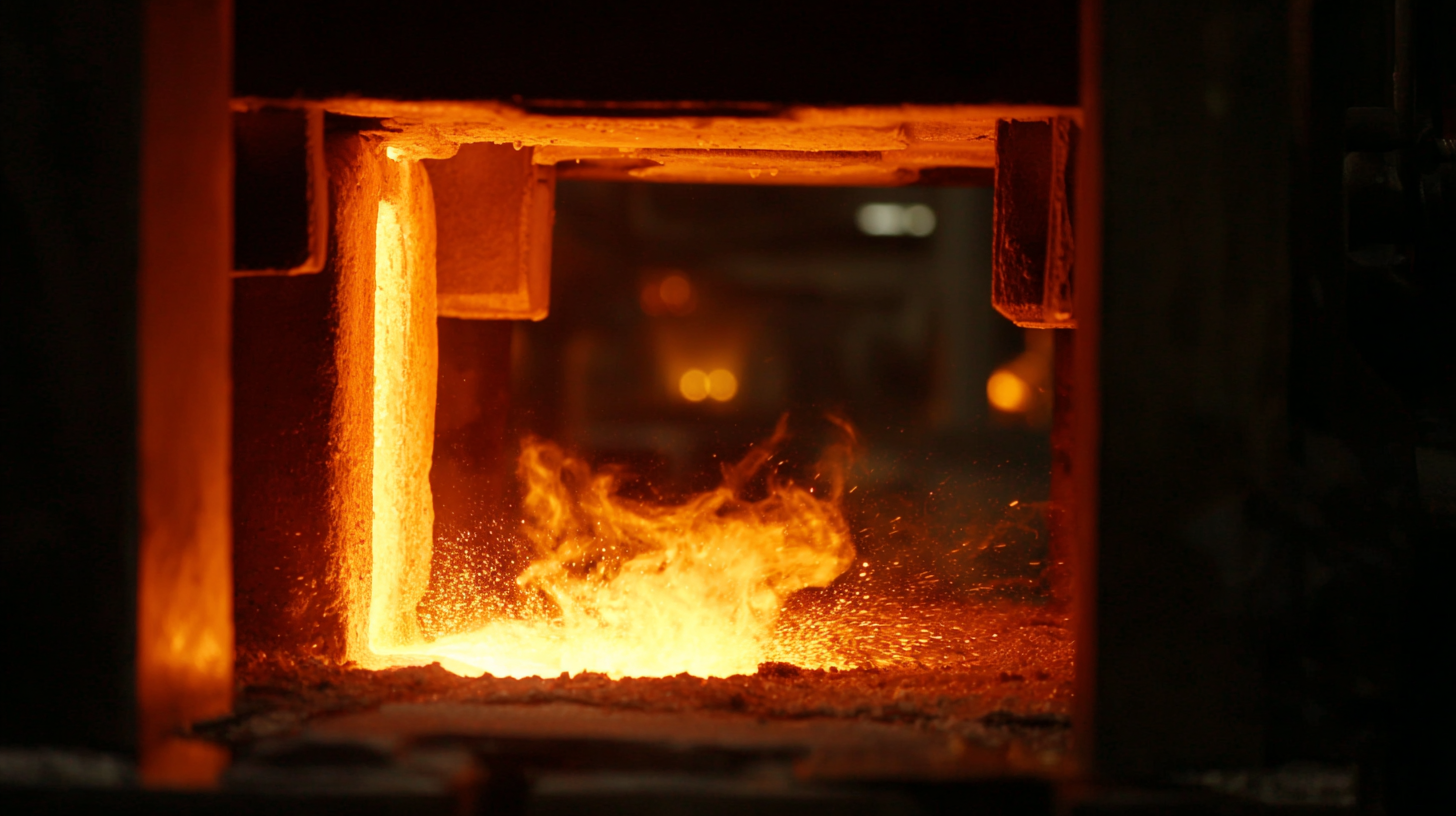
Now, a name you might’ve heard of is Dongguan Hongye Intelligent Equipment Technology Co., Ltd. (HYET). They've been around since 2005, working as a high-tech company, and they’re really leading the charge when it comes to advanced induction heating systems. As more and more manufacturers start to explore these new options, it’s becoming pretty clear that understanding the perks of alternatives to traditional Austenitizing Furnaces is super important — especially if you want to stay competitive in today’s global market that seriously cares aboutefficiency and quality.
The Advantages of Austenitizing Furnace Alternatives in Heat Treatment
Lately, I've been noticing that alternatives to traditional austenitizing furnaces are really catching on in the metal heat treatment world. I mean, they come with quite a few perks that make them stand out. For starters, they're much more energy-efficient — some studies suggest they can cut down energy use by as much as 30%. That’s pretty significant, not just because it saves money on the shop floor, but also because it helps reduce the overall environmental impact, which is a big plus these days. Plus, technologies like induction heating and microwave treatment are super fast, meaning manufacturers can get things done quicker without sacrificing quality.
And here’s the cool part: these new methods can actually improve the quality of heat-treated parts. Take vacuum heat treatment, for example — it helps ensure the temperature stays even throughout the process, leading to more consistent microstructures. According to research from the Materials Science and Engineering Research Institute, parts treated with these alternative techniques can show up to 15% better tensile strength compared to those treated in regular furnaces. That kind of boost really matters, especially in high-stakes industries like aerospace and automotive manufacturing. All in all, it seems like adopting these innovative heating methods could be a real game-changer for the industry.
Top 5 Reasons to Consider Alternative Heating Methods Today
For ages, Austenitizing furnaces have been the go-to in metal heat treatment, but with tech advancing so quickly, we've started seeing some pretty interesting alternatives popping up. And honestly, one of the biggest perks is how much more energy-efficient they are. Things like induction heating and microwave processing tend to use less power than traditional furnaces, which means lower costs and a smaller environmental footprint—pretty great, right? This lines up with the growing push towards more sustainable manufacturing practices, making these new methods even more appealing.
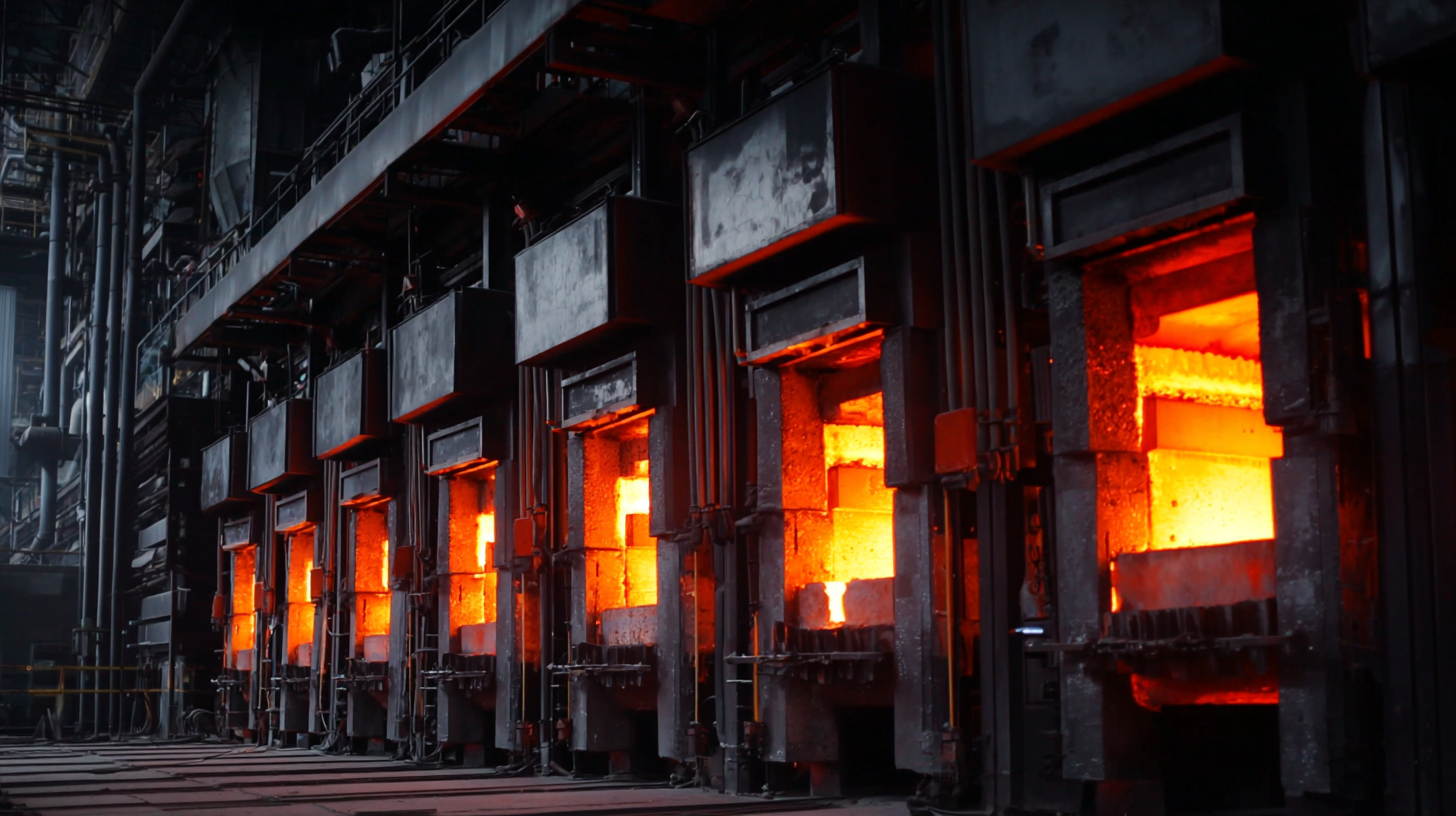
On top of that, another huge plus is the incredible control they offer over temperature. These modern techniques often heat metals faster and more evenly, which really helps improve the quality of the end product. Not only does that mean better properties in the treated materials, but it also cuts down on the chances of thermal damage that can happen with the old-school methods. Plus, the fact that you can process different shapes and sizes makes these options super flexible and adaptable to all sorts of industrial needs. As more industries are aiming to be efficient and eco-friendly, diving into these modern heating methods makes a lot of sense today—no doubt about it.
Enhancing Efficiency: Benefits of Modern Austenitizing Techniques
The world of metal heat treatment is really changing these days. Newer austenitizing methods are bringing a bunch of benefits, like better efficiency and improved performance. You know, those old-school austenitizing furnaces? They’re kind of being pushed aside by newer, more innovative options that make the whole process faster and ensure the temperature stays uniform. Things like induction heating and gas-based systems are really making a difference — they help manufacturers get the exact metallurgical properties they want, more precisely than ever. And the best part? Not only does this make the final parts more reliable, but it also cuts down on energy use, which is a win-win.
Plus, switching to these modern methods gives much better control over the whole process. You can customize treatment cycles to fit specific material needs, which means industries can produce higher-quality alloys and parts that are up for really tough jobs. On top of that, running these new systems tends to be cheaper — less downtime, fewer maintenance issues — so overall productivity gets a nice boost. As more manufacturers jump on board with these tech advancements, it’s clear that the benefits — like efficiency and consistency — will be key to meeting the growing demands across various industrial fields.
Cost-Effectiveness: Analyzing the Savings from Alternative Furnaces
Have you heard about the latest shifts in metal heat treatment? Specifically, the move towards alternative furnaces for Austenitizing processes—it's pretty exciting when you think about the potential savings. Traditional furnaces, as you might already know, can cost a ton to operate, especially with high energy bills and ongoing maintenance. But here's the good news: a recent industry report in the *International Journal of Heat Treatment* points out that switching to induction heating systems can cut energy costs by up to 40%. Not only does that mean big savings on the bottom line, but it also helps reduce the carbon footprint, which is a huge plus given how much sustainability is on everyone’s mind these days.
At Dongguan Hongye Intelligent Equipment Technology Co., Ltd. (HYET), we’ve been pushing the envelope since 2005, focusing on developing top-notch induction heating solutions. Investing in our tech isn’t just about keeping up—it’s about staying ahead. When companies adopt our modern systems, they often see their cycle times drop by as much as 50%, which means higher productivity and lower costs overall. It’s pretty clear that these efficiencies don’t just benefit the books—they also help manufacturers stay competitive in this fast-changing market landscape.
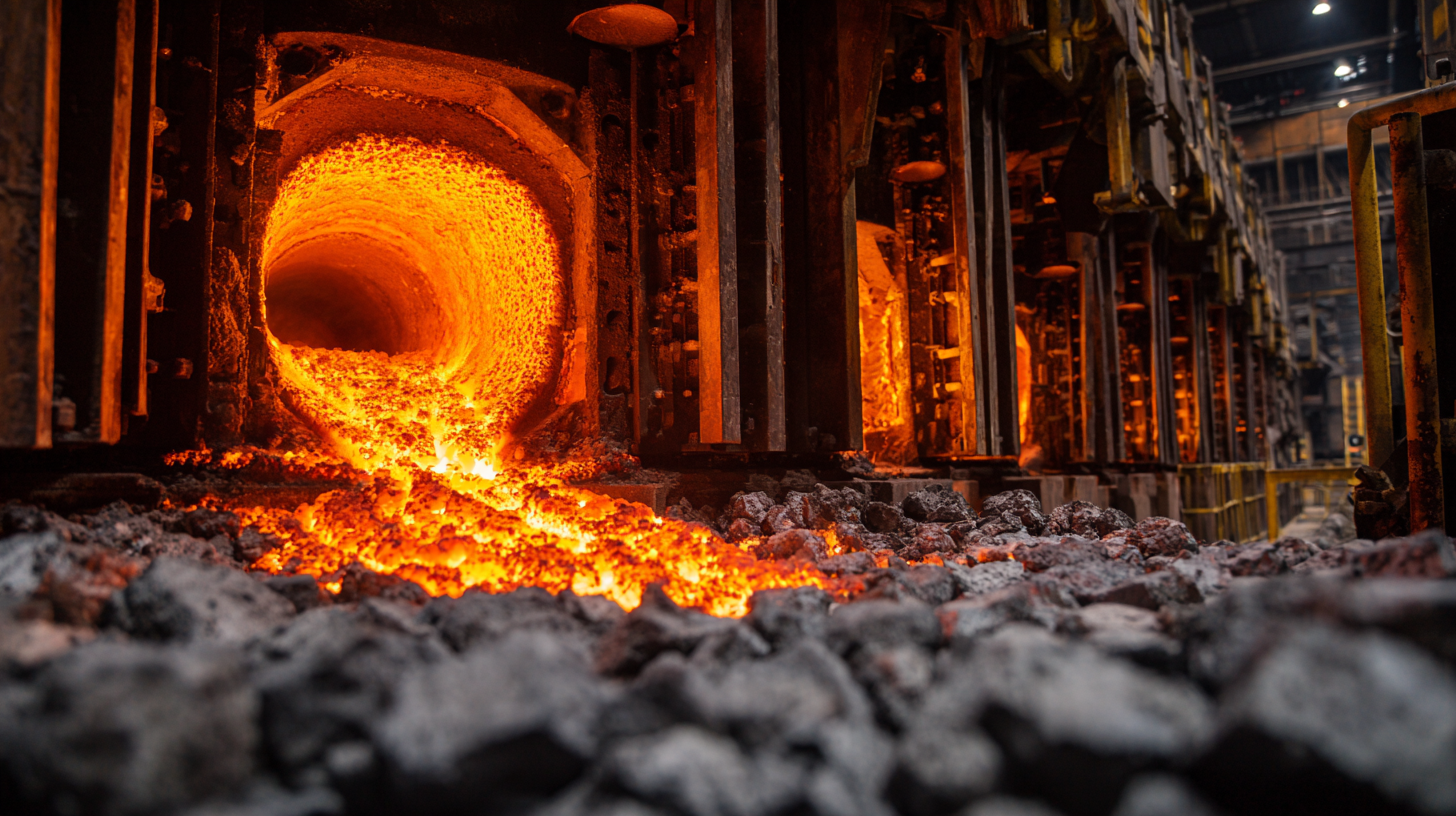
Environmental Impact: How Alternatives Reduce Carbon Footprint
Austenitizing furnaces have been a staple in metal heat treatments for ages, but lately, with all the buzz about sustainability, people are starting to take a fresh look at their environmental impact. It’s pretty exciting because switching to new heating methods could make things not only more efficient but also way better for the planet. For example, using electric induction or alternative fuels can slash greenhouse gas emissions and cut down on resource use. It’s a smart move that aligns with the global push for greener practices.
When you zoom out and think about the bigger picture of sustainability, it’s clear we need to explore alternatives. Plenty of studies show that traditional industries—like dairy and beef—pay hidden costs in pollution and carbon footprints. So, it’s no wonder that the metal industry is starting to jump on the bandwagon by adopting more sustainable tech. These changes aren’t just about ticking boxes; they’re about really contributing to efforts for carbon neutrality. It’s also a sign that every industry, including manufacturing, has to adapt if we want to really tackle climate change. Plus, it’s a smart move for businesses—they can meet stricter regulations and appeal to consumers who care more and more about the environment.
All in all, the shift toward greener heat treatment methods is a positive sign of progress, and it shows that even small changes can add up to big differences for our planet.
Exploring the Benefits of Austenitizing Furnace Alternatives in Metal Heat Treatment - Environmental Impact: How Alternatives Reduce Carbon Footprint
| Alternative Technology | Energy Efficiency (%) | Reduction in CO2 Emissions (tons/year) | Cost Savings ($/year) | Heat Treatment Time (hours) |
| Induction Heating | 30 | 150 | 2000 | 1.5 |
| Microwave Heating | 40 | 180 | 2500 | 1.0 |
| Vacuum Furnaces | 25 | 120 | 1500 | 2.0 |
| Salt Bath Furnace | 20 | 100 | 1200 | 1.8 |
Improving Quality: The Role of Alternatives in Metal Strength and Durability
When it comes to heat treating metals, I’d say the importance of exploring different austenitizing furnaces really can’t be overstated—especially if we’re after stronger, more durable materials. For a long time, traditional furnaces have been the go-to option in the metallurgical world, but lately, new tech like induction heating and laser systems are starting to shake things up. According to some recent studies I came across, these newer methods can cut down energy use by around 30%, all while heating things more evenly. And that’s a big deal because more uniform heating means finer microstructures, which in turn leads to better mechanical properties—so, stronger and tougher stuff all around.
Interestingly, research from the Materials Research Society suggests that these alternative heating methods can bump up the tensile strength of steel by almost 15 to 20%. They give us more precise control over the heating process, allowing for better phase transformations that improve ductility and toughness. With industries like aerospace and automotive demanding higher-performing materials these days, it’s clear that shifting towards advanced austenitizing tech isn’t just a good idea anymore—it’s pretty much a necessity if we want to keep up with modern engineering challenges. Overall, the benefits in quality and efficiency are pretty obvious, signaling a real turning point in how we handle heat treatment jobs.
Exploring the Impact of Austenitizing Furnace Alternatives on Metal Strength and Durability
This chart illustrates the effectiveness of different austenitizing alternatives in enhancing metal strength and durability. The data represents the tensile strength measured in MPa for various furnace alternatives used in metal heat treatment.
Unlocking the Power of Induction Heating: Your Guide to Choosing the Right Iron Scrap Melting Furnace
Induction heating technology has revolutionized the way we approach metal melting, particularly in the iron scrap melting sector. With the demand for efficiency and precision in industrial processes, the introduction of a 10kg-50kg iron scrap melting electric induction heating furnace is a game-changer. This compact yet powerful furnace utilizes advanced electromagnetic induction to provide rapid melting of steel, copper, brass, and aluminum. According to industry reports, the implementation of induction heating can increase energy efficiency by 30% compared to traditional melting methods, making it an attractive option for modern foundries.
One of the standout features of this induction heating furnace is its ability to reach temperatures of up to 1600°C, allowing for optimal melting of various metals while maintaining material purity. The durable refractory lining significantly reduces metal oxidation, which is crucial in preserving the quality of the final product. Furthermore, temperature control capabilities minimize the risk of overheating, an important factor highlighted by research showing that precise temperature management can extend the lifespan of manufacturing equipment by over 20%.
Choosing the right furnace is paramount for any industrial operation, and the benefits of this induction heating solution cannot be overstated. As industries continuously seek more sustainable and efficient production methods, investing in a high-efficiency melting furnace may well be the key to unlocking significant operational improvements. The shift towards advanced technologies like induction heating not only meets current production challenges but also paves the way for future innovations in metal processing.
FAQS
: Modern austenitizing techniques are advanced methods for metal heat treatment that improve efficiency and performance, utilizing innovations like induction heating and gas-based systems for shorter processing times and uniform temperature distribution.
These techniques utilize advanced technologies that allow for more efficient heating processes, resulting in significant energy savings, potentially reducing energy consumption by up to 40%.
They provide better control over the metallurgical process, enabling tailored treatment cycles, higher quality alloys, and components that meet specific material requirements while reducing operational costs.
Businesses have reported savings on energy and maintenance costs, as well as a reduction in cycle times by up to 50%, which enhances productivity and financial savings.
By reducing energy consumption and operational costs, modern austenitizing techniques also decrease the carbon footprint associated with manufacturing processes, aligning with sustainability goals.
Dongguan Hongye Intelligent Equipment Technology Co., Ltd. (HYET) has been a leader in innovation since 2005, focusing on cutting-edge induction heating systems for metal treatment.
The enhanced precision in achieving desired metallurgical properties through modern techniques leads to more reliable heat-treated components that can withstand rigorous applications.
Lower maintenance expenses contribute to overall improved productivity, reducing downtime and operational disruptions for manufacturers.
These methods allow manufacturers to optimize production processes, enhance efficiency, and control costs, thereby maintaining competitiveness in a rapidly evolving market.
The push for higher efficiency, cost-effectiveness, and sustainability in manufacturing processes are the key trends driving the adoption of modern austenitizing techniques.
Conclusion
If you're into metal heat treatment, you’ve probably noticed that folks are looking for better alternatives to the old-school Austenitizing Furnaces these days. Modern methods, like using induction heating, aren’t just about pumping out better results—they also save money and are kinder to our planet. For example, induction systems can cut down on energy use and help reduce the carbon footprint of processing metals. Pretty neat, right?
And it's not just about being eco-friendly—you get better quality metals too. Things like boosting strength and durability become easier with these newer techniques. Dongguan Hongye Intelligent Equipment Technology Co., Ltd. is really stepping up here, offering some of the latest induction heating tech to meet the industry's changing needs. Switching to these alternative heating options isn’t just good for performance—it’s also a smart move for sustainable manufacturing. It’s exciting to see how these innovations are shaping the future of metal treatment.