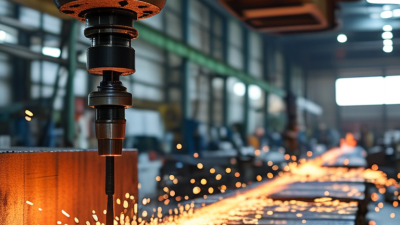
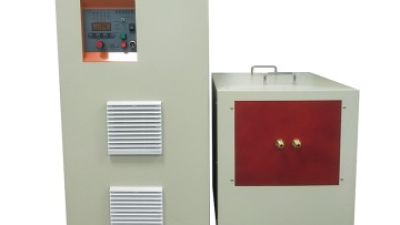
Hey, in the fast-paced world of manufacturing, more and more folks are realizing just how beneficial a Carburizing Furnacereally is. John Smith over at SteelTech Industries once mentioned, "A properly tuned Carburizing Furnace can seriously boost product durability." It’s a pretty clear sign of just how important heat treatment is nowadays.
So, basically, a Carburizing Furnace works by injecting carbon into the surface of steel. This simple step can totally change the metal’s properties, making it harder and better at resisting wear and tear. But, here’s the catch—getting those benefits isn’t just about flipping a switch. You gotta keep a close eye on the temperature and the atmosphere inside the furnace. Many manufacturers run into trouble, like inconsistent results or equipment breaking down, which can really slow things down and rack up costs.
You might think setting up a high-quality Carburizing Furnace is easy, but honestly, it’s a bit more complicated. It takes some serious know-how and planning. Companies that put effort into training their teams usually notice a big jump in product quality. And don’t forget—regular maintenance of the furnace is super important to keep everything running smoothly. Balancing efficiency with goodmanagement practices really helps you get the most out of this powerful piece of gear.”
Key Features of Carburizing Furnaces for Manufacturing Processes
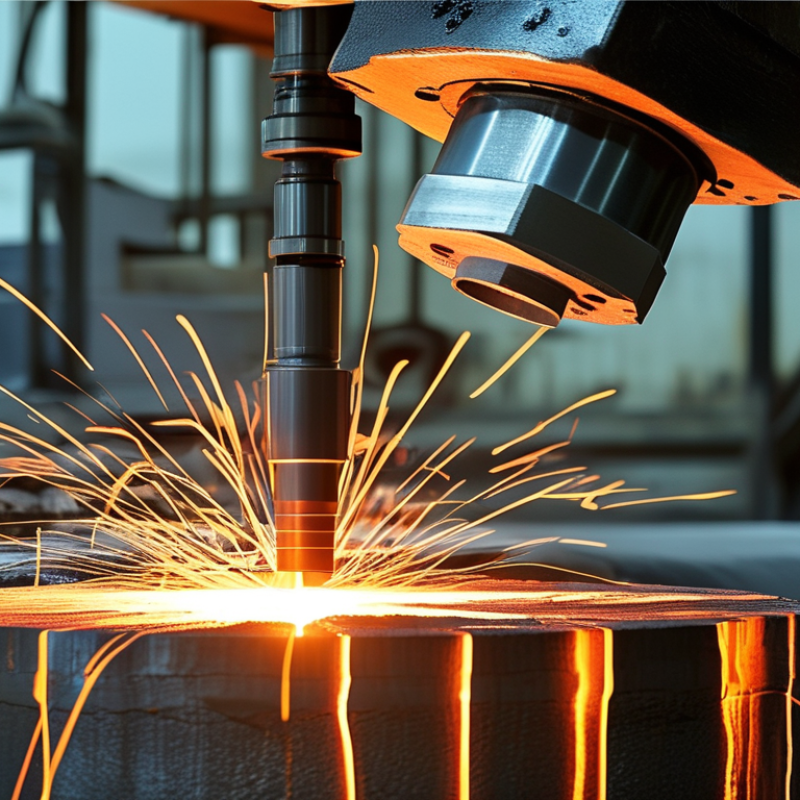
Carburizing furnaces play a crucial role in enhancing the properties of steel components in manufacturing processes. They primarily infuse carbon into the surface of steel. This process leads to increased hardness and wear resistance, making parts more durable. Key features include controlled atmosphere, precise temperature regulation, and efficient heating methods. Each feature contributes to the uniformity of carburization, essential for consistent results.
Using a carburizing furnace can significantly improve product quality. Consider the heating method used. Induction Heating, for example, offers rapid and uniform heat distribution. This can minimize the risk of overheating and distortion. Make sure the furnace maintains a stable environment throughout the process. A fluctuating atmosphere can lead to inconsistent carburization results.
Data logging features in modern furnaces enable manufacturers to track the carburization process meticulously. This information is vital for ensuring compliance with quality standards. Reflect on how these technologies could reduce waste and improve efficiency in your operations. Difficulties may arise in initial setup, but the long-term benefits outweigh these challenges. Investing time in understanding how to optimize these furnaces can enhance your production capabilities. Embrace these advancements for continued growth in the manufacturing sector.
Understanding the Carburization Process and Its Importance in Manufacturing
The carburization process plays a vital role in enhancing the durability of steel components. This process involves diffusing carbon into the surface of steel at high temperatures. It significantly increases surface hardness without compromising the core's toughness. According to industry reports, parts treated with carburization show up to 50% improved wear resistance.
For manufacturers, adopting a carburizing furnace ensures consistency in the carburization process. A recent study highlights that 70% of manufacturers noted reduced variability in hardness levels when using modern furnaces. This consistent treatment leads to better performance in applications that require high strength and durability, such as gear systems and shafts.
However, challenges remain in achieving optimal results. For instance, inadequate control over temperature and time can lead to uneven carbon distribution. It's essential for manufacturers to invest in training and equipment to monitor these variables closely. Despite the advancements in carburization technology, the need for continuous improvement persists. Each factory must adapt to unique requirements and strive for greater precision in their carburizing operations.
Benefits of Enhancing Material Hardness through Carburizing
Carburizing is a heat treatment process that enhances the hardness of steel and iron components. When manufacturers utilize a carburizing furnace, they can achieve significant improvements in material properties. This process allows carbon to diffuse into the surface of the metal, forming a hard, wear-resistant layer. The outcome is remarkable: parts that can withstand greater loads and wear.
The benefits of enhancing material hardness through carburizing are manifold. It improves durability, which is essential in industries like automotive and aerospace. Components such as gears and shafts benefit greatly from this treatment. The increased hardness reduces the risk of premature failure. Manufacturers should consider using a Gas Carburizing Furnace to optimize these outcomes.
Tip: Ensure precise control over temperature and time during the carburizing process. Small variations can lead to inconsistent results. Regular maintenance of your Gas Carburizing Furnace is vital for reliability.
Observation is key. Not every part may need carburizing. Evaluate the specific needs of each component to avoid unnecessary treatments. This requires an experienced approach. Balancing cost-effectiveness and performance can be a challenge. Proper training and knowledge are essential in achieving the best results in carburizing operations.
Top Benefits of Using a Carburizing Furnace for Manufacturers
This chart illustrates the top benefits of using a carburizing furnace for manufacturers, highlighting how each benefit enhances material performance and overall efficiency in production processes.
Cost-Effectiveness of Using Carburizing Furnaces in Production
Carburizing furnaces offer significant cost advantages for manufacturers. They enhance the efficiency of the hardening process, which is crucial in industries like automotive and aerospace. According to industry data, using carburizing processes can improve component lifecycle by 30%. This efficiency translates into reduced material waste and fewer replacements, driving down overall costs.
The initial investment in carburizing equipment may seem daunting, but data shows that the return on investment (ROI) can be realized within two years. By implementing Case Carburizing, manufacturers ensure superior wear resistance in parts. This durability results in fewer production interruptions and maintenance costs. Manufacturers are also able to meet stricter regulatory requirements with consistent quality and performance.
Despite these benefits, there are challenges to consider. Energy consumption during the carburizing process can be high. Industry reports indicate that operators need to manage energy efficiency effectively. Balancing production speed with energy use will be vital. It underscores the need for ongoing evaluation and refinement of carburizing practices. By adopting a continuous improvement approach, manufacturers can leverage the full potential of carburizing furnaces while addressing any shortcomings.
Impact of Carburizing on the Performance and Durability of Components
Carburizing is a heat treatment process that modifies the surface properties of various components. This technique significantly enhances the performance and durability of parts used in demanding applications. The carburizing process introduces carbon into the surface layer of steel, improving its hardness and wear resistance. As a result, components can endure more stress and friction during operation.
Using a carburizing furnace, manufacturers can achieve a uniform carbon distribution. This process is crucial for components like gears, shafts, and bearings. However, precision in temperature control and time is essential. Variations can lead to uneven carburization and affect performance. Manufacturers must focus on the balance between hardness and toughness to avoid brittleness in components.
Despite its advantages, carburizing is not without challenges. The process requires significant energy and can produce harmful emissions. Companies must seek methods to reduce their environmental impact while ensuring high-quality outputs. This awareness can lead to improved practices, fostering a commitment to sustainability in manufacturing.
Comparative Advantages of Carburizing over Other Heat Treatment Methods
Carburizing has gained traction in manufacturing due to its unique advantages over other heat treatment methods. This process enhances the surface hardness of steel parts while retaining their ductility. The result is a strong yet tough material, perfect for high-wear applications. The Vacuum Carburizing process is particularly notable for its precision. It allows manufacturers to create intricate parts with consistent surface properties.
While traditional methods expose steel to a carbon-rich atmosphere, Vacuum Carburizing operates in a controlled environment. This minimizes oxidation and scaling, yielding cleaner results. Manufacturers often appreciate that the need for cleaning post-treatment is significantly reduced. However, the initial investment can be a hurdle for some. Not every production facility has the budget for such advanced technology.
Additionally, the cycle time can be longer compared to simpler methods. This may lead to production delays if not carefully managed. Nonetheless, the benefits typically outweigh these challenges. The ability to achieve deep case hardening without compromising the core integrity of materials is critical. This technology not only provides high-quality outcomes but also enhances the lifespan of the treated components. Embracing Vacuum Carburizing may require adjustments, but the long-term gains can be substantial for manufacturers committed to quality.
Future Trends in Carburizing Technology for Manufacturers
The landscape of carburizing technology is constantly evolving. Manufacturers are exploring new methods to enhance efficiency. Integrating advanced sensors into the carburizing furnace allows for better monitoring of the heat treatment process. Such innovations can significantly improve the quality of the carburized surface. Yet, adopting new technologies may pose challenges, including the need for operator training and additional capital investment.
Another trend is the focus on sustainability. Manufacturers are working on reducing energy consumption during the Carburizing Heat Treatment process. This includes optimizing insulation and recovery systems within the furnace. While these upgrades present potential benefits, they may require substantial research and development. The balance between cost and environmental responsibility can be tricky.
Additionally, predictive maintenance is becoming more common. By analyzing data from carburizing furnaces, manufacturers can predict failures before they occur. This leads to less downtime and higher overall productivity. However, relying heavily on data and technology raises concerns about cybersecurity. Manufacturers must remain vigilant against data breaches while harnessing the benefits of technology in carburizing heat treatment.
Title: Comprehensive Guide to Choosing the Right Electric Induction Furnace for Melting Varied Metal Scrap: 10kg, 20kg, and 50kg Options
When selecting the right electric induction furnace for melting varied metal scrap, considerations of capacity are essential. The 10kg, 20kg, and 50kg options cater to different operational needs, making them versatile for various industrial applications. These furnaces are exceptionally well-suited for smelting steel, copper, brass, and aluminum, providing efficient and effective melting solutions for metal scrap processing.
A standout feature of these induction furnaces is their advanced electromagnetic induction heating technology, which allows for remarkably fast melting speeds. This technology not only enhances energy efficiency but also provides precise temperature control, capable of reaching temperatures exceeding 1600°C. This level of control is crucial for different metal types and ensures optimal melting conditions while maintaining the integrity of the materials.
Durability is another key factor in choosing the right furnace, as the durable refractory lining ensures extended service life. This feature minimizes metal oxidation during the melting process, thereby preserving the purity of the materials being processed. By utilizing these advanced furnaces, operators can achieve high efficiency in metal melting while ensuring quality outcomes.
FAQS
: Carburizing enhances surface hardness of steel while keeping ductility. It’s ideal for high-wear applications.
Vacuum carburizing operates in a controlled environment. This minimizes oxidation and scaling, resulting in cleaner parts.
It achieves deep case hardening without compromising core integrity. It enhances the lifespan of components significantly.
The initial investment can be high. Cycle times may also be longer, potentially causing production delays.
Integrating advanced sensors helps monitor the heating process. This improves surface quality during treatment.
Yes, manufacturers aim to reduce energy use. Upgrading systems can be beneficial but may require significant investment.
Predictive maintenance uses data analysis to forecast equipment failures. This reduces downtime and boosts productivity.
Yes, increased reliance on technology raises cybersecurity concerns. Data breaches can impact the manufacturing process.
Training operators and funding upgrades can be difficult. Balancing quality with cost is often a tough decision.
Treatments lead to stronger, more resilient parts. This can reduce the frequency of part replacements over time.
Conclusion
The article discusses the numerous advantages of utilizing a Carburizing Furnace in manufacturing processes, highlighting its key features and the importance of the carburization process. This method significantly enhances material hardness, contributing to improved performance and durability of components, crucial for various applications.
Furthermore, the cost-effectiveness of employing Carburizing Furnaces is emphasized, showcasing how they provide a competitive edge in production. The article also compares carburizing with other heat treatment methods, illustrating its distinct benefits. Lastly, the discussion on future trends in carburizing technology indicates ongoing advancements that manufacturers can leverage to optimize their processes and ensure high-quality output.