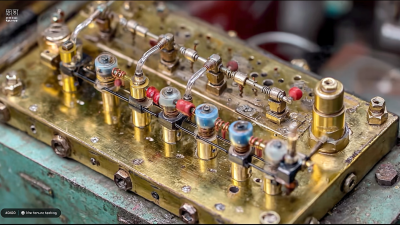
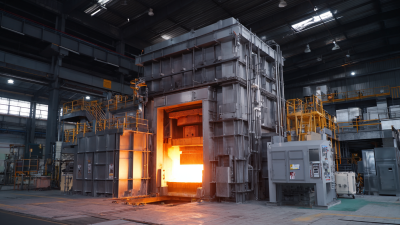
In the world of metalworking, staying on top of the latest tools is a game-changer, and a brazing machine? It’s definitely one of those must-haves. I remember John McGraw from McGraw Metalworks once putting it this way: “A brazing machine totally changes how we bond metals, making everything more precise and efficient.” Honestly, that really hits the nail on the head when it comes to modern brazing tech.
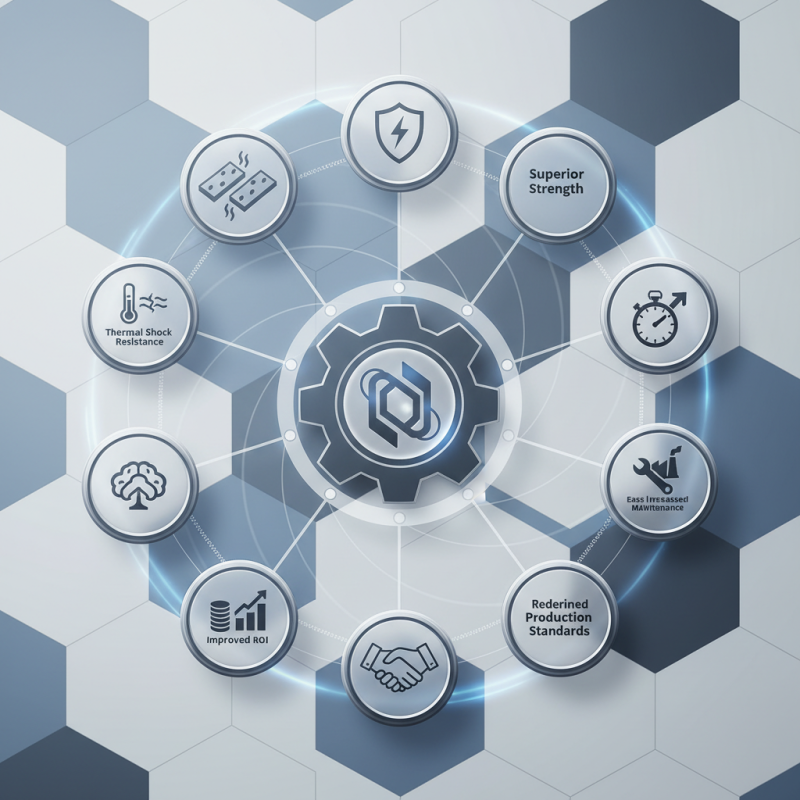
Now, switching to a brazing machine brings a bunch of perks that go way beyond the usual welding stuff. For example, they’re super strong and can resist thermal shocks better than traditional methods. Plus, they’ve got this cool ability to join different types of metals, which opens up tons of possibilities across different industries. The thing is, though, hopping into this tech can be a bit intimidating at first—mainly because of the upfront cost. Sometimes people hesitate because they’re not totally sure if it’ll pay off in the long run.
And let’s not forget, learning the ropes with new machinery isn’t always a walk in the park. Proper training and regular maintenance are key, and skipping those steps can really cause headaches later on. But honestly, once you get the hang of it, using a brazing machine could really change the game, raising everyone’s standards in metalworking and making things more efficient than ever.
Overview of Brazing Machines in Metalworking Processes
Brazing machines play a vital role in metalworking processes. They join metals using a filler material, usually applied at high temperatures. This method creates strong bonds, making it suitable for various applications, from automotive to aerospace. A brazing machine can improve efficiency significantly. The speed of the operation often reduces production time.
The precision offered by these machines is noteworthy. They can melt the filler material without affecting the base metals, ensuring a clean joint. However, not every machine guarantees perfection. Operators must be trained to adjust settings for different materials. A wrong temperature can compromise a project’s strength. Another consideration is the initial investment. It may seem high, but the long-term benefits often outweigh costs.
A well-set brazing operation can enhance product quality. It often results in stronger and more reliable joins. Yet, the process requires constant monitoring. Overheating can harm surrounding areas, leading to defects. Ensuring proper airflow and temperature control is essential. The learning curve can be steep, but the rewards are considerable for those willing to adapt.
Key Advantages of Brazing in Metal Joining Techniques
Brazing is a key metal joining technique that offers distinct advantages. It allows for the joining of different metals, which is not always possible with welding. This flexibility opens up new possibilities in design and material selection. The process generates little heat, minimizing the risk of warping or damaging components. This is particularly valuable in precision engineering.
Another benefit is the strength of the joints. Brazed joints often provide superior strength compared to welded ones. They are also resistant to thermal and electrical fatigue. This makes brazing suitable for high-stress applications, such as in aerospace and automotive industries. However, achieving the perfect joint can be tricky, as it requires careful control of temperature and precise alignment.
Additionally, brazing is often more cost-effective than other methods. The materials used can be less expensive, and the process can be faster. Yet, achieving the desired results might require practice and expertise. A skilled operator can make a significant difference in the output quality. While brazing offers numerous benefits, it is essential to reflect on personal experience and continuously improve skills in this craft.
Enhanced Strength and Durability Through Brazing
Brazing is a vital process in metalworking. It involves joining metals using a filler material. This method creates a strong bond that enhances the strength and durability of components. Unlike welding, brazing does not melt the base metals. This key difference makes it suitable for thin-walled structures.
Using a brazing machine ensures precision. The control of temperature and atmosphere helps in creating clean joints. This results in less distortion in the metals involved. Enhanced durability means parts can withstand wear and tear better. However, there can be challenges. Proper cleaning of metal surfaces is crucial. Any contamination can lead to weak joints.
Moreover, the choice of filler material is important. Not every filler suits every application. Experimentation may be needed to find the right one. Not all attempts yield perfect results. Some joints may fail under stress. These aspects require ongoing reflection and improvement in the process. Each brazing session offers a lesson in achieving enhanced strength and durability.
Increased Production Efficiency with Brazing Machines
Brazing machines have become essential in metalworking, significantly boosting production efficiency. According to a report by MarketsandMarkets, the global market for brazing and welding equipment is expected to grow by 5.5% annually. This highlights an industry shift towards automated processes.
Using a brazing machine reduces manual labor. Workers can focus on more complex tasks. This improves overall workflow. Studies show that companies using automated brazing report up to 30% faster completion times. These machines offer high precision, which minimizes material waste. Equipment setups can be challenging, and initial costs might deter some. Yet, the long-term savings often outweigh these concerns.
In addition, brazing machines enhance the quality of joints. Consistency in temperature and pressure leads to stronger bonds. Some companies still struggle with technique adaptation. Training staff to adapt to new technology can be slow. However, the benefits become clear when production rates double in some cases. Production efficiency and quality can truly transform metalworking operations.
Versatility of Brazing Across Different Metal Types
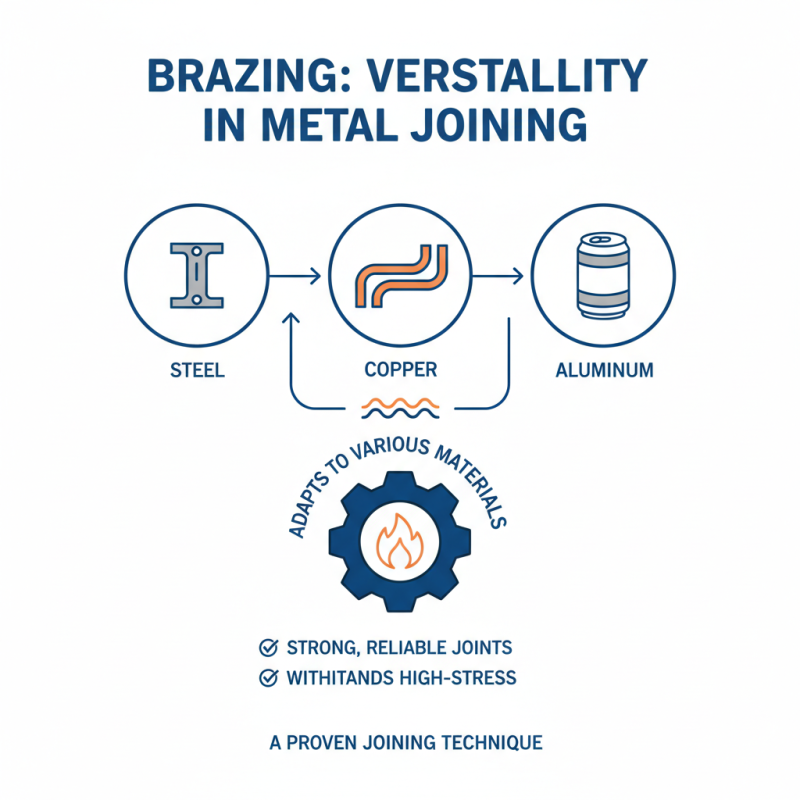
Brazing is a joining technique that proves its versatility across a wide range of metal types. Whether working with steel, copper, or aluminum, a brazing machine adapts to various materials with ease. This adaptability allows craftsmen to create strong, reliable joints that withstand high-stress conditions.
Different metal combinations often pose challenges. Each metal responds differently to heat and fillers. For instance, brazing copper to brass requires precise control of temperature. If the alloy isn’t heated adequately, it could lead to weak connections. Understanding these nuances is essential for optimal results. Metalworkers must develop a sense for the right approach, which can take time.
In exploring the versatility of brazing, one realizes the importance of continuous learning. There are situations where the results do not meet expectations. These moments highlight areas for improvement. Experimenting with various metals and settings can lead to valuable insights. Embracing these challenges ultimately enhances the metalworking process and fosters innovation.
Cost-Effectiveness of Brazing in Manufacturing
Brazing has emerged as a cost-effective solution in manufacturing. It allows for joining metals with lower energy consumption. The process uses a filler metal, melting at a lower temperature than the base materials. This characteristic reduces overall energy costs during production.
Additionally, brazing can enhance the quality of joints while keeping production expenses low. It offers flexibility with various materials. This versatility can lead to innovative product designs. However, not all metal combinations are suitable for brazing. It requires careful material selection.
Inconsistent application techniques can lead to flaws. These flaws may affect the strength of the joint. This is a crucial area for improvement in some workshops. Training operators is essential. Reviewing techniques regularly ensures quality standards are met. Making these adjustments can significantly affect the overall efficiency of the manufacturing process.
Environmental Benefits of Using Brazing in Metalworking
Brazing machines play a crucial role in modern metalworking, particularly in their positive impact on the environment. Compared to traditional welding, brazing uses lower temperatures and consumes less energy. According to the U.S. Department of Energy, this process can lead to energy savings of up to 50%. This not only reduces operational costs but also decreases the carbon footprint of manufacturing.
Further, brazing generates less waste during production. The process minimizes excess material use, contributing to a reduction in scrap rates by as much as 30%. This reduction is critical for industries aiming to foster sustainable practices. Less waste means fewer resources needed for recycling or disposal, ultimately leading to a cleaner environment.
Tip: Consider implementing a recycling program for metal scrap. It can help recover valuable materials and promote sustainability in your operations.
Moreover, the use of environmentally friendly filler metals can reduce harmful emissions. The transition toward greener options aligns with global initiatives aimed at reducing pollution. However, it’s essential to remain cautious. Some filler metals may still contain toxic elements. Always verify materials for safety and environmental compliance before use.
Tip: Regularly review your materials. This helps ensure that your operations remain environmentally friendly and compliant.
Top 10 Benefits of Using a Brazing Machine in Metalworking Processes
| Benefit | Description | Environmental Impact |
| Reduced Energy Consumption | Brazing machines operate more efficiently, resulting in lower energy costs and reduced emissions. | Lower carbon footprint due to decreased energy use. |
| Less Material Waste | Precise control of the brazing process minimizes the amount of filler material needed. | Reduces landfill contribution and resource depletion. |
| Sustainable Jointing Process | Brazing allows for joining dissimilar metals without compromising their properties. | Promotes recycling and repurposing of materials. |
| Non-Contaminating | The brazing process does not introduce contaminants, making it safer for the environment. | Helps maintain the integrity of materials and surrounding ecosystems. |
| Reduced Emissions | Modern brazing technologies produce fewer harmful fumes compared to traditional methods. | Improves air quality around manufacturing facilities. |
| Lower Water Usage | Efficient brazing processes often require less water for cooling compared to welding. | Conserves water resources in industrial operations. |
| Improved Product Longevity | Brazed joints are often stronger and more durable, reducing the need for replacements. | Less frequent replacements mean less waste and lower resource consumption. |
| Minimal Heat Affected Zone | Brazing creates a smaller heat affected zone compared to welding, preserving material properties. | Keeps more materials in usable condition, minimizing waste. |
| Flexible and Versatile | Brazing can be applied to a wide range of materials and configurations, maximizing efficiency. | Allows for innovative uses of materials, reducing the need for new resources. |
| Waste Reduction in Manufacturing | Brazing techniques contribute to a streamlined manufacturing process with fewer defects. | Less waste generated means a smaller environmental footprint. |
Innovative Solutions for DIYers: Exploring the Versatility of the 3-5 KW Handheld Induction Heater for Soldering and Brazing Projects
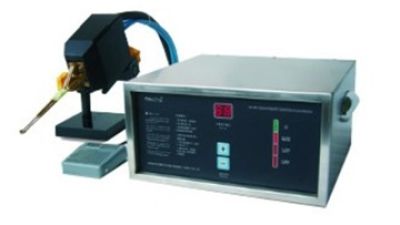
The rise of DIY projects among hobbyists and professionals alike has prompted the need for innovative heating solutions that enhance both efficiency and safety. One notable tool tailored for this purpose is the Handheld induction heater, particularly the portable UHF electromagnetic induction heater. This piece of equipment is designed to cater to the needs of DIYers, electronic repair engineers, and those in small industrial settings, making it a versatile addition to any toolkit.
What sets the UHF induction heater apart is its ability to deliver fast, accurate, and energy-efficient heating. Utilizing high-frequency electromagnetic induction technology, it can heat metal parts in mere seconds, making it ideal for tasks such as brazing, annealing, and desoldering. By eliminating the fire hazards associated with traditional flame heating methods, this device ensures a safer working environment while also enhancing productivity. The ability to control the heating process precisely allows users to execute their projects with increased confidence and improved quality.
With the portability and ease of use of this handheld induction heater, DIY enthusiasts no longer need to rely on cumbersome and less efficient heating methods. Whether tackling a simple repair or a complex fabrication project, this innovative tool empowers users to achieve professional-quality results from the comfort of their home workshops. Its versatility not only simplifies various heating tasks but also opens up new possibilities for creativity and innovation in metalworking endeavors.
FAQS
: The service aims to provide users with assistance and information efficiently.
Users can access it through a user-friendly online platform or mobile app.
Some features may be free, while others could require a fee. Details are available online.
Users can find a wide range of resources, including articles and guides on various topics.
The service implements security measures to safeguard personal information. User data is not shared.
There might be occasional outages or limited access during high traffic times. Patience is appreciated.
Yes, users can submit feedback through the platform to help improve the service.
Support is accessible through customer service channels, including email and live chat options.
Content is regularly reviewed and updated. However, some information may become outdated.
Users should report issues via the help section for assistance in resolving any problems.
Conclusion
Brazing machines play a crucial role in modern metalworking processes, providing numerous advantages for metal joining techniques. One of the key benefits of using a brazing machine is the enhanced strength and durability it offers, allowing for the creation of robust joints that can withstand significant stress. Additionally, these machines increase production efficiency, enabling manufacturers to produce high-quality components at a faster pace.
Versatility is another hallmark of brazing, as these machines can effectively join various types of metals, making them invaluable across different industries. Moreover, the cost-effectiveness of brazing in manufacturing processes contributes to reduced operational costs while maintaining high standards. Lastly, the environmental benefits of using brazing machines, such as lower energy consumption and reduced waste, further underscore their importance in sustainable metalworking practices.