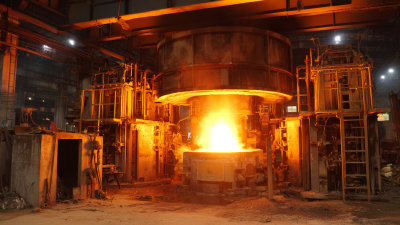
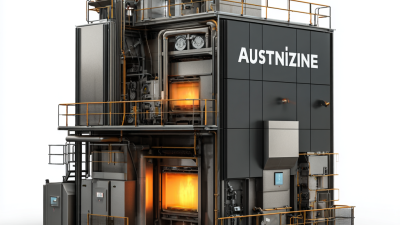
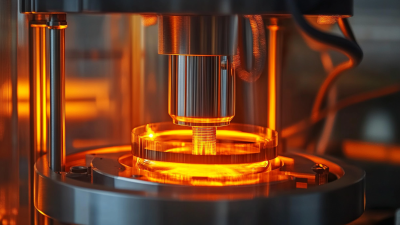
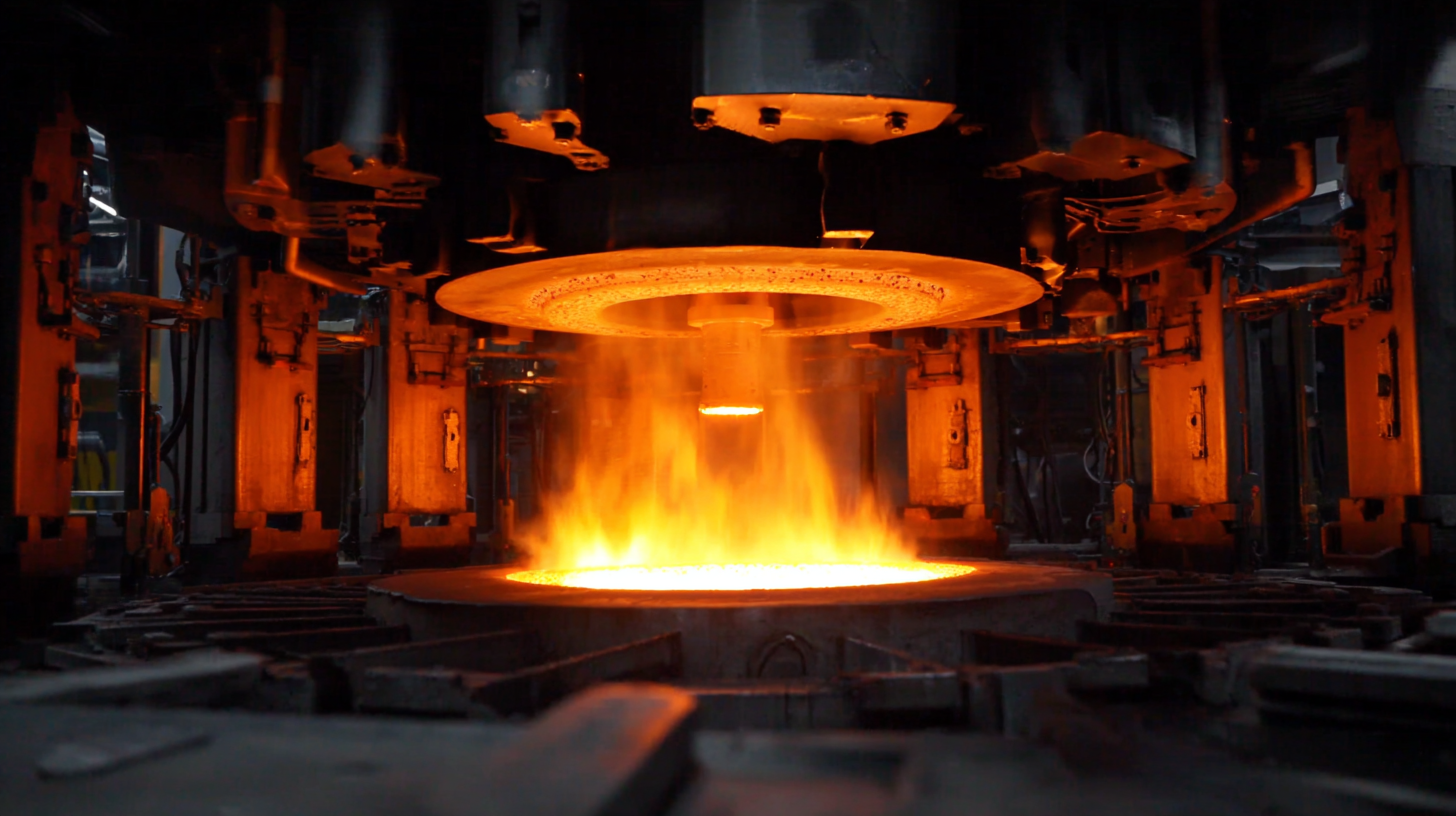
 In the constantly changing world of metalworking, using advanced tech like forging furnaces has really become a game-changer for boosting efficiency. As industry expert Dr. Michael Johnson—who’s a well-known metallurgist and consultant—points out, the forging furnace isn’t just a tool; it’s basically the heart of the whole process. It has a huge impact on the quality and performance of the final product. That really highlights how important these furnaces are in this industry, where precision and efficiency are everything.
At Dongguan Hongye Intelligent Equipment Technology Co., Ltd. (HYET), we truly believe in the power of innovative induction heating systems to get the most out of forging furnaces. Since we started back in 2005—as a high-tech enterprise recognized nationwide—we’ve been all about developing cutting-edge equipment that helps metalworking businesses work smarter and produce better results. Our goal is to keep improving and expanding globally, aiming to set the bar high when it comes to forging technology. We want our clients to get the biggest benefits from using a forging furnace in their operations—and we’re dedicated to making that happen.
Advantages of Temperature-Controlled Forging Processes in Metalwork Efficiency
Temperature-controlled forging processes have become essential in enhancing metalworking efficiency. One significant advantage is the precision in maintaining optimal temperatures, which allows for improved material properties. When metals are forged at the right temperature, they exhibit increased ductility and reduced brittleness, facilitating easier shaping and reducing the risk of defects in the final product.
Moreover, such controlled environments minimize energy consumption and waste associated with overheating or underheating materials. By integrating advanced technologies like digital twins into these processes, manufacturers can also anticipate maintenance needs, reducing downtime and ensuring continuous productivity. As the industry evolves with trends towards automation and intelligent manufacturing, the importance of efficient temperature management in forging will only grow, marking a pivotal shift in metalworking practices.
Top 10 Benefits of Using a Forging Furnace for Metalworking Efficiency
| Benefit | Description | Impact on Efficiency |
| Improved Temperature Control | Allows precise heating of metals to desired temperatures for forging. | Reduces waste and improves metal flow. |
| Energy Efficiency | Optimized power consumption with advanced furnace designs. | Lower operational costs. |
| Consistent Quality | Uniform temperatures lead to uniform material properties. | Enhances product quality and reduces defects. |
| Increased Production Speed | Quick heating times improve throughput. | Boosts overall productivity. |
| Flexibility with Materials | Allows for a variety of metals and alloys to be forged. | Expands manufacturing capabilities. |
| Reduced Scrap Rates | Higher precision reduces material waste. | Improves material utilization. |
| Improved Safety | Modern designs include enhanced safety features. | Reduces the risk of accidents. |
| Lower Maintenance Costs | Durable materials and designs minimize repairs. | Sustains profitability over time. |
| Better Technical Control | Advanced control systems for monitoring and adjusting processes. | Enhances process optimization. |
| Environmental Benefits | Modern furnaces are designed to minimize emissions. | Contributes to sustainability efforts. |
Enhancing Material Properties Through Precision Forging Techniques
Precision forging techniques play a crucial role in enhancing the material properties of metals, making them more suitable for various industrial applications. By utilizing a forging furnace, manufacturers can achieve optimal temperature control, which is essential for the transformation of raw materials into high-quality finished products. The controlled environment within the furnace allows for uniform heating, ensuring that the entire metal structure reaches the desired temperature without creating stress or defects. This results in improved mechanical properties, such as tensile strength, ductility, and hardness.
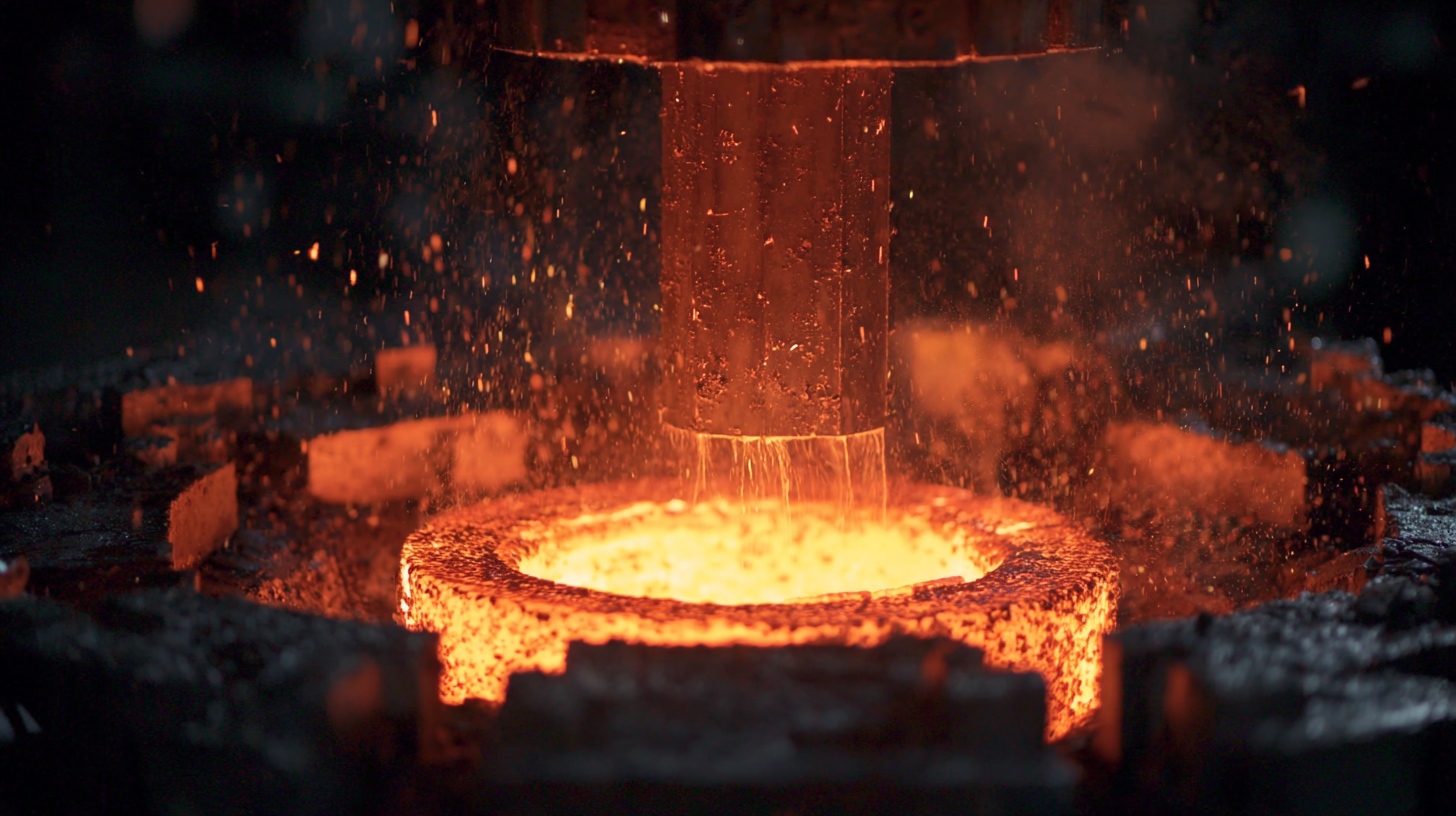
Moreover, precision forging enables better grain refinement in metals, contributing to enhanced performance characteristics. The forging process, when combined with appropriate techniques like die forging or open-die forging, facilitates the alignment of metal grains, leading to a tighter and more uniform structure. This refinement not only increases the durability of the finished product but also allows for superior resistance to fatigue and wear. By investing in advanced forging furnaces and techniques, manufacturers can significantly enhance the quality of their metal components, providing a distinct advantage in both productivity and performance.
Cost Reduction Impact through Efficient Energy Usage in Forging Furnaces
Forging furnaces play a crucial role in enhancing energy efficiency in various industrial applications, significantly impacting cost reduction. The recent analysis of the industrial furnaces market highlights a growing demand for energy-efficient systems which, according to industry reports, can slash operational costs by up to 30%. This energy efficiency not only helps businesses reduce expenses but also lowers their carbon footprint, aligning with global climate action goals, such as the United States’ commitment to reduce greenhouse gas emissions from the steel sector, which alone accounts for 2% of U.S. GHG emissions.
Furthermore, initiatives like the ADEETIE scheme in India are demonstrating a commitment to boosting energy efficiency within the manufacturing sector, allowing small and medium-sized enterprises (MSMEs) to adopt advanced technologies. Reports indicate that the integration of innovative energy-efficient practices in forging processes can lead to substantial savings and improved productivity. As industries continue to navigate the pressures of climate change, the transition to forging furnaces that optimize energy use becomes not just a business strategy but an essential step towards sustainable growth and resource management.
Increasing Production Throughput by Optimizing Heating Cycles
Optimizing heating cycles is crucial in increasing production throughput when using a forging furnace. According to a report from the Forging Industry Association, efficient heating can reduce production times by up to 30%, allowing manufacturers to meet increasing market demands and improve their bottom line. The right temperature profile for different metals can significantly affect the time required for the material to reach the necessary malleability, thus streamlining the overall forging process.
To ensure optimal heating cycles, it's essential to monitor and adjust furnace settings based on the specific properties of the metal being forged. For instance, steel requires a different heating pattern compared to aluminum. Implementing predictive maintenance on furnaces can further enhance their reliability, with studies indicating that regular maintenance can lead to a 20% decrease in energy costs.
Tip: Always assess the thermal efficiency of your furnace regularly and calibrate it to ensure the most effective energy usage. Another tip is to invest in programmable logic controllers (PLCs) that can help automate heating cycles, allowing for quicker adjustments based on real-time data. This not only improves the quality of the forged parts but also maximizes your operational efficiency.
Top 10 Benefits of Using a Forging Furnace for Metalworking Efficiency
Minimizing Waste and Defects with Advanced Forging Furnace Technologies
The advancement of forging furnace technologies has significantly contributed to minimizing waste and defects in metalworking processes. According to a recent industry report by SME, the implementation of high-efficiency furnaces can reduce energy consumption by up to 30%, which directly correlates with a decrease in material waste. By optimizing temperature control and heating rates, modern furnaces ensure a more uniform temperature distribution, which is crucial for achieving precise metallurgical properties.
Furthermore, advanced forging techniques, such as the integration of heat recovery systems and real-time monitoring, have been shown to greatly enhance product quality. A study published by the American Society of Mechanical Engineers (ASME) indicated that manufacturers employing these technologies experienced a 20% reduction in defect rates for forged parts. This reduction not only improves overall efficiency but also boosts customer satisfaction by delivering higher quality products consistently. By investing in advanced forging furnace technologies, companies can not only streamline their operations but also significantly enhance their overall yield.
Boosting Safety and Ergonomics in Metalworking Environments with Furnaces
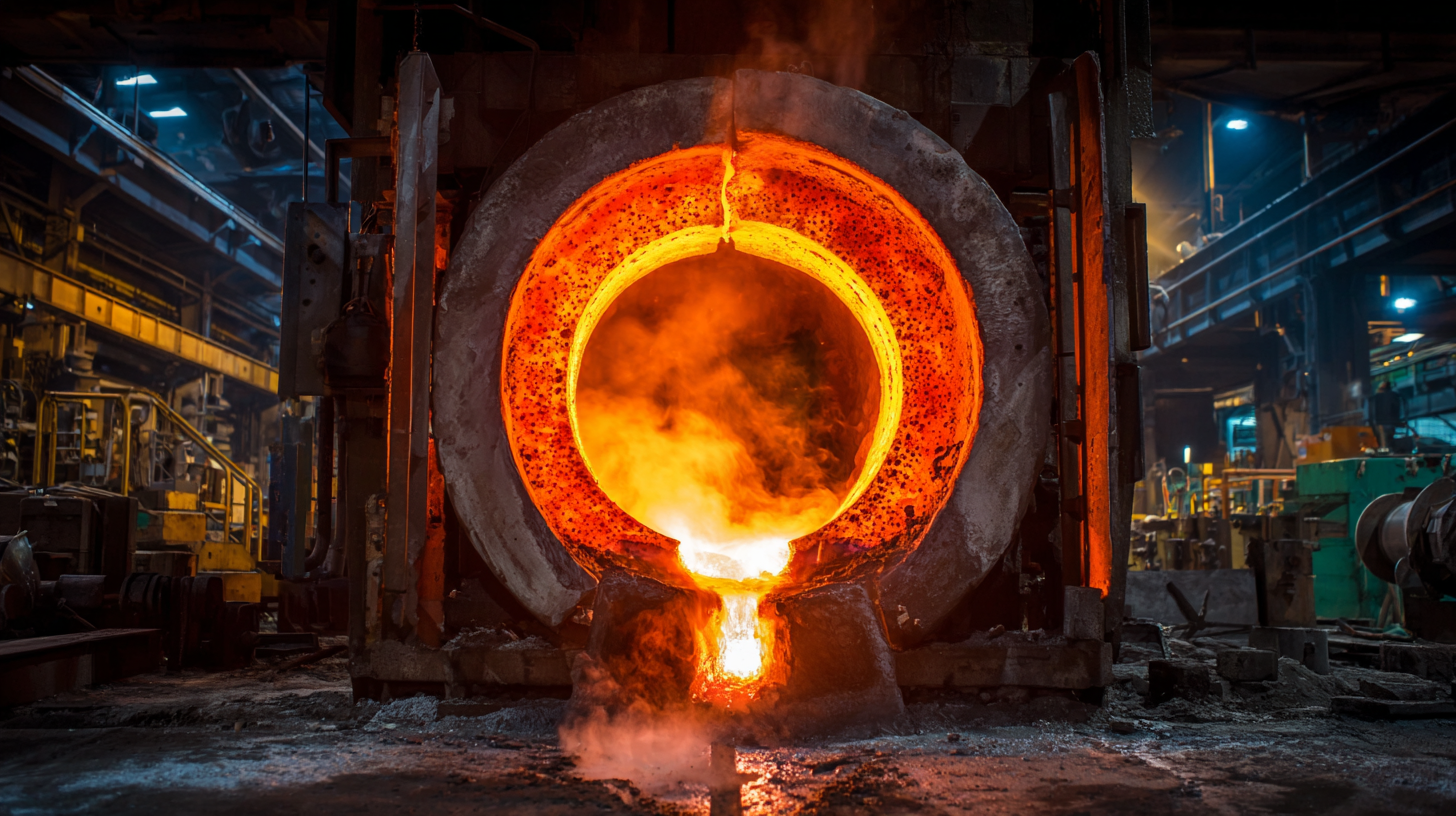
The integration of forging furnaces into metalworking environments significantly enhances safety and ergonomics for workers. One prominent benefit is the reduction of physical strain; research from the American National Standards Institute (ANSI) suggests that ergonomic improvements, such as using proper lifting techniques and reducing repetitive movements, can lower workplace injuries by up to 50%. Forging furnaces allow for the heating of metals in bulk, enabling workers to handle larger materials with less manual manipulation, thereby minimizing fatigue and risk of injury.
Moreover, the use of advanced forging furnaces increases the overall safety of metalworking operations. According to a report by the Occupational Safety and Health Administration (OSHA), environments equipped with automated furnaces have seen a 30% decrease in workplace accidents. Automated controls and improved temperature regulation minimize the risks associated with manual handling of hot materials, ensuring that workers remain at a safer distance from potential hazards. Additionally, investing in proper furnace technology helps maintain consistent heating patterns, which can prevent unpredictable material behavior, further enhancing the safety profile of operations.
FAQS
: The main advantage is the precision in maintaining optimal temperatures, which improves material properties such as increased ductility and reduced brittleness, facilitating easier shaping and reducing defect risks.
These processes minimize energy consumption and waste by preventing overheating or underheating materials, leading to more efficient operations.
Advanced technologies like digital twins can anticipate maintenance needs, reduce downtime, and ensure continuous productivity in temperature-controlled forging processes.
Efficient heating cycles can reduce production times by up to 30%, allowing manufacturers to meet market demands more effectively and improve their financial outcomes.
It ensures optimal heating cycles based on the specific properties of different metals, which affects the time required for the materials to achieve necessary malleability.
Regular maintenance can lead to a 20% decrease in energy costs, enhancing the reliability of the furnaces used in forging.
PLCs are used to automate heating cycles, allowing for quicker adjustments based on real-time data, which improves the quality of forged parts and operational efficiency.
Different metals, such as steel and aluminum, require specific heating patterns to optimize the forging process, highlighting the need for tailored temperature management.
As the industry trends towards automation and intelligent manufacturing, effective temperature management becomes increasingly vital for enhancing overall metalworking practices.
Manufacturers should regularly assess the thermal efficiency of their furnaces and calibrate them to ensure the most effective energy usage in forging operations.
Conclusion
The article "Top 10 Benefits of Using a Forging Furnace for Metalworking Efficiency" highlights the transformative role of forging furnaces in enhancing metalworking processes. Temperature-controlled forging processes improve efficiency by ensuring optimal heating, which in turn enhances the material properties through precision forging techniques. The implementation of efficient energy usage within these furnaces significantly reduces costs, while optimized heating cycles increase production throughput. Furthermore, advanced forging furnace technologies minimize waste and defects, promoting a more sustainable operation.
In addition to efficiency gains, the article emphasizes the importance of safety and ergonomics in metalworking environments. By utilizing modern forging furnaces, companies can create safer working conditions for their employees. Dongguan Hongye Intelligent Equipment Technology Co., Ltd. is at the forefront of this innovation, offering cutting-edge induction heating systems that empower manufacturers to fully realize the benefits of forging furnaces in their production lines.