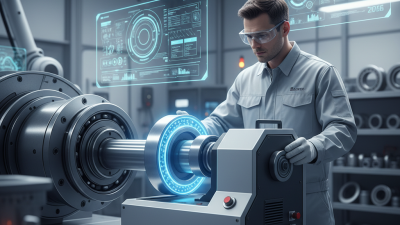
When it comes to mechanical engineering, having the right heating solutions can make all the difference. Companies like SKF and Schaeffler are really leading the charge with some pretty innovative products. One that catches my eye is the Bearing Heater — it’s known for being super effective and reliable, which is a big plus.
Using a Bearing Heater helps you get the temperature just right. It’s crucial because it stops bearings from getting damaged during installation. Plus, when you heat them properly, you reduce friction, which means everything works smoother overall. That said, figuring out the best heating method isn’t always straightforward. You’ve got to think about things like the size and material of the bearings before making a call.
Picking the right method can really impact how often you need to do maintenance. For example, Induction Heating Is pretty popular because it’s fast and efficient. But, not every bearing type is suited for it, so it’s important to weigh your options carefully. As technology keeps moving forward, new factors pop up that we need to keep in mind — it’s all about staying on top of the latest and adjusting our practices accordingly.
Best Bearing Heater Methods for Efficient Heating Solutions
Choosing the right method for heating bearings is critical. Effective heating can avoid damage and ensure proper fitting. Different methods offer unique benefits and limitations.
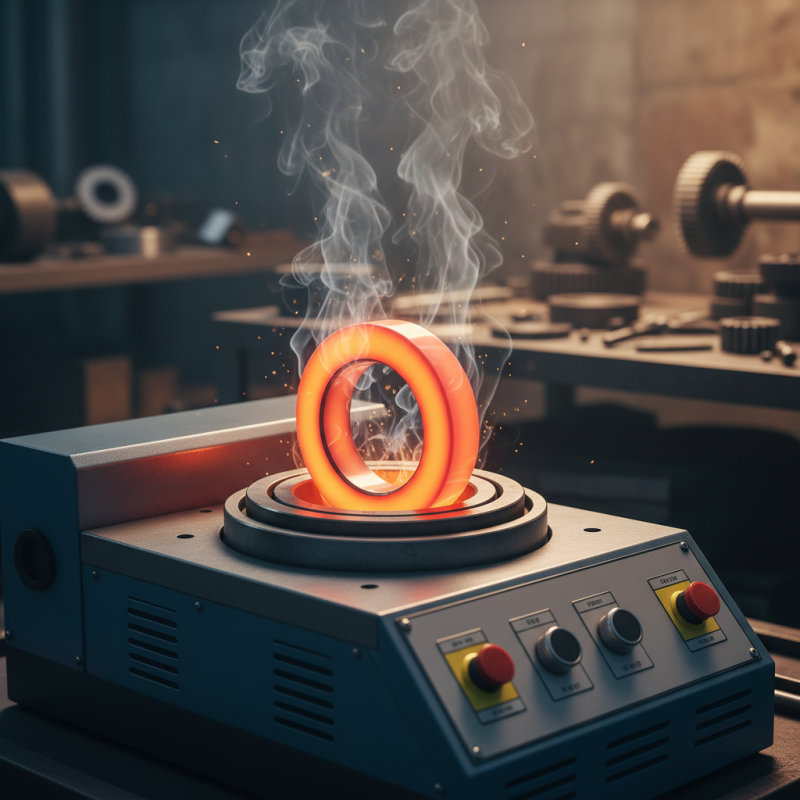
Induction heating is popular due to its speed and efficiency. This method directly heats the bearing through electromagnetic induction, reducing energy consumption. However, users must be cautious about overheating. Accurate temperature control is essential to prevent material damage.
Another effective method is oil bath heating. This approach is gentle and distributes heat evenly. It is less likely to create thermal stress in the bearing. However, it can take longer and requires a dedicated space for the setup. Regular maintenance of the oil is also necessary for consistent results.
In addition, there are resistance heaters. These devices are simple and reliable, transferring heat through direct contact. While effective, they may not be as efficient as other methods. Users need to monitor temperature closely to avoid overheating. Each method has its pros and cons, allowing users to choose based on their specific needs.
Understanding the Importance of Bearing Heating in Mechanical Applications
In mechanical applications, bearing heating plays a crucial role in assembly, maintenance, and overall equipment efficiency. Proper heating methods ensure tight fits during installation, preventing damage to components. A study by the International Journal of Engineering Research notes that improper heating can lead to a 40% increase in installation errors. This statistic highlights the need for effective heating solutions.
Temperature control is vital when heating bearings. Excessive heat can degrade bearing materials, affecting performance. Research shows that heating bearings to a temperature between 80°C and 150°C maximizes expansion while minimizing risk. Many technicians overlook this range. They mistakenly believe that higher temperatures yield better results. Interestingly, excessive heating can reduce the lifespan of bearings by more than 30%.
Choosing appropriate methods for bearing heating is essential. Electric Induction Heaters provide quick and uniform heating. However, some users still rely on manual methods, leading to inconsistent results. The challenge lies in educating users about the risks of inadequate heating practices. Industry experts recommend regular training and updates on best practices to mitigate these risks and improve overall operational reliability.
Best Bearing Heater Methods for Efficient Heating Solutions
| Heating Method | Temperature Range (°C) | Efficiency (%) | Application Suitability |
| Electric Induction Heating | 100 - 200 | 90 | High precision applications |
| Oil Bath Heating | 60 - 150 | 80 | General mechanical use |
| Heat Gun Heating | 50 - 300 | 75 | Small scale operations |
| Infrared Heating | 40 - 250 | 85 | Quick heating applications |
| Resistance Heating | 30 - 220 | 78 | Conventional mechanical heating |
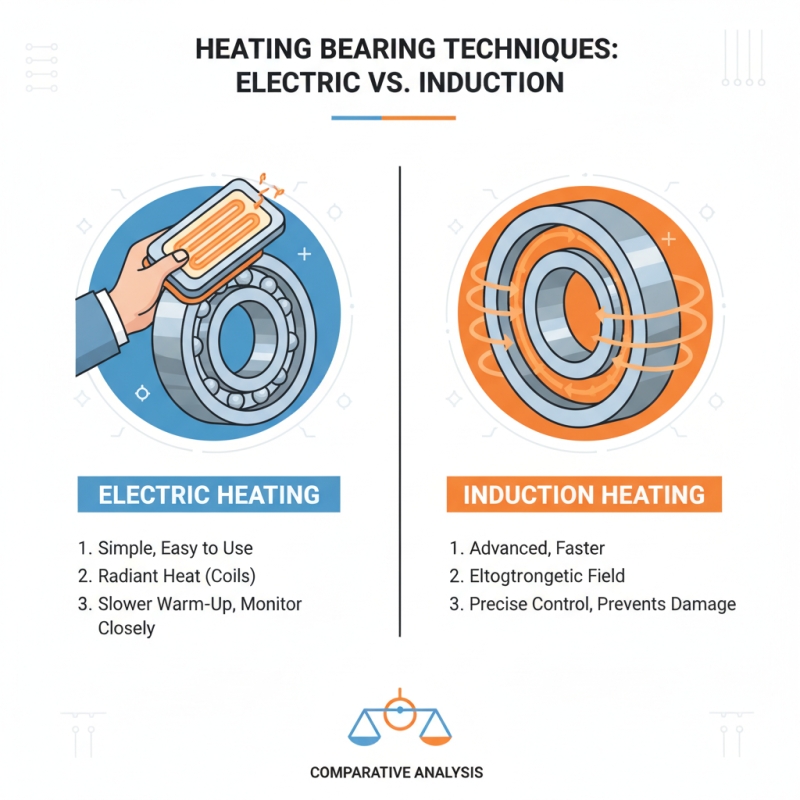
Comparative Analysis of Electric vs. Induction Heating Techniques
When comparing electric and induction heating techniques for bearing heaters, the differences are essential. Electric heaters offer simplicity and easy operation. They use heating elements that radiate warmth over the bearing. This method can take time to reach desired temperatures. Operators must monitor duration closely, as overheating may result in damage to the bearing.
Induction heating, on the other hand, employs a magnetic field to generate heat within the bearing itself. This method is often faster and more efficient. The heating is localized, reducing the risk of overheating surrounding components. However, Induction Heating Systems can be more complex. They might require specialized training to operate properly. The initial investment can be a barrier for some organizations.
Both methods have merits and limitations. The choice often boils down to specific needs. Reco Bearing Heater systems are known for their reliability. Users should consider their production environment and specific requirements carefully to choose the best solution. A thoughtful approach can lead to more efficient operations.
Optimal Temperature Parameters for Bearing Heating Efficiency
The optimal temperature parameters for bearing heating efficiency are crucial in ensuring longevity and performance. Industry reports suggest that heating bearings to a range of 100°C to 120°C is often ideal. At these temperatures, stress on the material reduces, allowing for easier installation. However, exceeding 130°C can lead to material degradation and diminished mechanical properties. It's vital to monitor temperature consistently.
Efficient heating methods, such as using a Small Bearing Heater, help achieve these desired temperatures effectively. These heaters provide controlled heat, preventing hotspots that can adversely affect bearing quality. Regularly calibrating heating equipment ensures accuracy. Many technicians overlook this, which can result in inconsistent performance and increased costs.
Moreover, it's important to be aware of the type of grease used in bearings. The selected grease should withstand higher temperatures, especially when processes exceed recommended limits. A common mistake is not allowing sufficient cooling time after heating. This oversight can lead to premature failures. Adopting these temperature parameters and proper heating methods increases the reliability of machinery operation.
Best Bearing Heater Methods for Efficient Heating Solutions
Key Industry Standards and Regulations for Bearing Heating Methods
When heating bearings, industry standards play a crucial role in ensuring safety and efficiency. Generally, these standards establish specific temperature ranges for heating to avoid damaging the bearing. For example, the typical heating temperature is around 100°C to 120°C. Exceeding these limits can lead to changes in material properties. Establishing clear temperature guidelines helps prevent costly mistakes.
Moreover, regulations often dictate the methods used for heating. Induction heating is commonly preferred in many industries. This method ensures even heating and reduces the risk of overheating. Additionally, some methods require operators to have specific training. Compliance with these requirements ensures safer working conditions and effective heating. These factors underline the need for continuous assessment and adherence to standards.
In practice, there are still challenges. Not all facilities uphold the same standards, which can lead to inconsistencies. Operators might rely on outdated methods, lacking the latest safety protocols. There’s also a need to educate staff on proper heating techniques to enhance overall efficiency. Reflecting on these practices can guide improvements and ensure better compliance with key standards.
Safety Considerations in Bearing Heating Processes
When heating bearings, safety is a paramount concern. Overheating can cause unwanted expansion, leading to mechanical failure. Always monitor the temperature to avoid exceeding recommended limits. Using devices like the Volcano Bearing Heater can help achieve precise temperatures. However, incorrect usage can lead to risks, including burns or even fire hazards.
Proper protective gear is essential. Operators should wear heat-resistant gloves and goggles. A designated heating area minimizes risks of accidental contact. Additionally, regular safety training can reinforce best practices. Operators must be aware of emergency procedures.
Another consideration is the environmental safety of heating methods. Ensure the workspace is well-ventilated. Fumes from some heating processes can be harmful. Always read safety data sheets for materials being used. A critical reflection on equipment maintenance can prevent accidents. Keeping heating tools in good condition is vital, as worn-out equipment can malfunction.
Innovative Technologies Shaping the Future of Bearing Heating Solutions
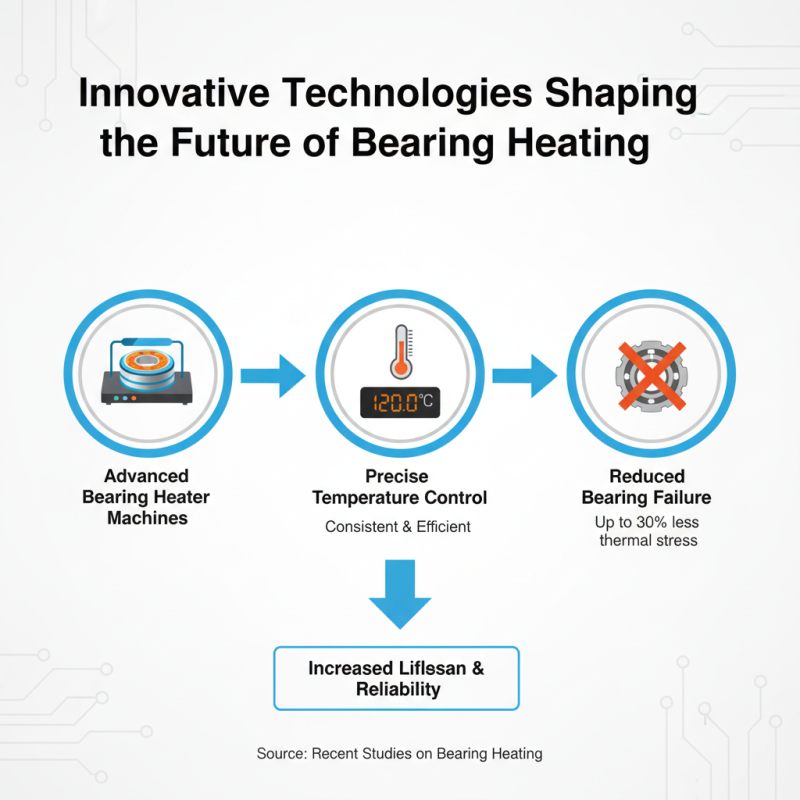
Innovative technologies are revolutionizing bearing heating solutions, including the development of advanced Bearing Heater Machines. These machines use consistent and efficient methods to achieve optimal heating. Recent studies show that improper heating can lead to increased failure rates, with up to 30% of bearings failing prematurely due to thermal stress. Innovations help mitigate this issue by ensuring precise temperature control.
One notable advancement is the integration of smart sensors into heating devices. These sensors monitor the temperature in real-time, helping operators adjust parameters accordingly. This technology increases efficiency by reducing energy waste and minimizing overheating risks. According to a report, companies adopting smart heating systems have reported up to a 25% decrease in energy consumption.
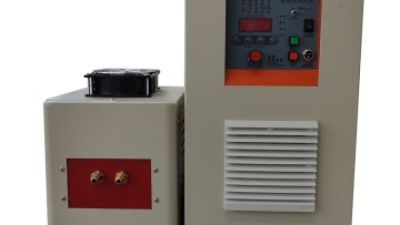
Another emerging trend is the use of induction heating technology. Compared to traditional methods, induction heating offers rapid and uniform heating. It eliminates the need for direct flame or oil baths, reducing safety risks in industrial environments. This method can also achieve heating times that are 50% faster. However, challenges remain, such as the initial costs and the need for training personnel to operate advanced equipment effectively. Embracing these innovative solutions can pose a steep learning curve but promises significant long-term benefits.
Optimizing Motor Assembly with Industrial Induction Heaters for Efficient Rotor and Shell Fitting
In the realm of motor assembly, achieving precise rotor and shell fitting is critical for overall performance and durability. An industrial induction heater offers a reliable solution for this task, facilitating the efficient hot fitting process essential for modern manufacturing. By promoting controlled and uniform heating, these advanced systems allow for the expansion of essential motor components—such as rotors, bearings, or housings—without the risk of thermal distortion. This precision minimizes the likelihood of damage and enhances the integrity of the assembly, ensuring a robust final product.
The main advantage of utilizing an industrial induction heater lies in its ability to provide significant thermal efficiency. This technology ensures that components reach the necessary temperatures in a quick and consistent manner, allowing for seamless interference-fit installations. By reducing the time required for preheating and eliminating uneven heat distribution, manufacturers can improve production rates while maintaining the quality of the assembly process. The durability and performance of these induction heating systems make them indispensable tools in achieving optimal results in motor assembly, paving the way for advancements in industrial applications.
FAQS
: Electric heating is simple and straightforward, while induction heating generates heat within the bearing quickly.
Electric heaters use heating elements that radiate warmth over the bearings to gradually reach desired temperatures.
Electric heating requires close monitoring to avoid overheating, which can damage the bearings.
Induction heating is faster and more efficient, with localized heating that reduces overheating risks.
Induction systems can be complex and may require specialized training for proper operation.
Industry reports suggest heating bearings to 100°C to 120°C for optimal performance and longevity.
Exceeding 130°C can degrade material properties, leading to potential failures.
Many overlook the importance of calibrating heating equipment, which can cause inconsistent performance.
Insufficient cooling can lead to premature failures in mechanical components.
The right grease must withstand high temperatures to ensure reliable performance during heating processes.
Conclusion
The article "Best Bearing Heater Methods for Efficient Heating Solutions" explores various techniques for effective bearing heating in mechanical applications. It emphasizes the significance of proper bearing heating, highlighting how it enhances performance and longevity of components. A comparative analysis of electric and induction heating methods is presented, showcasing their respective advantages and applications.
Furthermore, the article discusses optimal temperature parameters that ensure efficient bearing heating while adhering to key industry standards and regulations. Safety considerations are paramount in the heating processes, ensuring that methods employed do not compromise operational integrity. Lastly, it touches on innovative technologies that are shaping the future of bearing heating solutions, aiming to improve efficiency and reliability in mechanical systems. Overall, understanding these aspects of bearing heaters is vital for achieving effective heating solutions in various industrial contexts.