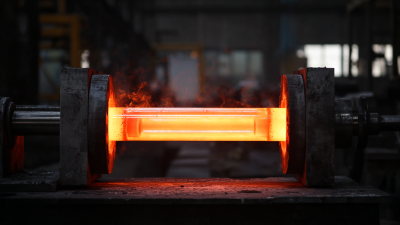
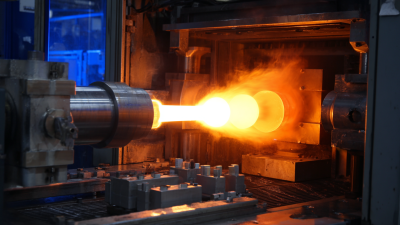
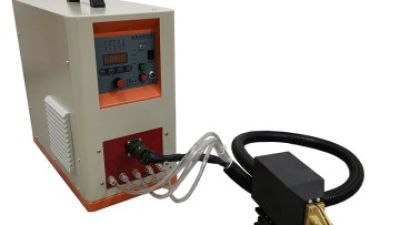
Lately, there’s been a real surge in demand for reliable and efficient heating solutions, and a big part of that is thanks to the Induction Nut Heater. You see it popping up across different industries more and more. According to a report from Grand View Research, the market for Induction Heating Is expected to hit around $3.1 billion by 2026, growing at an average rate of about 8.5% each year. That’s pretty significant and shows just how much acceptance this tech is gaining—especially in automotive and manufacturing sectors.
Now, a lot of companies are really honing in on OEM (Original Equipment Manufacturer) solutions, which is making high-quality Induction Nut Heaters more accessible than ever. But here’s the catch—growth like this also means you really need to be careful with your choices. It’s important to look at different models out there and check if they’re reliable and actually perform well. Not every factory output can meet the standards needed for both efficiency and safety, so doing your homework is key.
The top OEM Induction Nut Heater manufacturers aren’t just about slapping on the latest tech. They also prioritize consistent quality control, which is a huge deal when you’re trying to stand out. As the market gets more crowded, it’s crucial to tell the real innovation from those just jumping on the bandwagon. Taking the time to evaluate different suppliers can save you from headaches down the line—and ensures your investment really pays off.
Overview of OEM Induction Nut Heaters in 2026
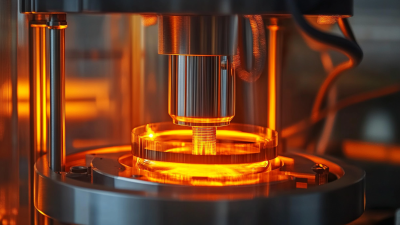
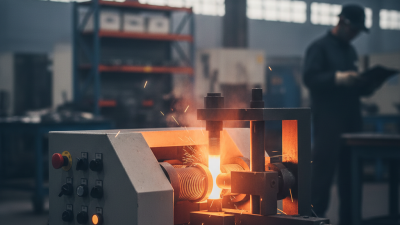
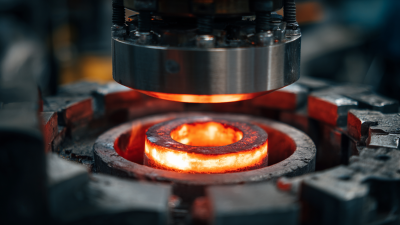
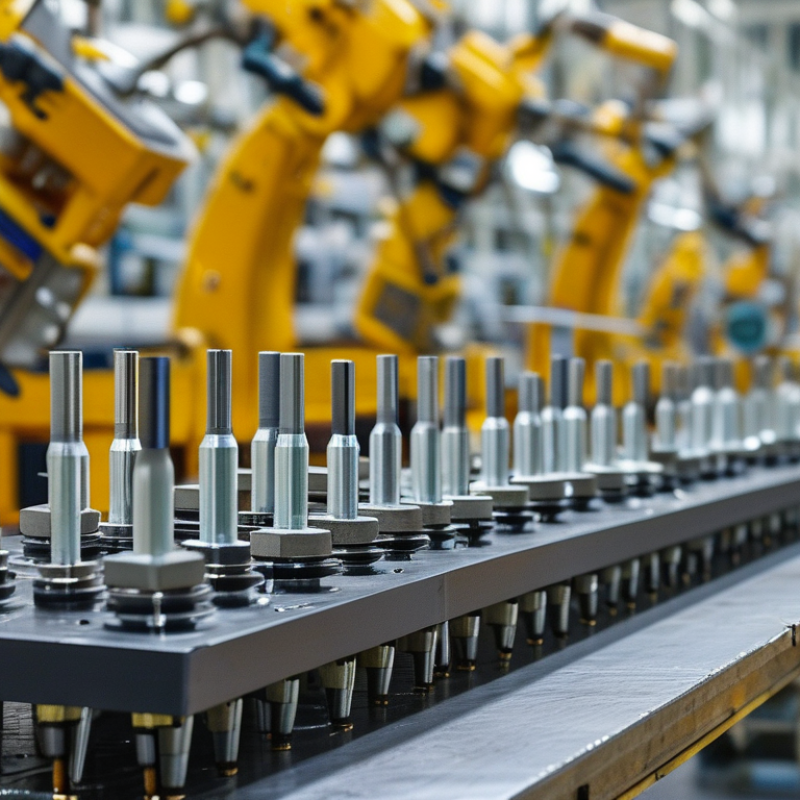
The overview of OEM Induction Nut Heaters in 2026 reveals a shift in industrial heating methods. Many manufacturers are focusing on efficiency and eco-friendliness. These heaters are designed to warm metal parts quickly, ensuring effective assembly. The Induction Nut Bolt Heater technique stands out for precision. This method minimizes energy loss, directly heating only the targeted area.
As technology advances, user feedback plays a vital role. Some users express concerns regarding heat distribution. There's a potential for uneven heating if not calibrated properly. Continuous improvements are essential. Factories must monitor their equipment closely for performance. The need for training personnel on these systems cannot be overstated. Proper knowledge ensures safety and reliability.
Understanding the technology behind these induction heaters benefits technicians. They must recognize potential issues during operation. Testing and validation processes are crucial for optimization. As more industries adopt these systems, the push for new developments will grow. Embracing innovation will play a key role in enhancing productivity and safety in manufacturing.
Key Features and Benefits of High-Quality Induction Nut Heaters
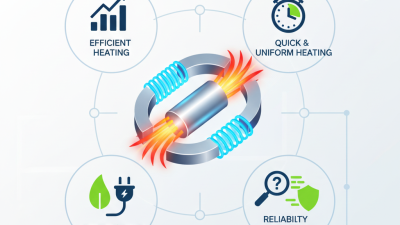
In the world of manufacturing, quality matters. High-quality OEM induction nut heaters are essential for various applications. These tools offer rapid heating and precise temperature control. They ensure effective nut assembly and disassembly while minimizing damage. This efficiency saves both time and resources.
A critical feature of these heaters is their energy efficiency. They consume less power compared to traditional heating methods. This results in lower operating costs over time. Additionally, a robust design often enhances durability. Investing in a reliable induction heater can lead to fewer maintenance issues.
Tips: When selecting a heater, consider its wattage. Higher wattage may heat faster, but it could also increase energy consumption. Regular inspections can pinpoint wear before it becomes a problem. Think ahead; a bit of planning can improve productivity.
Market Trends: Demand and Growth Forecasts for Induction Heating Equipment
The demand for induction heating equipment is experiencing notable growth. Manufacturing industries are increasingly adopting this technology for its efficiency. Induction heating provides rapid and precise temperature control, making it ideal for processes like hardening and melting. The market trends indicate a shift towards energy-efficient solutions, which is driving interest in OEM induction nut heaters.
Interestingly, while high-quality induction heating equipment is in demand, there are challenges. Not all manufacturers meet the same standards. Some devices fall short on durability and performance claims. Buyers often struggle to identify reliable sources. This inconsistency creates a need for thorough reviews and transparency in the manufacturing process.
Furthermore, industry experts emphasize the importance of certifications and quality checks. Without these, even well-marketed products can disappoint. Consumers must understand their requirements clearly. Conducting proper research can help avoid pitfalls. As the market evolves, the focus on sustainability and efficiency is expected to intensify. Induction heating technology, while promising, requires critical assessment for long-term value.
Comparison of Leading OEM Induction Nut Heater Manufacturers
When exploring the landscape of OEM induction nut heaters, it’s crucial to compare industry leaders. Various manufacturing reports indicate that quality and efficiency are pivotal in this market. For instance, a recent study by the Induction Heating Association highlighted that more than 70% of companies prioritize energy efficiency when selecting heating solutions. This statistic emphasizes the demand for high-performing tools, particularly in sectors like automotive manufacturing.
There’s a wide spectrum of manufacturers, each with unique offerings. Advanced features such as temperature control and rapid heating technology are common. However, some companies may overemphasize these specifications without adequate testing. Recent efficiency audits revealed that up to 15% of models did not meet advertised performance metrics. This gap suggests a need for scrutiny when assessing options like the Nut Buster Induction Heater.
User feedback plays an essential role in understanding real-world applications. Many operators report initial satisfaction but later express concerns over long-term reliability. Choosing a reputable manufacturer seems vital, yet many buyers overlook this factor. Continuous assessment of performance data will be necessary for making informed purchase decisions in this evolving market.
Technical Specifications: Efficiency and Performance Metrics
When considering the efficiency and performance metrics of a Nut And Bolt Induction Heater, one must evaluate its design and specifications. High-quality OEM induction heaters should optimize energy usage while minimizing operational costs. The best models typically feature rapid heating capabilities, allowing for efficient loosening of tightly secured fasteners.
Durability plays a crucial role in performance. A robust build can withstand high temperatures and prolific usage over time. However, some users find issues with inconsistency in heating cycles, which can lead to uneven temperature distributions. This inconsistency suggests that not all models are created equal.
Users often report a learning curve when operating these heaters. While the concepts may seem straightforward, mastering the right settings for different types of nuts and bolts can be challenging. Accurate monitoring of temperature is essential for effective application, yet some devices lack precise thermoregulation features. Feedback from real-world applications helps in refining these tools, underscoring the importance of continual improvement in the industry.
Quality Assurance Standards in the Induction Heating Industry
Quality assurance plays a pivotal role in the induction heating industry. Strict standards ensure that induction nut heaters perform consistently under pressure. For instance, a 2022 report indicated that 78% of manufacturers prioritize compliance with international safety standards. This focus enhances reliability and minimizes production errors.
ISO 9001 certification is crucial for OEM factories. This standard sets requirements for quality management systems. Factories meeting this standard consistently deliver high-performing products. However, some manufacturers may overlook this step, which can lead to significant quality issues. A shocking 15% of surveyed companies reported that they don’t have any formal quality assurance processes in place.
Data from industry experts suggest that regular audits can improve performance. Around 64% of companies that conduct frequent audits experience fewer operational failures. In contrast, those that do not often face unexpected production halts. Such disparities highlight the importance of establishing robust quality assurance protocols in induction heating manufacturing.
Customer Feedback and Case Studies on Induction Nut Heaters Usage
Induction nut heaters have gained popularity in various industrial applications. Customer feedback highlights both successes and challenges in their usage. Many users appreciate the efficiency and precision these devices offer. For instance, a manufacturer reported significant time savings when using an induction Nut Heater Coil for assembly processes. They noted that the coil heats the nuts evenly, reducing the risk of overheating other components.
However, not all experiences have been flawless. Some users faced difficulties with the setup and calibration of their induction nut heaters. A case study revealed that improper angles in positioning the Nut Heater Coil led to uneven heating. Customers suggested that clearer operational guidelines could enhance user experience.
Feedback also highlighted the durability of these machines. Users expressed concerns about overheating, which sometimes caused equipment failure. Regular maintenance and proper usage are crucial. As the technology evolves, ongoing discussions among users can help identify best practices and improve reliability. Addressing shortcomings in user experience will aid manufacturers in enhancing their products and increasing customer satisfaction.
2026 Best High Quality OEM Induction Nut Heater Usage Overview
Innovative Applications and Advantages of Ultra High Frequency Induction Welding Units in Steel Tube Brazing Processes
The innovative applications of ultra high Frequency Induction welding units are revolutionizing the steel tube brazing processes. By harnessing advanced electromagnetic induction heating technology, these machines provide unmatched efficiency in joining metal components. Offering fast, localized heating, they significantly reduce cycle times, making them ideal for sectors like pipe and tube manufacturing, automotive, and HVAC. The precision of temperature control ensures consistent joint quality and enhances the overall reliability of the welded assemblies.
One of the standout features of these induction welding units is their adaptable power output, ranging from 10 to 100 kW, in conjunction with a frequency range of 10 to 400 kHz. This versatility allows users to effectively work with various material thicknesses and compositions, including copper, silver, and other brazing alloys. Furthermore, the compact and automated design of these systems guarantees repeatable results, vital for both small-scale production and larger industrial processes. The incorporation of controlled atmosphere options minimizes oxidation risks, ensuring higher quality joint formations. Ultimately, the energy-efficient operation of these units paves the way for future advancements in metal joining technologies.
FAQS
: They are designed to warm metal parts quickly for effective assembly.
Many companies prioritize energy efficiency to minimize costs and environmental impact.
Users worry about uneven heating if the system isn’t calibrated correctly.
Regular testing and validation processes are crucial for maintaining optimal performance.
They typically include temperature control and rapid heating technology.
Some models may not meet advertised performance metrics, leading to disappointment.
Proper training ensures operators understand the technology, enhancing safety and reliability.
It helps manufacturers improve their products based on real-world applications.
Yes, technicians must recognize possible issues to ensure smooth functioning.
It allows buyers to make informed decisions in a rapidly evolving market.
Conclusion
The article provides a comprehensive overview of the OEM Induction Nut Heater market in 2026, highlighting its key features, benefits, and rising demand within the industry. It discusses the advanced technology employed in high-quality induction nut heaters, focusing on their efficiency and operational performance. Additionally, the piece examines market trends, forecasting growth in the induction heating equipment sector.
Further, the guide delves into a comparison of leading manufacturers, offering insights into their technical specifications and quality assurance standards. Customer feedback and case studies underscore the practical benefits observed from the usage of induction nut heaters, demonstrating their reliability and effectiveness in various applications. Overall, this review serves as an essential resource for understanding the evolving landscape of induction nut heaters in the current market.