request to quote
Leave Your Message
0%

People all around the world are really looking for better, more efficient ways to heat things up. And one technology that’s been catching a lot of attention is the Induction Heating Element. It’s kind of become the go-to for lots of different applications because it heats things up quickly and doesn’t waste energy. That's pretty appealing no matter what industry you're in.

Companies like Inductoheat and Ambrell are leading the charge with pretty advanced induction heating systems. Their products show just how flexible and effective induction heating technology can be. But here’s the thing — not every option will be right for every situation. You really need to think about what your specific needs are, like how much power you need and what exactly you’re trying to heat.

Picking the right Induction Heating Element isn’t just a simple choice; it takes some know-how. If you get it wrong, performance might suffer, and nobody wants that. When you’re choosing a supplier, it’s super important to focus on quality and reliability. Good manufacturers usually provide detailed specs and support, which can make a big difference. Taking the time to evaluate all these factors will help you find the best heating solution for your needs without too much hassle.
Best Induction Heating Elements for Global Buyers to Consider?

Best Induction Heating Elements for Global Buyers to Consider

When selecting Induction Heating elements, precision is key. Buyers need to understand various aspects of these devices. Induction heating offers rapid heating with energy efficiency. It is essential to consider the material compatibility, as not all metals respond equally. Aluminum and copper are popular choices for effective heating. However, certain alloys may perform poorly. Each application's requirements fluctuate, affecting the selection process.

Choosing the right element involves assessing power ratings. Higher wattages can heat more quickly but may require more energy. Buyers should also reflect on the size and configuration of their systems. Size influences the heating area. Compact elements might not always deliver the desired results for larger applications. Furthermore, durability is crucial; elements must withstand repeated use and varied temperatures.

Despite advancements, challenges remain. Not all induction heating elements provide consistent results over time. Some may degrade faster than expected. This inconsistency can lead to inefficiencies in industrial processes. Buyers should seek reliable suppliers and examine user reviews. Testing different options before finalizing a choice may provide better clarity. The commitment to quality cannot be overlooked when aiming for optimal performance.

Understanding Induction Heating Technology and Its Advantages

Induction heating technology has become a game changer in various industries. It utilizes electromagnetic fields to generate heat within conductive materials. This method is both efficient and precise, making it ideal for applications like metal hardening and cooking. One major advantage is speed; Induction Heating Is faster than traditional methods. The heat is generated directly in the material, which leads to reduced energy consumption and minimal heat loss.

Induction Heating Is also known for itssafety features. There are no open flames or hot surfaces. This lowers the risk of burns and accidents. However, it is important to consider the design of the induction heating elements. Poorly designed units can lead to inconsistent heating and operational issues. Buyers should carefully assess manufacturers based on their engineering quality and customer feedback. Striking a balance between cost and performance is also key.

Moreover, not all materials respond equally to induction heating. For example, ferrous metals heat up quickly, while non-ferrous metals can be slower. This variability requires an understanding of both the material and the technology involved. Induction heating is indeed a powerful tool, but its effectiveness hinges on informed decisions regarding equipment and materials.

Factors to Consider When Choosing Induction Heating Elements

When selecting the best induction heating elements, several factors come into play. One critical aspect is the power range. Induction heating applications often require elements that operate within specific wattage. According to a report by ResearchAndMarkets, the market for induction heating systems is expected to grow at a CAGR of 8.1% from 2022 to 2027. Buyers should assess their energy needs carefully.

Another important consideration is the compatibility of materials. Not all induction heating elements work equally well with all metals. Ferrous materials respond better to induction heating. However, non-ferrous materials may require specialized coils. This differentiation can affect efficiency and heating times. A recent study highlighted that efficiency rates can vary from 70% to over 90%, depending on material properties.

Finally, installation requirements should not be overlooked. Some heating elements may require specific setups that experts should handle. Complications can arise during installation, leading to inefficiencies. It is essential to ensure that installation processes are straightforward, avoiding potential pitfalls and ensuring safety. A proper understanding of these factors will lead to more informed decisions when purchasing induction heating elements.

Best Induction Heating Elements for Global Buyers to Consider

Heating Element Type Power Rating (kW) Frequency Range (kHz) Cooling Method Efficiency (%) Applications
Coil Inductor 1.5 20-80 Air Cooling 85 Metal Hardening
Ferrite Core 3.0 10-50 Water Cooling 90 Melting Applications
Induction Stove Element 2.0 30-80 Air Cooling 92 Cooking
Industrial Induction Heater 5.0 20-80 Water Cooling 95 Heat Treatment

Top Brands Offering High-Quality Induction Heating Elements

Best Induction Heating Elements for Global Buyers to Consider?

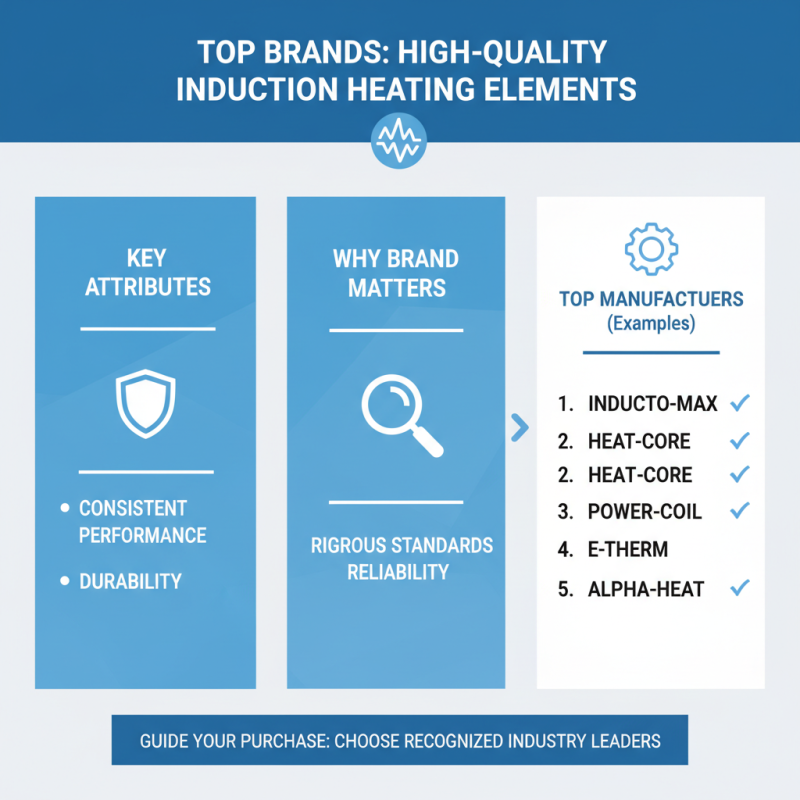
When exploring high-quality induction heating elements, buyers should focus on top brands recognized in the industry. Studies indicate that effective induction heating relies on consistent performance and durability. Not every manufacturer meets rigorous standards. Understanding the differences can guide purchasing decisions.

Hf Induction Heating technology has gained traction due to its efficiency. Reports show a growing demand, with market projections estimating growth rates of over 6% annually. This growth highlights the importance of selecting reliable manufacturers. Quality elements lead to better energy consumption and performance.

Some brands excel in producing induction heating coils, with varying designs tailored for specific applications. However, not all products deliver equal results. Potential buyers should assess the specifications and reviews. Understanding warranties and customer service can also reflect a brand's reliability. Investing time in research can yield more efficient and effective heating solutions.

Comparative Analysis of Different Induction Heating Element Types

Induction heating elements are vital in various industrial applications, including cooking and metal processing. There are several types of induction heating elements available, each with distinct advantages and limitations. For instance, ferrite cores are known for their efficiency in low-frequency applications, but their performance diminishes at higher frequencies. Research indicates that ferrite cores can achieve up to 90% efficiency in specific conditions, yet they fall short in power handling capabilities.

On the other hand, copper coils are commonly used in high-performance systems. They offer excellent conductivity, contributing to faster heating times. However, their susceptibility to oxidation can lead to reduced lifespan and efficiency. Industry reports suggest that systems using copper elements can operate at efficiencies exceeding 95%, making them favorable in demanding environments. Yet, the cost of maintenance might offset these benefits.

Lastly, ceramic-based induction elements have emerged as a reliable option. They provide durability and resistance to thermal stress. Nevertheless, their initial cost is often higher than other materials. Some studies show that ceramic elements can operate efficiently at higher temperatures, but their performance can vary based on application specifics. Users must weigh these factors before making a decision.

Sustainability and Energy Efficiency in Induction Heating Solutions

In the evolving landscape of manufacturing, induction heating is making waves. Many global buyers prioritize sustainability and energy efficiency in their selection process. According to a report by the International Energy Agency (IEA), induction heating can be up to 30% more efficient than traditional heating methods.

One notable aspect of induction heating is its ability to minimize heat loss. This concentrated heating method can drastically reduce energy consumption during production. A recent study highlighted that manufacturers implementing induction technology have reported energy savings of up to 50%. These figures are compelling, particularly as industries seek to lower their carbon footprints.

However, challenges persist. The high initial investment cost often deters some buyers. There is also a learning curve; staff may require additional training in handling new equipment. As companies navigate these hurdles, they must weigh the long-term benefits against short-term investments. Induction heating technology has the potential to advance sustainability goals significantly, but the path forward requires thoughtful consideration.

Customer Reviews and Testimonials: What Users Say About Their Choices

Customer reviews often provide valuable insights about induction heating elements. Users frequently praise the efficiency of Rf Induction Heating, emphasizing its quick cooking times. Many reported reduced energy bills as a significant benefit. Data from recent surveys indicates that nearly 72% of users preferred induction heating for its precise temperature control. This feature allows for better culinary outcomes, making it popular among home cooks and professionals alike.

However, not every user experiences smooth sailing. Some complaints highlight difficulties with installation and compatibility. A portion of users found the initial cost to be off-putting. A report noted that over 40% of buyers were concerned about the learning curve associated with using induction cooking. The transition from traditional methods can be frustrating but ultimately rewarding.

Safety is an area where users feel strongly. Reviews frequently mention the cool-to-touch surface as a game changer. This feature reduces burn risks, especially for families with children. While many rave about this safety aspect, some users still worry about the durability of glass surfaces. These considerations reflect the diverse experiences users encounter, prompting potential buyers to carefully evaluate their choices.

Best Induction Heating Elements: User Ratings

Unlock Your DIY Potential: Exploring the Versatility of the 3-5 KW Heat Induction Heater and Handheld Soldering Machine

Unlock Your DIY Potential: Exploring the Versatility of the 3-5 KW Heat Induction Heater and Handheld Soldering Machine

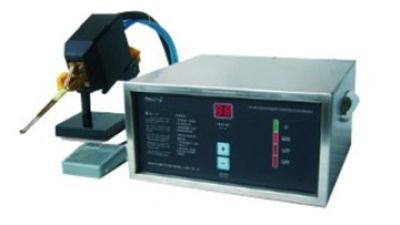
For DIY enthusiasts and electronic repair engineers, mastering the art of heating metal components safely and effectively is essential. The innovative portable UHF electromagnetic induction heater rises to this challenge. This handheld brazing equipment is specifically designed to provide a fast, accurate, and energy-efficient heating solution. Utilizing advanced high-frequency electromagnetic induction technology, it has the unique ability to heat metal parts in mere seconds, making it ideal for various applications, including brazing, annealing, and desoldering.

The versatility of this low-power induction heating machine makes it a valuable addition to any toolkit. It streamlines the repair process by eliminating the often cumbersome and dangerous methods associated with traditional flame heating. With its compact design, this machine brings convenience right to your workspace, allowing for precise control over heat application without the risk of accidental burns or fire hazards. Whether you’re tackling a simple DIY project or engaging in more complex industrial tasks, this equipment empowers you to achieve professional-quality results in a safe and efficient manner.

FAQS

: What are the main types of induction heating elements?

: The主要类型有ferrite cores, copper coils和ceramic elements。这些元素各有优缺点。

How efficient are ferrite core induction elements?

Ferrite cores can achieve up to 90% efficiency in specific conditions, but performance drops at higher frequencies.

What are the advantages of using copper coils?

Copper coils offer excellent conductivity and fast heating times, with efficiencies often exceeding 95%.

Are there drawbacks to copper coils?

Yes, they are susceptible to oxidation, which can reduce lifespan and efficiency, leading to higher maintenance costs.

Why might someone choose ceramic-based induction elements?

Ceramic elements provide durability and resistance to thermal stress, making them suitable for high-temperature applications.

What is a common concern regarding ceramic elements?

Their initial cost is often higher compared to other materials, which may deter some users from choosing them.

What do users say about the cooking experience with induction heating?

Many users praise quick cooking times and precise temperature control, but installation issues can arise.

What safety features do users appreciate in induction heating?

Users like the cool-to-touch surface that reduces burn risks. However, some worry about the durability of glass surfaces.

What challenges do new users face when switching to induction cooking?

The learning curve can be frustrating for many. Over 40% of buyers have reported concerns about this transition.

How do user experiences vary with induction heating elements?

Experiences vary widely. While some enjoy efficiency, others face challenges with installation and costs, needing careful consideration.

Conclusion

The article "Best Induction Heating Elements for Global Buyers to Consider" delves into the intricacies of induction heating technology, outlining its numerous advantages, such as speed, precision, and energy efficiency. It also emphasizes the importance of understanding the key factors consumers should evaluate when selecting an induction heating element, including power ratings, compatibility, and material quality.

In addition to exploring the various types of induction heating elements available, the article stresses the significance of sustainability and energy efficiency in modern heating solutions. Customer testimonials provide insight into user experiences, highlighting the satisfaction and practicality of different options in real-world applications. This comprehensive guide serves as a valuable resource for global buyers looking to make informed decisions in their induction heating purchases.
Emily

Emily

Emily is a dedicated marketing professional at Dongguan Hongye Intelligent Equipment Technology Co., Ltd. (HYET), a national high-tech enterprise founded in 2005. With extensive knowledge and expertise in induction heating systems, she plays a crucial role in promoting the company's innovative......
Previous Best Heat Treatment Methods for Efficient Industrial Processes?