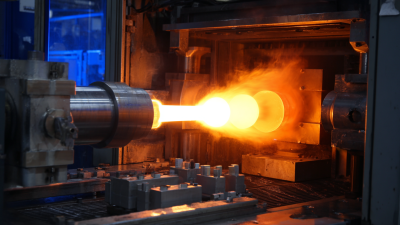
induction heating machines are pretty much essential when it comes to heating metals efficiently. Basically, they use electromagnetic induction to quickly and accurately generate heat—it's like magic, but science! You'll find these devices being used across a bunch of industries, especially for processing metals like steel and aluminum. Big names like Inductotherm and Ajax Tocco have really pushed the envelope, making these machines better and more reliable.
What makes an induction heating machine so effective is the technology behind it. It heats just the material itself, so there's less wasted energy—nobody likes throwing power away, right? People often rave about how fast and precise these machines are, which makes them super popular for different heating jobs. That said, not all machines perform equally well. Spending some time researching different models is definitely worth it—to find the perfect fit for your needs, especially when it comes to ore smelting or mineral processing.
Picking the right induction heater isn’t just about one thing. You’ll want to consider things like power output, the frequency it operates at, and how it’s built. Skipping over these details can lead to some serious headaches down the line—like ending up with a machine that doesn’t quite do the job. Plus, people sometimes forget to look at important features, which can actually impact productivity. So, understanding what to look for can really save you from making mistakes and help you choose a machine that checks all the boxes and performs reliably.
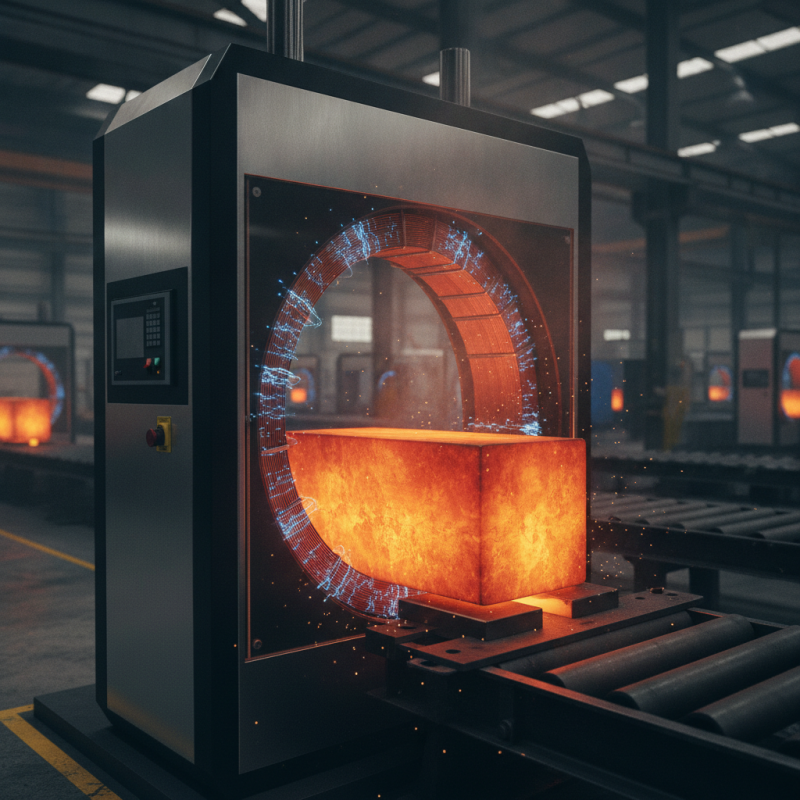
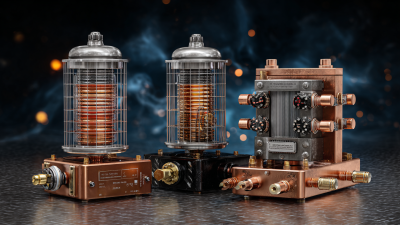
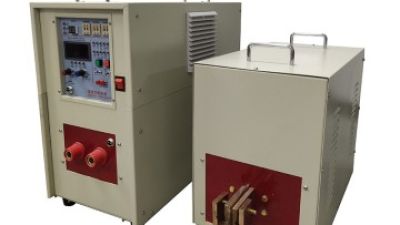
Induction heating machines are widely used for efficient metal heating in various industries. Understanding the types available can help you choose the right one for your needs. There are several types of induction heating machines, including tabletop units, industrial models, and portable devices. Each type has its unique features and applications.
Tabletop induction machines are popular for small-scale operations. They are user-friendly and ideal for prototypes or small productions. On the other hand, industrial models offer higher power and efficiency for large-scale operations. They can handle heavier metals and are often used in manufacturing. Portable devices are also gaining popularity due to their convenience and flexibility.
Tips: When choosing an induction heating machine, consider the power specifications. Ensure it matches your heating requirements. Safety is crucial; always use protective gear, and maintain a clean workspace. Regular maintenance is essential to prolong the machine’s life. It's also helpful to test different settings before starting the production run.
Choosing the right induction heating machine is crucial for efficient metal heating. When assessing options, consider the power output. Machines with higher wattage heat metals faster. This is essential for industries requiring quick turnaround times. Efficiency in energy consumption is also a key factor. Look for models that utilize energy effectively, reducing waste and operating costs.
Monitoring temperature control is vital. Precise temperature regulation helps prevent overheating, which can damage materials. Machines with advanced digital interfaces allow better adjustments. This feature enhances safety and improves the overall heating process. Additionally, evaluate the machine's portability. Some operations may need mobility, so a lightweight design can be beneficial.
Tips for effective use include regularly checking connections. Loose connections can lead to efficiency loss. Always ensure the induction coils are clean. Dirty coils can cause uneven heating. For those interested in sourcing machines, connect with an Induction heating machine supplier for reliable options. They often provide valuable insights on the newest technologies.
Keep in mind the importance of maintenance. Regular servicing extends the machine's lifespan and maintains its efficiency. Consider the ease of replacement parts. Some machines have readily available components, while others do not. This can affect long-term operational efficiency.
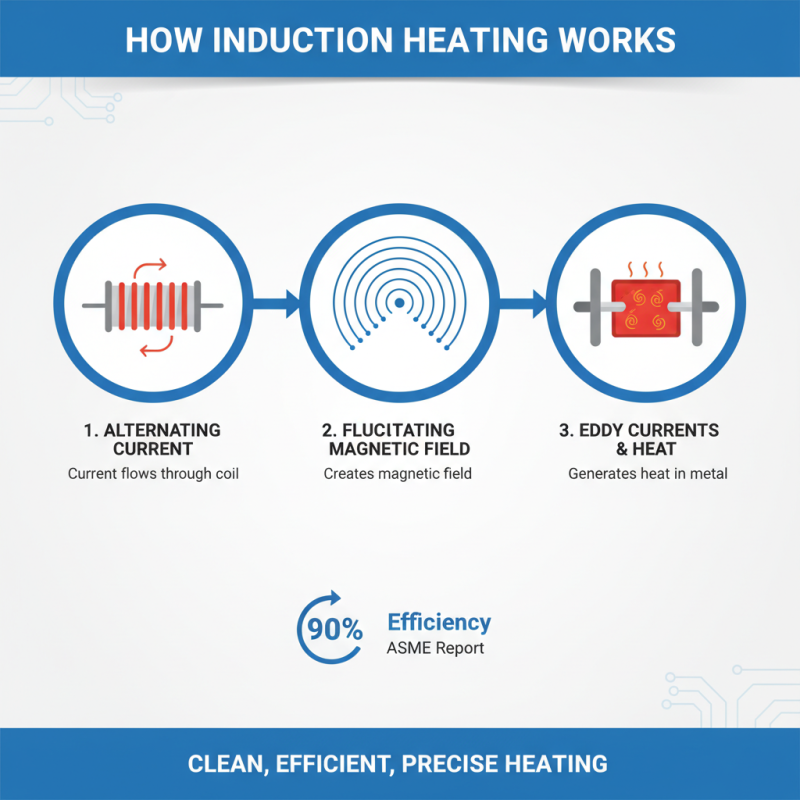
Induction heating employs electromagnetic fields to generate heat directly within metals. This process starts when an alternating current flows through a coil, creating a fluctuating magnetic field. As a conductive material enters this field, electric currents, known as eddy currents, generate heat within the metal. According to a report by the American Society of Mechanical Engineers (ASME), this method can achieve efficiencies up to 90%, making it a preferred choice for various applications.
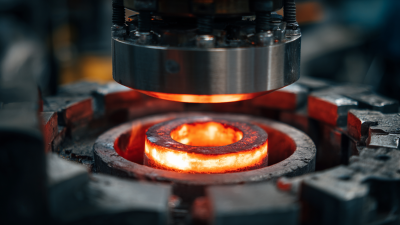
One significant advantage of Induction Heating Is its speed. Metals heat quickly and uniformly, reducing cycle times. However, some operators report inconsistency in heating smaller or irregularly shaped components. This may be due to the placement of the induction coil or the material's properties. Understanding these nuances is crucial for optimizing operations.
Tips: Regularly calibrate your equipment to maintain efficiency. Monitor the temperature closely; unexpected fluctuations can lead to material fatigue. Familiarize yourself with the properties of different metals, as each reacts uniquely to induction heating techniques. Always consult industry guidelines for best practices and safety measures when using induction machinery.
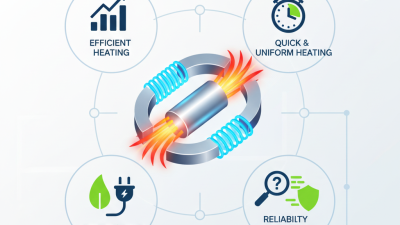
Induction heating technology stands out for its efficiency and precision in metal heating applications. It uses electromagnetic induction to heat conductive materials quickly. This method often outperforms traditional heating techniques. Gas flames and resistive heating can create uneven heat distributions, leading to wasted energy and time. In contrast, induction heating provides concentrated heat, minimizing thermal losses.
Despite its advantages, users should consider the induction heating machine pricewhen comparing options. While initial costs may be higher, the longevity and efficiency of Induction Heating Systems can offer significant savings over time. Repair costs can add up for gas or electric heating systems that require more maintenance. Induction heating machines typically require less upkeep, making them a more reliable choice in the long run.
However, not all metals respond equally to induction. Some may need specific frequency settings or coil designs. Users must evaluate how these variables affect performance. Switching to induction can present a learning curve, needing adjustment in processes. Balancing the cost with the benefits is essential. It's crucial to analyze individual heating needs and production goals before making decisions.
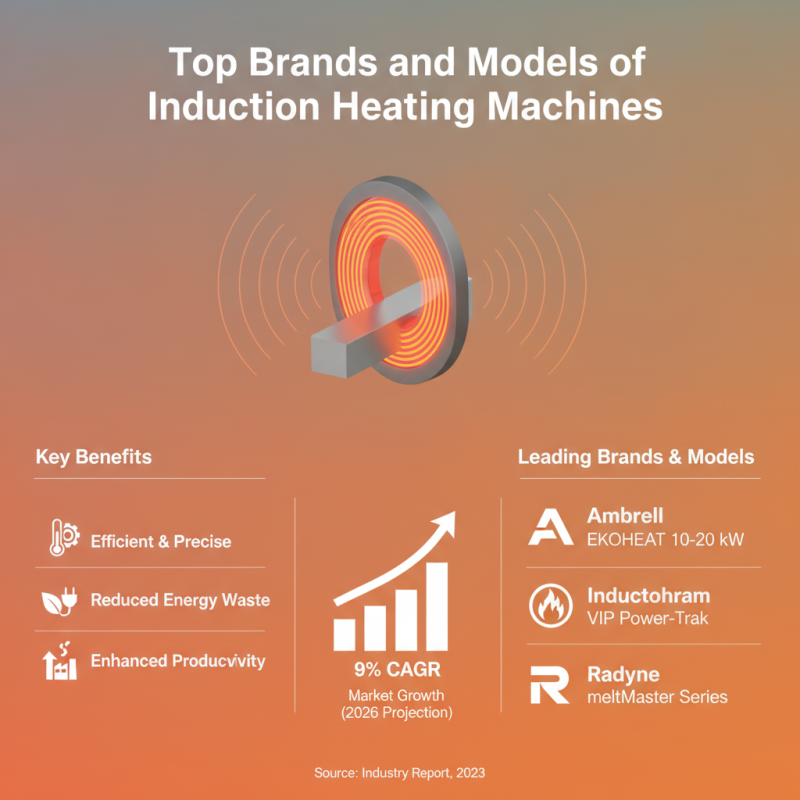
Induction heating machines have revolutionized metal heating, offering efficient and precise temperature control. These machines use electromagnetic fields to generate heat directly within the metal. This technology minimizes energy waste and enhances productivity in various industries. According to a recent industry report, more companies are shifting to induction heating due to its efficiency. In fact, the market for induction heating machines is projected to grow at a compound annual growth rate (CAGR) of 9% through 2026.
When exploring the top brands and models, consider factors such as power output and frequency range. Many professionals recommend machines with adjustable parameters. This allows for tailored heating solutions. Some models can reach temperatures over 1000°C in under a minute. However, not every model delivers consistent results. Users often report the need for calibration to ensure accuracy. The variability in performance highlights the importance of thorough research before buying.
Purchasing an Induction Heating Machine for Sale requires careful consideration of both specifications and application. Look for machines with good reviews and proven reliability. Experts advise examining customer feedback to understand potential issues. These insights can prevent costly mistakes. Remember, not all models are created equal. Choosing the right induction heating solution can significantly enhance your production efficiency.
Induction heating machines are becoming essential tools in metal processing. They are known for their efficiency and precision. Understanding their cost-effectiveness is vital for gaining a solid return on investment.
When considering an induction heating machine, analyze its initial cost against potential savings. While some units may have a higher upfront cost, they often use less energy. This energy efficiency can translate into lower operational costs over time. Keep in mind that routine maintenance is also a factor. Regular upkeep can extend the machine's lifespan. Therefore, investing in quality maintenance pays off.
Tips for optimal usage include selecting the right power settings. This prevents overheating and material damage. Another suggestion is to monitor energy consumption regularly. Adjusting usage patterns based on this insight can enhance efficiency. Lastly, consider employee training. Properly trained staff can maximize the machine's capabilities, leading to better overall results.
Induction heating machines are vital for effective metal heating. To ensure they operate efficiently, regular maintenance is crucial. One common oversight is neglecting to clean the coil regularly. Dust and debris can accumulate, impacting performance. Clean the coil using a soft cloth to prevent overheating.
Another point worth mentioning is checking connections. Loose or corroded wires can lead to inconsistent heating patterns. Regularly inspect and tighten connections to maintain optimal performance. Don’t overlook the cooling system, either. Ensure it’s free from blockages. A well-functioning cooling system prevents overheating and prolongs the machine’s lifespan.
Lastly, keeping an eye on software updates is essential. Many induction heating machine manufacturers provide updates that enhance efficiency. Ignoring these updates could leave you with outdated software, affecting performance. Investing time in these maintenance tasks will save you money in the long run. A little effort goes a long way in ensuring the longevity of your equipment.
Advanced annealing machines play a pivotal role in optimizing the properties of metals like brass and steel, providing essential capabilities for various applications in the metalworking industry. According to recent industry analyses, the demand for precision heat treatment solutions has surged, driven by the need for higher-quality materials that can withstand rigorous performance requirements. For instance, the Steel Tube Annealing Machine is specifically designed to facilitate uniform stress relief, ensuring that seamless and welded pipes meet stringent industry standards for durability and reliability.
On the other hand, the Brass Base Annealing Machine is critically important in achieving the desired softness in components such as cartridge cases and fittings. This machine offers precise temperature control, which is vital for avoiding unwanted mechanical properties that could jeopardize product integrity. With the proper annealing process, manufacturers can enhance both the workability and corrosion resistance of brass materials, meeting the demands of various applications in the automotive and plumbing sectors.
Moreover, tailored annealing solutions, like the Tailored Gear Annealing Machine, emphasize localized hardening, minimizing distortion while maintaining the integrity of automotive and machinery components. This level of precision is not merely beneficial; it is necessary in the highly competitive landscape of metal fabrication, as companies seek to reduce waste and improve yields. The optimization of metal properties through advanced annealing techniques not only elevates product quality but also aligns with modern manufacturing trends focusing on efficiency and sustainability.
: Analyze the initial cost against potential savings. Higher upfront costs may lead to lower energy expenses.
Clean the coil regularly, check connections, and monitor the cooling system for blockages.
Dust and debris can accumulate, impacting performance. Cleaning prevents overheating.
Regularly inspect and tighten wires to avoid inconsistent heating patterns.
A proper cooling system prevents overheating and extends the machine’s lifespan.
Ignoring updates can lead to outdated software, negatively affecting efficiency.
Proper training helps maximize machine capabilities, improving overall results.
Regular monitoring helps adjust usage patterns for enhanced efficiency.
While it requires time and effort, proper maintenance saves money in the long run.
Neglecting regular cleaning can lead to significant performance issues.
Induction heating machines have revolutionized the way metal heating is performed, offering efficiency and precision that traditional methods often lack. The article explores various types of induction heating machines available on the market, emphasizing key features to consider for optimal performance, such as power output, frequency, and coil design. It explains the underlying principles of induction heating and contrasts its benefits against other heating methods, highlighting aspects like time savings and energy efficiency.
Moreover, the analysis includes a look at the cost-effectiveness and return on investment associated with induction heating machines, making a strong case for their adoption in industrial settings. Maintenance tips are also provided, ensuring that users can prolong the life of their induction heating equipment. Overall, this comprehensive examination serves as a valuable resource for anyone considering investing in an induction heating machine, enabling informed decisions tailored to specific heating needs.