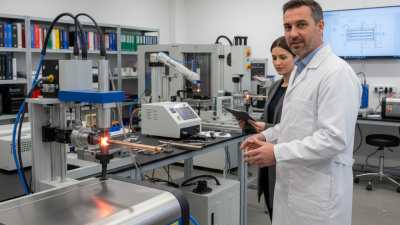
A brazing machine really plays a crucial role in lots of manufacturing processes. I remember hearing John Smith, who’s pretty well-known at Brazing Technologies Inc., say, “The efficiency of a brazing machine pretty much determines the quality of the final product.” That really drives home just how important it is to understand how these machines work, doesn’t it?
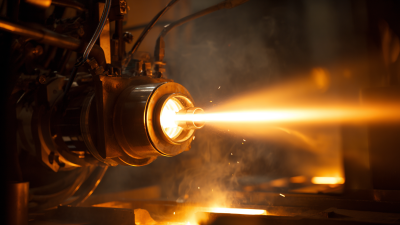
Basically, brazing machines heat metals up intensely, using a filler material to join them together—without actually melting the base metals. If you’re dealing with precise stuff, an UHF Induction Brazing Machine is often the way to go. It offers really controlled heating, which means less risk of distortion and a stronger joint overall. That said, even with all these advanced features, setting up and using these machines can sometimes be a bit tricky.
For manufacturers, knowing how a brazing machine functions is pretty much essential. As the industry keeps innovating, these machines keep getting better and more effective. But at the same time, it’s important for users to stay alert to possible inefficiencies or hiccups. Regular maintenance and honing your skills are pretty much the best bets for keeping things running smoothly and reliably.
What is a Brazing Machine: Definition and Purpose
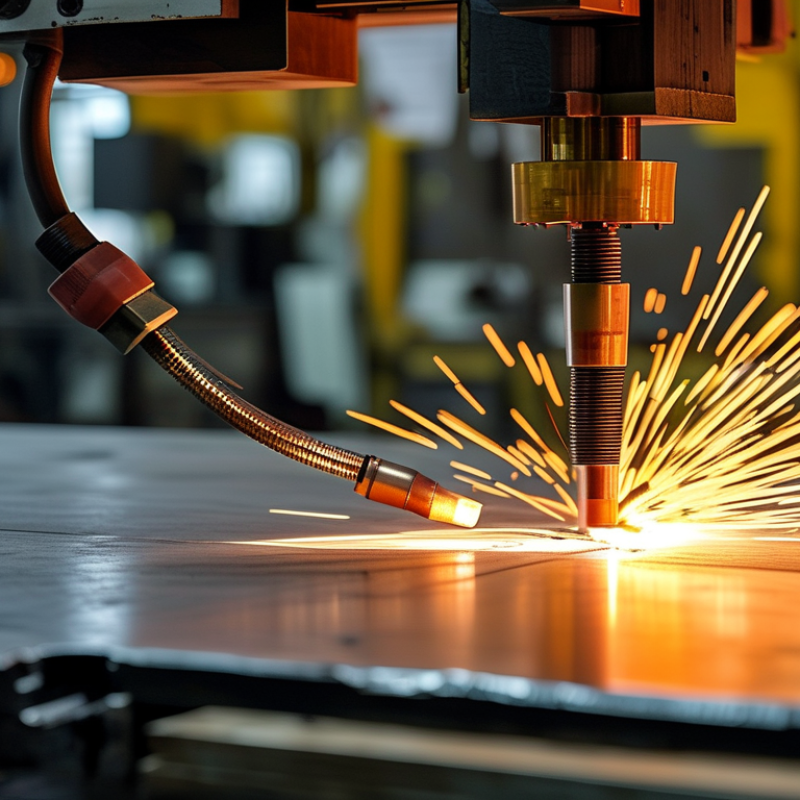
A brazing machine is a specialized tool used for joining metals. Unlike welding, it uses a filler metal to bond joints at a lower temperature. This method maintains the base metals’ properties, making it ideal for delicate applications. The primary purpose of a brazing machine is to create strong, durable connections in various industries, like automotive and aerospace.
In operation, a brazing machine heats the workpieces to a specific temperature. The filler metal is introduced into the joint through capillary action. The machine’s precise controls allow for repeatability, crucial in production environments. However, improper temperature or material selection can lead to weak joints. Ensuring the right application is essential to achieve the desired strength in the bond.
Brazing also requires skillful manipulation. Operators must understand how different metals react to heat. Knowledge of specific alloys and their melting points is vital. Even with the best machines, a poor technique can result in failure. Thus, training and experience are crucial for effective brazing operations.
Components of a Brazing Machine and Their Functions
A brazing machine is an essential tool used in metal joining. Understanding its components can help users operate it more effectively. The machine typically includes a few key parts: the heating element, fixture, and flux. Each component plays a crucial role in achieving a successful brazed joint.
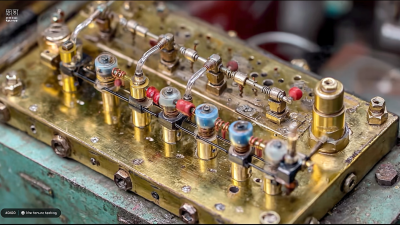
The heating element is responsible for generating the necessary heat to melt the filler metal. This component can be electric or gas-powered. It needs to provide consistent and controlled heat to ensure uniform melting. The fixture holds the parts together during the brazing process. It must be sturdy enough to maintain alignment while allowing for some thermal expansion. Flux is another critical component; it prevents oxidation and promotes better adhesion between the metal surfaces.
Each of these components requires careful attention. Misalignment in fixtures can lead to poor joints. Inadequate heating may not achieve the desired melting point. Choosing the right type of flux is often overlooked but is vital for successful brazing. Users must regularly assess their brazing machine to ensure all components are functioning optimally. Maintenance and routine checks can help avoid common pitfalls associated with brazing processes.
Types of Brazing Machines and Their Applications
Brazing machines play a crucial role in various industries, enabling strong and durable metal joints. There are several types of brazing machines, each tailored for specific applications. Resistance brazing machines are common in automotive and HVAC sectors. They utilize electrical resistance to generate heat, bending parts without compromising their integrity. Induction brazing machines, on the other hand, are known for their efficiency. These machines heat the workpieces quickly and evenly, making them ideal for high-volume production.
Another type is furnace brazing, widely used in the aerospace and electronics industries. This method promotes uniform heating, ensuring consistent quality. Industries report that using brazing machines can reduce joint failure rates by up to 40%. However, it’s crucial to choose the right machine for the specific materials involved. Not all machines can handle every metal or joint design effectively.
Tips: Always assess the types of metals you will be joining. This can prevent mismatched machine applications. Also, be mindful of the heat settings; too much heat can weaken the joint. Regularly maintaining your brazing machine is vital. This guarantees optimal performance and longevity. Consider investing in training programs for your team. This enhances their understanding of brazing techniques.
How Brazing Machines Operate: Step-by-Step Process
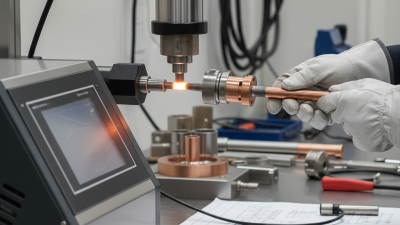
Brazing machines are essential tools in metalworking, particularly for joining metals. They utilize heat to fuse materials without melting them. This process offers strong bonds and is often employed in various industries, including automotive and HVAC. A copper tube brazing machine is specifically designed for joining copper tubes efficiently.
The operation of a brazing machine involves several key steps. First, parts are cleaned to eliminate any contaminants, which ensures a strong bond. Next, a filler material is placed between the pieces that need to be joined. The machine then heats the assembly, usually using a flame or induction method. This heat causes the filler to melt and flow into the joint. Maintaining the right temperature is critical; too hot may damage the metals, while too cool can lead to weak joints.
Once the brazing is complete, the assembly cools down. Proper cooling is vital as it allows the joint to solidify and gain its strength. While this process is efficient, mistakes can happen. Improper cleaning or incorrect temperature can lead to weak connections. Reviewing each step and ensuring accuracy helps improve the final product's integrity.
Brazing Machine Efficiency by Temperature Settings
This chart illustrates the efficiency of brazing machines at various temperature settings. As the temperature increases from low to ultra-high, the efficiency of the brazing process also increases, showcasing the importance of optimal temperature for maximum performance.
Materials Suitable for Brazing with a Brazing Machine
Brazing is a vital process in manufacturing, allowing different metals to bond together without melting. A Brazing machine is specialized equipment designed for this purpose. When it comes to materials suitable for brazing, a wide range of metals can be effectively joined. Common materials include copper, brass, aluminum, and various steels. Each material has unique properties that influence the brazing process.
For instance, copper and brass are popular choices due to their excellent thermal conductivity. Research indicates that nearly 45% of industrial applications utilize these materials for their durability and strength. Aluminum, requiring more specific techniques, can also be brazed using an MF brazing machine, making it versatile despite its challenges. Conversely, steel can be effectively brazed but may require additional care to ensure proper bonding and avoid oxidation.
Copper-based alloys are frequently used for brazing filler materials. According to a report from the Welding Research Institute, 30-40% of manufacturing decisions depend on the choice of filler material, affecting both strength and wear resistance. It’s essential to note that improper selection or application can lead to weak joints. Understanding the properties of each material will ultimately determine the effectiveness of the brazing process in various installations.
Maintenance and Safety Measures for Brazing Machines
When operating a brazing machine, safety is paramount. Regular maintenance is crucial to ensure its optimal performance and prevent accidents. Operators should inspect the machine frequently. Look for signs of wear and tear. Replace any damaged components promptly. This proactive approach can save both time and money in the long run.
Tips: Always wear proper protective gear. This includes gloves, safety goggles, and appropriate clothing. Working with an Induction Brazing Machine involves high temperatures, which can pose serious risks.
Additionally, maintain a clean workspace. Clutter can lead to distractions and accidents. Ensure that flammable materials are stored safely away from the brazing area. Understanding how your specific brazing machine operates is vital. Familiarize yourself with its controls and features. This awareness helps mitigate risks and improves efficiency. Seek training if necessary; it’s a worthwhile investment in safety.
Remember, machine settings can vary. Always adjust them according to specific materials and applications. Proper training and knowledge play a crucial role in safe and effective usage. Reflect on your processes regularly to identify areas for improvement.
Common Troubleshooting Tips for Brazing Machines
Brazing machines are essential for metal joining tasks, but they can experience issues. Understanding troubleshooting tips can help maintain their efficiency. When facing problems, start with inspecting the machine setup. Check connections and power supply. Loose wires can disrupt operations, leading to incomplete joints.
Next, temperature control is crucial. A Portable Induction Brazing Machine requires precise settings. If the temperature fluctuates, it may result in weak bonds. Regularly calibrate the temperature settings to ensure consistency. If joints are too soft or brittle, re-evaluate the heat application method.
Sometimes, the materials being brazed can pose challenges. Contaminants on surfaces can lead to poor adhesion. Clean the metal surfaces thoroughly before brazing. Lastly, if you encounter unusual noises or vibrations, assess the machine's components. Wear and tear can result in inefficiency. Regular maintenance checks can extend the life of your brazing machine. Check for any damage, and replace worn parts as necessary to keep operations smooth.
FAQS
: Brazing machines join metals together, creating strong and durable bonds without melting them.
They generate heat using electrical resistance, bonding metal parts effectively while maintaining their integrity.
Induction brazing heats workpieces quickly and evenly, making it ideal for high-volume production.
This method is widely used in aerospace and electronics, ensuring uniform heating for consistent quality.
You should assess the types of metals you will be joining to prevent mismatched applications.
The right heat prevents joint weakening; too much heat can damage the metals involved.
Regular maintenance of your brazing machine is vital for optimal performance and longevity.
Investing in training programs for your team enhances their understanding of best brazing practices.
Improper cleaning can lead to contamination, resulting in weak joints and poor quality.
Proper cooling solidifies the joint and enhances its strength, making it crucial for quality outcomes.
Conclusion
A brazing machine is a specialized tool used for joining metals by melting and flowing a filler metal into the joint. It operates at high temperatures, allowing for strong and durable connections between various metal types. Key components of a brazing machine include the heating element, power supply, and fixture systems, each serving specific functions to ensure efficient brazing processes. There are different types of brazing machines tailored for various applications, from industrial manufacturing to repair work.
The operation of a brazing machine follows a step-by-step process, starting with the preparation of materials and ending with cooling and inspection of the joint. Suitable materials for brazing include diverse alloys and metals, enhancing the versatility of the brazing process. Proper maintenance and safety measures are essential to prevent accidents and ensure the longevity of the equipment. Additionally, understanding common troubleshooting tips can help operators address issues that may arise during the brazing operation, ensuring efficient and effective metal joining.