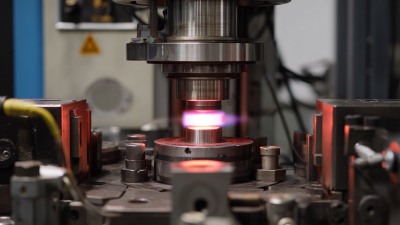
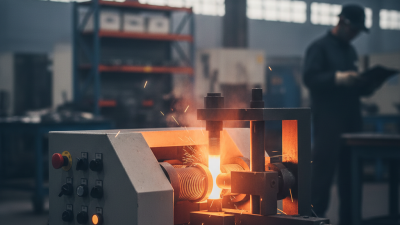
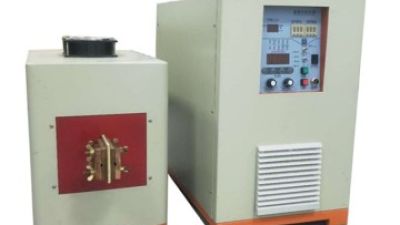
In today’s super competitive manufacturing world, picking the right equipment is key to boosting your production game. An annealing machine, for example, is pretty much a must-have in the metalworking scene. It’s essential because it helps make materials better — softer, more reliable — by easing internal stresses and cutting down on hardness. Basically, if you’re aiming for products that are both precise and durable, having one of these machines is a game changer.
When it comes to choosing a supplier, I’d recommend checking out a Customized Annealing Machine supplier. These guys can customize the machine specifically for your production line, which means you're more likely to get the exact material qualities you need. Plus, using an annealing machine consistently can improve your product quality, cut down on waste, and ultimately make your business more profitable.
But here’s the thing—not all companies really know how to use these machines effectively. A lot of folks jump into it without fully understanding what they need first. So, it’s super important to do your homework and team up with an experienced supplier. The right machine can keep your production smooth and help you stay competitive, but you gotta choose wisely — it’s all about making smart decisions that pay off in the long run.
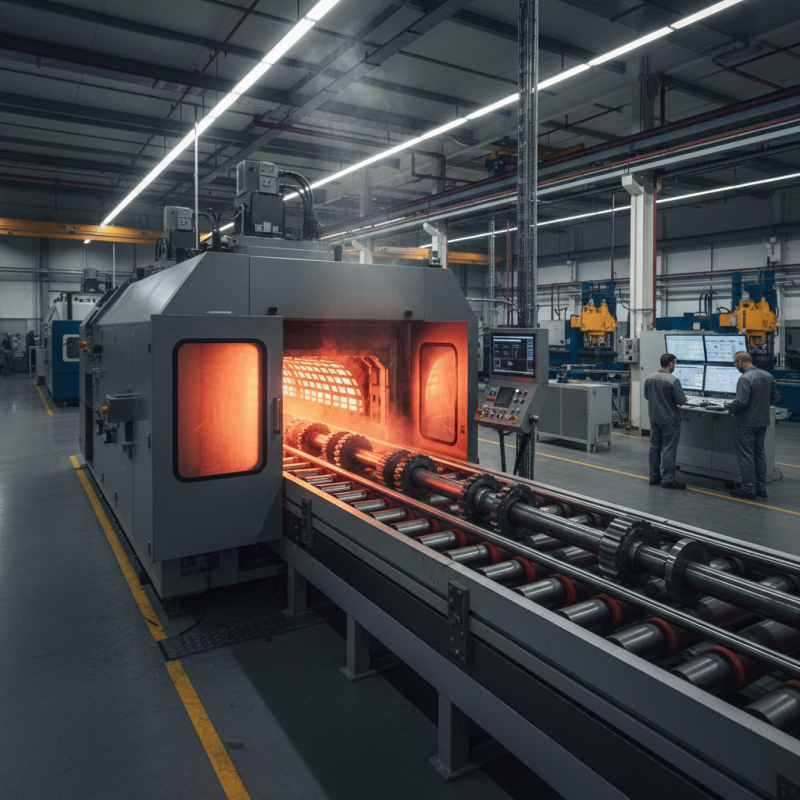
Benefits of Using an Annealing Machine in Production Processes
Annealing machines play a crucial role in production processes. Their primary benefit is stress relief in materials. This process improves ductility and toughness, making metals easier to work with. A well-annealed material enhances overall product quality.
Using an annealing machine can also increase productivity. Efficient Heat Treatment allowsfaster production cycles. This can lead to a significant reduction in operational costs over time. However, it's vital to monitor the temperatures closely, as overheating can alter material properties negatively.
Tip: Regular maintenance of your annealing machine is essential. It ensures optimal performance and reliability.
Additionally, different materials may require different annealing temperatures and times.
Experimentation is often necessary. It’s important to document these trials for future reference. Understanding the nuances of your materials can lead to
better outcomes in production.
Tip: Keep a detailed log of annealing processes. This practice helps identify what works and what doesn't.
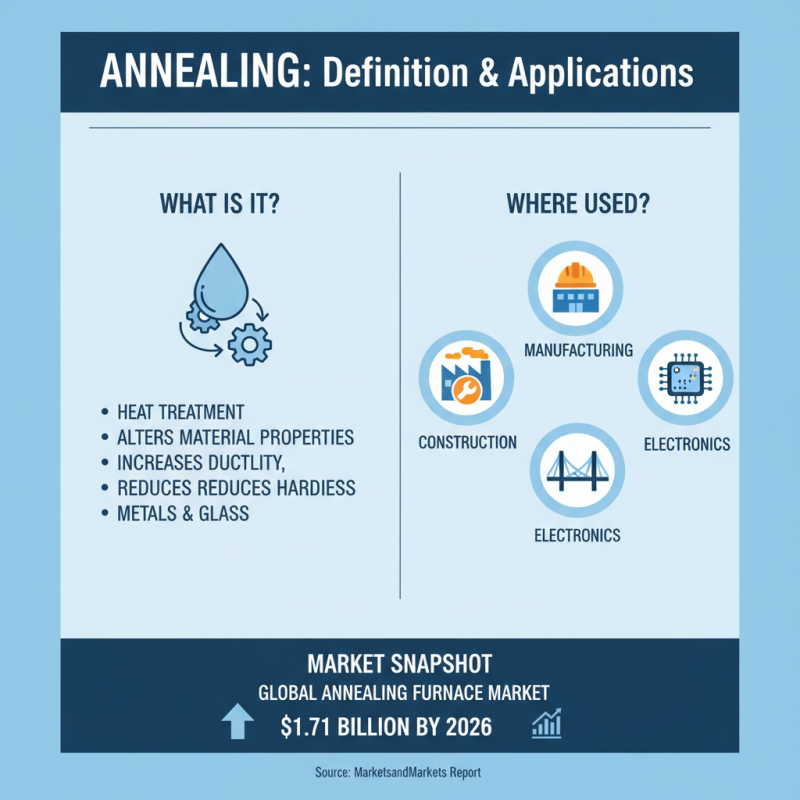
Overview of Annealing: Definition and Applications
Annealing is a heat treatment process used to alter the physical and sometimes chemical properties of a material. It is commonly applied to metals and glass, enhancing ductility and reducing hardness. This process is essential in industries such as manufacturing, construction, and electronics. According to a report by MarketsandMarkets, the global Annealing Furnace market is projected to reach $1.71 billion by 2026, indicating its importance in production.
In steel manufacturing, annealing improves mechanical performance. This process helps control the grain structure, facilitating the desired properties in the final product. For example, a properly annealed steel has lower residual stresses and better workability, which can lead to increased product longevity. However, without precise temperature control, materials may become over-annealed, resulting in a loss of strength.
Tips: Always calibrate your annealing machine regularly to ensure optimal performance. Monitor the temperature closely during the heating phase. An observation of slight changes can prevent material failure. Consider investing in training for staff to handle these machines efficiently. Proper expertise can make a significant difference in production quality and safety.
Types of Annealing Machines Available on the Market
When considering annealing machines, it's essential to understand the different types available on the market. Each machine is designed for specific applications and materials. Typically, there are three main categories: batch, continuous, and vacuum annealing systems. Batch systems are suitable for smaller operations, providing flexibility and cost-effectiveness. Continuous systems, however, are ideal for high-volume production where efficiency is crucial. According to industry reports, Continuous Annealing systems can improve productivity by up to 30%, making them a popular choice among manufacturers.
Vacuum annealing machines offer unique advantages, particularly for metals sensitive to oxidation. These systems often achieve better mechanical properties due to the controlled environment during the process. However, they can require a significant upfront investment. Data from a recent report indicated that while initial costs are high, long-term savings are notable, particularly for companies looking to enhance material quality.
It's important to consider your production needs when selecting an annealing machine. Think about the volume of materials and specific requirements of your applications. Consulting with experienced Annealing machine manufacturers can provide insights into the best fit for your projects. Even minor differences in equipment could lead to significant changes in output quality and efficiency. Balancing costs with expected performance is essential, and in some cases, it may involve re-evaluating your production processes.
Production Efficiency of Different Types of Annealing Machines
Key Features to Look for in an Annealing Machine
When selecting an annealing machine, certain key features can significantly enhance your production efficiency. An induction annealing machine stands out for its rapid heating capabilities. This type of machine can achieve desired temperatures much faster than traditional methods, reducing cycle times and improving throughput.
Another critical aspect is uniform heat distribution. Machines that provide consistent heating minimize the risk of defects. According to industry reports, inconsistent heating can lead to up to 30% more rejects in high-precision applications. This underlines the importance of investing in advanced technology that guarantees uniformity in heat application.
Tips to remember: Always assess the energy efficiency of the annealing machine. Higher efficiency not only lowers operational costs but also minimizes environmental impact. Additionally, consider the machine’s size and compatibility with your existing infrastructure. A well-fitted machine does not only save space but also enhances workflow.
Lastly, look into the machine's flexibility. The ability to adapt to different materials and processes is vital. As production needs change, a versatile induction annealing machine can meet diverse requirements without significant investment in new equipment. This adaptability can be a crucial factor in optimizing production lines.
Understanding the Cost-Effectiveness of Annealing Machines
When considering production needs, the cost-effectiveness of an annealing machine for shaft applications stands out. These machines help in enhancing material properties, improving durability and flexibility. By reducing labor costs and cycle times, they contribute significantly to overall efficiency. Manufacturers can expect a return on investment when choosing the right machine. However, the initial costs can be high. It's crucial to analyze the long-term benefits versus upfront expenses.
Incorporating an annealing machine can streamline processes. The heat treatment of materials allows for better quality control. Though not all applications may require such machines, industries dealing with metals greatly benefit. Some might hesitate due to installation and operational complexities. It's vital to assess if the long-term savings outweigh potential operational challenges. Misalignment in expectations could lead to suboptimal results. Each production line will have different needs, and reflection on these factors is essential.
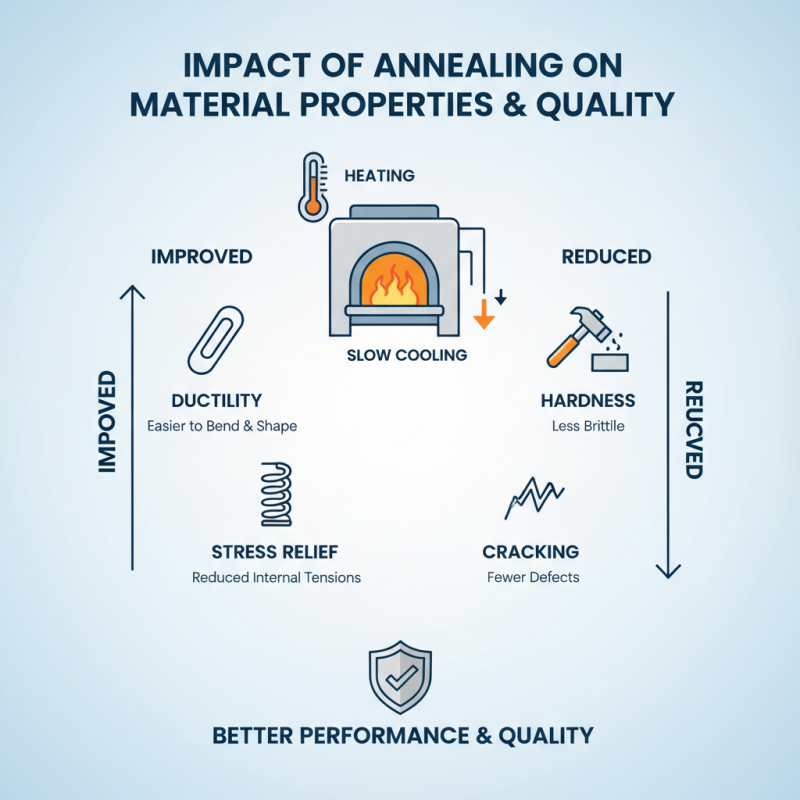
Impact of Annealing on Material Properties and Quality
Annealing is a critical process in metal and material manufacturing. It involves heating materials to specific temperatures and cooling them slowly. This simple yet effective method can dramatically enhance the properties of materials. For instance, annealing improves ductility and reduces hardness. These changes lead to a better performance in various applications.
The impact of annealing on material quality is significant. For example, metals subjected to annealing exhibit improved tensile strength. This allows products to withstand greater stress without breaking. Additionally, annealing can reduce residual stresses. This means fewer flaws and defects in finished products, which is vital for quality assurance.
Yet, achieving optimal results can be challenging. Variations in temperature, time, and cooling methods may lead to inconsistent outcomes. Producers must carefully monitor these factors to ensure the process fulfills expectations. This pushes manufacturers to invest in specialized equipment, such as an annealing machine. In doing so, they aim for precision and reliability in their production lines.
Comparing Annealing Machines with Alternative Heating Methods
annealing machines play a critical role in modern manufacturing, particularly in metalworking and glass processing. Unlike traditional heating methods, these machines offer precise temperature control and uniform heat distribution. According to the American Society of Mechanical Engineers, using controlled annealing processes can enhance material properties, leading to improved strength and ductility.
Alternative heating methods, such as flame heating or resistance heating, often yield uneven results. These methods can cause thermal stress or distortions in the material. A study by the National Institute of Standards and Technology suggests that annealing machines reduce these risks. They provide consistent thermal treatment, which can lead to more reliable products in the long run.
Despite their advantages, some may overlook the complexity of operating an annealing machine. Training is essential for optimal results. If not managed properly, variations in temperature or improper setups can lead to defects. It’s vital to weigh these aspects against the potential benefits when choosing an annealing machine for production needs.
Why Choose an Annealing Machine for Your Production Needs? - Comparing Annealing Machines with Alternative Heating Methods
| Heating Method | Efficiency (%) | Temperature Range (°C) | Cost per Hour ($) | Maintenance Frequency (Months) |
| Annealing Machine | 90 | 600 - 1200 | 15 | 6 |
| Induction Heating | 85 | 500 - 1000 | 25 | 12 |
| Furnace Heating | 75 | 300 - 800 | 20 | 18 |
| Resistance Heating | 80 | 350 - 900 | 18 | 9 |
Advancements in Induction Heating Technology: Optimizing Quenching Processes for Small Ferrous Metal Components
Induction heating technology has made significant advancements in recent years, particularly in optimizing quenching processes for small ferrous metal components. The ability to heat metals uniformly and precisely is essential for achieving the desired mechanical properties, such as hardness and toughness. According to a report from the International Journal of Advanced Manufacturing Technology, precise temperature control during quenching reduces residual stresses and enhances the overall structural integrity of metal parts.
The introduction of high-efficiency induction heaters specifically designed for small ferrous metals allows manufacturers to enhance productivity while ensuring quality. These modern induction heating machines heat components quickly and uniformly, significantly improving the quenching process. Recent studies have shown that effective induction heating can reduce cycle times by more than 30%, allowing for faster production rates without compromising the properties of the finished product.
Moreover, the energy efficiency of induction heating systems is unmatched in the industry. With an energy-saving potential of approximately 90% over traditional heating methods, manufacturers can reduce their operational costs while also minimizing their environmental footprint. By leveraging advanced induction heating technology, businesses can optimize their manufacturing processes and meet the increasing demand for high-quality, small ferrous metal components in various applications, from automotive to aerospace industries.
FAQS
: There are batch, continuous, and vacuum annealing machines, each suited for different applications and materials.
Continuous systems are efficient for high-volume production and can improve productivity by up to 30%.
They provide a controlled environment for metals, enhancing mechanical properties and reducing oxidation risks.
Assess your production needs, material volume, and specific application requirements before making a selection.
Look for fast heating capabilities, uniform heat distribution, energy efficiency, and compatibility with your production space.
Annealing improves ductility, reduces hardness, and enhances tensile strength, helping products withstand greater stress.
Variations in temperature and cooling methods can lead to inconsistent results, requiring careful monitoring by producers.
Higher energy efficiency reduces operational costs and minimizes environmental impact, which is valuable for manufacturers.
A versatile annealing machine can adapt to various materials and processes, optimizing production without heavy investments.
Inconsistencies in the process can affect quality. Investing in advanced machines may be necessary to achieve desired results.
Conclusion
An annealing machine plays a crucial role in enhancing production processes by improving material properties and ensuring high-quality outputs. This equipment facilitates the annealing process, which involves heating and cooling materials to relieve stresses and modify their structure. Various types of annealing machines are available on the market, catering to different production needs and material requirements. When selecting an annealing machine, key features such as temperature control, efficiency, and adaptability should be considered to maximize productivity.
Moreover, the cost-effectiveness of annealing machines is noteworthy, as they can lead to significant reductions in production costs through improved material performance and reduced waste. Compared to alternative heating methods, annealing machines offer superior control over the heating process, resulting in consistent quality and better material characteristics. By utilizing an annealing machine, manufacturers can achieve enhanced product reliability and longevity, ultimately contributing to a more efficient production cycle.