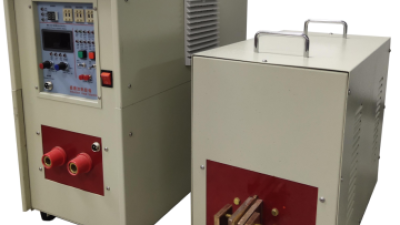
Induction Hardening is pretty much a key player in manufacturing these days. It truly boosts the durability of metal parts, you know? I came across this report by TechSci Research that said the worldwide market for induction hardening equipment is expected to hit around $14 billion by 2025. That’s quite a jump, and honestly, it’s mainly because more folks want high-strength materials. Picking the right induction hardening equipment can really make a difference—whether it’s about improving how good your products are or how smoothly things run on the shop floor.
Experts in the industry often suggest looking at a few important things—like the power supply, cooling systems, and whether the equipment has automation features. Companies like Inductotherm and EFD Induction are often the big names here—they’re known for precision and dependability. But, fair warning, not all brands are created equal. Some might not offer decent support or spare parts, which could lead to headaches later on. Using equipment that isn’t up to par might give you inconsistent results, and that can mean wasted materials or rework, not to mention lost time.
Honestly, choosing the right induction hardening setup isn’t something you should rush into. It’s a bit of a balancing act—you’ve got to consider the cost, the quality, and how well it performs. Investing in the right tools and technology is more important than many realize, but a lot of folks skip the proper research and end up making a hasty decision. If you take the time to learn what's out there and understand your specific needs, it can seriously pay off in the long run, especially with how competitive this industry has gotten.
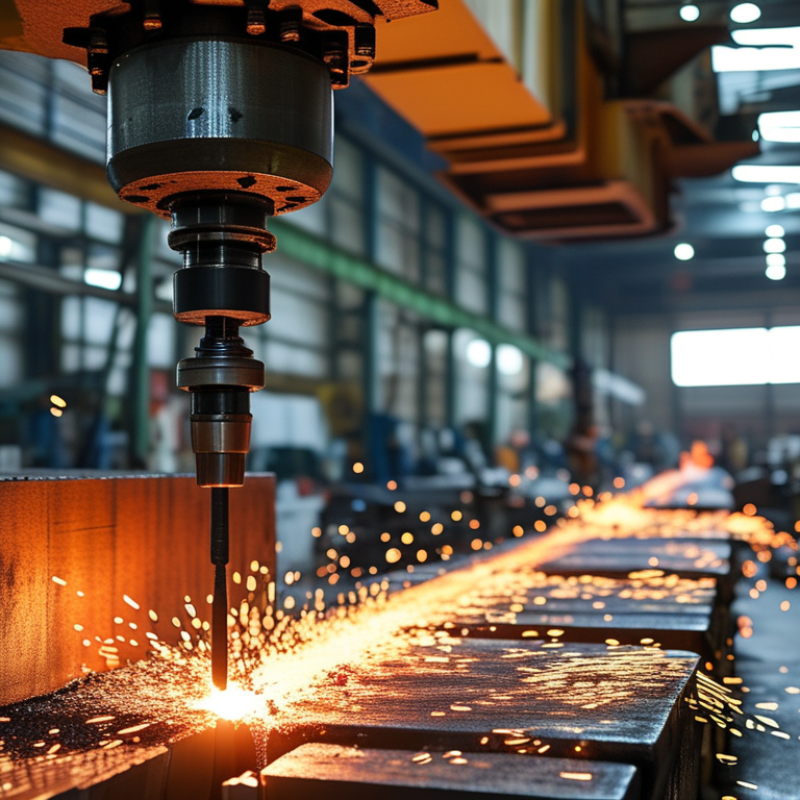
Understanding Induction Hardening: Basics and Benefits
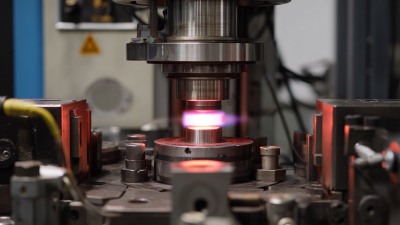
Induction hardening is a heat treatment process that increases the hardness of metal surfaces. This technique uses Induction Heating to achieve high temperatures quickly. The result is a hard surface with a tough core, ideal for parts exposed to wear. Many industries rely on this process to enhance durability and lifespan.
Understanding the basics of induction hardening is crucial. The Induction Equipment used plays a significant role in the effectiveness of the treatment. A well-designed induction system can precisely control temperature and heating time. This precision impacts the final properties of the treated component. In contrast, poorly chosen equipment can lead to inconsistent hardness and potential failures in application.
The benefits of induction hardening are numerous. It improves surface wear resistance, reduces fatigue, and can be performed in a short time. However, not all Induction Equipment is created equal. Factors like power supply, coil design, and cooling methods significantly affect the process. Choosing the right equipment requires careful consideration and often some trial and error.
Key Factors to Consider When Selecting Equipment
Choosing the right induction hardening equipment is vital for effective metal processing. Start by evaluating the specific needs of your operation. Consider the material types you are working with. Different metals require different heating profiles. Understanding these requirements ensures you select suitable industrial induction heating equipment.
Another crucial factor is power output. Higher power levels offer faster heating times. However, they may not always be necessary. Assess the scale of your production. Smaller operations might benefit from mid-range options to prevent overspending. Seek equipment that balances efficiency and cost-effectiveness.
Additionally, consider the equipment's ease of use and maintenance. Complex devices may lead to prolonged downtime during repairs or operation errors. Opt for user-friendly designs that simplify the learning curve. Thorough training can mitigate risks and enhance productivity. Keep in mind that even high-quality models can have shortcomings. Regular assessments and maintenance plans must be established to maximize performance and reliability.
Induction Hardening Equipment Selection Factors
Types of Induction Hardening Equipment and Their Applications
Induction hardening is a widely used technique in various industries. The equipment types vary, each serving distinct purposes. Common options include air-cooled systems, water-cooled systems, and portable induction heaters. Air-cooled systems are efficient for smaller components. They work well in tight spaces. However, they may not offer high power for larger parts.
Water-cooled systems provide better heat control. They are suitable for extensive process requirements. These systems can handle larger items but require more maintenance. Portable induction heaters excel in flexibility. They are perfect for on-site applications, allowing workers to service parts in place. Yet, their power might not match stationary systems for larger tasks.
Choosing the right equipment depends on your specific needs. Reflect on the types of materials you will harden. Consider the size and weight of components. Each choice has its pros and cons. You might need to weigh initial investment against maintenance costs. Take time to evaluate different options thoroughly. This approach ensures you make an informed decision tailored to your needs.
Evaluating Power Requirements for Induction Hardening Machines
When selecting induction hardening equipment, understanding the power requirements is crucial for optimal performance. Different applications necessitate varying power levels. For instance, research indicates that machines operating between 20 kW and 100 kW are well-suited for most medium-duty applications. Using inadequate power may yield insufficient hardening, while excessive power can lead to overheating and increased wear on the equipment.
Additionally, the frequency of the induction current impacts efficiency. Frequencies typically range from 1 kHz to 400 kHz in industrial settings. Higher frequencies are preferable for thinner materials, achieving faster hardening times. A report from the American Welding Society highlights that optimizing the power and frequency balance can improve energy efficiency by up to 30%. This is a significant consideration for manufacturers aiming to reduce operational costs.
It’s advisable to assess your specific application needs carefully. Some users neglect to account for material variations, which can lead to ineffective hardening. Inconsistent results might require equipment recalibration or additional investment. Articulating these needs before purchasing can minimize regret and enhance system reliability over time.
Assessing the Quality and Reliability of Equipment Suppliers
Choosing the right induction hardening equipment starts with evaluating your equipment suppliers. Quality and reliability of the suppliers are crucial. Look for suppliers with a proven track record in the industry. Check for certifications or endorsements from recognized organizations. This can indicate a commitment to excellence.
Engage with potential suppliers. Ask them about their experience in the field. Understanding their background can provide insights into their reliability. Often, a supplier's previous projects can reveal their capabilities. Don’t hesitate to request references from other clients. This will help you gauge their performance and customer satisfaction.
Consider the support services offered by suppliers. Equipment installation and maintenance are vital elements. A supplier should provide comprehensive support throughout the equipment's lifecycle. Ensure they have a responsive customer service team. Equipment reliability can be a reflection of supplier commitment. If a supplier fails to address your concerns, it might signal deeper issues. Be attentive and proactive in your assessment.
Maintenance and Support Options for Induction Hardening Equipment
When investing in induction hardening equipment, maintenance plays a vital role in operational efficiency. Regular upkeep prevents unexpected breakdowns. Establishing a maintenance schedule ensures that all components receive attention. It’s important to monitor the cooling system, electrical connections, and induction coils regularly. These parts are prone to wear and tear. Neglecting them can lead to costly repairs.
Support options are equally critical. A reliable support network enhances equipment reliability. Technical support should be readily available, with experienced professionals ready to assist. It is beneficial to choose suppliers who provide comprehensive training for your staff. This training helps prevent mishaps related to misuse or ignorance. Understanding the intricacies of Induction heating equipment ensures your team operates efficiently.
Consider investing in extended warranties or service contracts. These options can provide peace of mind and protect against unexpected expenses. However, evaluate these options thoroughly. Reflect on your organization's specific needs and the actual usage of the equipment. Regular self-assessment of your equipment’s performance can lead to improvements in your operational processes.
Top 5 Tips for Choosing Induction Hardening Equipment - Maintenance and Support Options for Induction Hardening Equipment
| Tip | Considerations | Maintenance Options | Support Availability |
| 1. Assess Your Needs | Evaluate the materials and depths you plan to harden. | Regular inspections and service schedules. | 24/7 customer support options. |
| 2. Evaluate Equipment Features | Look for features that enhance efficiency and precision. | Replacement parts should be easy to obtain. | Access to technical documentation. |
| 3. Consider Energy Efficiency | Select equipment with low energy consumption. | Energy audits and optimization support available. | Consultation services for energy savings. |
| 4. Verify Training and Certification | Ensure operators receive proper training. | On-site training sessions and user manuals. | Certification programs offered by suppliers. |
| 5. Review Warranty and Support Plans | Understand warranty details and terms. | Flexible warranty options for long-term support. | Dedicated support teams during business hours. |
Budgeting and Cost Considerations for Purchase Decisions
Budgeting for induction hardening equipment is a critical aspect of the purchasing process. It's essential to assess not only the initial costs but also the long-term expenses associated with operation and maintenance. Create a detailed budget that includes not just the equipment price, but also installation, utility requirements, and training costs. Look beyond the flashy features; focus on essential functionalities that meet your specific needs.
Consider potential hidden costs. For instance, electrical requirements for Induction quenching equipment can vary significantly. Some machines may require upgrades to your electrical systems. This could result in additional expenses you didn't anticipate. Maintenance costs can also add up, especially if the equipment is used frequently. Always factor in ongoing operational costs, which are often overlooked.
It's wise to consult industry experts when making decisions. They can highlight common pitfalls and advise on what to prioritize in your budget. Investing in quality equipment may seem costly upfront, but it can save money in the long run. Be ready to reflect on your choices. Ask yourself what features are essential and what costs are justifiable. Balancing immediate savings with future utility is crucial in this decision-making process.
Optimizing Thermal Assembly Processes: A Comprehensive Guide to Induction Heating Equipment for Housing and Stator Assemblies
Optimizing thermal assembly processes is crucial in industries such as automotive, aerospace, and electrical, where precision and efficiency are paramount. The use of industrial induction heating equipment stands out as an ideal solution for these applications, particularly in the assembly of motor stator housings. This technology leverages electromagnetic induction to generate heat that is both localized and controllable, enabling rapid and even heating without any direct contact with the components.
One of the significant advantages of induction heating systems is their ability to provide adjustable power output and integrated temperature monitoring. These features ensure that every component is heated to the precise temperature required for optimal fit and performance, thereby minimizing material stress and reducing the risk of defects during assembly. Automated process controls further enhance this capability, allowing for consistent and repeatable results, which are essential in high-stakes manufacturing environments.
Moreover, the energy-efficient design of these induction heating systems contributes to shorter assembly cycles, significantly boosting productivity while prolonging the lifespan of the components involved. The combination of speed, efficiency, and reliability makes induction heating an invaluable asset in optimizing thermal assembly processes, ensuring high-quality standards are consistently met across various industries.
FAQS
: Induction hardening is a heat treatment that increases metal surface hardness using induction heating.
It enhances surface wear resistance and reduces fatigue in metal parts.
The right equipment can precisely control temperature and heating time, impacting the metal's final properties.
Consider material types, power output, ease of use, and maintenance needs for effective operation.
Common systems include air-cooled, water-cooled, and portable induction heaters, each with distinct applications.
Yes, even the best equipment can have flaws. Regular maintenance and assessments are necessary.
Higher power levels allow for faster heating but may not be needed for smaller operations.
Different metals have unique requirements, affecting the choice of heating equipment and settings.
No, portable heaters might lack the power of stationary systems for larger components.
Evaluate the size, weight, and type of materials to ensure you select the best equipment for your operation.
Conclusion
Induction hardening equipment is essential for achieving desired hardness in metal components through efficient heating and cooling processes. Understanding the basics of induction hardening helps in recognizing its benefits, which include improved wear resistance and enhanced fatigue strength. When selecting induction hardening equipment, key factors to consider include equipment type, power requirements, and the reliability of suppliers. An in-depth evaluation of these aspects ensures that the machinery aligns with specific applications and operational needs.
Additionally, it is crucial to assess maintenance and support options available for induction hardening equipment to minimize downtime and optimize performance. Budgeting and cost considerations play an important role in the decision-making process, ensuring that organizations can invest in machinery that meets their production goals without overspending. By carefully evaluating these elements, businesses can make informed choices that enhance their induction hardening capabilities.