Picking the right Heat Treatmentprocess isn’t just a technical detail—it’s pretty crucial across a bunch of industries. I came across a report by Research and Markets that says the global Heat Treatment market could hit about $90 billion by 2026. That really shows how important it is in manufacturing, and honestly, it’s no surprise. Companies are starting to see how doing heat treatment right can boost the durability and reliability of their products—definitely a game-changer.
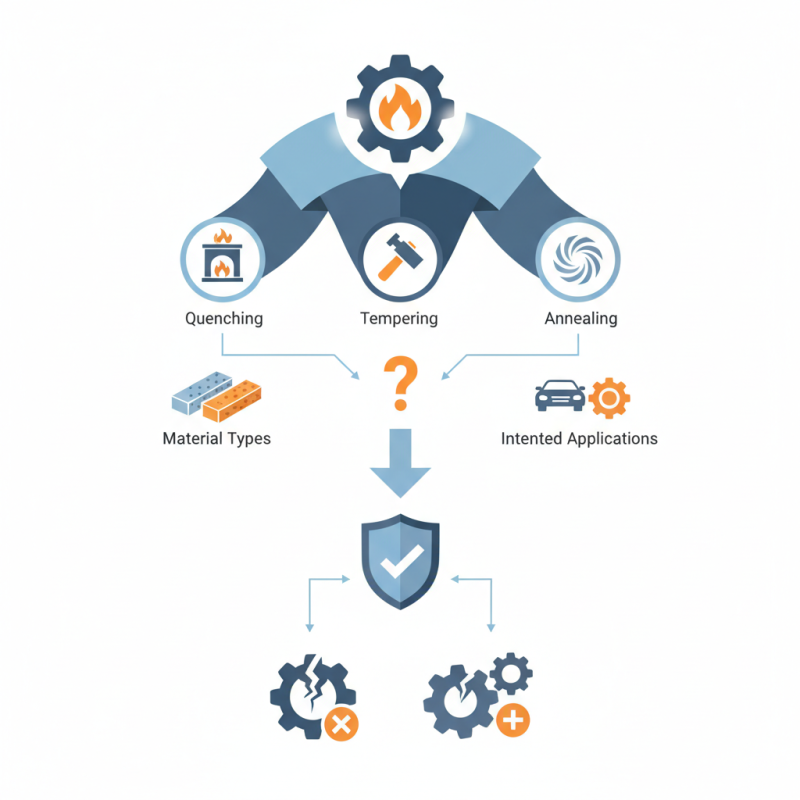
Every heat treatment method has its own thing going on. Whether it’s quenching, tempering, or annealing, each one can change the material’s properties quite a bit. For example, quenching makes things harder, but it might also cause stress issues. Understanding these little trade-offs is super important if you want to get the best out of your material.
That said, not everyone feels totally confident when it comes to making the right call. There are so many variables—material types, what the final part is supposed to do, you name it. Messing up the heat treatment process can be costly, sometimes even leading to failures that ruin the whole project. So, it really pays to tap into expert advice and understand these challenges well if you want things to turn out just right.
Understanding Heat Treatment and Its Importance
Heat treatment plays a critical role in the manufacturing process of metals. It enhances properties like hardness, strength, and wear resistance. This process involves various techniques, such as annealing, quenching, and tempering. Understanding these techniques is essential for choosing the right method for your applications.
Tips: Assess your material requirements carefully. Think about the final properties you need. Different methods yield different results. For example, quenching provides higher hardness but can lead to brittleness.
Choosing a heat treatment process requires expertise. Consider your project's unique needs. Are you aiming for improved tensile strength or ductility? Experimenting with different techniques could reveal unexpected outcomes. Some processes might not yield the desired results; it's important to analyze those failures for future projects.
Tips: Document all test results. This record can guide future decisions. Collaborating with specialists also helps you navigate complex choices. Your experiences shape your journey in heat treatment. Always stay informed about industry advancements.
Types of Heat Treatment Processes and Their Applications
Heat treatment is a critical process that alters the physical and sometimes chemical properties of materials. Different types of heat treatments are used depending on the required outcomes. Common processes include annealing, quenching, and tempering. Each process serves unique applications, impacting the material's hardness, strength, and ductility.
T6 Heat Treatment is particularly notable for aluminum alloys. It enhances strength through a series of heating and cooling steps. Many industries use this process for components that need to withstand high stress. Understanding the specific needs of your material is essential.
When choosing a heat treatment process, consider several factors. The desired mechanical properties are key. Think about the environment the material will face: extreme temperatures or corrosive conditions. Test different processes if you're unsure. Learning from outcomes can refine your approach.
Quality control is another aspect to reflect on. Ensure that the treatment complies with strict industry standards. A small oversight can lead to significant material failure. Documenting each step of the heat treatment process will help track improvements and setbacks.
Factors to Consider When Choosing a Heat Treatment Process
Choosing the right heat treatment process involves several critical factors. Material type is paramount. Different metals and alloys react uniquely to heat. For instance, steel may require different treatments than aluminum or titanium to achieve desired properties. A study by the International Journal of Materials Science highlights that improper selection can lead to reduced mechanical performance by 30% or more.
Temperature control is another vital aspect. Each heat treatment technique, like T4 Heat Treatment, has specific thermal profiles that must be precisely followed. Deviation can cause unwanted changes in material structure. According to research from the Heat Treating Society, a 10-degree fluctuation in temperature can significantly affect the hardness and toughness of a treated material.
Time duration is equally important. Overexposure can lead to problems such as warping or excessive grain growth. For example, the ideal quenching time might vary significantly, impacting final properties. Experts emphasize the need for meticulous monitoring during the process. Using information from the Materials Research Society, it's noted that 85% of failures in heat treatment stem from incorrect time management. The impact of these choices extends beyond immediate results, necessitating careful consideration at every step.
Heat Treatment Process Selection Factors
This bar chart represents the key factors considered when choosing a heat treatment process, including Cost, Time Efficiency, Material Compatibility, and Energy Consumption.
Material Properties and How They Influence Heat Treatment Selection
Material properties play a crucial role in selecting the appropriate heat treatment process. Different materials respond uniquely to heat and stress. For instance, steel undergoes transformations during heating and cooling, affecting its hardness and strength. Understanding these transformations helps in choosing the right treatment. T5 Heat Treatment is an option that focuses on aging aluminum alloys to enhance their mechanical properties.
Temperature and time are key factors in heat treatment. Higher temperatures may improve ductility but could compromise strength. For certain materials, achieving the balance between hardness and toughness is challenging. Misjudging the requirements can lead to a suboptimal product, which impacts performance in real-world applications.
Moreover, the choice of heat treatment affects surface properties. Some techniques can enhance corrosion resistance, while others may increase brittleness. It is essential to analyze the intended service conditions of the material. Reflecting on past experiences with heat treatment reveals that several trials may be necessary to achieve desired outcomes. Each material presents unique challenges that require a tailored approach for effective treatment.
Cost Efficiency: Balancing Quality and Budget in Heat Treatment
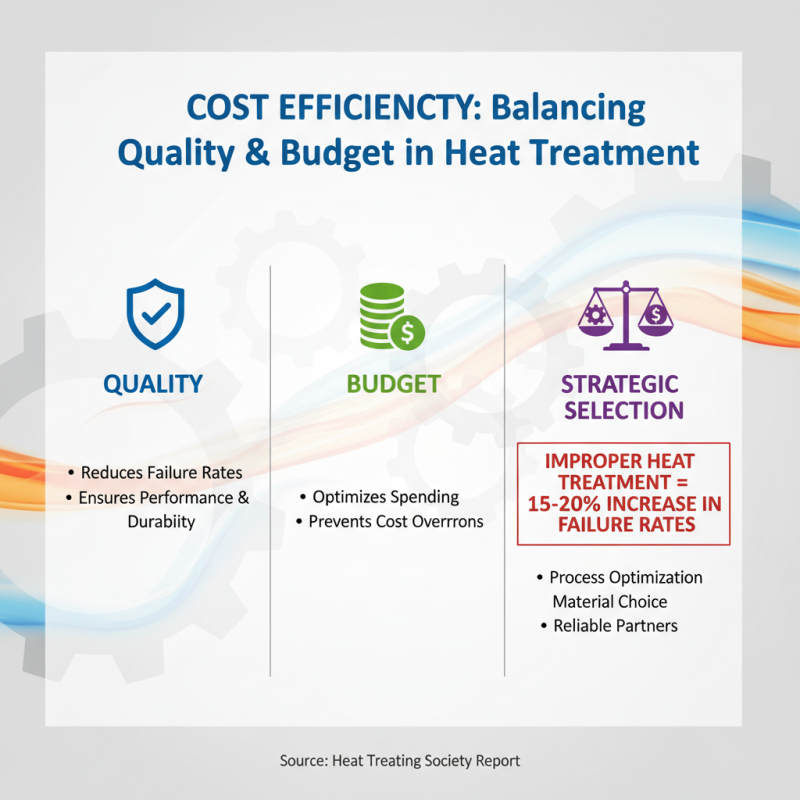
Cost efficiency is essential in the heat treatment sector. Many industries seek to balance quality and budget. According to a report by the Heat Treating Society, improper heat treatment can result in a 15-20% increase in failure rates. This statistic underscores the need for strategic selection of processes.
When evaluating processes, consider both direct and indirect costs. Direct costs include energy consumption and labor. Indirect costs can stem from higher maintenance needs or a reduced lifespan of treated products. For instance, investing in higher-quality processes may raise upfront expenses but reduce long-term failures. An industry study revealed that investing in advanced heat treatment technology could save up to 30% on maintenance costs over five years.
It's crucial to analyze the specific requirements of your materials. Not all treatments are created equal. Some processes may seem cost-effective initially but can lead to expensive consequences. The challenge is to find the right balance. Engage with professionals to assess all variables and gather insights. Remember, effective heat treatment is as much about process selection as it is about maintaining quality within your budget constraints.
Common Heat Treatment Challenges and Solutions
Heat treatment is essential in various industries. However, it often comes with its fair share of challenges. One common issue is achieving uniform heating. Inadequate heating can lead to inconsistencies in material properties. This inconsistency can affect performance and durability. To combat this, it's vital to select the appropriate furnace type and maintain precise temperature control throughout the process.
Another challenge lies in controlling cooling rates. Rapid cooling can cause cracking, while slow cooling may result in unwanted microstructures. A solution involves using various cooling methods, such as quenching or air cooling. Careful monitoring of cooling times is crucial. Additionally, discrepancies in Heat Treatment Cycles can arise.Consistency in cycle times ensures reliability in product quality.
Despite these hurdles, it’s important to review past Heat Treatment Processes regularly. Reflecting onsuccesses and failures leads to better decision-making. Mistakes can provide critical insights, fostering continual improvement. Industry experts emphasize the importance of documentation. Keeping records allows for better tracking of changes and results over time.
Consulting Professionals: When to Seek Expert Guidance
When considering heat treatment processes, seeking professional advice can make all the difference. Experts in the field have hands-on experience and can provide insights that reduce the risk of costly mistakes. Understanding material properties and desired outcomes is complex. A professional can clarify the best methods suited to your specific needs, whether it’s hardening, annealing, or tempering.
Engaging with professionals encourages informed decision-making. It’s essential to assess your project’s requirements. For instance, inconsistencies in temperature can lead to uneven treatment results. A consultant can help develop protocols that ensure uniformity and reliability. They can also provide guidance on the latest techniques and equipment. Yet, not every decision will be clear-cut. Professionals might not have all the answers, requiring continual assessment and adjustment.
Choosing the right process involves a degree of trial and error. Collaboration with specialists ensures that you're not navigating this complex landscape alone. For instance, Njm Heat Treatment offers expertise that can enhance your understanding. Balancing practical experience with theoretical knowledge inspires confidence. Ultimately, investing in expert guidance can lead to better outcomes and long-term success in your heat treatment processes.
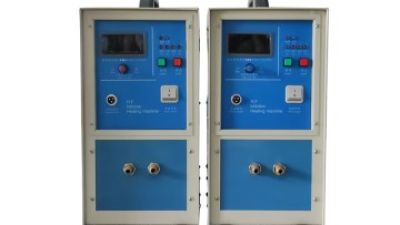
Innovative Heat Induction Normalizing Machines: Enhancing Performance of Auto Gears, Alloy Turbine Blades, and Crankshafts
Innovative heat induction normalizing machines are revolutionizing the manufacturing of critical automotive and aerospace components by significantly enhancing their performance. These state-of-the-art machines utilize advanced electromagnetic heating technology, which allows for precise heat treatment with uniform austenitization temperatures ranging from 850 to 950°C. This ensures that essential components like auto gears made from 20CrMnTi, alloy turbine blades crafted from Inconel 718, and crankshafts designed from QT800-2 possess refined grain structures, resulting in superior durability and strength.
One of the standout features of these machines is their capability for automated temperature profiling, maintaining a tight tolerance of ±5°C. Coupled with rapid cooling rate adjustments of 3-15°C/s, manufacturers can achieve consistent hardness levels between 160-220HB. This precision not only enhances the performance characteristics of the components but also reduces thermal distortion, a common issue in traditional heat treatment processes. Furthermore, the energy efficiency of these systems allows for a remarkable 30% savings compared to conventional furnaces, making them an ideal solution for high-volume production while also promoting sustainable manufacturing practices.
FAQS
: Heat treatment modifies the physical and chemical properties of metals. It enhances hardness, strength, and wear resistance.
Common techniques include annealing, quenching, and tempering. Each method yields different properties.
Precise temperature is vital. A 10-degree deviation can drastically affect the material's hardness and toughness.
Overexposure can cause warping or grain growth. It's crucial to monitor timing accurately during the process.
Consider material type and desired properties. Different materials require different treatments for best results.
Document all results and analyze failures. Learning from experiments can lead to refined techniques.
Improper selection may reduce mechanical performance by over 30%. This can lead to unexpected failures.
Adhering to industry standards is essential. Small oversights can result in significant material failures.
Working with specialists can clarify complex choices. Their insights may help avoid common pitfalls.
Some techniques could yield results that differ from expectations. Analyzing these can aid future decisions.
Conclusion
Heat treatment is a crucial process in material science, enhancing the properties of metals and alloys to meet specific needs. Understanding the various types of heat treatment processes, such as annealing, quenching, and tempering, along with their applications, is essential for selecting the right method for a particular project. Factors influencing this choice include the material properties, the desired characteristics of the final product, and budget constraints.
Moreover, balancing cost efficiency with quality is vital in heat treatment, as improper selection can lead to challenges that affect the integrity of materials. When faced with complex requirements or uncertainties, consulting professionals is advisable to ensure the most effective heat treatment strategy is implemented, optimizing performance and minimizing risks in the production process.