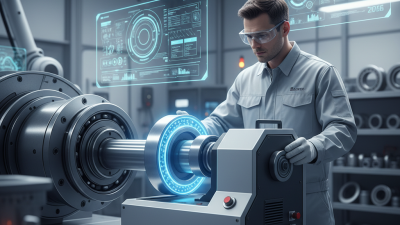
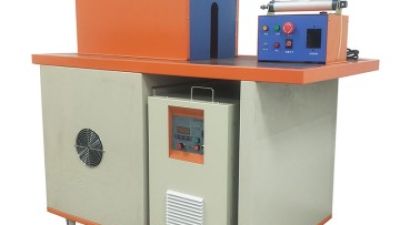
Choosing the right Bearing Heaterisn’t something you want to rush into—industry standards really matter here. I remember John Smith from Precision Thermal Solutions once saying, "Getting the right Bearing Heater can really save you time and boost your equipment’s efficiency." That pretty much sums up why making an informed decision is so important.
Now, there are a few things you should keep in mind when picking one. Think about the size and type of bearings you usually deal with. Using a heater that's not a good fit can lead to uneven heating or, worse, damage your bearings. So, it’s worth doing some research and making sure the heater matches your specific needs.
Oh, and don’t forget to check out user reviews and professional recommendations—they can give you a real sense of how reliable and effective different models are. Keep in mind, what works perfectly for one situation might not be ideal for another, so pay attention to these little details before making your pick.
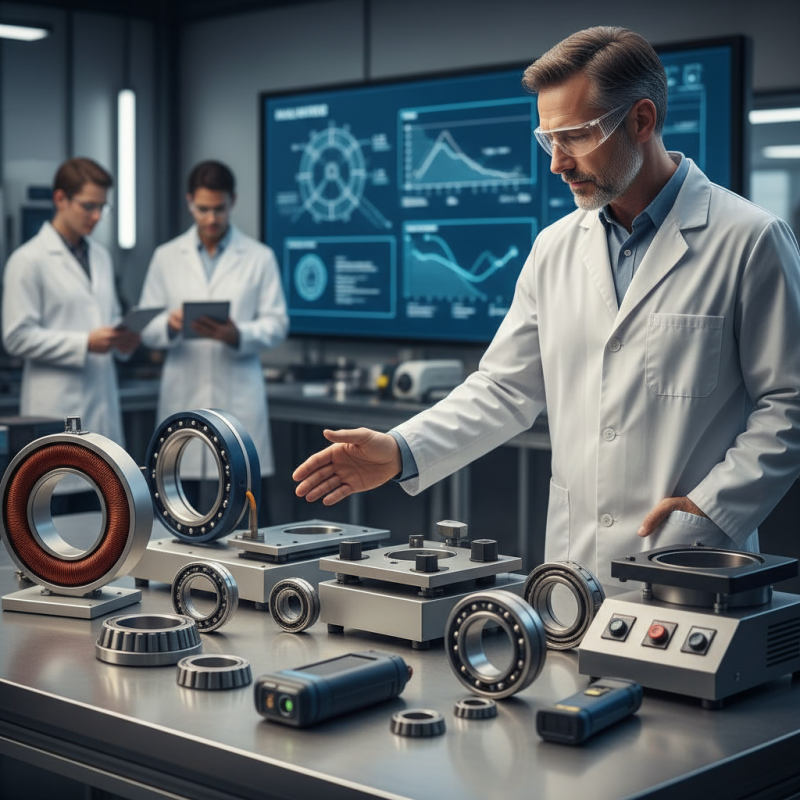
Understanding Different Types of Bearing Heaters Available on the Market
When selecting a bearing heater, it's crucial to understand the different types available on the market. Each type serves specific needs, making informed choices essential. Electric Bearing Heaters, for instance, utilize electrical resistance to generate heat. This method is efficient and easy to control. They are widely favored for their safety and convenience. However, improper use can lead to overheating or uneven heating, which might damage bearings.
Induction Bearing Heaters offer another option. They work by inducing an electromagnetic field that heats the bearing quickly. This method is ideal for large or heavy bearings. The precision ofinduction heaters can minimize the risk of thermal shock, but they may require a learning curve for effective operation. Consider your workspace and the type of bearings you typically use when choosing.
A more specialized option is the Reco Bearing Heater, designed for precise heating applications. Its versatility makes it suitable for various environments. However, it's important to evaluate whether such a unit aligns with your operational needs. Reflect on your typical workload and whether the investment will pay off. Efficiency is key, but sometimes, more straightforward solutions work just as well.
Factors to Consider When Selecting a Bearing Heater for Your Application
When selecting a bearing heater, several factors must be considered for optimal performance. One crucial aspect is the size of the bearings you will be working with. The heater must accommodate the bearing's dimensions while ensuring even heat distribution. An inadequate fit can lead to uneven heating or reduced efficiency.
Another important factor is the heating method. There are several options, such as induction, oil, or resistance heating. Induction heaters are often favored for their speed and efficiency, but they may not be ideal for all applications. It’s essential to assess your specific requirements and limitations before making a choice.
Tips: Always check the temperature range of the heater. Ensure it can reach the necessary temperatures for your bearings. Consider energy consumption as well; a more energy-efficient model may reduce long-term costs. Lastly, evaluate the safety features of the heater. Proper safety measures are essential to prevent accidents during operation. A thorough review of these factors ensures you choose the best heating solution for your needs.
Evaluating the Heating Capacity and Performance of Bearing Heaters
When evaluating the heating capacity and performance of bearing heaters, several metrics come into play. Sufficient heating capacity is crucial for easing assembly and preventing damage. A reliable Small Bearing Heater should ideally reach temperatures of around 110 to 150 degrees Celsius. This temperature range facilitates a snug fit, enhancing operational efficiency. Studies indicate that improper heating can lead to tolerance issues, which may result in premature bearing failure.
Durability and energy efficiency are additional aspects worth considering. Many reports highlight that advanced heating technologies can cut energy consumption by up to 20%. This is important, especially in industries facing rising operational costs. Users should also assess the speed of heating. A high-performance Small Bearing Heater can reach optimal temperatures inless than 30 minutes. However, low-quality options may take significantly longer, risking potential damage to the bearings.
Ease of use should not be overlooked. A user-friendly design helps in maintaining far greater consistency and reduces the margin for error. Not all bearing heaters provide clear temperature indicators, which can lead to overheating or insufficient heating. It’s essential to choose a model that offers precise control over heating processes. These considerations ensure that the selected heater meets specific needs, ultimately leading to better machinery performance and longevity.
Comparing Electric vs. Induction Bearing Heaters: Pros and Cons
When considering a bearing heater, two main types come to mind: electric and induction heaters. Electric bearing heaters offer a straightforward heating method. They are easy to use and often come with adjustable temperature settings. This makes them suitable for various applications. However, they can be less efficient. Overheating is a risk, especially if monitored improperly.
Induction bearing heaters, on the other hand, provide rapid heating. They work by creating a magnetic field, which heats the bearing directly. This method is faster and tends to reduce the risk of overheating, leading to better performance. Yet, induction heaters can be more complex. Installation requires careful consideration of electrical specifications. Not all workshops may have the expertise to set them up correctly.
Both heating methods have their pros and cons. Electric options are user-friendly but may lack precision. Induction models offer efficiency but demand greater technical knowledge. Evaluating your specific needs, along with the costs and complexities, is essential. Make sure to consider the expertise available in your environment. Recognizing these factors will guide you towards the best choice for your operation.
Assessing Safety Features in Bearing Heater Designs
When selecting a bearing heater, safety features are crucial. Many designs include built-in thermometers. These can prevent overheating, which may damage bearings. Look for units with thermal insulation to keep external surfaces cool. This helps protect operators from burns. Assessing these features reduces the risk of accidents.
Another important consideration is automatic shut-off systems. Some models turn off when they reach a certain temperature. This is especially valuable for long heating times. An automatic feature can give peace of mind. Users can focus on other tasks without constant monitoring. Products like the Volcano Bearing Heater often highlight these safety features.
Lastly, always check for emergency stop functions. These can quickly cut power in case of an accident. Understanding these elements is key. They not only enhance safety but also improve efficiency. Reflect on your workspace. Is it organized to minimize hazards? Ensuring a safe environment should always be a priority.
Safety Features in Bearing Heater Designs
Determining the Right Size and Fit for Your Specific Bearings
Choosing the right bearing heater is crucial for effective maintenance. One significant aspect is determining the size and fit needed for your specific bearings. Bearings come in various sizes, so a one-size-fits-all approach won't work. Look for a heater that matches the diameter and width of your bearings. A snug fit ensures even heating, which is essential for proper installation.
Additionally, consider the type of bearings you’re dealing with. Certain materials may require specific temperature settings. Research the recommended heating temperatures for your bearings. This prevents overheating, which can lead to damage. Keep in mind that improper sizing or heating can lead to inefficiency.
You may face challenges when selecting a bearing heater. Misjudging the size can cause issues during installation. Always take precise measurements of your bearings before purchasing a heater. When in doubt, consult with professionals to ensure you're making the right choice for your application. Take your time to reflect on these details; it can save you pain later on.
Budget Considerations: Finding a Cost-Effective Bearing Heater Solution
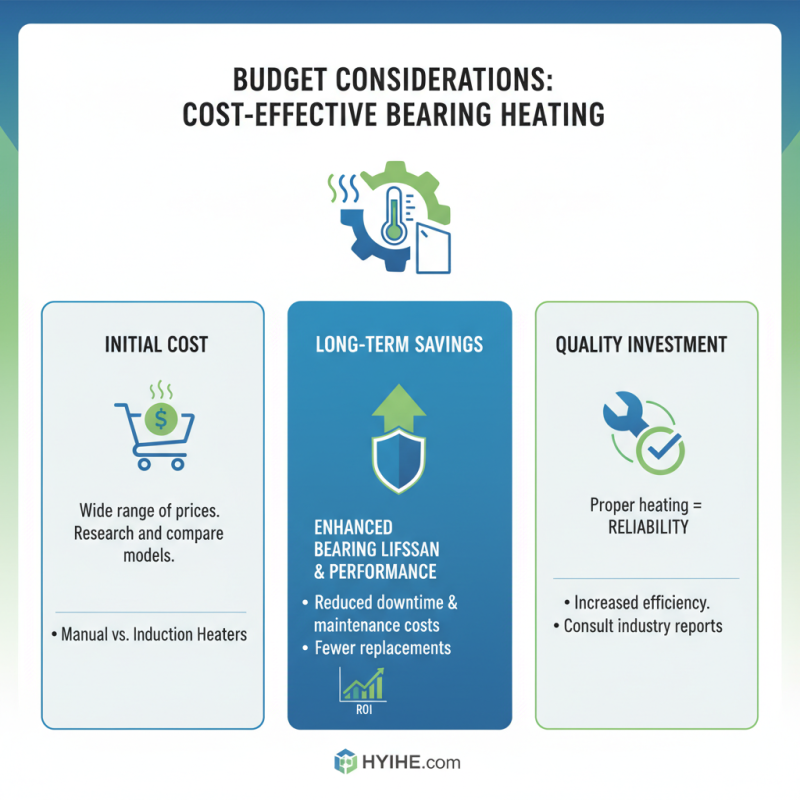
When selecting a bearing heater, budget considerations play a crucial role. Many industries rely on Bearing Heater Machines for efficient maintenance. A recent industry report highlighted that proper heating can enhance bearing lifespan and performance. This indicates that investing in a quality bearing heater can save costs in the long run.
Cost-effective solutions are essential for both small workshops and large manufacturing plants. According to experts, the market has seen an increase in affordable options, with prices ranging from $300 to $2,000. However, buyers must weigh affordability against performance and durability. A lower-priced bearing heater might not meet the required specifications. In some cases, investing slightly more upfront can prevent future repair costs.
Additionally, features such as temperature control and safety mechanisms can influence the price. A basic model without advanced features could be tempting. Yet, it may lead to overheating or failure, resulting in downtime. Understanding specific needs allows buyers to prioritize. Reflecting on priorities during the selection process can help avoid regrets later. Careful research into available options can lead to a balanced decision when choosing the right Bearing Heater Machine.
Enhancing Steel Processing Efficiency: Insights from Market Reports on Industrial Induction Heaters for Rod Hot Forming
The efficiency of steel processing has garnered significant attention in recent years, particularly in the context of rod hot forming. According to recent market reports, the demand for high-efficiency industrial induction heaters has surged, driven by the increasing need for rapid heating solutions in metal processing. These advanced induction heaters are specifically designed to enhance the heating of steel bar billets, which is a critical step in the hot forming process. With features that allow for precise temperature control and energy-saving operations, they offer significant advantages over traditional heating methods.
Key industry data highlights that induction heating technology can reduce heating time by up to 50% compared to conventional methods, minimizing energy consumption and maximizing productivity. This has made induction heating systems a preferred choice for manufacturers aiming to streamline their workflows in forging, extrusion, and heat treatment processes. Moreover, the inherent durability and reliability of these systems ensure seamless operations, thereby facilitating the efficient pre-heating of raw metal pieces prior to processes like punching, heavy load hook forming, and iron chain forming.
As the industrial sector continues to evolve, incorporating high-efficiency induction heaters into production lines not only enhances processing efficiency but also contributes to significant cost savings in energy and reduced cycle times. Observing the growing trend of automation in manufacturing, the integration of these advanced heating solutions positions businesses advantageously in a competitive market landscape, enabling them to meet increasing production demands while maintaining high-quality standards.
FAQS
: They are easy to use and offer adjustable temperature settings for various applications.
They can be less efficient and may overheat if not monitored properly.
They create a magnetic field that heats the bearing directly, allowing for rapid heating.
They require careful installation and greater technical knowledge, which might not be available in all workshops.
They help prevent accidents, such as overheating, and protect operators from burns.
An automatic shut-off system can ensure safety during long heating times.
The size and fit for your specific bearings are crucial for effective heating and installation.
Misjudging size can cause installation issues and lead to inefficiency during operation.
An organized workspace minimizes hazards and enhances overall safety during operations.
Consult with professionals and take your time analyzing details before making a purchase.
Conclusion
When selecting the best bearing heater for your needs, it is essential to understand the various types available on the market, such as electric and induction heaters, each with its own advantages and drawbacks. Factors to consider include the heating capacity, performance, safety features, and size compatibility with your specific bearings.
Evaluating these elements will help ensure that you choose a bearing heater that not only meets your application requirements but also provides a cost-effective solution. In addition, budget considerations should play a significant role in your decision-making process, allowing you to find a high-quality heater that fits your financial constraints without compromising on safety or performance.