Picking the right forging furnace is pretty crucial if you run a manufacturing business and want to boost your efficiency. I came across a report from the Forging Industry Association, and it turns out that over 70% of forging companies have a tough time figuring out which furnace technology to go with. That’s a big deal because this choice really affects how fast you can produce, how much energy you use, and the overall quality of your products.
Dr. Emily Thompson, who’s an expert in the forging world, nicely sums it up saying, 'The right forging furnace doesn’t just ramp up your output — it also helps keep your quality consistent.' It’s a good reminder that before you drop any cash, you really need to understand what your operation needs. Things like what kind of materials you’re working with, how much you need to produce, and the energy ratings are all key factors to keep in mind.
And don’t forget, forging heating equipment plays a huge role in what your setup can handle. Choosing between different types of furnaces can honestly be a bit overwhelming at first. My advice? Take your time and really evaluate each option. It’s super helpful to get feedback from your operators and engineers along the way. Remember, investing in a top-quality forging furnace isn’t just about saving a few bucks now — it’s about the long-term benefits like higher productivity and more reliable operations.
Understanding the Importance of Forging Furnaces in Manufacturing
Forging furnaces play a critical role in manufacturing processes. They provide the necessary heat to shape metal effectively. According to industry reports, about 40% of energy costs in metalworking come from furnace operations. This makes choosing the right forging furnace crucial for optimizing efficiency.
Properly selected furnaces can enhance productivity and reduce waste. For instance, a modern furnace with efficient heat management can decrease energy consumption by up to 30%. Yet, not all furnaces meet these standards. Businesses often struggle with outdated equipment, leading to poor performance. This risk of inefficiency highlights the importance of regular assessments.
Furthermore, the right furnace can significantly impact the quality of the final product. Inconsistent temperatures can lead to defects in forged metals. A study found that up to 15% of finished products might fail quality checks due to poor forging practices linked to inadequate heating solutions. Evaluating the options in Metal Forging Equipment is essential for maintaining competitive advantage in the market.
Types of Forging Furnaces Available in the Market
When selecting a forging furnace, understanding the types available in the market is essential. There are several key categories, each with its strengths and weaknesses. The primary types include gas-fired furnaces, electric arc furnaces, and induction furnaces. According to industry reports, gas-fired furnaces are widely used for their cost-effectiveness and high thermal efficiency, often operating at temperatures around 1,400 to 1,600 degrees Celsius.
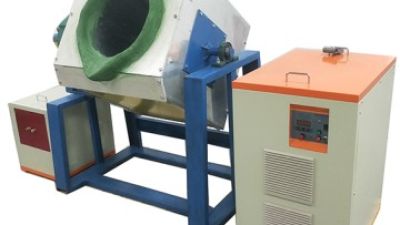
Induction furnaces, on the other hand, are lauded for their energy efficiency and precise heating capabilities. They are particularly useful for small to medium-sized batches due to their quick start-up times and minimized material wastage. However, the initial investment can be significant. A 2022 report from the Industrial Heating Association indicates that investment in induction technology has risen by 15% annually, reflecting its growing popularity in the forging machine sector.
Tips for choosing a furnace: Evaluate the scale of your operations. Larger operations may benefit from gas or electric arc furnaces, while smaller businesses might find induction furnaces more suitable. Always consider the total cost of ownership, including maintenance and energy consumption. Assess your heating requirements and think about flexibility. A furnace that can adapt to various projects can save costs in the long run. Regularly reviewing performance metrics can reveal inefficiencies needing improvement.
Key Features to Consider When Selecting a Forging Furnace
When selecting a forging furnace, it's crucial to prioritize specific features that align with your business needs. One key aspect is the temperature range. Different materials require precise heating. A furnace should reach and maintain temperatures suitable for your specific forging tasks. Consider the furnace’s heating method as well. Electric, gas, and induction offer varied benefits depending on energy efficiency and cost.
Another vital feature to assess is the furnace's size and capacity. Ensure it can accommodate your typical workpieces comfortably. An undersized furnace can lead to inefficient heating and longer processing times. Also, focus on the control systems. Advanced controls allow for better temperature regulation and can enhance the quality of the forged products.
Energy efficiency is often overlooked but crucial in reducing operational costs. A furnace with good insulation can help minimize energy loss. Furthermore, safety features must not be ignored. Safety protocols protect both operators and equipment. Reflecting on these features will greatly enhance your decision-making process. Consider how each element fits your workflow and production goals.
Evaluating the Energy Efficiency of Forging Furnaces
When choosing a forging furnace, energy efficiency is crucial. A furnace that consumes less energy will significantly reduce operational costs. Often, more energy-efficient models have better insulation and advanced controls. This leads to better temperature regulation and reduced energy waste.
Tips for evaluating energy efficiency include examining the furnace’s thermal efficiency rating. A higher rating indicates better performance. Look for furnaces with features like regenerative burners. They can recycle exhaust heat, minimizing energy intake. Additionally, assess the power supply and operational voltage. A stable and suitable power supply can enhance performance and efficiency.
Consider the long-term impact of your choice. While some furnaces may have a lower initial cost, they may consume more energy over time. This could lead to higher bills and maintenance costs. Researching different models may highlight unexpected insights. Don’t hesitate to reach out to industry experts. Their experience can guide you towards the best energy-efficient options for your business.
Assessing the Capacity and Size Requirements for Your Business
When selecting a forging furnace, understanding capacity and size is crucial. The choice largely depends on production volume and type of materials in use. For instance, a study from the American Industrial Furnace Association indicates that over 70% of forging operations see a capacity requirement between 500-1000 kg per hour. This metric can guide businesses in determining the necessary furnace size.
It's important to consider space and layout in your facility. An oversized furnace may seem appealing but can lead to ineffective energy use. In contrast, a furnace that is too small can hinder productivity and efficiency. A recent report highlighted that 40% of manufacturers reported increased operational costs due to inadequate furnace sizing. Carefully analyzing production needs and available floor space is essential.
Another aspect to contemplate is the potential for future growth. Investing in a furnace that meets current needs while allowing for expansion can provide long-term benefits. However, underestimating future demands may require additional capital investment later. Balancing current requirements with future growth is a common challenge that requires thoughtful planning.
Choosing the Best Forging Furnace: Capacity and Size Assessments
Budget Considerations for Purchasing a Forging Furnace
When considering budget for a forging furnace, it's vital to identify essential features. Consider how much energy the furnace consumes. An efficient Induction Forging Machine can significantly reduce long-term operational costs. Favorably priced options can sometimes neglect energy efficiency. This might lead to higher utility bills over time.
Think about maintenance costs as well. Some furnaces require more upkeep, which can chip away at your budget. Investigate service contracts. Check if they are affordable and available. This can influence the total expenditure on your forging furnace. An experienced technician's input can provide valuable insights.
Lastly, think about the type and scale of production. A smaller furnace may save initial costs, but it might not support your growth. It’s essential to find a balance between upfront investment and future needs. Reflect on your production goals and how quickly you aim to scale. This forward-thinking approach can prevent costly upgrades later on.
Maintenance and Support Options for Forging Furnaces
When selecting a forging furnace, maintenance and support options play critical roles. Regular maintenance can extend the life of your furnace, improving efficiency and reducing downtime. Reports indicate that companies investing in preventive maintenance see up to 30% less unplanned downtime. This is significant in a market where 50% of equipment failures stem from poor maintenance practices.
Support options should align with your operational needs. Look for services that offer real-time troubleshooting and parts replacement. A survey from industry experts suggests that facilities with robust support contracts experience a 20-40% increase in productivity. Understanding the technical aspects of your Induced Furnace is crucial. The learning curve can be steep, leaving some operators underprepared.
Training for maintenance staff is often overlooked. A well-trained team minimizes errors and operation costs. However, there may be gaps in knowledge about advanced features of newer models. Continuous education through workshops can address these gaps. Regularly reassessing support needs ensures the best use of your forging furnace's capabilities.
Innovative Induction Heating: Unleashing Efficiency with Top Quality Gold and Silver Smelting Furnace Machines
Innovative induction heating technology has revolutionized the way gold and silver are smelted, offering unparalleled efficiency and precision. The latest Induction Heating Furnace machines are designed to provide rapid melting with a remarkable turnaround time of just 5 to 15 minutes. Utilizing advanced electromagnetic induction, these furnaces deliver uniform heating, which significantly minimizes metal loss during the smelting process. This means jewelers, recyclers, and laboratories can achieve higher yields and ensure purity retention, making these machines a game-changer in the industry.
The high-temperature stability of these furnaces, reaching up to 1600°C, makes them suitable for small to medium-scale refining operations. Moreover, the compact and duty-cycle optimized designs of these induction heaters ensure they can be seamlessly integrated into various workshops without compromising on safety or efficiency. Overheat protection features add an extra layer of safety, allowing operators to focus on their work without concerns. The balance of energy efficiency, speed, and consistent quality makes these induction heating furnace machines an indispensable tool for anyone involved in precious metal processing.
FAQS
: Forging furnaces provide the necessary heat to shape metal effectively.
About 40% of energy costs in metalworking come from furnace operations.
Efficient furnaces can enhance productivity and decrease energy consumption by up to 30%.
Outdated equipment can lead to poor performance and inefficiency, increasing operational costs.
Inconsistent temperatures can lead to defects, resulting in up to 15% of products failing quality checks.
Factors include production volume, type of materials, and available floor space in your facility.
An oversized furnace can waste energy, while a small one can hinder productivity.
Considering future growth is crucial to avoid additional investments for capacity later on.
Many underestimate future demands, which can lead to operational challenges.
Regular evaluations can help maintain efficiency and ensure optimal performance in manufacturing.
Conclusion
Choosing the right forging furnace is crucial for manufacturing businesses, as it directly impacts production efficiency and product quality. Understanding the different types of forging furnaces available in the market, such as induction, gas, and electric models, can help businesses make informed decisions. Key features to consider include heating capacity, control systems, and material compatibility. Additionally, evaluating energy efficiency is essential for long-term operational cost savings, while ensuring that the furnace meets specific capacity and size requirements for your production needs.
Budget considerations play a significant role when purchasing a forging furnace, as it's important to balance initial investment with long-term operational costs. Finally, understanding the maintenance and support options available can ensure optimal performance and longevity of the forging furnace. By carefully assessing these factors, businesses can select the best forging furnace that aligns with their manufacturing goals and operational requirements.