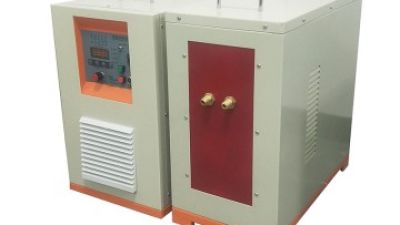
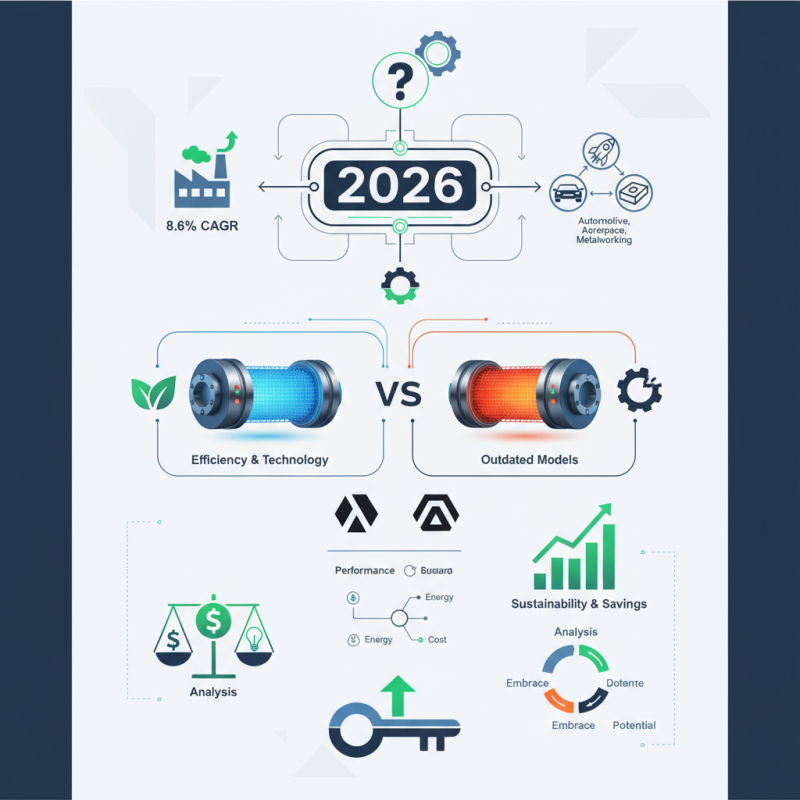
As the industrial world keeps changing, picking the right induction heatingsolutions isn’t just a simple decision anymore — it needs some serious thought. Recent figures from the Global Induction Heating Equipment Market Report show a pretty solid growth rate of about 8.6% CAGR from 2021 to 2028. Basically, this means more industries like automotive, aerospace, and metalworking are relying on induction heating tech than ever before. With all the recent improvements in efficiency and tech, it’s more important than ever for companies to stay in the know so they can choose the best gear for their needs.
Looking ahead to 2026, there will be tons of options when it comes to induction heating equipment. But here’s the thing — not all of those options are created equal. Big players like EMAG and Inductotherm are leading the charge with some pretty innovative solutions, but making the right choice still means digging into how well they’ll actually work for your specific application. It’s not enough to just go with the brand name; you really need to look at performance details, energy use, and whether it’s worth the cost. Sticking with outdated gear? That’s a surefire way to end up wasting energy and throwing more money out the window.
Also, with sustainability becoming a big deal these days, switching to energy-efficient induction heating systems is a must. But for many companies, that switch isn’t always easy — it’s a balancing act between the initial investment and those long-term savings. Taking time to understand these complexities can really help manufacturers make smarter choices. Embracing change, but doing so carefully and thoughtfully, is the key to making the most of induction heating in 2026 and beyond.
Understanding Induction Heating Technology and Its Benefits
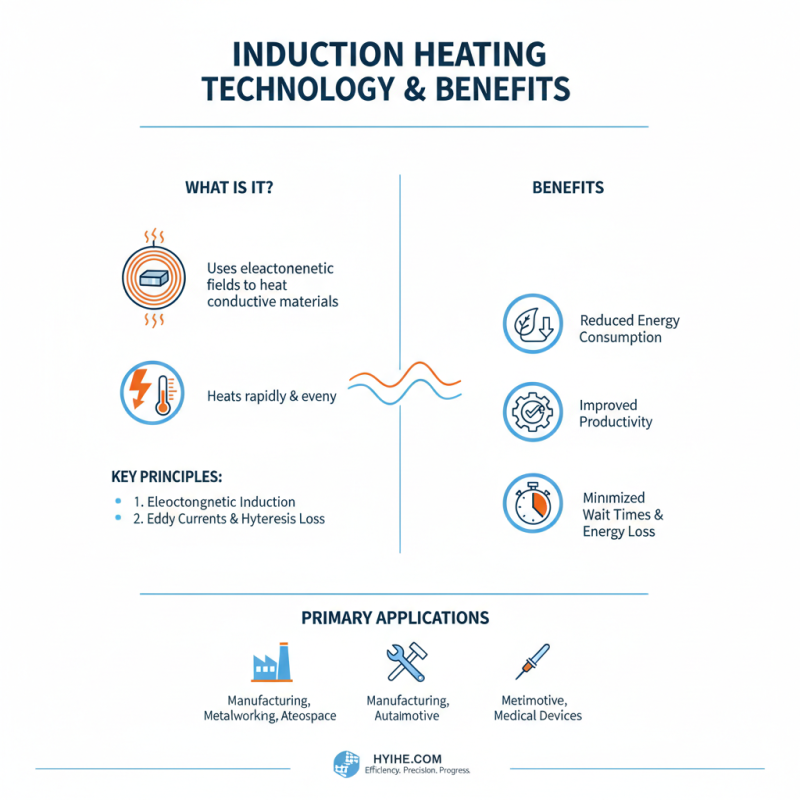
Induction heating technology has gained popularity for its efficiency and precision in various applications. Induction Heating Is a process that uses electromagnetic fields to heat conductive materials. This method reduces energy consumption and improves productivity. It can heat objects rapidly and evenly, minimizing wait times and energy loss. Many sectors, including manufacturing and metalworking, benefit greatly from this technology.
Understanding induction heating's advantages is crucial for various industries. One key benefit is safety. Since there are no flames involved, induction heating reduces fire risks. Additionally, it allows for better temperature control, which is essential in processes requiring specific heat levels. However, not every application may suit this technology perfectly. Some users may find it challenging to optimize their setups for maximum efficiency.
Choosing the right induction heating solution requires careful consideration. Users must evaluate their specific needs and constraints. Factors such as material type, heating speed, and energy efficiency play a vital role. While Induction Heating Is Advantageous, it is important to recognize its limitations. Some systems may require regular maintenance or specific setups. Exploring options and seeking expert advice can lead to better decisions.
Key Factors to Consider When Selecting Induction Heating Solutions
When selecting induction heating solutions in 2026, several essential factors come into play. Understanding the specific requirements of your application is crucial. Consider the material you'll be heating. Different metals require different temperatures and heating times. Hf Induction Heating offers advantages in efficiency and speed, but it is vital to evaluate how these factors align with your needs.
Energy consumption is another critical aspect. Efficient induction systems can lead to significant cost savings. Look for solutions that provide adjustable power levels. This versatility can help accommodate various tasks without wasting energy. Additionally, assess the reliability of the equipment. A well-built system will minimize downtime and maintenance costs over time.
Keep in mind that the technology surrounding induction heating is evolving. Innovations are emerging, leading to more effective solutions. However, new technologies may not always be the best fit. Too often, businesses rush to adopt the latest options without proper testing. Take the time to analyze how these solutions integrate with existing processes. Balancing cutting-edge features with reliability is key to making an informed decision.
Evaluating the Efficiency of Different Induction Heating Systems
When evaluating the efficiency of various induction heating systems, one must consider several factors. Analyzing the power output is crucial. Systems with higher efficiency convert more energy into heat. Rf Induction Heating is often favored for its rapid heating capabilities and energy savings. Users can enjoy quick processing times, leading to increased productivity.
Another important aspect involves temperature control. Precision matters greatly in applications requiring consistent heating. Some systems may struggle to maintain stable temperatures, affecting results. Efficiency is not just about speed. It also relates to how well a system minimizes energy loss. Systems designed with better insulation can outperform their less efficient counterparts.
Lastly, maintenance requirements should not be overlooked. Some induction heating systems may demand more frequent servicing, impacting overall efficiency. Users may need to reflect on their operational needs. Investing in systems known for durability can save costs in the long run. Consider each factor carefully to select the best induction heating solution.
How to Choose the Best Induction Heating Solutions in 2026? - Evaluating the Efficiency of Different Induction Heating Systems
| Heating System Type | Power Rating (kW) | Efficiency (%) | Max Heating Temperature (°C) | Cooling Method | Control Type |
| Low-Frequency Induction | 10 | 85 | 800 | Air-Cooled | Manual |
| Medium-Frequency Induction | 15 | 90 | 950 | Water-Cooled | Digital |
| High-Frequency Induction | 20 | 92 | 1100 | Air-Cooled | PLC |
| Induction Heating with Integrated Melting | 25 | 95 | 1200 | Water-Cooled | Smart |
Comparing Manufacturer Options: Quality, Support, and Expertise
Choosing the right induction heating solution involves careful consideration of various manufacturer options. Quality should be a top priority. Look for manufacturers with a solid track record in producing reliable, efficient induction heating systems. This is crucial. High-quality machines ensure better performance and longer service life.
Support services matter significantly. A skilled support team can ease troubleshooting and maintenance. Evaluate the availability of customer support. Are they accessible? Do they provide timely responses? These factors impact your operational efficiency.
Expertise in the field is equally important. Research manufacturers' backgrounds. Look for companies with experienced engineers and strong engineering capabilities. Their expertise can influence the technology used in your heating solution. However, don’t overlook small manufacturers. They may surprise you with innovation and attention to detail. Relying solely on well-known brands can lead to missed opportunities. Always weigh your options critically.
Comparison of Induction Heating Solutions - Key Metrics in 2026
Assessing Application-Specific Requirements for Induction Heating
Choosing the right induction heating solution in 2026 requires careful assessment of specific application needs. Different industries have varied demands, from metal processing to food heating. Each requires tailored solutions that offer efficiency and precision. Understanding material types and sizes is crucial. For instance, working with large metal parts needs high power, while smaller, intricate components demand precision.
A proper evaluation of workload is necessary. Consider cycle times and production volume. Long cycles could lead to inefficiencies, while too brief of a process might not heat effectively. The geometry of components also plays a vital role. Complex shapes can complicate heat distribution, requiring advanced induction techniques.
Moreover, each solution must take safety and environmental factors into account. Induction heating systems can generate strong electromagnetic fields. Ensuring that these systems are compliant with safety regulations is imperative. Opt for systems that not only meet industry standards but also provide ease of use. Reflect on previous experiences and gather feedback from your team. Learning from past implementations can help refine future choices and improve overall effectiveness.
Future Trends in Induction Heating Technologies for 2026
In 2026, induction heating technologies are set to witness significant advancements. A recent industry report indicates that the global induction heating market is projected to reach $5.6 billion by 2026, driven by rising automation and energy efficiency demands. Many companies are expected to adopt more efficient induction heating solutions. This trend aligns with a push for greener practices and sustainable manufacturing.
Emerging technologies will focus on improved energy transfer efficiency. Manufacturers are investing in new materials that enhance thermal conductivity. The potential for reduced energy consumption could reshape production lines. Data from research shows that integrating smart technologies with induction heating can increase operational efficiency by 25% or more. Companies must choose the right Induction heating machine supplier to take advantage of these innovations.
However, challenges remain. Not all suppliers offer the latest technology or reliable service support. Failing to evaluate options can lead to subpar equipment choices. Future leaders in this space will need to focus on long-term relationships with suppliers who can provide consistent upgrades and reliable performance. Achieving this balance will require careful consideration of current needs and future trends in technology.
Tips for Cost-Effectiveness in Induction Heating Investments
In the rapidly evolving field of induction heating, making cost-effective choices in 2026 requires careful consideration. Businesses must assess their unique needs and the potential return on investment. A thorough analysis of the technology is crucial. Induction heating offers precise control and efficiency but evaluating options can be overwhelming.
Here are several tips for ensuring cost-effectiveness in your induction heating investments. Start by exploring the different types of induction systems. Consider energy efficiency ratings and maintenance costs. These factors dramatically affect long-term expenses. Purchasing a high-efficiency system may cost more upfront but can save on operational costs over time.
Another point to reflect on is the scalability of your chosen solution. As your production needs change, the induction system should adapt. Flexibility is essential. It might feel tempting to choose the cheapest option, yet this could lead to higher costs later. Examine reviews and case studies from reputable sources. Gathering insights helps in making a well-informed decision.
Optimizing Wear Resistance in Gears and Bearings: The Role of Induction Quenching Machines
Induction quenching machines play a crucial role in optimizing wear resistance in gears and bearings, helping manufacturers achieve desired performance parameters for various applications. The precision hardening process provided by these machines ensures that critical components have a rigid surface layer that enhances their durability and performance. This technology is particularly beneficial for industries that require high levels of reliability and longevity in their machinery, as it helps to minimize failure rates and extend operational lifespans.
Utilizing advanced high-frequency induction heating technology, these machines deliver quick and localized heat treatment that results in significant improvements in surface hardness, reaching levels of HRC 50-65. This high level of hardness is essential for gears and bearings that endure substantial wear during operation. Moreover, the induction quenching process maintains a tough and ductile core, which is vital for withstanding the dynamic stresses experienced in high-performance applications. The energy-efficient nature of this treatment not only contributes to enhanced wear resistance but also aligns with modern demands for sustainability in manufacturing processes.
FAQS
: Induction heating uses electromagnetic fields to heat conductive materials efficiently.
It reduces energy consumption, improves safety, and allows for precise temperature control.
No, not every application is ideal for induction heating. Some users may face optimization challenges.
Evaluate material type, heating speed, and energy efficiency to find what suits your needs.
Power output, temperature control, and insulation quality are critical for efficiency.
Yes, some systems need regular maintenance, which can impact overall efficiency.
Reliable support helps with troubleshooting and maintenance, affecting operational efficiency.
Research their experience and engineering capabilities. This can influence your heating solution's quality.
Yes, smaller manufacturers can offer innovation and attention to detail that larger ones might miss.
Reflect on your operational needs and explore various options before making a choice.
Conclusion
This article explores the essential aspects of choosing the best induction heating solutions for 2026. It begins by providing a foundational understanding of induction heating technology and its numerous advantages, which include energy efficiency and precise temperature control. Key factors to consider when selecting induction heating systems are highlighted, such as system efficiency, application-specific requirements, and the quality of support offered by manufacturers.
Furthermore, the article emphasizes the importance of comparing different manufacturers based on quality, technical expertise, and customer service. It also looks into future trends shaping the landscape of induction heating technologies, including innovations that could enhance performance and reduce costs. Ultimately, practical tips for achieving cost-effectiveness in induction heating investments are offered, ensuring businesses make informed decisions that align with their operational needs and budgetary constraints.