Leave Your Message
Hey, in the fast-changing world of welding, picking the right welding machine can really make or break a project. Did you know the global market for welding equipment is expected to hit around $27.4 billion by 2027? That’s a huge number, and it just shows how important it is to make smart choices when selecting your gear. With industries getting more competitive than ever, how efficient and effective your welding setup can seriously impact your productivity and the final outcome. As John Smith from the American Welding Society puts it, “Choosing the right welding machine doesn’t just improve the quality of your welds—it also helps keep costs in check.”
There’s a wide variety of machines out there, each suited for different tasks and materials. For example, MIG welders are loved for being fast and versatile, while TIG welders are often the go-to for those super precise, cleaner welds—especially on thinner metals. Honestly, understanding what each type can and can’t do is key to making the right call for your specific project. And as technology keeps evolving, staying in the know about new trends and advancements can really give you a leg up, helping you improve both your skills and your results. At the end of the day, picking the right welding machine isn’t just about now — it can really shape the quality of your work and your reputation in the industry over the long haul.
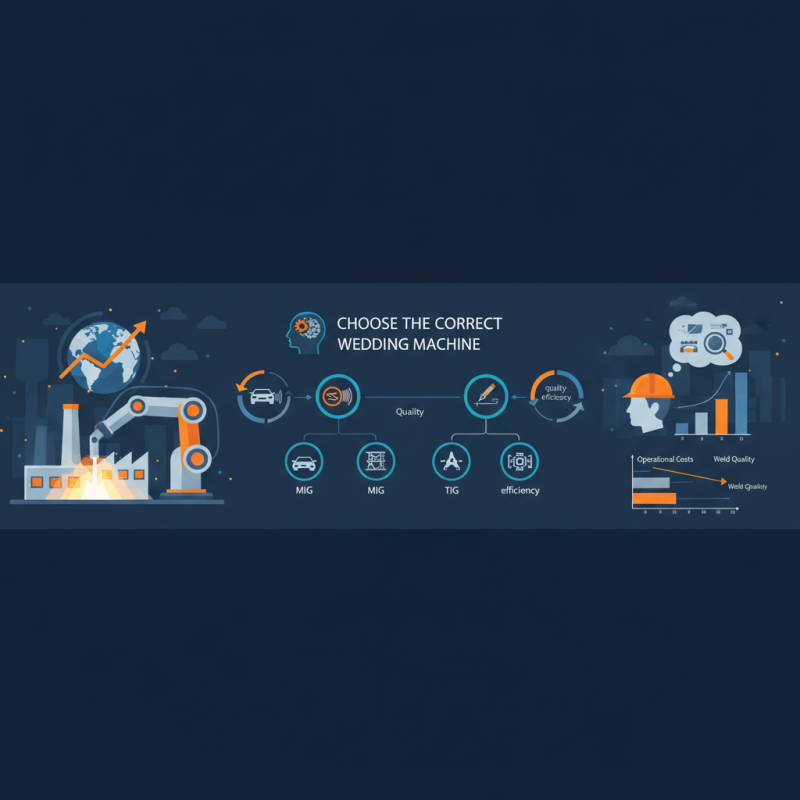
When embarking on a welding project, understanding the different types of welding machines available is crucial to achieving successful results. Welding technology has advanced significantly, with a variety of machines designed to cater to specific needs. The most common types include MIG (Metal Inert Gas), TIG (Tungsten Inert Gas), and Stick welding machines. According to a recent report by the International Institute of Welding, around 40% of all welding applications in manufacturing utilize MIG welding due to its efficiency and ease of use, particularly for thin materials.
TIG welding, while commonly recognized for its high-quality welds and versatility, accounts for approximately 25% of the market. It is favored for its ability to produce clean, precise welds on metals such as aluminum and stainless steel. On the other hand, Stick welding remains popular in construction and maintenance sectors, providing low-cost solutions for outdoor work. The American Welding Society highlights that Stick welding equipment can be found in approximately 30% of welding workshops, illustrating its ongoing relevance in various industrial applications.
In choosing the right welding machine, it's vital to consider the materials to be welded, the position of the weld, and the environmental factors at play. Industrial reports suggest that selecting the appropriate machine not only enhances the quality of work but also increases productivity by up to 20%. Therefore, understanding the nuances of each welding type aids in making informed decisions that can lead to more efficient and successful project outcomes.
| Welding Machine Type | Best For | Advantages | Disadvantages |
|---|---|---|---|
| MIG Welder | Thin metals, automotive repairs | Easy to learn, fast welding speed | Limited to thin materials, may require shielding gas |
| TIG Welder | Stainless steel, aluminum | High-quality welds, versatile | More complex technique, slower than MIG |
| Stick Welder | Outdoor welding, heavy materials | Good for rusty or dirty metals, portable | Can create sparks and spatter, difficult for thin metals |
| Flux-Cored Welder | Heavy-duty applications, outdoor conditions | No shielding gas required, deep penetration | Produces more spatter, requires more cleanup |
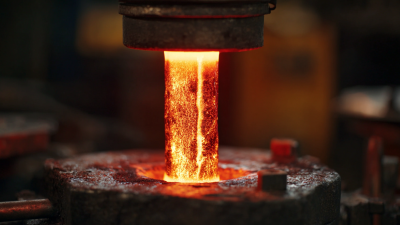
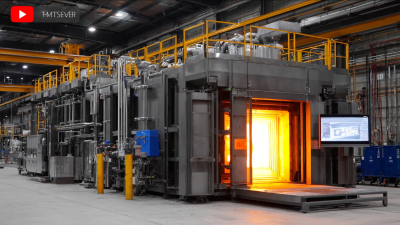
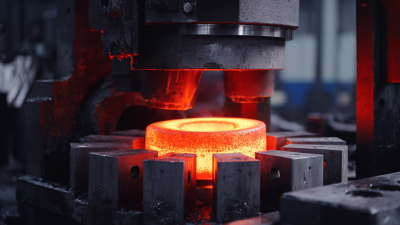
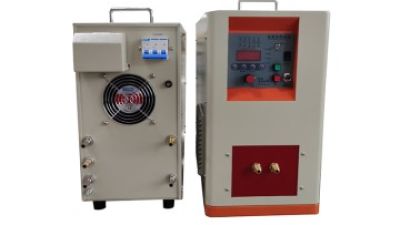
In the rapidly evolving industrial landscape, efficient bearing installation solutions are paramount for enhancing operational performance. The advent of advanced induction heating technology has significantly transformed the hot fitting process. This high-efficiency industrial induction heating machine is specifically designed for precision applications involving components such as bearings, sleeves, and axles. Utilizing advanced frequency-controlled induction heating, it achieves uniform temperature distribution while minimizing thermal stress, a crucial factor in preventing component damage during assembly.
The machine’s adjustable power output—ranging from 10 to 200 kW—coupled with digital temperature control that allows heating up to 1200°C, provides manufacturers with the flexibility required for various industrial needs. Reports indicate that efficient thermal fitting can reduce assembly time dramatically, with heating cycles completed in seconds to minutes, thus boosting productivity in sectors like automotive, aerospace, and manufacturing, which are vital to global economies. Moreover, this technology conforms to stringent industry standards, ensuring that operational safety is prioritized through features like overheat protection and automatic shutdown capabilities.
In addition to enhancing performance, the compact design of these induction heating systems enables seamless integration into existing production lines, whether in portable or stationary configurations. Such innovations foster cost-effective operations, ensuring distortion-free thermal expansion fitting and exceptional repeatability—a factor that recent industry studies highlight as critical for high-quality manufacturing processes. By adopting these efficient hot fitting machines, businesses can optimize their production efficiency and maintain a competitive edge in an increasingly demanding market.
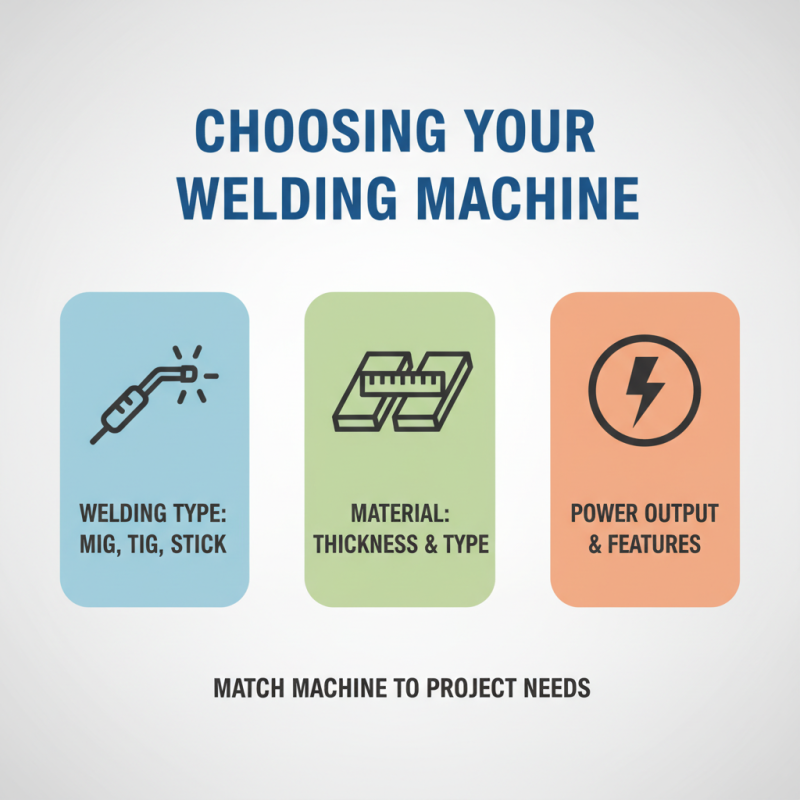
: You should consider the type of welding process (MIG, TIG, Stick), the thickness and type of materials, portability, duty cycle, and available features such as adjustable voltage settings, automatic settings, and digital displays.
The material thickness affects the power output and functionality required from the welding machine. For thin materials, a MIG welder may be appropriate, while thicker materials might necessitate a TIG welder for stronger welds.
If you intend to work in various locations, opting for a light and compact model can provide the versatility needed for onsite projects without compromising performance.
The duty cycle indicates how long a welding machine can operate continuously before needing to cool down. A higher duty cycle is preferable for longer welding tasks, ensuring efficiency during operation.
Yes, features such as adjustable voltage settings, automatic settings, and digital displays can enhance usability and contribute to the quality and efficiency of your welds.
Consider the price range based on the machine's type and capability, and also factor in additional costs such as maintenance, consumable materials, and energy consumption to create a comprehensive budget.
Assessing your specific project requirements, including the type of materials, scale, and environment, helps ensure that the welding machine you choose aligns with your needs, leading to better results.
Yes, operating costs can represent a significant portion of total ownership expenses, including maintenance and consumable materials, so consider machines that offer efficiency and reduced long-term costs.
Evaluate the materials involved, power requirements, and intended welding technique to ensure your choice of welding machine aligns with your project specifications for optimal performance.
Read through the specifications and user reviews, and carefully analyze both the initial investment and ongoing expenses to ensure that the machine meets your project requirements and budget considerations.
Selecting the right welding machine is crucial for the success of your projects. Understanding the different types available, such as MIG, TIG, and stick welders, helps you make an informed choice. It's essential to assess your project requirements to ensure optimal performance. When choosing a welding machine, consider factors such as cost, budget, and safety features to enhance your welding experience.
Additionally, maintenance and longevity are key aspects to keep in mind, as they directly impact the efficiency of your equipment. By evaluating the best brands and models in the market, you can find a welding machine that fits your specific needs while ensuring safety and reliability in your work. Making the right selection will not only improve your craftsmanship but also enhance the overall outcome of your welding projects.