When you're in the market for a forging furnace, there are quite a few important things you gotta think about. The industry itself has been booming lately — I mean, a recent report by MarketsandMarkets even predicts it'll hit around 5 billion dollars by 2027. Pretty impressive, right? And as industry expert Dr. Thomas R. Anderson points out, 'The right forging furnace can really boost both efficiency and the quality of your products.' So, it’s not just about the initial spend — it’s about the long-term gains, too.
Picking the right furnace is more than just a financial decision; it’s about ensuring your operations run smoothly and consistently. There are different designs out there, each suited for different production needs. Honestly, choosing the wrong one can cause all sorts of problems — inefficiencies that could hit your profits hard.
Plus, with newer tech in Forging Heating Equipment, you get better energy efficiency and lower emissions. That’s a win-win, right? But it’s important to think about whether those benefits are worth the extra upfront costs. It’s always a good idea to chat with industry pros — they can help you make a smarter choice. Balancing performance, cost, and technology — that’s how you make sure your investment in a forging furnace really pays off.
Key Specifications to Evaluate in a Forging Furnace
When purchasing a forging furnace, key specifications warrant close examination. Firstly, the heating capacity determines how much material can be processed at once. A furnace that reaches temperatures of over 1,200°C is essential for most forging applications. Industry reports indicate that furnaces with high energy efficiency ratings can reduce operational costs significantly, by as much as 30%.
Another critical specification is the material of construction. Many furnaces utilize high-strength steels which ensure longevity and durability. According to statistics, a well-constructed furnace can last over 20 years, depending on maintenance and usage. However, even the best materials can degrade if not properly cared for. This is a common oversight in the industry. Operators often underestimate the impact of regular inspections and maintenance routines.
Control systems also deserve attention. Modern furnaces offer advanced digital controls for temperature regulation and cycle times. This feature can enhance precision and productivity. Yet, not every high-tech system is user-friendly. Complexity can lead to operational mistakes. Therefore, a balance between technology and ease of use is crucial for efficiency. Careful evaluation of these specifications can lead to smarter investment decisions in forging operations.
What to Consider When Buying a Forging Furnace? - Key Specifications to Evaluate in a Forging Furnace
| Specification | Description | Importance |
| Furnace Type | Electric, Gas, or Induction | Determines energy efficiency and operational cost |
| Temperature Range | The maximum temperature the furnace can achieve | Critical for the type of forging operation |
| Heating Rate | Speed at which temperature is reached | Impacts production efficiency |
| Capacity | Overall weight of metal that can be processed at once | Affects overall production volume |
| Insulation | Material used for thermal insulation | Influences energy efficiency and safety |
| Control System | Type of controls for managing temperature and timing | Essential for precision in operations |
| Safety Features | Includes emergency shut-off and safety alarms | Important for operator safety |
| Price | Cost of the furnace | Budgeting and financial planning |
Types of Forging Furnaces and Their Applications
When selecting a forging furnace, understanding the types available is crucial. Several types are commonly used in the industry, including gas-fired, electric arc, and induction furnaces. Each type has specific applications, making them suitable for various forging processes. For example, gas-fired furnaces offer cost-effectiveness and are ideal for large-scale production. In contrast, electric arc furnaces provide precision and control, suitable for high-quality products.
Induction furnaces are known for their efficiency and quick heating capabilities, making them a popular choice for various materials. According to recent industry reports, the global forging furnace market is expected to grow by 5% annually until 2025. This growth indicates increasing demand for versatile and efficient forging technologies.
Tips: When evaluating your options, consider the material you'll forge. Different furnaces perform better with specific materials. Also, assess the production scale you aim for, as some furnaces are better suited for large operations. Check for energy efficiency; it can significantly impact your long-term costs. Remember to ask about maintenance considerations, as some furnace types require more upkeep than others. Effectively matching your needs with the right furnace will enhance production efficiency and product quality.
Energy Efficiency Considerations for Forging Furnaces
When considering energy efficiency for forging furnaces, several factors come into play. Primarily, the type of energy source impacts overall efficiency. Electric and gas furnaces each present unique advantages, but their operational costs can vary significantly. Electric models may provide more consistent heat, while gas options might heat up faster. Analyzing your production needs is crucial.
Insulation quality is another key consideration. Poor insulation can lead to heat loss, raising energy consumption. Look for furnaces with high-quality insulation materials. This investment yields long-term savings by conserving energy. Regular maintenance also plays a role. Dust and debris can accumulate, negatively impacting efficiency. Scheduling routine checks helps keep the furnace running smoothly.
Innovative technologies are transforming how forging furnaces operate. Features like automated temperature controls can enhance precision while reducing energy waste. However, new technologies may require upfront investment. It's vital to weigh potential savings against initial costs. Some companies have found that investing in energy-efficient systems pays off over time, while others are still trying to balance costs. This reflects the complexity of making the right choice.
Energy Efficiency Considerations for Forging Furnaces
This chart illustrates the various costs and efficiency ratings associated with forging furnaces. The data includes electricity cost, gas cost, maintenance cost, efficiency rating, and carbon emissions, helping buyers make informed decisions about energy efficiency.
Safety Features to Look for in a Forging Furnace
When considering the purchase of a forging furnace, safety features are paramount. Look for protective barriers that shield operators from heat and sparks. Additionally, emergency shut-off controls should be easily accessible. These features reduce risks associated with high temperatures and molten metal. Ensure the furnace has a robust construction that minimizes the chance of accidents.
Ventilation is another critical aspect. Proper airflow can prevent toxic fumes from accumulating during operation. A good forging furnace should have exhaust systems to manage these emissions effectively. Monitoring systems that alert operators of irregular temperatures or malfunctions can add an extra layer of safety. This proactive approach can highlight potential issues before they escalate.
Finally, operator training is essential. Even the safest equipment can pose a risk if not handled correctly. Incorporate regular training sessions into your operations to reinforce safety protocols. Investing time in training ensures all personnel are aware of the potential hazards associated with Metal Forging Equipment. Choosing the right furnace with these safety features is a step towards a safer working environment.
Cost Factors and Budgeting for Your Forging Furnace
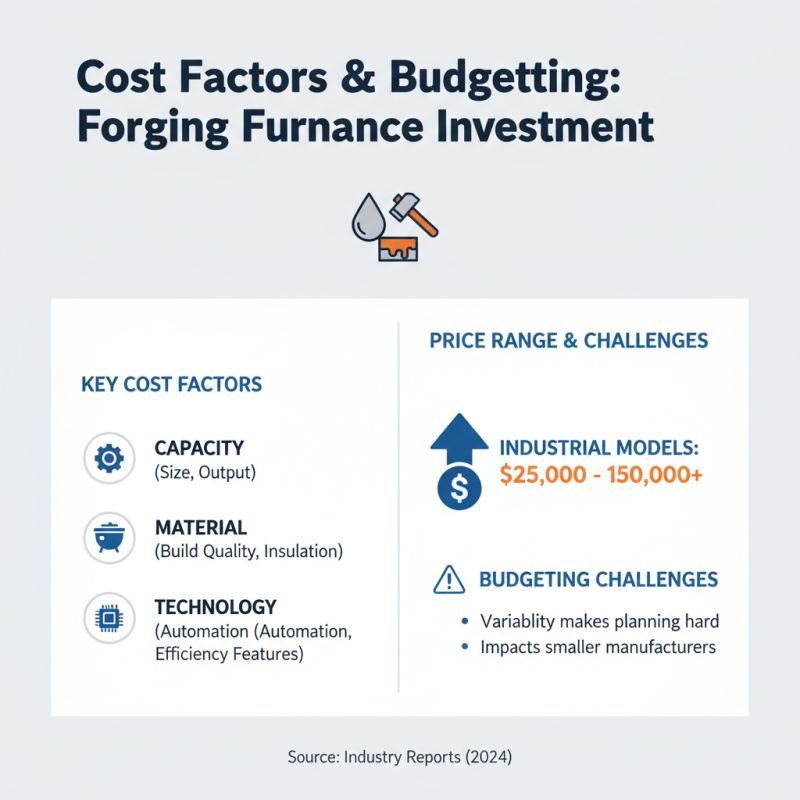
When investing in a forging furnace, understanding cost factors is essential. The price of a quality forging machine can vary significantly based on capacity, material, and technology. Reports indicate that price ranges can be between $25,000 and over $150,000 for industrial models. This variability can pose challenges for budgeting, especially for smaller manufacturers.
Energy consumption is another critical factor influencing the total cost. A furnace might consume up to 1,200 kWh per month, resulting in substantial electricity bills. Moreover, maintenance costs should not be neglected. Regular upkeep can add another 10-20% to the annual budget, depending on the machine's complexity.
Selecting a furnace with the right specifications is crucial, but financial decisions often come with uncertainty. Investing in a more efficient model could yield long-term savings, yet the initial expense can be daunting. Evaluating potential return on investment (ROI) helps in balancing these concerns. Understanding industry trends and comparing operational costs will also guide your decision-making process.
Maintenance Requirements for Different Furnace Types
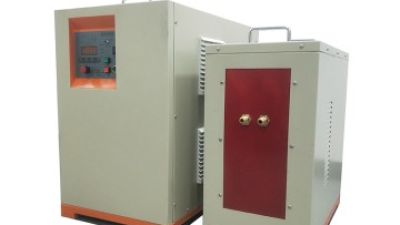
When choosing a forging furnace, maintenance is a crucial factor. Different furnace types come with unique maintenance requirements that can affect operational efficiency. For example, Induction Forging Machines generally require less upkeep compared to traditional gas or oil-fired furnaces. However, they still need regular inspections of electrical components and coolant systems to prevent overheating.
Additionally, it’s vital to maintain the lining in all furnace types. The refractory material can wear out over time, leading to heat loss and energy inefficiency. Operators should regularly check for cracks or deterioration. Regular maintenance meetings can help identify problems before they escalate, ensuring that operational costs remain manageable.
Another aspect to consider is the ease of access for maintenance tasks. Furnaces that are difficult to service can lead to longer downtimes. It often requires additional manpower, which might inflate expenses. Consider assessing the layout of the workspace to ensure that technicians can reach critical components easily. A proactive maintenance schedule can mitigate these concerns, yet it's often overlooked. These factors must not be underestimated when investing in a forging furnace.
Choosing the Right Forging Furnace Supplier and Support Services
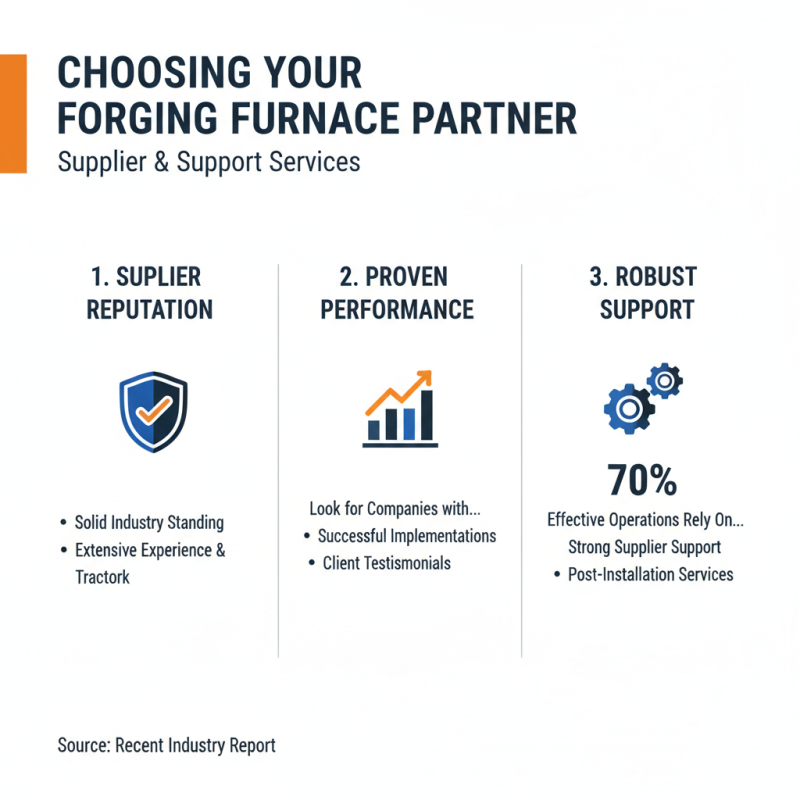
Choosing the right forging furnace supplier is crucial. The supplier should have a solid reputation in the industry. Look for companies with extensive experience and proven track records. According to a recent industry report, 70% of effective forging operations rely on robust supplier support services.
Support services play a pivotal role in the longevity and performance of an Induced Furnace. Experienced technicians should provide timely maintenance. Data indicates that regular maintenance can extend a furnace's life by up to 30%. Lack of support can lead to costly downtime, affecting production schedules.
Examine the supplier's technical expertise. A well-informed partner can offer tailored solutions. Over 65% of companies reported benefits from customized support services. Make sure you choose a supplier that prioritizes ongoing training for their staff. This helps ensure they can adapt to evolving technologies and maintain high operational standards. Be wary of suppliers who do not prioritize such investments.
Efficient Metal Smelting with the 25KW High Frequency Induction Furnace: A Comprehensive Guide
The 25KW high-Frequency Induction furnace represents a significant advancement in metal smelting technology, offering an efficient solution for a variety of metals including gold, silver, copper, and steel. Capable of melting up to 5 kg per batch, this compact yet powerful furnace is designed to meet the needs of small-scale metalworkers and jewelers. By utilizing high-frequency electromagnetic induction technology, it ensures rapid heating, reaching temperatures of over 1600°C with remarkable energy efficiency.
One of the key benefits of the 25KW Induction Furnace Is its speed and efficiency in the smelting process. Traditional methods often result in significant energy loss and longer operational times. In contrast, this furnace minimizes energy waste while achieving optimal melting times, allowing for faster production cycles. Its compact design also makes it suitable for settings where space is limited, without compromising the performance needed for serious metalworking tasks.
With its advanced heating capabilities and energy-efficient operation, the 25KW induction furnace stands out as an excellent choice for those looking to enhance their metal smelting processes. Whether for professional use or serious hobbyists, this furnace provides a reliable and effective means of melting various metals, promoting productivity and quality in metal crafting.
FAQS
: Common types include gas-fired, electric arc, and induction furnaces. Each serves different applications.
Gas-fired furnaces are cost-effective and ideal for large-scale production needs.
They offer precision and control, making them suitable for high-quality product requirements.
Induction furnaces heat materials quickly and efficiently, making them popular for various applications.
Consider the material you'll forge and the scale of production for optimal furnace performance.
Look for protective barriers, emergency shut-off controls, and effective ventilation systems.
Even safe equipment can be risky if mishandled. Regular training reinforces safety protocols.
Strong supplier support can extend furnace life by up to 30%. Lack of it leads to costly downtimes.
Examine their reputation, experience, and technical expertise to ensure reliable support services.
Customized services can meet specific needs, improving operational efficiency and satisfaction rates among businesses.
Conclusion
When purchasing a forging furnace, several key specifications should be carefully evaluated, including temperature range, control accuracy, and capacity. Understanding the various types of forging furnaces, such as induction, gas, and electric, is crucial, as each has distinct applications and advantages. Energy efficiency is another important consideration, influencing operational costs and environmental impact.
Safety features are vital to ensure a secure working environment, while cost factors and budgeting play a critical role in the decision-making process. Additionally, potential buyers should consider the maintenance requirements specific to different furnace types to ensure longevity and optimal performance. Finally, choosing the right supplier and support services can significantly enhance the overall experience and efficiency of using a forging furnace, making it an essential aspect of the procurement process.