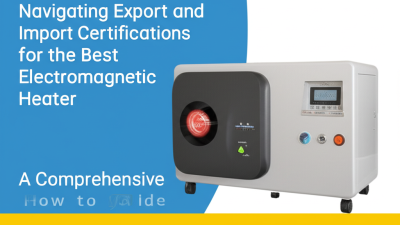
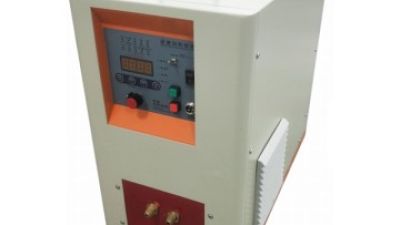
When it comes to heating technology, the Electromagnetic Heater really stands out as a pretty impressive innovation. Experts like Dr. James Anderson from ThermoTech Solutions often say things like, "Electromagnetic heaters deliver unmatched efficiency and accuracy when it comes to applying heat." That kind of talk really highlights how theseelectromagnetic induction heaters are becoming more and more important across different fields.
You know, these heaters are super versatile — they’re used everything from cooking and industrial stuff to even medical equipment. One of the coolest things about them is how they transfer energy directly to whatever’s being heated, which means less energy is wasted, and things heat up faster and more efficiently. But, of course, it’s not all smooth sailing. Not all industries have fully caught on yet, and there’s definitely a need for more education about how these heaters work.
On the tech front, companies are still pushing the boundaries, coming up with new ways to improve these devices. Still, it’s understandable that some folks are a little hesitant—adopting new tech can be scary! Getting a handle on how to properly install and integrate electromagnetic heaters is pretty crucial. Every new development in this area gives us a chance to really think about how best to use these tools, because finding the right balance between innovation and practical use helps us understand just how valuable they can be.
What is an Electromagnetic Heater?
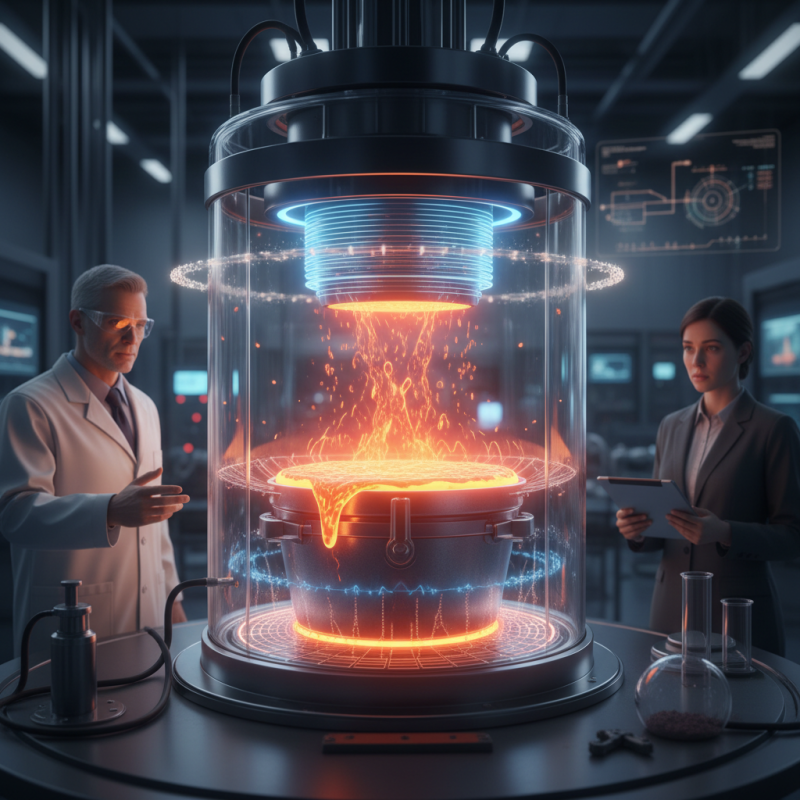
Electromagnetic heaters are innovative devices that utilize electromagnetic fields to generate heat. Unlike traditional heating methods, they directly transfer energy to the object or material being heated. This process results in efficient and rapid heating, making them suitable for various applications, including industrial processes and building heating.
One key advantage of electromagnetic heaters is their energy efficiency. They convert a higher percentage of energy into usable heat compared to conventional heaters. This can lead to reduced energy costs. Moreover, the precise control over temperature offers significant benefits in applications requiring exact heat levels. However, potential drawbacks include initial installation costs and the need for specialized equipment.
In industries, electromagnetic heaters are used for applications like metal processing or plastics fabrication. Their ability to heat specific areas without affecting surrounding materials is valuable. Still, users should be aware of the technology’s limitations. For instance, not all materials respond equally to electromagnetic heating, which may necessitate further evaluation. Understanding these aspects can enhance decision-making in heating solutions.
How Electromagnetic Heaters Work: The Science Behind Them
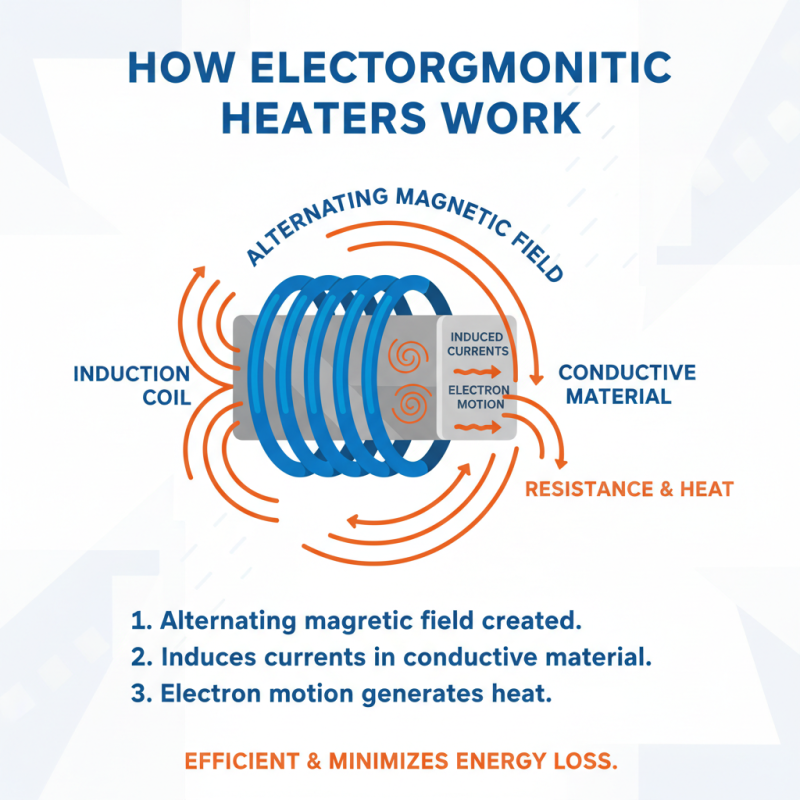
Electromagnetic heaters operate using the principles of electromagnetic induction. This process generates heat by inducing currents within conductive materials. When the heater is activated, an alternating magnetic field is created. This field causes electrons in the metal to move, generating resistance and, consequently, heat. This direct heating method is efficient and minimizes energy loss.
Tips for effective use: Ensure the heater is compatible with the material being heated. Always monitor the temperature to avoid overheating. Regular maintenance is key for optimal performance. Check for signs of wear or damage.
These heaters are widely used in industries like metalworking and food processing. They offer precision heating, reducing energy costs and improving workflow efficiency. However, the initial setup may be complex. Some users may find the technology challenging when first implementing it. A solid understanding of the equipment is crucial for success in specific applications.
Key Applications of Electromagnetic Heaters in Various Industries
Electromagnetic Heaters are gaining traction across various industries due to their efficiency and precise heating capabilities. In the food industry, these heaters ensure uniform cooking without direct contact, essential for maintaining flavor and safety. They allow for instant heating, which is vital in high-paced environments like restaurants and catering services.
In the manufacturing sector, Electromagnetic Heaters stand out for their ability to provide targeted heat for specific processes, such as plastic molding. This targeted approach minimizes energy waste, aligning with sustainability goals. However, users should be aware that installation can be complex, necessitating a skilled technician to optimize performance.
In laboratory settings, Electromagnetic Heaters offer rapid temperature control essential for experiments. Scientists value the precision but must calibrate and monitor these devices closely to avoid overheating or uneven heating. This dependence on meticulous oversight highlights the need for continuous evaluation to ensure optimal functionality and reliability in sensitive applications.
Applications of Electromagnetic Heaters in Various Industries
Benefits of Using Electromagnetic Heaters Over Traditional Heating Methods
Electromagnetic heaters offer several advantages over traditional heating methods. Unlike conventional heaters, they generate heat without direct contact or combustion. This translates into safer operation and enhanced energy efficiency. Electromagnetic Bolt Heater systems can heat quickly and uniformly, providing reliable performance in various applications. Users often notice significant reductions in energy costs.
Another key benefit is the precision of temperature control. Electromagnetic heaters allow for rapid adjustments to heat levels. This feature is particularly valuable in industrial settings, where exact temperatures are crucial for manufacturing processes. Moreover, electromagnetic heating systems minimize heat loss by using electromagnetic fields to directly heat materials. Traditional methods often waste energy, as they heat the surrounding air.
However, it’s important to recognize potential drawbacks. The initial investment for electromagnetic heaters can be higher compared to traditional options. Maintenance complexity is another consideration, as some users may find they need specialized training. Reflecting on these factors is crucial for making informed choices. Even with the challenges, the benefits of electromagnetic heating cannot be overlooked in today’s energy-conscious environment.
Factors to Consider When Choosing an Electromagnetic Heater
When choosing an electromagnetic heater, several factors demand attention. Consider power efficiency as a key criterion. Reports show that electromagnetic heaters can achieve up to 90% efficiency. This means less energy is wasted, leading to lower utility costs for users. Precision in temperature control is another essential factor. Advanced models can maintain specific temperatures within a narrow range, ideal for processes that require exact heating.
The installation environment is also critical. These heaters are versatile, suitable for residential and industrial applications. However, space limitations can affect their effectiveness. It is advisable to assess the location's electrical capacity and ensure proper ventilation as overheating can occur in confined spaces.
Maintenance requirements cannot be overlooked. Some systems may require regular cleaning and inspections. Neglecting these tasks can lead to diminished performance or potential hazards. Electromagnetic Induction Water Heaters, for instance, may have components that calcify over time, adversely affecting efficiency. Regular checks can extend the lifespan of these units, ensuring reliable service and optimal functionality.
Maintenance and Safety Tips for Electromagnetic Heaters
Electromagnetic heaters offer a range of advantages, but proper maintenance is crucial for optimal performance. Regularly check connections and wiring for signs of wear or damage. Loose connections can lead to efficiency loss or complete failure. Keep the heater clean; dust and debris can hinder functionality. A simple wipe down with a damp cloth can make a significant difference.
Safety is another vital aspect. Ensure that the heater is installed according to guidelines. Overloading outlets can cause electrical hazards. Consider using circuit breakers to protect the system. Always monitor the heater during operation. Unexpected noises or changes in performance may indicate issues that need attention.
User experience can vary, and not all settings are ideal. Sometimes, users may need to adjust their expectations based on specific applications. electromagnetic heating technology can be incredibly effective, but it requires understanding and attentiveness. Regular inspections can prevent minor problems from escalating, helping to foster a safer environment. Keep a maintenance log to track performance and address concerns promptly.
Future Trends in Electromagnetic Heating Technology
Advancements in electromagnetic heating technology are paving the way for a transformative future. This method utilizes electromagnetic waves to directly heat materials, offering precise temperature control. Industries like manufacturing and food processing are starting to adopt these systems more widely. They provide fast heating times and energy efficiency unmatched by traditional methods. As demand rises, the focus on developing more eco-friendly solutions grows.
Emerging trends indicate a shift toward smarter heating systems. Integrating sensors and IoT capabilities can enhance efficiency. These systems can adjust heating in real time, minimizing energy waste. It's interesting to note that while these advancements hold great promise, some technologists express concerns over scalability. Challenges with infrastructure and initial costs might impede widespread adoption.
Another area of exploration is the use of advanced materials. Innovations in ceramic and composite materials could improve the durability of heating elements. These materials can withstand higher temperatures and harsh conditions. However, research is ongoing, and some questions remain unresolved. Balancing performance with cost-effectiveness is crucial in this evolving landscape. The future of electromagnetic heating is bright, but careful consideration of these challenges is essential.
Innovative Induction Heater Solutions for Efficient Welding and Brazing of Tile, Marble, and Timber Saw Teeth
The world of welding and brazing has evolved significantly, especially with the advent of innovative induction heater solutions. These advanced machines are transforming the way we approach the precision brazing of tungsten carbide-tipped (TCT) tools. Specifically designed for applications involving tile, marble, and timber saw teeth, these induction heaters offer exceptional efficiency and accuracy. By utilizing controlled heating techniques, they minimize the risk of overheating, ensuring that tool integrity is maintained throughout the brazing process.
The effectiveness of Induction Heating lies in its ability to concentrate heat precisely where it is needed, which is crucial when working with materials that require a delicately balanced approach. This technology allows for quick and uniform heating of saw teeth, whether for tile saws or marble floor blades, ensuring a robust bond that withstands the demands of intensive cutting tasks. Moreover, the advanced design of these machines not only enhances their operational efficiency but also contributes to reduced energy consumption, making them an eco-friendly choice in modern workshops.
As the demand for high-performance tools grows, adopting such innovative solutions is vital for manufacturers looking to stay ahead. The Induction Heater systems embody a commitment to quality and precision, significantly enhancing the durability and performance of saw teeth across various applications, from cutting through tough materials to ensuring smooth and reliable operations in the field.
FAQS
: They use electromagnetic induction to generate heat by inducing currents in conductive materials.
An alternating magnetic field is created, causing electrons to move and generate heat through resistance.
They offer safer operation, enhanced energy efficiency, and uniform heating without direct contact or combustion.
Electromagnetic heaters minimize energy loss and provide precise temperature control, unlike conventional methods that waste energy.
Ensure compatibility with the material, monitor temperatures, and keep up with regular maintenance to prevent issues.
Yes, initial setup can be complex, and some users may struggle with understanding the technology at first.
Maintenance can be complex, and users may need special training for proper upkeep and operation.
The initial investment is higher compared to traditional heating options, which could be a drawback for some users.
Yes, users can make rapid adjustments to heat levels, which is essential in industrial applications.
Yes, reflecting on both aspects is important for making informed choices in an energy-conscious environment.
Conclusion
Electromagnetic heaters utilize innovative heating technology that operates through the principles of electromagnetism. These heaters function by generating heat directly within conductive materials, making them highly efficient and effective for various applications across industries such as manufacturing, food processing, and residential heating. The science behind electromagnetic heaters involves inducing eddy currents, which produce heat, leading to quicker and more controlled thermal responses compared to traditional methods.
The key benefits of using electromagnetic heaters include energy efficiency, precise temperature control, and reduced heat loss. When selecting an electromagnetic heater, factors to consider include the heating capacity, installation requirements, and maintenance needs. Regular maintenance and adherence to safety guidelines ensure optimal performance and longevity. As technology advances, future trends in electromagnetic heating are expected to enhance efficiency and broaden applications, promising even greater benefits for users.