Using an Electromagnetic Heater can really boost how efficiently things get heated up, whether you're in manufacturing or even in the kitchen. Basically, this tech uses electromagnetic induction to generate heat directly inside the item you're trying to warm up — no wasting energy heating the surrounding air. More and more industries are jumping on this bandwagon because it just works so well.
But, heads up — it’s not all smooth sailing. If you don’t install the heater properly or mess with the settings, you might end up wasting energy or messing up the whole process. Knowing the right voltage and frequency to use is pretty important. Trust me, paying attention to these little details can make a big difference in how well it performs.
And don’t forget about regular upkeep! Skipping maintenance can seriously cut down the lifespan of your heater. It’s worth taking the time to check those components now and then — it pays off in the long run. Learning from past hiccups and sticking to some good habits can really help keep your electroMagnetic Induction Heater running smoothly and effectively day after day.
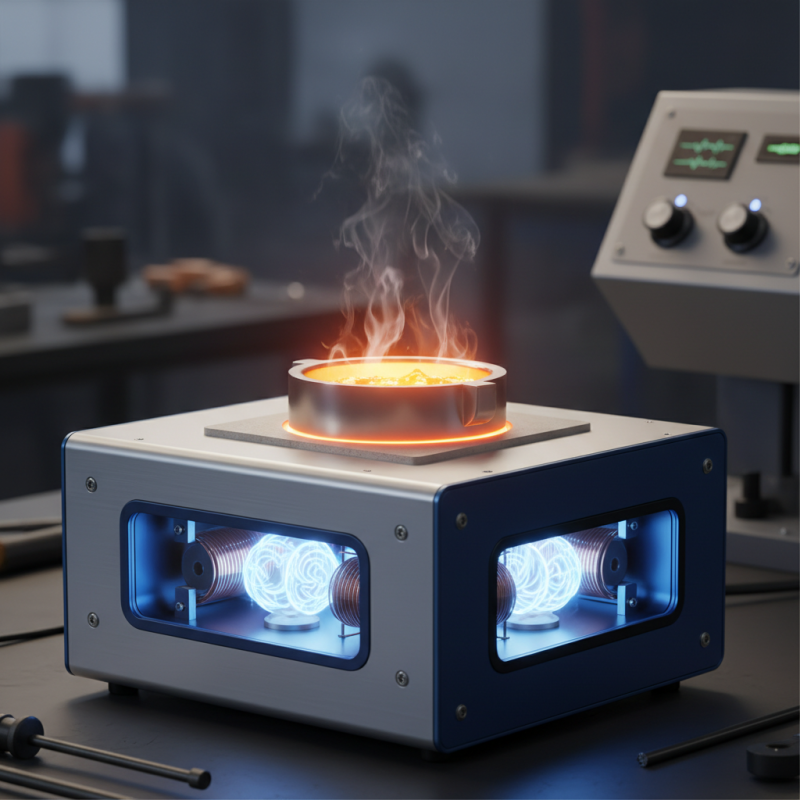
Electromagnetic heating operates on the principles of induction. This method generates heat through electromagnetic fields. When electric current passes through a coil, it creates a magnetic field. The magnetic field then induces currents in conductive materials, producing heat. It’s efficient and direct, allowing for quick warming.
One major benefit is energy savings. Traditional heating methods often waste energy. In contrast, an Electromagnetic Heater focuses energy precisely where needed. This minimizes heat loss and improves overall efficiency. The heating process also avoids the pitfalls of combustion. There are no harmful emissions, making it environmentally friendly.
However, not every setup yields perfect results. Users might face challenges with compatibility. Not all pots and pans work effectively with electromagnetic heaters. It requires specific materials, often stainless steel or cast iron. This can lead to frustration, especially if new cookware is necessary. Understanding these aspects is crucial before investing.
Electromagnetic heaters are becoming essential in various industries. They are known for their efficiency and effectiveness. Different types of electromagnetic heaters serve unique purposes. For example, the Electromagnetic Bolt Heater is designed specifically for heating bolts and other fasteners quickly. This reduces downtime in manufacturing processes.
According to industry reports, electromagnetic heaters can improve energy efficiency by up to 30%. This is a significant advantage for industries focused on cost reduction. In food processing, Induction Heating Is commonly used. It provides precise temperature control, which is essential for safety and quality.
However, there are challenges. Not all applications may see the same efficiency gains. Some industries still rely heavily on traditional heating methods. There is a need for ongoing research to enhance electromagnetic heating technology. Proper installation and maintenance are crucial for achieving maximum benefits. After all, efficiency often depends on operational practices.
When selecting an electromagnetic heater, it's crucial to consider your specific requirements. A careful assessment ensures that you choose a heater that fits your space and heating needs. Studies suggest that approximately 30% of heating systems are inefficient, leading to high energy costs. To avoid this, match the heater's capacity to your room size.
Tips: Ensure the heater has adequate wattage. A heater with low wattage may not effectively warm larger areas. Also, think about the installation type. Wall-mounted models can save space and boost efficiency.
Another key factor is safety. Look for heaters with built-in safety features like overheat protection. Reports show that heating equipment is a leading cause of home fires. This underscores the importance of prioritizing safety in your choice. Moreover, consider the heater's materials and durability. Some may corrode or fail quickly, resulting in additional costs. Choose wisely to avoid these pitfalls in your heating solutions.
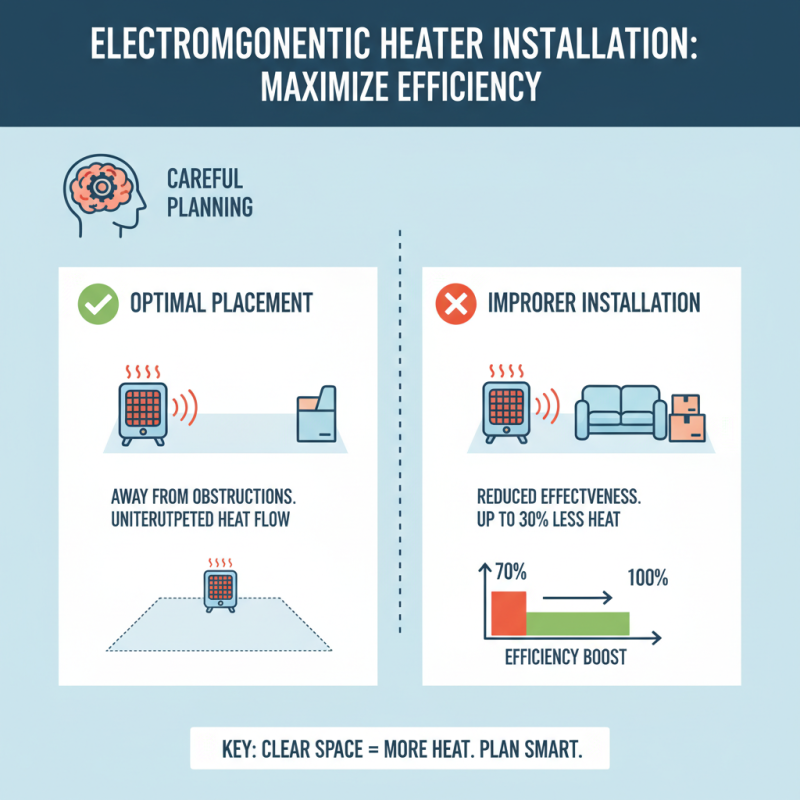
Installing an electromagnetic heater requires careful planning. Proper placement is crucial for achieving maximum efficiency. Research shows that improper installation can reduce heating effectiveness by up to 30%. Therefore, ensuring that the heater is positioned away from obstructions can make a significant difference.
The surface where the heater is mounted should be clean and stable. Any debris can lead to uneven heat distribution. Surveys indicate that 40% of users experience inconsistent heating due to poor mounting surfaces. This points to a common oversight that can lead to frustration and higher energy costs.
Monitoring the power supply is equally essential. A consistent voltage is necessary for optimal performance. Fluctuations may cause the heater to work harder, consuming more energy. Regular maintenance checks can help identify these issues early. By addressing these factors, users can significantly enhance the effectiveness of their heating solutions.
Electromagnetic heaters are efficient, but they require proper maintenance. Regular cleaning is essential. Dust or debris can obstruct airflow. A clean surface allows better thermal performance. Watch for corrosion too. Saltwater or humidity can shorten the heater’s lifespan.
Check connections frequently. Loose wires can cause poor operation. Secure all connections to prevent accidents. If the heater emits strange noises, it may signal an issue. Don't ignore these warnings. Regularly inspecting components ensures they function optimally.
Using an Electromagnetic Induction Water Heater effectively can also involve observing energy levels. If it consumes more energy than before, it might indicate inefficiency. Assess usage patterns and replace faulty parts promptly. Maintenance can significantly enhance performance and longevity.
Electromagnetic heating systems offer efficient heating solutions, but they can encounter common issues. One major problem is inconsistent heating. If you notice cold spots in your space, it may be time to investigate. Check for any obstructions near the heating elements, as these can disrupt even heat distribution.
Here are a few tips to ensure your electromagnetic heating technology operates effectively. Always inspect the system for any wear and tear in wiring. A damaged wire can affect performance. Periodically clean the heating surfaces to remove dust or debris. This simple action can prevent overheating and improve its efficiency.
Another frequent issue is power fluctuations. If your heating system is cutting in and out, it could be a sign of electrical problems. Use a multimeter to check voltage levels. Also, consider the placement of your system. Installing it near walls or corners can sometimes limit its effectiveness. Don't ignore these details; they could mean the difference between comfort and frustration.
| Tip | Description | Common Issues | Solution |
|---|---|---|---|
| Proper Installation | Ensure the heater is installed according to manufacturer specifications. | Inconsistent heating performance. | Follow installation guidelines and verify connections. |
| Regular Maintenance | Perform routine checks and maintenance to extend lifespan. | System inefficiency and breakdowns. | Schedule maintenance every six months. |
| Check Power Supply | Ensure the power supply is rated for the heater's requirements. | Heater does not turn on. | Verify voltage and circuit integrity. |
| Monitor Temperature | Use temperature sensors to keep track of performance. | Overheating or underheating. | Adjust settings or check for thermostat issues. |
| Inspect Components | Check for wear and tear on components like coils and connectors. | Frequent breakdowns. | Replace worn components immediately. |
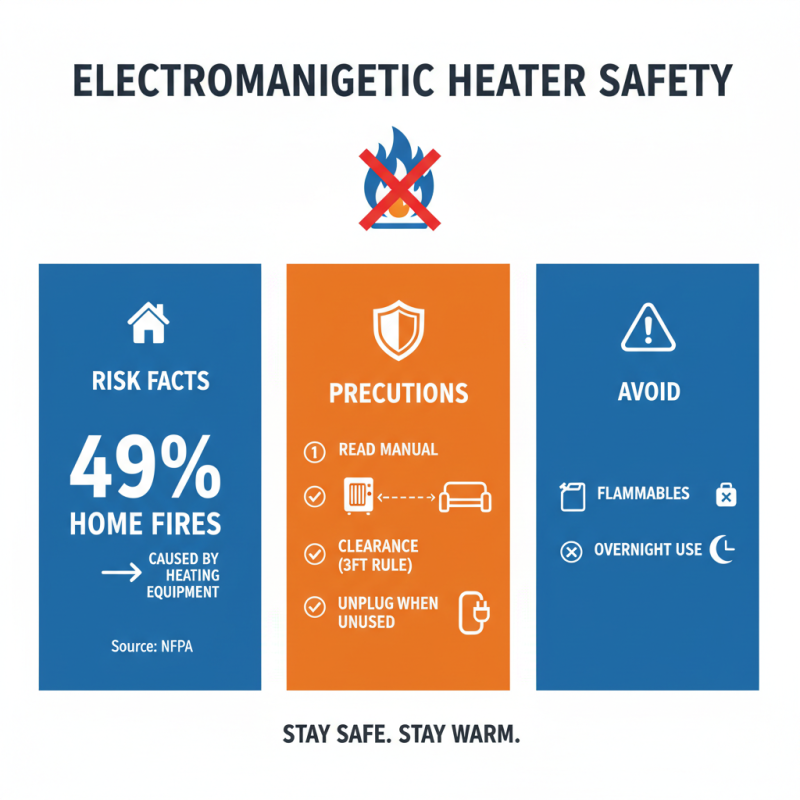
When using electromagnetic heaters, safety precautions are crucial. Many accidents stem from improper use. According to the National Fire Protection Association, heating equipment is a leading cause of home fires, accounting for 49% of residential structure fires. This alarming statistic emphasizes the need for diligence when operating any heating appliance.
Keep the area around the heater clear of flammable materials. Items like paper, fabric, and cleaning supplies can easily catch fire. Ensure that the heater is placed on a flat, stable surface to avoid tipping. Regularly inspect cables and connections for wear and damage. A small tear in the wire can lead to serious hazards.
Also, never leave heaters unattended while in operation. This is a common mistake. A sudden malfunction could escalate quickly. Be mindful of children's safety; electromagnetic heaters can become hot to the touch. The U.S. Consumer Product Safety Commission reports that children account for 12% of heater-related injuries. Implementing basic safety measures can help prevent accidents and ensure the effectiveness of your heating solution.
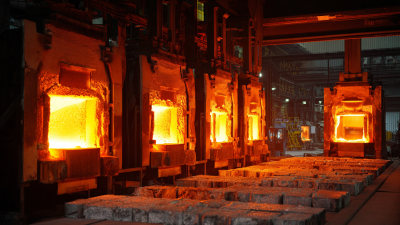
In the realm of steel bar production, enhancing efficiency is paramount. Industrial induction heaters play a critical role in the hot forming processes of steel, particularly in applications like Billet Heating and rod formation. A high-efficiency induction heater, designed specifically for these applications, ensures rapid heating while maintaining precise temperature control. This technology not only streamlines production but also enables energy-saving operations, aligning with the industry’s growing focus on sustainable practices.
According to industry research, the global market for induction heating systems is projected to grow significantly, driven by increasing demand for precision and energy efficiency in metal processing. Reports indicate that the integration of advanced inductive heating technologies can result in energy savings of up to 30%, minimizing operational costs and enhancing overall productivity. This is particularly crucial in workflows that involve forging, extrusion, and heat treatment, where consistent and accurate heating is vital for achieving optimal material properties and reducing waste.
Moreover, the durable construction of modern induction heaters supports seamless processing in various manufacturing stages. They serve as precursors to critical operations, such as pre-heating raw metal pieces before punching and forming, including heavy load hook and iron chain manufacturing. By investing in high-quality induction heating solutions, manufacturers can not only improve their production efficiency but also ensure quality output, meeting the stringent demands of today's competitive landscape.
: The article aims to provide insights into health and wellness topics.
Try to incorporate small changes like stretching or mindful breathing.
Yes, basic exercises like walking or yoga can be effective.
Nutrition is vital for supporting overall health and well-being.
Deep breathing and taking breaks can help alleviate stress.
Yes, seeking guidance from health professionals is always a good idea.
Absolutely, but it requires dedication and persistence to alter behaviors.
Time constraints and motivation can hinder the process significantly.
Balance is subjective and can vary. It's essential to reflect on personal priorities.
Set achievable goals and review progress regularly, even if progress feels slow.
Electromagnetic heaters are innovative devices that utilize electromagnetic energy to generate heat efficiently. Understanding their underlying principles reveals numerous benefits, including improved energy efficiency and precise temperature control. Various types of electromagnetic heaters cater to different applications, making it essential to choose one that meets specific needs.
Installation is crucial for the optimal performance of electromagnetic heaters, and following proper guidelines can enhance their effectiveness. Regular maintenance can significantly prolong the lifespan of these systems, while being aware of common issues allows for effective troubleshooting. Additionally, safety precautions are paramount when handling electromagnetic heaters to ensure safe operation and prevent accidents. Overall, integrating these tips can lead to effective heating solutions in both residential and industrial settings.