Nowadays, having efficient heating options is pretty much a must for a bunch of industries. I remember hearing Dr. Emily Carter from Advanced Thermal Technologies say something like, "Electromagnetic Heaters are really changing the way we think about heat." Honestly, that really stuck with me—that’s how important these tech solutions like theelectromagnetic induction heater are becoming.
What makes electromagnetic heaters stand out? Well, for starters, they’re super energy-efficient and precise. Instead of just warming everything around them like traditional heaters do, these guys heat up materials directly using electromagnetic waves. That means less heat gets wasted and they work a whole lot better—many businesses end up saving a good chunk of money and run smoother overall.
That said, switching over to an electromagnetic heater isn’t always a walk in the park. It can be tricky to fit this new tech into existing setups, and that can cause some headaches. So, it’s really important to weigh the perks against potential bumps in the road. Planning ahead and thinking things through helps make the whole transition smoother—and more successful in the end.
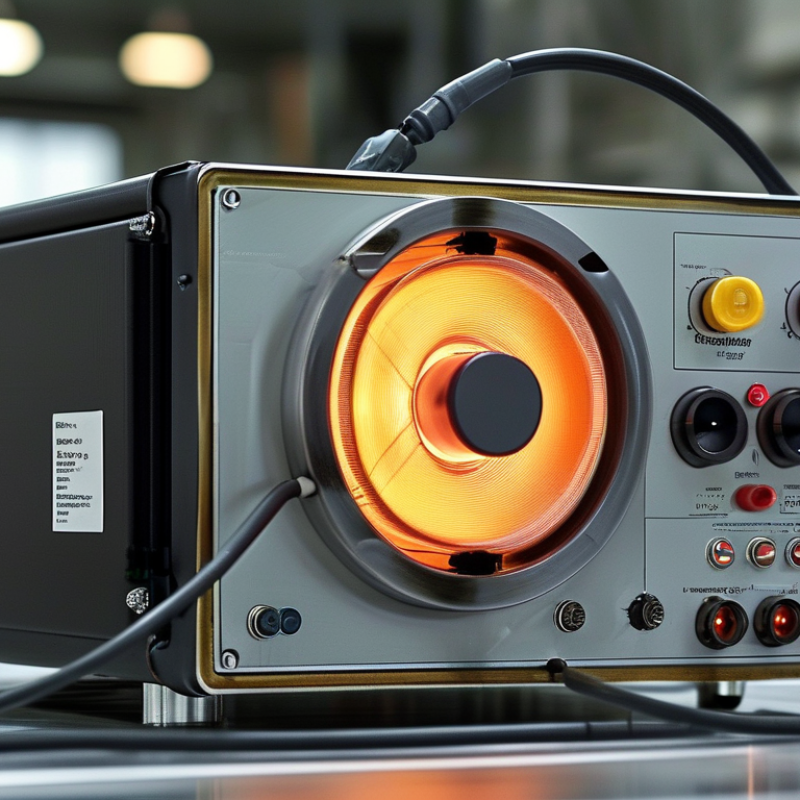
Understanding Electromagnetic Heaters: An Overview
Electromagnetic Heaters offer a unique approach to heating solutions. Understanding their operation begins with the principle of electromagnetic induction. This method generates heat directly in the object being heated. For example, pots and pans heat up quickly when placed on an electromagnetic stove. This technology is efficient because it minimizes energy loss.
The design and materials used in electromagnetic heaters can vary. They often feature sleek designs that can fit into modern kitchens and industrial settings. These heaters can provide uniform heating, which is vital for cooking and manufacturing processes. However, they may require specific cookware that is compatible with electromagnetic fields. Not every pan will work, leading to potential frustration.
While electromagnetic heaters are powerful, they are not without flaws. One major concern is the initial cost, which can be higher than traditional heating methods. Users may need time to adjust to different cooking techniques. It’s essential to weigh these factors against the long-term energy savings. Research may be needed to find the best practices for using an electromagnetic heater effectively.
Key Advantages of Electromagnetic Heating Technology
Electromagnetic heating technology offers several key advantages that make it an attractive choice for efficient heating solutions. One significant benefit is its rapid heating capability. This technology uses electromagnetic fields to generate heat directly in the material. As a result, there is minimal heat loss, allowing for quicker temperature rises. In industrial settings, this can lead to increased productivity.
Another major advantage is energy efficiency. Traditional heating methods often waste energy through convection and radiation. In contrast, electromagnetic heaters provide focused heating. They only heat the object, not the surrounding air. This targeted approach can significantly lower energy costs. Users often report a noticeable decrease in their utility bills after switching to this technology.
Additionally, electromagnetic heating systems tend to have a longer lifespan due to their lack of physical moving parts. They require less maintenance, which enhances their reliability over time. However, it's vital to ensure proper installation and regular checks. For all their advantages, improper use or neglect can lead to diminished performance. Thus, attention to detail remains crucial in maximizing the benefits of electromagnetic heating.
Applications of Electromagnetic Heaters in Various Industries
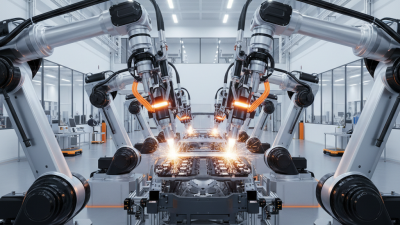
Electromagnetic heaters are increasingly finding their way into various industries due to their efficiency and versatility. In the manufacturing sector, these heaters offer rapid heating solutions, essential for processes requiring precise temperature control. For example, in metalworking, the Electromagnetic Bolt Heater effectively heats bolts and other components, ensuring proper assembly and reducing the risk of material distortion. This localized heating method minimizes energy consumption and boosts productivity, making it a valuable tool for manufacturers.
In the food processing industry, electromagnetic heaters contribute to consistent heating during cooking and pasteurization. This technology not only saves time but also ensures that food maintains its quality and nutritional value. The precise control of temperature is crucial here; even slight deviations could affect food safety. Additionally, in the pharmaceutical sector, these heaters are utilized for sterilizing equipment and materials. The reliability and efficiency they offer lead to more stringent compliance with industry standards.
While electromagnetic heaters present numerous advantages, there are still challenges to consider. Initial costs may be higher compared to traditional heating methods. Not all setups are compatible with electromagnetic technology, requiring further evaluation. Users need to assess their specific needs carefully. Adopting new technology can sometimes lead to unanticipated complications, prompting a need for regular training and support. Addressing these issues is crucial for industries aiming to incorporate advanced heating solutions effectively.
Comparison with Conventional Heating Methods
Electromagnetic heaters offer a modern alternative to traditional heating methods. Unlike conventional systems, these heaters convert electricity into heat using electromagnetic radiation. This process is more efficient, leading to reduced energy consumption. Traditional heaters often waste energy by heating the air around them. In contrast, electromagnetic heaters target objects directly. This can provide warmth faster and more effectively.
When comparing efficiency, electromagnetic heaters have a clear edge. They heat spaces without significant preheating time. In many cases, users notice immediate warmth. Conventional heating systems often require longer operational times, leading to higher energy bills. This difference is critical for eco-conscious consumers. However, electromagnetic systems also come with considerations. Some users may find installation costs higher. Yet, the long-term savings can outweigh initial expenses.
The reliability of electromagnetic heaters is noteworthy. Many come equipped with safety features to prevent overheating. This aspect adds peace of mind for everyday use. On the other hand, individuals might need to adjust to new technology. Understanding the operation and maintenance can take time. A balance between new technology and familiar systems is essential for a smooth transition.
Energy Efficiency and Cost Savings of Electromagnetic Heaters
Electromagnetic heaters are gaining popularity in various industries due to their significant energy efficiency. According to a recent industry report, these heaters can reduce energy consumption by up to 30% compared to traditional heating methods. This efficiency stems from their ability to convert 90% of the electrical energy into heat, minimizing waste.
Cost savings are another compelling reason to consider electromagnetic heating solutions. Studies have shown that businesses can save thousands annually on energy bills. The initial investment in an Electromagnetic Induction Water Heater might seem high, but the long-term savings often justify the expense. Companies report return on investment within a year in many cases.
However, not all users are achieving these savings. Some installations are suboptimal, leading to underperformance. It’s crucial to analyze the specific heating requirements and environment before making a decision. Proper installation and maintenance are paramount for realizing the full benefits of these advanced heating technologies.
Safety Features of Electromagnetic Heating Solutions
Electromagnetic heaters stand out in safety features that appeal to many users. They often include built-in temperature controls. This prevents overheating, reducing the risk of fires. The technology uses electromagnetic fields to generate heat, ensuring that the exterior remains cool. This reduces the chance of burns or injuries.
Their design often features auto shut-off functions. This is crucial for maintaining safety in homes and workplaces. If a heater tips over or runs for too long, the automatic shut-off activates. Reliable indicators alert users when the unit is in operation. Additionally, many heaters have protective casings to shield components. This ensures durability while enhancing user safety.
While these features are significant, some users may overlook their importance. Understanding how these safety mechanisms work can deepen users' appreciation for electromagnetic heaters. Users should reflect on their heating choices and prioritize safety. Investing in reliable heating solutions can provide peace of mind and efficiency.
Why Choose Electromagnetic Heaters for Efficient Heating Solutions?
This chart illustrates the efficiency of various heating solutions, highlighting the advantages of electromagnetic heaters compared to traditional methods such as gas and electric resistance heaters.
Future Trends in Electromagnetic Heating Technology
As industries seek efficient heating solutions, electromagnetic heating technology is gaining traction. This method not only reduces energy consumption but also enhances precision in heating applications. According to a 2023 market analysis, the global electromagnetic heating sector is projected to grow by 15% annually, highlighting its rising importance in various fields.
One of the notable trends is the development of advanced materials that improve the performance of electromagnetic heaters. Research indicates that materials like ferrites and conductive ceramics increase the efficiency of heat generation. In addition, many manufacturers are exploring hybrid systems that combine traditional and electromagnetic methods. Such innovations could lead to more versatile heating solutions, yet they also pose challenges in terms of integration and maintenance.
Adopting electromagnetic heating technology may come with a learning curve. Not all companies possess the necessary expertise to implement these systems effectively. Inadequate training and infrastructure can lead to suboptimal performance. Moreover, while initial costs might be higher, long-term savings can be significant. Careful planning and analysis are crucial for businesses looking to transition to this innovative heating method. Balancing efficiency with operational costs will be key in the years to come.
Why Choose Electromagnetic Heaters for Efficient Heating Solutions? - Future Trends in Electromagnetic Heating Technology
| Feature | Description | Advantages | Future Trends |
| Energy Efficiency | Uses electromagnetic waves to heat objects directly | Lower energy consumption and reduced bills | Innovations in material efficiency |
| Heating Speed | Rapid heating times compared to conventional methods | Increased productivity in industrial applications | Advanced control systems for faster response |
| Safety | Lower surface temperatures mitigate burn risks | Enhanced operator safety in various environments | Integration of smart safety features |
| Environmental Impact | Reduced emissions and lower carbon footprint | Conforms to stricter environmental regulations | Continued innovation towards sustainability |
FAQS
: They use electromagnetic induction to create heat directly in the material, like pots and pans.
They heat quickly, are energy-efficient, and minimize heat loss. This can reduce utility bills significantly.
Yes, only compatible cookware will work. Not all pans can be used, which may frustrate some users.
Manufacturing, food processing, and pharmaceuticals all utilize this technology for efficient heating processes.
The upfront cost is often higher than traditional methods, but long-term energy savings may offset this.
They typically last longer due to fewer moving parts, but maintenance and installation need attention.
Yes, neglecting proper usage or maintenance can lead to reduced effectiveness over time.
It ensures quality and safety, especially in food processing and pharmaceuticals where deviations can be critical.
Compatibility issues, training needs, and evaluating specific heating requirements can be hurdles to overcome.
Yes, regular training may be needed to maximize efficiency and use the technology effectively.
Conclusion
Electromagnetic heaters represent an innovative solution in the realm of heating technologies, offering numerous advantages over traditional methods. These heaters operate by generating heat directly within the material being treated, ensuring efficient energy use and minimal heat loss. Key benefits include enhanced energy efficiency, significant cost savings, and a variety of safety features that make them suitable for diverse applications across multiple industries, such as manufacturing and food processing.
In comparison to conventional heating methods, electromagnetic heaters provide superior performance and responsiveness, leading to increased productivity and sustainability. As industry trends evolve, the future of electromagnetic heating technology appears promising, with ongoing advancements aimed at improving efficiency and expanding applications. This makes electromagnetic heaters an ideal choice for those seeking effective heating solutions.