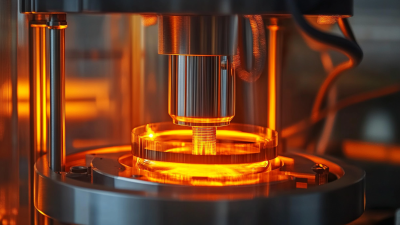
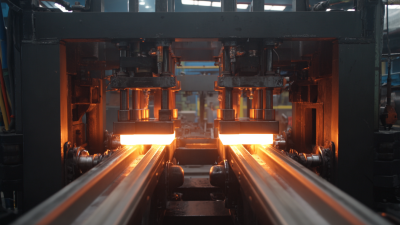
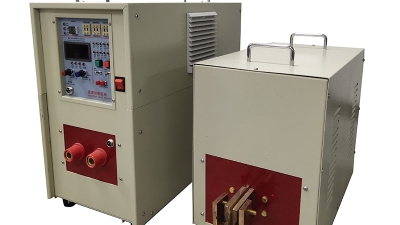
When it comes to advanced manufacturing these days, High Frequency Induction Weldersare really becoming essential tools. They’re great for achieving both precision and efficiency across a bunch of industrial applications. If you look at the latest industry reports, you'll see that the global Induction Heating market is projected to hit aroundUSD 2.5 billion by 2027, growing at about 8.4% annually from 2020 onwards. And honestly, this growth makes sense—it’s driven by the increasing demand for energy-efficient and eco-friendly welding options. Companies like Dongguan Hongye Intelligent Equipment Technology Co., Ltd. (HYET), a high-tech firm founded back in 2005, are at the forefront—they specialize in developing and manufacturing cutting-edge induction heating systems and are really leading the pack in this competitive space. Knowing the ins and outs of different induction welders, especially theHigh Frequency models, is super important if you’re trying to boost your manufacturing game and get better weld quality. In this article, I’ll walk you through some of the key benefits of these models and share tips to help you pick the right one for your welding needs.
Key Characteristics of Induction Welders: An Overview
Induction welders have really been gaining popularity across different industries lately. Folks are loving them because they’re super efficient and precise when it comes to joining metal parts. One thing that makes induction welders stand out is how they generate heat through electromagnetic induction, which means you get targeted heating—cool, right? This helps keep thermal distortion to a minimum. I came across a recent industry report that said the induction welding market is expected to grow at about 7.5% annually from 2021 to 2026. That’s mostly driven by the demand for lighter materials and the increasing focus on energy-efficient processes—pretty interesting trend.
When you're looking to pick out an induction welder, one key thing to consider is the frequency range it operates at. High-frequency models, usually between 100 kHz and a few MHz, give you much better control over the heating process. That leads to stronger welds and, honestly, faster production times—some reports say they can boost efficiency by up to 30% compared to lower-frequency units. Plus, these models often come with advanced temperature control systems, which really help improve overall efficiency and keep things consistent, especially if you're running a high-volume operation. All in all, they seem like a smart choice for anyone wanting reliable, quick, and quality welding results.
Comparing High Frequency Models: Performance and Efficiency
When you're looking at high-frequency induction welders, a couple of key things really stand out: performance and efficiency. The performance of these machines can make a big difference in how good your welds turn out. It's worth hunting for welders that offer consistent heat distribution and those handy adjustable frequency settings. This kind of flexibility gives you better control over the whole welding process, so you can work with different materials and thicknesses more easily. Plus, models that come with advanced cooling systems tend to hold up better during long sessions without overheating—that’s a huge plus.
On the flip side, efficiency is just as important. A good, efficient welder not only cuts down on energy use but can also boost your productivity. You’ll want to look for units that start up quickly and have short cycle times—they can really speed things up. Also, don’t forget about how easy they are to use. A user-friendly interface can save you a lot of headache and make your workflow smoother.
**Pro tip:** Always peek at customer reviews and dig into the tech specs before you make a final decision. Getting a welder with a solid warranty is a smart move, just in case something isn’t quite right down the line. And don’t overlook the support and resources from the manufacturer—they can be lifesavers when it comes to troubleshooting or maintenance later on.
Understanding the Features of Various Induction Welders and How to Choose the Best High Frequency Model - Comparing High Frequency Models: Performance and Efficiency
| Model | Power Output (KW) | Efficiency (%) | Frequency Range (kHz) | Cooling Type | Weight (Kg) |
| Model A | 10 | 90 | 25 - 30 | Air Cooled | 50 |
| Model B | 15 | 92 | 30 - 35 | Water Cooled | 65 |
| Model C | 20 | 95 | 20 - 25 | Air Cooled | 70 |
| Model D | 25 | 88 | 35 - 40 | Water Cooled | 80 |
| Model E | 30 | 89 | 25 - 35 | Air Cooled | 75 |
Essential Factors to Consider When Choosing an Induction Welder
When you're trying to pick out an induction welder, there are a few key things you really want to keep in mind. First off, the power output is a big deal. High-frequency induction welders are pretty popular because they heat up materials quickly and efficiently—definitely a big plus in industrial settings. From what I’ve heard, these models can hit up to about 90% energy efficiency, whereas lower frequency ones tend to sit around 70%. That difference isn’t just about saving a few bucks on energy—it also impacts how fast you can get things done. So, if you're aiming to boost your productivity and keep costs down, a high-frequency welder might be the way to go.
Another thing to consider is how versatile the welder is. Depending on what kind of materials and thicknesses you're working with, some welders might fit better than others. For example, I read that welders with adjustable frequency control are super handy because they can handle different metals and thicknesses without sacrificing weld quality — which is especially important if you’re in areas like automotive or aerospace manufacturing. Oh, and don’t forget about safety features and how easy they are to use. Lots of newer models come with digital controls and automatic shutoff systems that make life safer and a lot more convenient for operators. All in all, getting a handle on these features will really help you make smarter choices that suit your specific welding needs.
The Role of Technology in Advancements of Induction Welding
Induction welding has really become a go-to technology across various industries nowadays. It’s amazing how much it helps in joining materials quickly and accurately. Over the years, the tech behind induction welders has improved a lot — now, they perform better, are easier to use, and tend to be more efficient. Modern high-frequency welders use fancy circuitry that gives operators better control over the whole process. That means the welds are not only stronger but also more uniform, with less heat-affected zone, which is super important when dealing with delicate parts.
One of the coolest updates lately is how smart technology has been integrated into these systems. Features like real-time monitoring and automated tweaks let operators fine-tune the process on the fly. This helps make the results more consistent and cuts down on potential defects. Plus, with digital interfaces and user-friendly software, getting trained on new equipment has become much simpler, making it less intimidating for teams to adapt. As this tech keeps evolving, we can definitely expect even more advanced, tailored solutions — whether it’s for automotive, aerospace, or other industries — making induction welding more precise and versatile than ever before.
Future Trends in Induction Welding: What to Expect by 2025
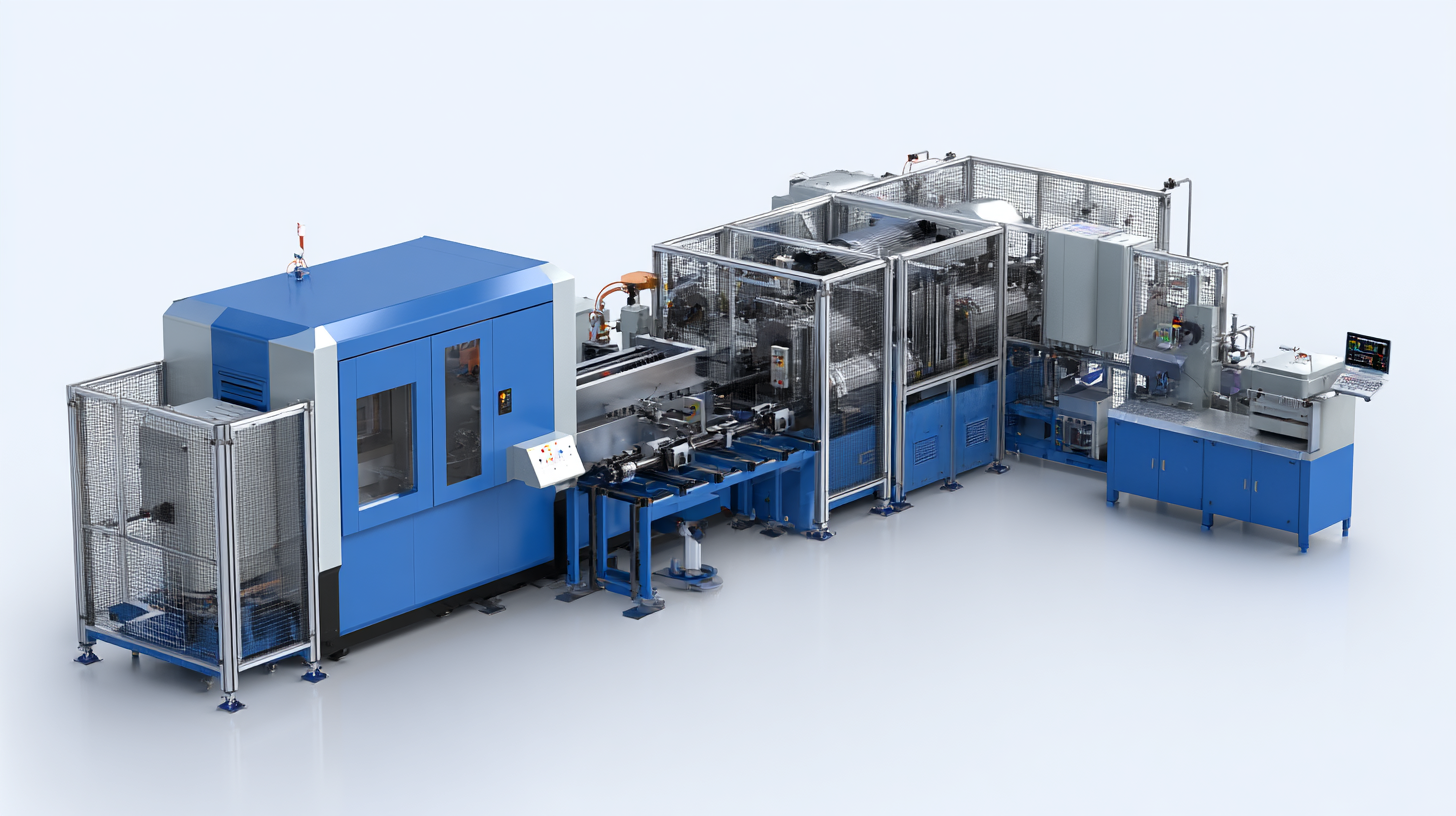
As the induction welding industry keeps evolving, a few pretty interesting trends are starting to pop up and will definitely shape things up by 2025. I came across a recent report from ResearchAndMarkets, which predicts that the global market for induction heating equipment is expected to grow at about 6.5% annually, reaching roughly $2.4 billion in just a couple of years. This boost is mainly driven by the rising demand for electronic gadgets, the auto industry ramping up production, and the push towards renewable energy solutions — all of which need efficient, precise welding to get the job done.
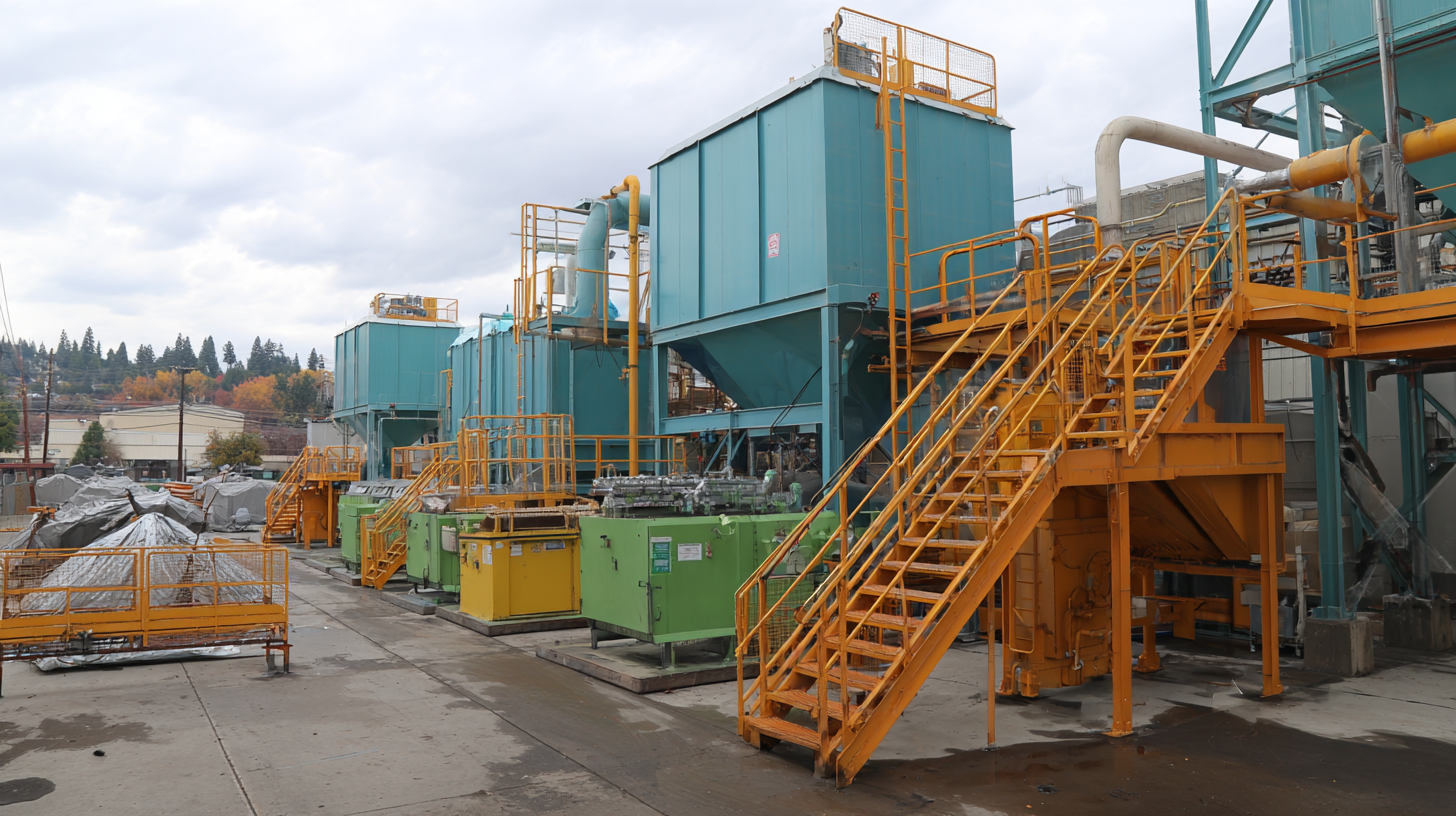
One thing that’s really gaining traction is the integration of advanced automation tech. Thanks to Industry 4.0, manufacturers are moving towards smarter, more efficient solutions, trying to cut down costs while boosting productivity. Also, a lot of companies are starting to add IoT features to their induction welding systems, which means real-time monitoring and data analysis are now a thing. Not only does this help with quality control, but it also makes predictive maintenance possible — essentially catching issues before they become serious, saving both time and money.
Sustainability, of course, is becoming a big deal too. Everyone’s aiming for more energy-efficient setups that waste less and have a smaller carbon footprint. A survey from Allied Market Research even found that over 60% of industry leaders are prioritizing eco-friendly practices and new tech. All these trends are pretty exciting, and companies that jump on the innovation bandwagon — especially in high-frequency induction welding — will probably have a real advantage in the market moving forward. It’s an interesting time for sure!
Innovative Solutions for Precision Metal Treatment: Exploring Tailored and Industrial Annealing Machines
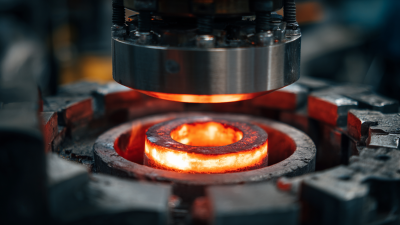
In the realm of precision metal treatment, tailored and industrial annealing machines play a crucial role in enhancing the properties of various metals. Our advanced Industrial Induction Annealing Machines stand out as exemplary solutions designed for high-performance heat treatment applicable across diverse metalworking needs. These machines facilitate uniform temperature distribution, ensuring optimal outcomes for a variety of metal components, from intricate automotive parts to industrial pipes.
Take, for instance, our Steel Tube Annealing Machine, specifically engineered to provide consistent stress relief in both seamless and welded pipes. This precision ensures that the final product can withstand rigorous demands without compromising structural integrity. Similarly, the Brass Base Annealing Machine is exceptional for its precise temperature control, which is vital for achieving the desired softness in components like cartridge cases and fittings. Such precision enhances performance and longevity, making these machines indispensable for industries that prioritize quality and durability.
Moreover, the Tailored Gear Annealing Machine is another remarkable addition, offering localized hardening that minimizes distortion. This feature is particularly beneficial for automotive and machinery components requiring meticulous attention to detail. By investing in these innovative annealing solutions, manufacturers can not only enhance the performance of their products but also optimize their processing efficiency, setting a new standard in metal treatment technologies.
FAQS
: The power output is the most important factor, as high-frequency induction welders offer up to 90% energy efficiency, which significantly impacts operational costs and production speed.
Different induction welders are suitable for varying materials and thicknesses, with those featuring adjustable frequency control better accommodating diverse conditions while maintaining weld quality.
Look for models that incorporate safety features such as digital interfaces and automatic shutoff systems to enhance operator safety and convenience.
Modern high-frequency induction welders leverage advanced circuitry for better control, leading to stronger, more uniform welds and minimized heat-affected zones.
The integration of smart technology allows for real-time monitoring and automated adjustments, promoting consistency and reducing the risk of defects during the welding process.
The global induction heating equipment market is projected to grow at a CAGR of 6.5%, reaching approximately $2.4 billion by 2025, driven by demand in electronics, automotive, and renewable energy.
Advanced automation technologies are expected to enhance efficiency and reduce operational costs, with a focus on smarter solutions as part of the Industry 4.0 movement.
The industry is moving towards more energy-efficient models that minimize waste and lower carbon footprints, with many industry leaders prioritizing sustainable practices.
IoT capabilities enable real-time monitoring and data analytics, improving quality control and allowing for predictive maintenance to enhance productivity.
Companies that adopt innovative high-frequency induction welding technologies are likely to gain a competitive edge in the evolving market landscape influenced by sustainability and efficiency demands.