A forging furnace is a pretty essential part of the metalworking world. It’s the piece of equipment that heats up metals, turning raw materials into the shapes and forms we need. I remember Dr. John Anderson from SteelTech Industries once said something like, "The forging furnace is where raw potential becomes real strength," and honestly, that really stuck with me. It just shows how vital this machinery is in the whole forging process.
Now, I know it can all sound a bit complicated—understanding how these furnaces work isn’t exactly straightforward. But at the core, it’s all about control—making sure the temperature’s just right and that energy isn’t wasted. Not every furnace is the same, either; some can chew up a lot of power, which isn’t ideal from an efficiency standpoint. Plus, the design of the furnace plays a huge role—if it’s poorly designed, you might end up with uneven heating, which can cause flaws or defects in the final product.
Over time, the technology behind forging heating equipment has come a long way. These innovations are really helping manufacturers boost productivity and cut costs. But let’s be real—there are still challenges. Companies need to keep adapting to the latest tech and push toward more sustainable practices. It’s a constantly evolving field, and there’s always something new to learn. So, staying on top of improvements and evaluating processes regularly is just part of the game.
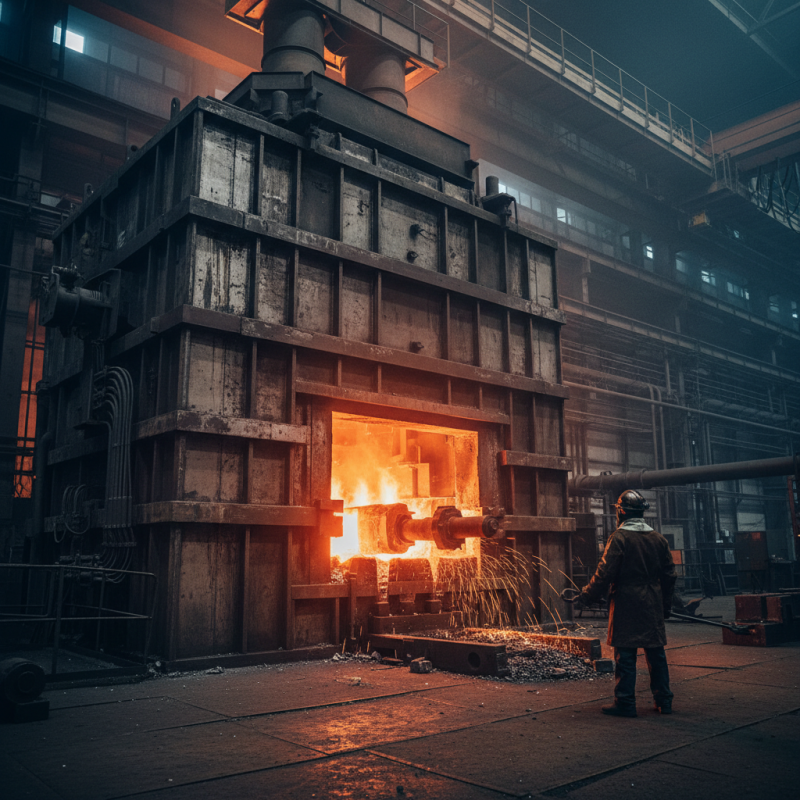
Definition of a Forging Furnace and Its Purpose
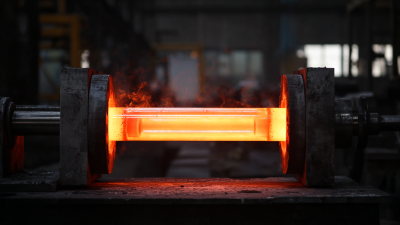
A forging furnace is essential in metalworking. This device heats metals to high temperatures. The heat softens the material, making it easier to shape. Forging is vital in producing strong metal components. The purpose of a forging furnace is to aid this process.
Choosing the right furnace is not always straightforward. Factors like size, type, and energy source matter. Some furnaces use gas, while others rely on electricity. Each type has advantages and disadvantages. It is essential to assess your needs carefully.
Tips: Always monitor temperature closely. Too high can damage the metal. Too low may lead to poor shaping. Maintain your furnace well to ensure efficiency. Regular maintenance reduces unexpected problems. Remember, every choice in this process impacts the final product. Reflect on your decisions to improve outcomes over time.
What is a Forging Furnace and How Does It Work?
| Dimension | Details |
| Type | Induction Furnace |
| Temperature Range | 1200°C - 1500°C |
| Purpose | Heating metal for forging |
| Fuel Source | Electricity |
| Safety Features | Overheat protection, Emergency shut-off |
| Typical Use Cases | Tool manufacturing, Aerospace components |
| Maintenance Frequency | Monthly inspections |
Types of Forging Furnaces Used in Metalworking
Forging furnaces are crucial in metalworking. They heat metals to high temperatures, making them easier to shape. Different types of forging furnaces cater to various needs in the industry. These include induction furnaces, gas-fired furnaces, and electric arc furnaces. Each type offers unique advantages, impacting efficiency and end-product quality.
Induction furnaces are popular. They quickly heat metal using electromagnetic fields. This method increases energy efficiency, reducing costs by up to 30%. In contrast, gas-fired furnaces rely on combustion for heating. They are traditional but can be less efficient, especially in larger operations. Electric arc furnaces offer another alternative. They are well-suited for scrap metal recycling and are becoming more prevalent, with a market growth rate projected at 4.5% annually until 2026.
Understanding the needs of a specific operation is important. The choice of furnace can affect production rates and material properties. However, the industry also faces challenges. Variations in metal quality can impact the performance of Metal Forging Equipment. Furthermore, the environmental impact of different furnace types remains an ongoing concern. Addressing these issues requires ongoing research and investment in better technologies.
How Forging Furnaces Generate and Maintain Heat
Forging furnaces play a crucial role in the metal forming industry. They generate and maintain heat essential for shaping metals. These furnaces can reach high temperatures, often exceeding 2,500 degrees Fahrenheit. This intense heat allows metals to become malleable and ready for processing.
The heating process usually involves either gas or electricity. Gas-fired furnaces are common, utilizing natural gas to produce a flame that heats the metal. Electric furnaces, on the other hand, use resistance heating or induction to generate heat. Both methods have unique advantages, though energy efficiency remains a challenge in many facilities. According to an industry report, nearly 15% of fuel energy is often wasted during operation.
Tips: Regular maintenance of the forging furnace is essential. Check burner performance and insulation regularly. This ensures the furnace operates efficiently. Keep an eye on the temperature control systems. They should provide accurate readings to prevent overheating. An improperly calibrated system can lead to material defects.
When forging with a forging machine, temperature consistency is vital. Uneven heating can cause workpiece defects, leading to costly reworks. Properly trained operators should monitor processes closely, adjusting as needed. Achieving the right balance can be tricky, especially under varying load conditions. Regularly reviewing operational data can help identify opportunities for improvement.
Components of a Forging Furnace and Their Functions
A forging furnace is essential in metalworking. It heats materials to precise temperatures necessary for forging. Understanding its components helps improve efficiency.
A major part of any forging furnace is the heating chamber. This is where the metal undergoes Heat Treatment. The temperature control system ensures consistent heating. It prevents overheating, which can ruin materials. Additionally, insulation plays a critical role. Proper insulation retains heat, saving energy and costs.
Tips: Regular maintenance is key. Check the heating elements often. Replace damaged parts promptly to avoid bigger issues.
The power source is also vital. It provides the necessary energy for the heating process. Many modern systems use gas or electricity. An Induction Forging Machine offers an efficient alternative. It quickly heats the metal, reducing wait times.
Finally, the exhaust system helps eliminate fumes and smoke. Good ventilation is essential for safety. Without it, workers may be exposed to harmful substances. Analyze your setup regularly to ensure safety and compliance.
Forging Furnace Temperature Analysis
This bar chart represents the average temperature in a forging furnace over various stages of the forging process. The temperatures are measured in degrees Celsius (°C) and show how the furnace heats up to accommodate different types of metal forging.
The Forging Process: How Metal is Shaped Using a Furnace
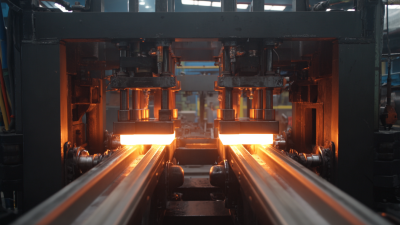
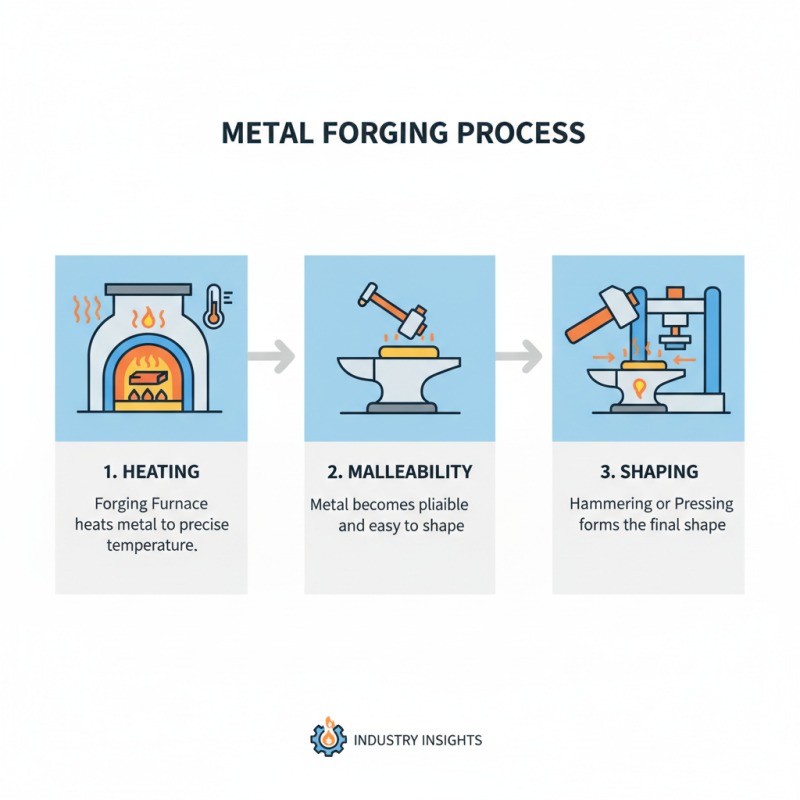
In the forging process, metal shaping involves heating a material to a specific temperature. A forging furnace plays a crucial role here. It raises the metal's temperature, making it more malleable. The heated metal can be easily shaped through hammering or pressing.
The furnace typically uses gas or electricity as a heat source. It reaches high temperatures, ensuring that the metal adapts well. The process requires careful monitoring. If the temperature is too high, the metal can lose its desired properties. Conversely, if it's too low, the metal will not shape as effectively.
Tips: Always check the temperature with precision tools. Proper handling of heated metal is essential for safety. Consider experimenting with different heating durations to find the ideal balance for your projects. Remember, making mistakes is part of learning. Each attempt can provide valuable insights for future work.
Common Materials Used in Forging Furnaces
Forging furnaces play a crucial role in producing metal components with enhanced mechanical properties. The materials used in these furnaces vary widely, each offering distinct characteristics necessary for effective forging. Steel, for example, is the most commonly used material due to its desirable strength and ductility. According to industry data, approximately 70% of forged products incorporate various forms of steel.
On the other hand, aluminum is gaining popularity in forging applications, especially in the automotive sector. Its lightweight and corrosion-resistant nature make it ideal for components that require reduced weight without sacrificing strength. Recent reports indicate that the demand for aluminum forgings has increased by 25% over the last three years. Other materials, such as titanium and copper, are also utilized, though less frequently. Titanium is noted for its high strength-to-weight ratio, while copper components often benefit from superior electrical conductivity.
Induced Furnaces, specifically, contribute to the efficiency of heating these materials. They utilize electromagnetic induction to heat metals quickly and uniformly. However, some users have reported inconsistencies in temperature control, leading to uneven heating in certain cases. This aspect of forged material behavior can necessitate further examination to improve process reliability. Selecting the right materials and furnace type is essential for quality forging outcomes.
Applications of Forging Furnaces in Various Industries
Forging furnaces play a crucial role in various industries. They provide the necessary heat for shaping metals into desired forms. In the automotive sector, for instance, these furnaces help create engine components and transmission parts. The precision of forged parts directly affects vehicle performance. This makes reliable heating essential.
Manufacturing companies also benefit from forging furnaces. Tools, dies, and fixtures are often produced using this method. The process enhances strength and durability. However, achieving perfect temperatures can be challenging. Operators must carefully monitor the heating process. Overheating can lead to defects, while underheating compromises quality.
In the aerospace industry, forging is vital. Components like turbine blades require high strength. The use of forging furnaces ensures these components can withstand extreme conditions. Nonetheless, maintaining efficiency in heat distribution is not easy. Small inconsistencies can lead to significant issues in the final product. This marks the importance of continual improvement in furnace technology.
FAQS
: It is often used for home improvement projects. Many people find it handy for crafting as well.
Keep it in a cool, dry place. Avoid direct sunlight to maintain its quality.
Generally, it is safe for most users. Always read the instructions carefully to prevent accidents.
Reusability may depend on usage. Some users find it suitable for multiple applications.
Try troubleshooting steps first. If problems persist, consider reaching out for assistance.
Yes, consider wearing protection if necessary. Avoid contact with eyes or sensitive skin.
Not recommended for young children. Supervision is essential to ensure safety.
Check the ingredient list carefully. Consult a professional if you have any concerns.
Use a damp cloth for cleaning. Ensure it’s completely dry before storage.
Results can vary based on individual use. Reflecting on techniques can help improve outcomes.
Conclusion
A forging furnace is a specialized industrial tool used in metalworking to heat metals to a malleable state, allowing them to be shaped and formed through mechanical processes. These furnaces come in various types, including gas-fired, electric, and induction furnaces, each designed to generate and maintain high temperatures essential for successful metal forging. Key components, such as insulation, burners, and control systems, play crucial roles in regulating heat and ensuring efficient operation.
The forging process involves placing a heated metal inside the furnace, where it reaches optimal forging temperatures before being shaped using hammers or presses. Common materials utilized in these furnaces include steel, aluminum, and titanium, which are applicable across numerous industries like automotive, aerospace, and construction. By understanding the workings of a forging furnace, industries can effectively produce durable metal components that meet specific engineering requirements.