You know, Induction Heating Is really shaking things up in a bunch of industries these days. It’s actually pretty amazing how it offers efficient heating solutions that boost productivity while also cutting back on energy use. I read somewhere—something like a report from Global Industry Analysts—that by 2027, this market might hit around $3.5 billion. That’s mostly because more and more folks are looking for energy-saving tech options. The way it works is pretty cool: it uses electromagnetic fields to heat conductive materials directly. That makes it super useful in industries like manufacturing, automotive, and metal processing.
One of the best things about induction heating? It gives you really precise control over temperature and can target specific spots, so you’re not wasting energy everywhere. Experts say these systems can hit efficiency rates of up to 90%, which is a huge jump from traditional methods that usually sit around 60-75%. Plus, with more companies focusing on being sustainable and lowering their carbon footprint, demand for induction heating is only going up. In this beginner’s guide, we’re going to break down the basics—how it works, where it’s used, and why it’s worth paying attention to—so you can get a good handle on how to use this tech in your own work.
Understanding Induction Heating: Principles and Mechanisms
Induction Heating Is A highly efficient heating method based on the principles of electromagnetic induction. It works by generating an alternating magnetic field that induces electric currents, known as eddy currents, within conductive materials. These currents produce heat directly in the material itself, rather than through external heating sources, resulting in rapid and uniform heating. According to a report from the Department of Energy, induction heating can achieve thermal efficiencies of up to 90%, significantly higher than traditional heating methods that typically operate at around 60% efficiency.
The mechanisms behind induction heating rely on the interaction between the magnetic field and the electrical resistivity of the material being heated. The effectiveness of this process depends on several factors, including the frequency of the magnetic field and the properties of the target material. Higher frequencies are used for thinner materials, allowing for quicker heating; conversely, lower frequencies are more effective for thicker and denser items. Research by the Institute of Electrical and Electronics Engineers indicates that advancements in induction technology can lead to even greater efficiency gains and broader applications, including industrial processes, metal hardening, and cooking appliances. This opens up new possibilities for reducing energy consumption and enhancing production capabilities across various sectors.
Induction Heating Applications and Efficiency Ratings
Key Components of Induction Heating Systems and Their Functions
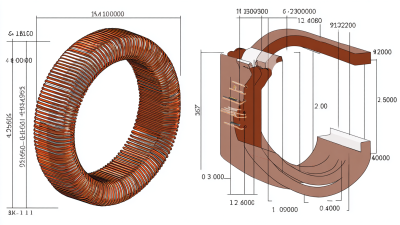
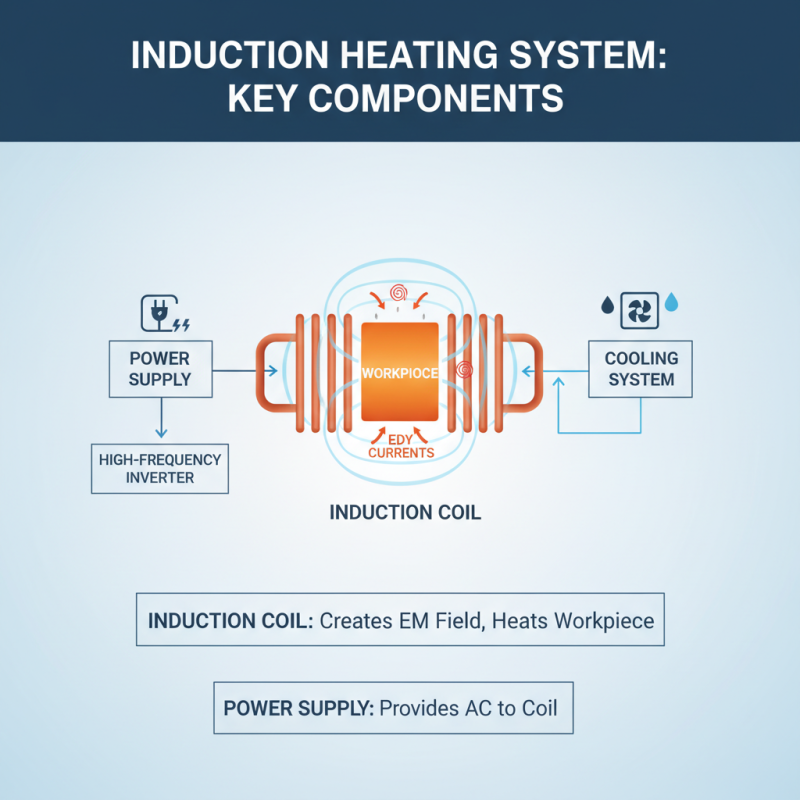
induction heating systems are built around several key components, each playing a crucial role in the effective transfer of heat. At the core of these systems is the induction coil, which is typically made of copper and designed to create a fluctuating electromagnetic field when an alternating current passes through it. This magnetic field induces electric currents, called eddy currents, in the conductive material placed within its vicinity, resulting in localized heating. The design and positioning of the coil significantly influence the efficiency and effectiveness of the heating process, making it essential to understand its specifications.
Another vital component of an induction heating system is the power supply, which converts electrical energy into high-frequency alternating current suitable for the induction coil. This power supply must be matched to the requirements of the coil and the specific application to ensure optimal performance. Additionally, a cooling system is often integrated to prevent overheating of the coil and associated components during operation. Effective cooling not only prolongs the lifespan of the system but also maintains consistent heating performance. Understanding these components and their functions is essential for anyone looking to dive into the world of induction heating effectively.
Selecting the Right Induction Heater for Your Needs
When selecting the right induction heater for your needs, it’s essential to understand the different types available and their applications. Induction heating is widely used in various industries, including manufacturing, automotive, and metalworking, primarily due to its efficiency and speed. According to a report by the Global Induction Heating Equipment Market, the industry is projected to grow significantly, driven by advancements in technology and increasing demand for energy-efficient heating processes. Therefore, assessing your specific requirements becomes critical.
One of the primary factors to consider is the power output of the induction heater. For instance, industrial applications often require units with high wattage, typically ranging from 15 kW to over 100 kW, to cater to heavy-duty tasks like metal melting and forging. In contrast, smaller-scale operations or home use may only necessitate heaters within the 1 kW to 10 kW range. Additionally, evaluating the size of the components you will be heating and the types of materials involved can influence your choice. It’s crucial to select a model that not only meets your heating capacity requirements but also ensures compatibility with the metal types you intend to work with, as induction heating is most effective with ferrous materials.
Safety Precautions When Working with Induction Heating
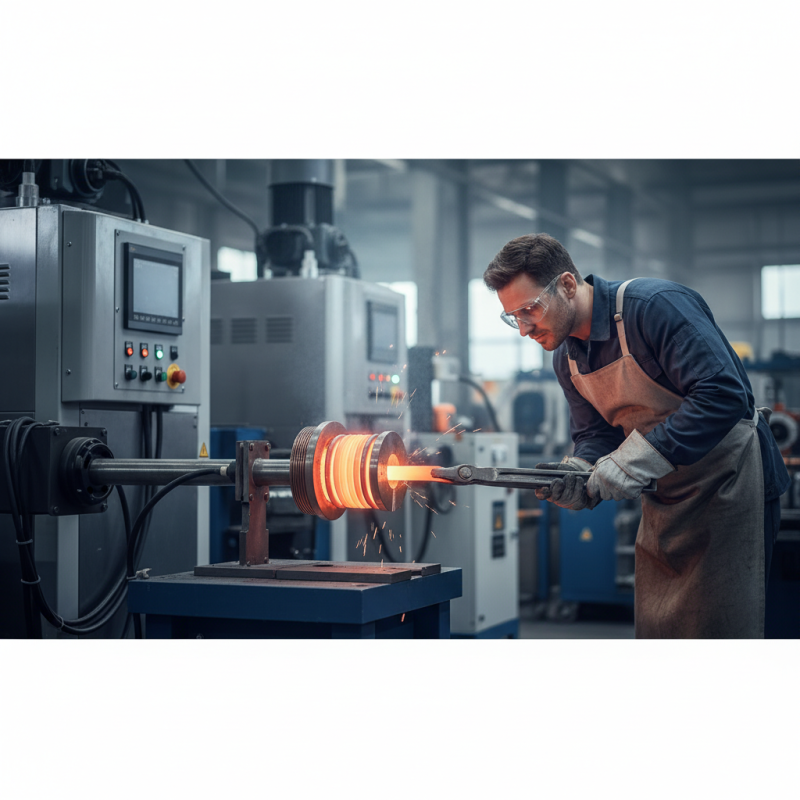
When working with induction heating, safety should always be the top priority. Induction heating relies on electromagnetic fields to heat conductive materials without direct contact, but this process can involve high temperatures that pose risks such as burns or fires. It is crucial to wear appropriate personal protective equipment (PPE) like heat-resistant gloves, safety goggles, and protective clothing to shield against any accidental exposure to heat or sparks. Additionally, ensure that the work area is well-ventilated to prevent the accumulation of any harmful fumes that may be generated during the heating process.
Another essential safety precaution is to keep flammable materials away from the induction heating setup. This includes ensuring that the workbench is free from clutter and that any combustible substances, such as paper or fabric, are stored safely away. Regularly inspect the induction heating equipment for any signs of damage or wear, as malfunctioning equipment can lead to hazardous situations. Lastly, understanding the specific operating instructions and safety guidelines of the equipment being used is vital; always refer to the manufacturer's recommendations to ensure safe and effective operation.
How to Use Induction Heating: A Complete Guide for Beginners - Safety Precautions When Working with Induction Heating
| Safety Precaution | Description | Importance Level |
| Wear Protective Gear | Always wear safety goggles, gloves, and heat-resistant clothing to prevent burns and injuries. | High |
| Ensure Proper Ventilation | Make sure there is adequate airflow in the area to avoid overheating and accumulation of harmful fumes. | Medium |
| Check Equipment Regularly | Inspect induction heating equipment for damage or wear to ensure safe operation. | High |
| Keep Flammable Materials Away | Remove any flammable materials from the work area to reduce fire risk. | Critical |
| Use Equipment as Intended | Follow manufacturer guidelines for operating induction heating equipment. | High |
Step-by-Step Guide to Setting Up an Induction Heating System
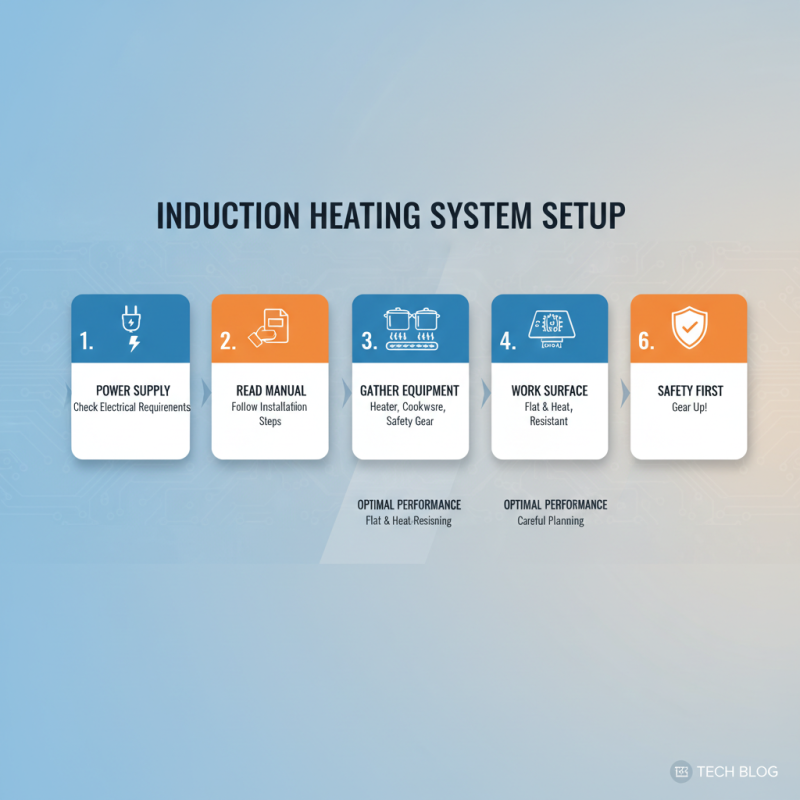
Setting up an induction heating system requires careful planning and attention to detail to ensure optimal performance. Start by gathering all the necessary equipment, which typically includes an induction heater, compatible cookware, and safety gear. Choose a suitable work surface that is flat and heat-resistant, as this will help stabilize the equipment during operation. It's also crucial to ensure that the electrical supply can handle the demands of the induction unit. Reading the manufacturer’s manual will provide specific guidance on electrical requirements and installation steps.
Once the setup area is prepared, begin by connecting the induction heater to the power source while ensuring all safety measures are in place. Position the induction coil or cooktop on the work surface and plug it in. If using a coil, make sure it is correctly aligned with the cookware you're planning to use. It's important to test the induction system with a ferrous metal pot or pan to ensure it heats up properly. Adjust the settings to achieve the desired temperature and monitor the heating process to gain familiarity with the equipment's response and efficiency. Always remain cautious and wear protective gear, as the surface can become extremely hot during use.
Common Applications of Induction Heating in Various Industries
Induction heating technology has found a wide range of applications across various industries due to its efficiency, precision, and ability to deliver heat without direct contact. In the automotive sector, induction heating is commonly used for hardening components such as gears and shafts. This process enhances the material's surface properties, increasing durability and wear resistance. Furthermore, in metalworking, induction heating is utilized for processes like forging, melting, and brazing, providing quick and uniform heating, which minimizes thermal deformation of the materials.
The electronics industry also benefits significantly from induction heating techniques, especially in soldering and bonding electronic components. The precision of induction heating allows for targeted heat application, making it ideal for sensitive components that could be damaged by conventional heating methods. Additionally, in the food industry, induction heating has gained traction for cooking applications, providing rapid and consistent heat, which improves cooking efficiency and food quality. Overall, the versatility of induction heating enables its integration into diverse applications, driving innovation and efficiency across different fields.
Troubleshooting and Maintenance Tips for Induction Heating Equipment
Induction heating systems offer efficient and precise heating solutions for various applications, but like any equipment, they can encounter issues that affect performance. One common problem is inconsistent heating, which may arise from a malfunctioning power supply or inadequate coil design. According to industry reports, improper coil alignment can result in up to a 20% loss in heating efficiency. Regular inspection and maintenance of the induction coil and its components can help mitigate these issues. Ensuring the coil is clean and properly positioned ensures optimal performance and extends the lifespan of the equipment.
Another critical maintenance aspect is monitoring the cooling systems, which are essential for preventing overheating. Studies indicate that nearly 30% of induction heating failures are due to inadequate cooling, leading to permanent damage. It is vital to check and maintain coolant levels and temperature regularly, and conduct routine inspections for leaks or blockages. Additionally, periodic maintenance of electronic controls can help identify potential faults early, minimizing downtime and repair costs.
Following these troubleshooting and maintenance tips can significantly enhance the reliability and efficiency of induction heating equipment, ultimately leading to cost savings and improved productivity.
Comprehensive Guide to Induction Heating Machines: Enhancing Hardening Processes for Speed Shafts
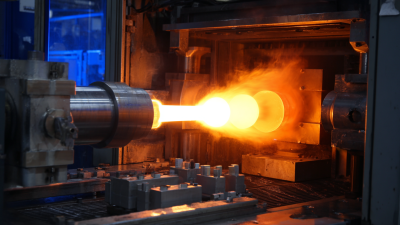
Induction heating technology has become a pivotal advancement in modern manufacturing, particularly in the hardening processes for speed shafts. This method utilizes electromagnetic induction to generate heat within the metal, allowing for precise and efficient thermal treatment. The incorporation of high-efficiency induction heating machines, such as those adapted for precision hardening, can significantly enhance the durability and performance of speed shafts—critical components in automotive and industrial applications. According to industry reports, implementing induction hardening processes can improve wear resistance and extend the life of components by achieving surface hardness levels of HRC 50-65, which is essential for high-performance engineering.
A notable feature of advanced annealing induction heating machines is their temperature control capability, which can reach up to 1200°C. This enables the adjustment of the case hardening depth from 0.5 mm to 5 mm, providing manufacturers with the flexibility to customize their processes based on specific requirements for shaft diameters ranging from 10 mm to 150 mm. The ability to automate heating patterns through a PLC system enhances operational efficiency while reducing the risk of human error. Furthermore, with energy consumption reduced by 30-40% compared to traditional methods, these machines contribute to cost savings and sustainability, aligning with the industry's shift towards more eco-friendly practices.
Moreover, the integration of water cooling systems plays a crucial role in maintaining the structural integrity of the speed shafts during the heating process. This feature minimizes the risk of deformation and ensures consistent quality across multiple batches. Real-time monitoring sensors provide continuous feedback on the hardening process, enabling manufacturers to maintain high standards and adapt to any variations in production conditions. The employment of such advanced induction heating technology positions manufacturers to meet the increasing demand for high-quality, wear-resistant components while optimizing their operational processes.
FAQS
: Induction heating is a highly efficient heating method that uses electromagnetic induction to generate heat directly within conductive materials through induced electric currents, known as eddy currents.
Induction heating can achieve thermal efficiencies of up to 90%, which is significantly higher than traditional heating methods that typically operate around 60% efficiency.
The efficiency of induction heating depends on factors such as the frequency of the magnetic field used and the electrical resistivity of the material being heated, with higher frequencies being effective for thinner materials and lower frequencies for thicker ones.
Key components include the induction coil, which creates the electromagnetic field, the power supply that converts electrical energy to high-frequency alternating current, and a cooling system to prevent overheating during operation.
The design and positioning of the induction coil are crucial as they directly influence the efficiency and effectiveness of the heating process.
When selecting an induction heater, consider the power output necessary for your application, the size of the components to be heated, and the types of materials involved, ensuring compatibility with ferrous materials for optimal results.
Induction heating is widely used in various industries, including manufacturing, automotive, and metalworking, due to its speed and energy efficiency.
It is essential to match the power supply to the requirements of the induction coil and the specific application to ensure optimal heating performance and efficiency during operation.
Effective cooling is important to prevent overheating of the coil and associated components, which prolongs the lifespan of the system and maintains consistent heating performance.
Conclusion
Induction heating is an innovative technology that utilizes electromagnetic fields to generate heat in conductive materials. This comprehensive guide for beginners covers the essential principles and mechanisms behind induction heating, alongside the key components that make up induction heating systems. Readers will learn how to select the appropriate induction heater for their specific needs and the necessary safety precautions to take when operating such equipment.
The article further provides a step-by-step guide to setting up an induction heating system, highlighting common applications across various industries, from metalworking to cooking. Additionally, troubleshooting and maintenance tips ensure that users can effectively manage their induction heating equipment, prolonging its lifespan and efficiency. Overall, this guide serves as a valuable resource for anyone looking to explore the capabilities of induction heating in their projects.