request to quote
Leave Your Message
0%

Hey, have you noticed how quickly the metal melting world is changing? The Induction Melting Coilis really at the heart of this shift. As industries get more serious about boosting efficiency, really understanding this tech becomes pretty much a must. Looking ahead to 2026, it’s clear that the demand for smarter, more advanced melting solutions is only going to increase. And honestly, the Induction Melting Coil offers this amazing combo of precision and energy savings that manufacturers are gonna love. But here’s the thing— not all coils are the same. Quality can vary a lot, and picking the right one is super important. Companies need to think about things like material compatibility and what their specific process needs. Of course, all this innovation can get pretty complex. Finding that sweet spot between cost and performance takes some real thought. Some folks might overlook the long-term perks of investing in top-notch coils, but honestly, reflecting on past decisions can really help make smarter choices now. Staying up-to-date with what’s trending in the industry is key if you want to stay competitive in the melting game. Getting a good handle on the role of the Induction Melting Coil? Definitely a step in the right direction!
Induction Melting Coil Guide for 2026 What You Need to Know?

Understanding Induction Melting: Principles and Applications

Induction melting relies on electromagnetic fields to heat metals. This method is efficient and precise. The frequency of the electromagnetic field directly affects the melting process. A frequency of 20 kHz to 100 kHz is commonly used for ferrous metals, while non-ferrous metals may use higher frequencies.

According to a 2023 industry report, the induction melting market is projected to grow by 7% annually through 2030. The demand for high-purity metals drives this growth. Industries like aerospace and automotive heavily rely on induction melting for their precision heating needs. However, not all applications yield the desired results. Improper coil design can lead to uneven heating.

Furthermore, safety risks exist in induction melting. Unexpected metal splatter or overheating can pose dangers. Studies show that poor management of induction systems results in increased downtime. Operators must regularly monitor and refine their processes. There's always room for improvement in induction melting technology and practices.

Key Components of Induction Melting Coils: A Comprehensive Overview

Induction Melting Coil Guide for 2026 What You Need to Know?

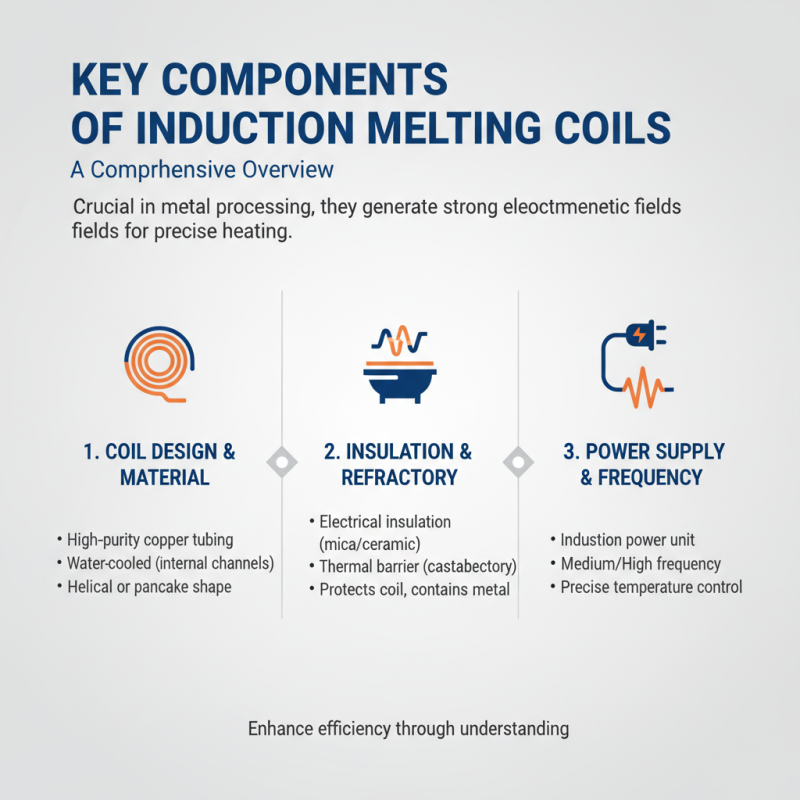
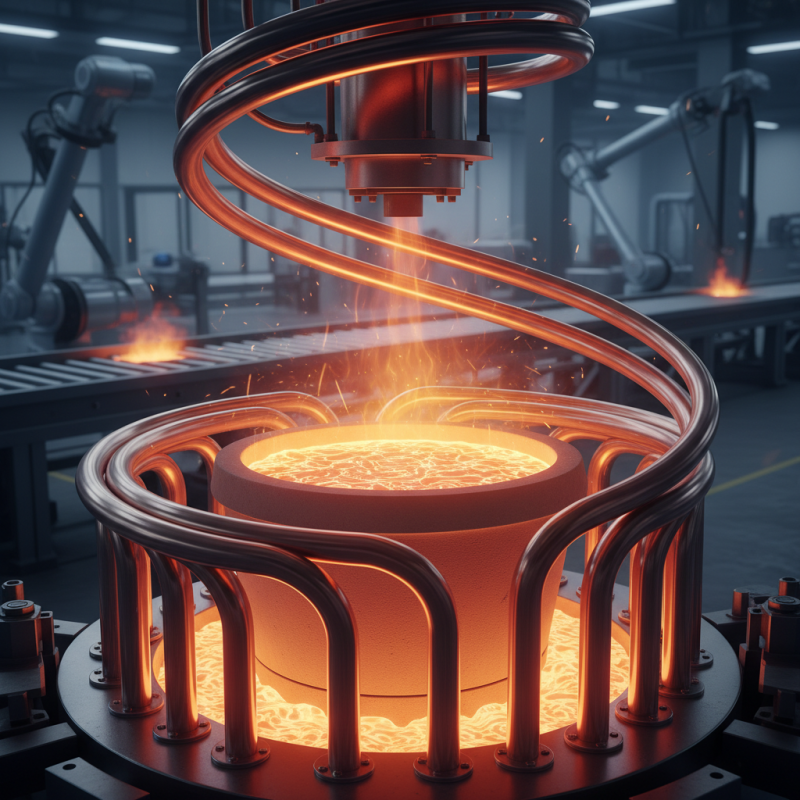
Induction melting coils are crucial in metal processing. They generate strong electromagnetic fields to heat metals precisely. Understanding the key components helps enhance their efficiency.

The induction coil itself is typically made from copper. It forms a series of loops that create a magnetic field. This field induces currents in the metal, leading to rapid heating. The design of the coil can vary based on the intended use. Shapes, sizes, and configurations depend on the metal type and melting requirements. Sometimes, the coils can wear out or degrade. This requires regular inspection and maintenance.

Power supplies are vital. They convert electricity for the induction coil. The quality of the power supply affects the melting process. A stable supply ensures consistent heating. However, fluctuations can lead to inefficient melting. This is an area where improvement is often needed. Lastly, cooling systems are equally important. They prevent overheating, ensuring the induction coil functions optimally. Inadequate cooling can compromise performance and safety risks. Understanding these components is essential for effective Induction Coil Melting Metal processes.

Advantages of Induction Melting Technology for Industry in 2026

Induction melting technology is transforming industries in 2026. It offers several advantages that are hard to overlook. This process uses electromagnetic fields to generate heat. As a result, it melts metals quickly and effectively. The efficiency of this method saves both time and resources. Industries can expect reduced energy consumption compared to traditional methods.

Another benefit is the precision it brings to melting materials. Induction melting allows for controlled temperatures. This ensures a consistent quality in the final product. However, achieving the ideal settings can be tricky. Operators need extensive training to manage these systems effectively. Mistakes in settings can lead to material waste or subpar results.

Moreover, this technology promotes a cleaner environment. The process generates fewer emissions than traditional melting techniques. This shift aligns with global sustainability goals. However, challenges remain. The initial setup costs can be high. Small companies might find it hard to invest in this technology. Therefore, while the advantages are clear, careful planning is essential.

Selecting the Right Induction Melting Coil for Your Needs

Selecting the right induction melting coil is crucial for optimizing efficiency. Various factors come into play, such as coil size, power requirements, and the specific materials to be melted. Industry reports indicate that the efficiency of melting processes can reach up to 85% with the right coil design. This is significant compared to traditional methods, which may only reach 50%.

A well-chosen Melting Furnace Coil can enhance heating uniformity. This reduces the risk of overheating or underheating materials. For instance, improper coil selection can lead to a 10-20% increase in energy consumption. Evaluating the diameter and turns of the coil is essential. Each of these aspects influences the electromagnetic field and the heating rate. Many manufacturers overlook these details, leading to suboptimal performance.

It's important to consider your specific application. Different metals and alloys require tailored coil designs. Factors such as frequency and load type must align with your Melting Furnace Coil choices. Reflections on past projects often show that inadequate testing leads to inefficiencies. Addressing these gaps can provide better outcomes in future operations, ultimately enhancingproductivity and cost-effectiveness.

Maintenance Best Practices for Induction Melting Coils

Induction melting coils play a crucial role in the efficiency of melting processes. Regular maintenance is essential to prolong their lifespan. Engineered with intricate designs, these coils can experience wear over time. Daily inspections are beneficial. Look for any signs of damage or wear. Even small issues can escalate quickly if left unaddressed.

Cleaning is another critical aspect of coil maintenance. Dust and debris can cause overheating and interruptions. It's important to keep the coils clean to ensure optimal performance. Occasionally, operators overlook this task. Neglecting maintenance routines can lead to costly downtimes. Operators must remain vigilant.

Finally, tracking the coil's performance metrics can provide valuable insights. Monitoring things like temperature and power usage helps in predicting potential failures. Keeping a maintenance log is a good practice. However, many may find it tedious. Yet, this record can be invaluable for identifying patterns over time. Remember, a well-maintained Gold Melting Machine Coil leads to better efficiency and reduced operational costs. Regular attention is needed to avoid costly rebuilding.

Future Trends in Induction Melting: Innovations to Watch

Induction melting has evolved rapidly. As we look toward 2026, several trends are shaping the industry. One innovation is the use of advanced materials for coils. These materials improve energy efficiency and durability. It’s essential to mention that while some options appear promising, their long-term reliability is still under scrutiny.

Another trend involves integrating artificial intelligence. AI can optimize melting processes and reduce energy costs. However, the implementation of AI isn't straightforward. Many companies face challenges in data integration and system compatibility. The learning curve can be steep, and not every approach yields quick results. Trial and error may often lead to unexpected outcomes.

Sustainability is crucial in future designs. Companies are exploring eco-friendly practices. The idea of recyclable induction coils is gaining traction. Yet, the transition to sustainable materials may come with limitations. Cost and availability can hinder progress. Balancing innovation with practical constraints remains vital. The future of induction melting will depend on overcoming these challenges.

Safety Considerations When Using Induction Melting Equipment

Induction Melting Coil Guide for 2026 What You Need to Know?

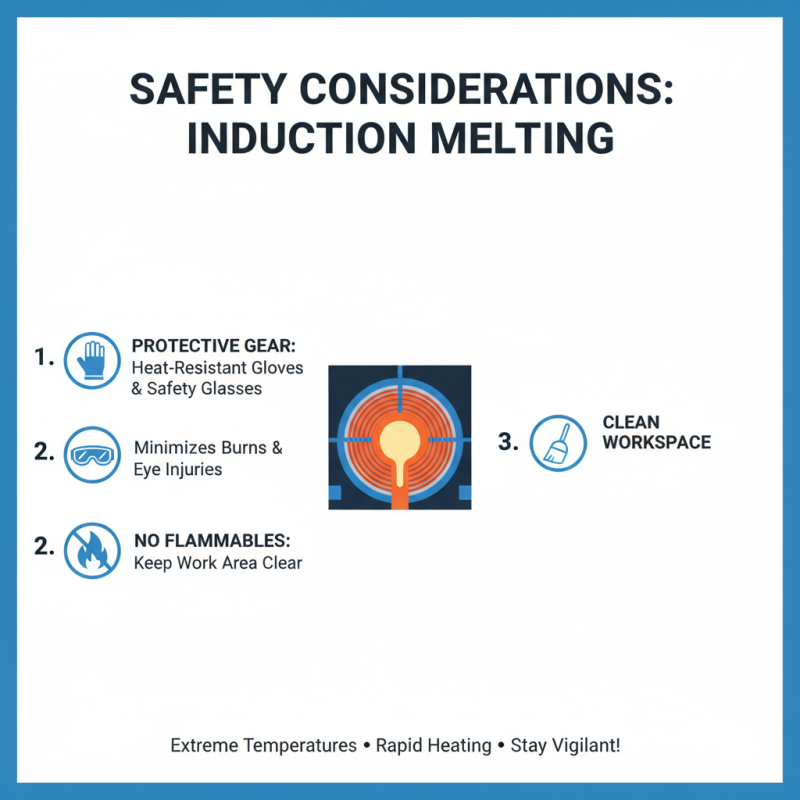
When using induction melting equipment, safety is paramount. Induction Heating can reach extreme temperatures very quickly. Proper protective gear is essential. Always wear heat-resistant gloves and safety glasses. This minimizes the risks of burns and eye injuries. Keep flammable materials away from your work area. A clean workspace is crucial.

Understanding the equipment is vital too. Improper operation can lead to accidents. Ensure all components are in good condition. Inspect the Diy Induction Coil regularly for wear and tear. Electrical hazards also pose a threat. Make sure the power supply is properly grounded. Use fully insulated wires and connections. Never attempt repairs without proper knowledge.

Training is often overlooked but is important. Familiarize yourself with all safety protocols. Attend a workshop or training session if possible. Rushing through the setup can lead to mistakes. Pay attention to your environment. An unnoticed spill could turn fatal. Safety isn't just about the equipment; it involves you too.

Optimizing Thermal Treatment: Insights from Industry Reports on Induction Annealing Machines for Enhanced Performance in Metal Fabrication

The optimization of thermal treatment processes is crucial in enhancing performance within the metal fabrication industry. Recent industry reports indicate that the use of induction annealing machines can significantly improve the quality and durability of components such as axles, gears, sprockets, and guiderails. By employing precise electromagnetic induction technology, these machines facilitate uniform heating, effectively reducing internal stresses that can compromise structural integrity.

One key advantage of modern induction annealing machines is their automated control systems, which streamline the heating process. This not only enhances efficiency but also ensures that the material is treated consistently, thereby producing high-quality results essential for industrial applications. For example, studies show that optimized heating cycles can lead to a decrease in cycle time by up to 30%, allowing manufacturers to increase output without sacrificing quality. Moreover, temperature uniformity achieved through induction heating plays a vital role in extending the lifespan of components, as evidenced by improved performance metrics reflected in various industry analyses.

Furthermore, the rapid processing capabilities of advanced induction annealing machines enable manufacturers to meet the growing demand for high-performance materials in ever-competitive markets. Reports suggest that businesses utilizing such technology are more likely to remain agile in responding to market trends, thereby ensuring they maintain a competitive edge. As the metal fabrication landscape evolves, companies embracing these innovations are set to redefine performance benchmarks in the industry.

FAQS

: Why is regular maintenance important for induction melting coils?

: Regular maintenance prolongs the lifespan and improves the efficiency of melting processes.

What should operators do during daily inspections?

Operators should check for any signs of damage or wear on the coils. Small issues can escalate if ignored.

How does cleaning affect the performance of coils?

Keeping coils clean prevents overheating and interruptions. Dust and debris can significantly hinder performance.

What are the benefits of tracking performance metrics?

Monitoring metrics like temperature and power usage helps predict potential failures and identify patterns over time.

Why do some operators neglect cleaning routines?

Cleaning can be overlooked in busy environments, but neglecting it may lead to costly downtimes.

What innovations are emerging in induction melting?

Advanced materials for coils and integrating artificial intelligence are key innovations shaping the industry.

What challenges do companies face when implementing AI?

Data integration and system compatibility issues make AI implementation complex and challenging for many companies.

Are there sustainable practices being explored in the industry?

Yes, companies are looking into eco-friendly practices and recyclable induction coils. However, challenges remain.

What limitations might affect the transition to sustainable materials?

Cost and availability of sustainable materials could hinder the progress of eco-friendly practices.

How can trial and error impact innovation in induction melting?

Trial and error can lead to unexpected outcomes, adding complexity to the process of improvement.

Conclusion

The article on "Induction Melting Coil Guide for 2026" provides a comprehensive overview of induction melting technology, highlighting its principles and various applications in modern industry. It discusses the key components of induction melting coils and their advantages, such as efficiency and precision, which are crucial for meeting the demands of manufacturing in 2026.

Additionally, the guide emphasizes the importance of selecting the right induction melting coil tailored to specific needs and outlines best maintenance practices to extend the lifespan of the equipment. Future trends in induction melting, including innovative technologies on the horizon, are also explored, alongside vital safety considerations for users operating induction melting equipment. This summary serves as a foundational resource for understanding the past, present, and future of induction melting coils in industrial applications.
Oliver

Oliver

Oliver is a dedicated professional marketer at Dongguan Hongye Intelligent Equipment Technology Co., Ltd. (HYET), a national high-tech enterprise founded in 2005. With a deep expertise in the field of induction heating systems, Oliver plays a crucial role in the company's commitment to research,......
Previous Ultimate Solutions for Efficient Gold Melting: Discover the Best Electric Machines