You know, when it comes to industries that rely heavily on metalworking, how efficiently they melt metals really matters. In today’s fast-paced world where quick turnaround and top-notch quality are everything, Induction Melting Coils have become pretty much a game-changer. I mean, they’re praised for being fast and using energy smartly. A recent report from MarketsandMarkets even says that the global market for induction furnaces could hit around 3.8 billion bucks by 2025. That’s a clear sign people are leaning more toward induction melting techniques because they’re better at managing energy and have a smaller environmental footprint compared to the old-school methods.
In the metalworking world, using induction melting coil systems effectively can really boost how much you produce and improve the quality of the metals you melt. There’s this study from ResearchAndMarkets that points out how induction melting gives a more even temperature distribution and cuts down oxidation, which is a big deal for high-end stuff like aerospace and automotive parts. By fine-tuning coil designs and how we operate them, manufacturers not only get higher melting efficiency but can also cut down on costs—something that’s super important when competing for business these days.
In this article, I want to share some best practices and tips for making the most out of Induction Melting Coils. We’ll look into tricks that can improve the melting process, all while keeping safety and environmental sustainability in check. Getting a good grasp on these ideas will help industry pros optimize their melting operations and stay ahead in this rapidly changing metals market.
Overview of Induction Melting Coils and Their Importance
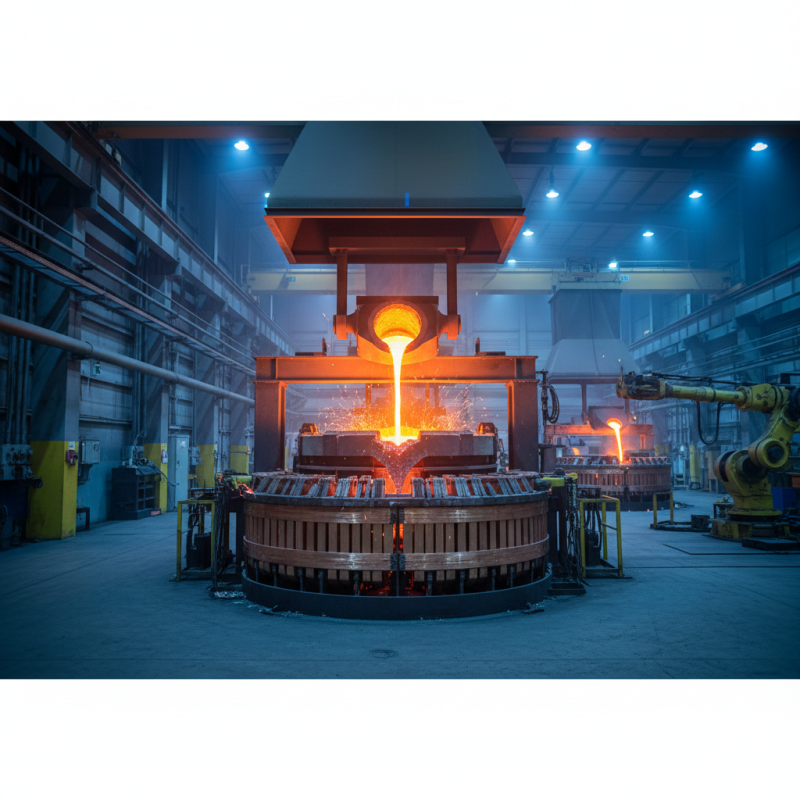
Induction melting coils play a crucial role in the efficiency and effectiveness of the metal melting process. These coils are designed to generate a high-frequency electromagnetic field, which induces currents within conductive materials, thereby generating heat. According to industry reports from the International Journal of Metalworking, Induction Melting Systems can achieve efficiencies upwards of 90%, significantly reducing energy consumption compared to traditional melting methods. This high level of efficiency not only leads to cost savings but also enhances productivity in metal processing facilities.
The geometric design and material composition of induction melting coils are essential for their performance. Research indicates that optimizing coil configuration can improve heat distribution and reduce hot spots, which is critical for maintaining consistent melting temperatures. Additionally, advancements in coil design technology have allowed for the development of coils that can withstand the high thermal and mechanical stresses associated with melting various metal types. A study by the Manufacturing Technology Research Institute highlights that the integration of advanced simulation tools in coil design has resulted in a 25% increase in operational lifespan, leading to reduced downtime and operational costs for manufacturers. The importance of induction melting coils cannot be overstated as they serve as the backbone of modern metallurgical processes, driving both efficiency and innovation in the industry.
Key Characteristics of Effective Induction Melting Coils
Effective induction melting coils play a crucial role in the efficiency of the metal melting process. One of the key characteristics of these coils is their ability to generate a uniform electromagnetic field. A well-designed coil will ensure consistent heat distribution across the metal, minimizing hotspots that can lead to uneven melting or oxidation. This uniformity is vital for maintaining the integrity of the metal and achieving the desired properties in the final product.
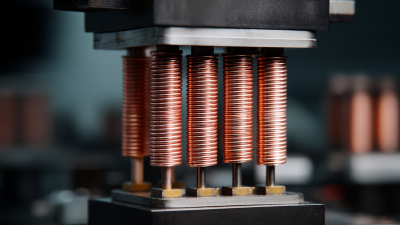
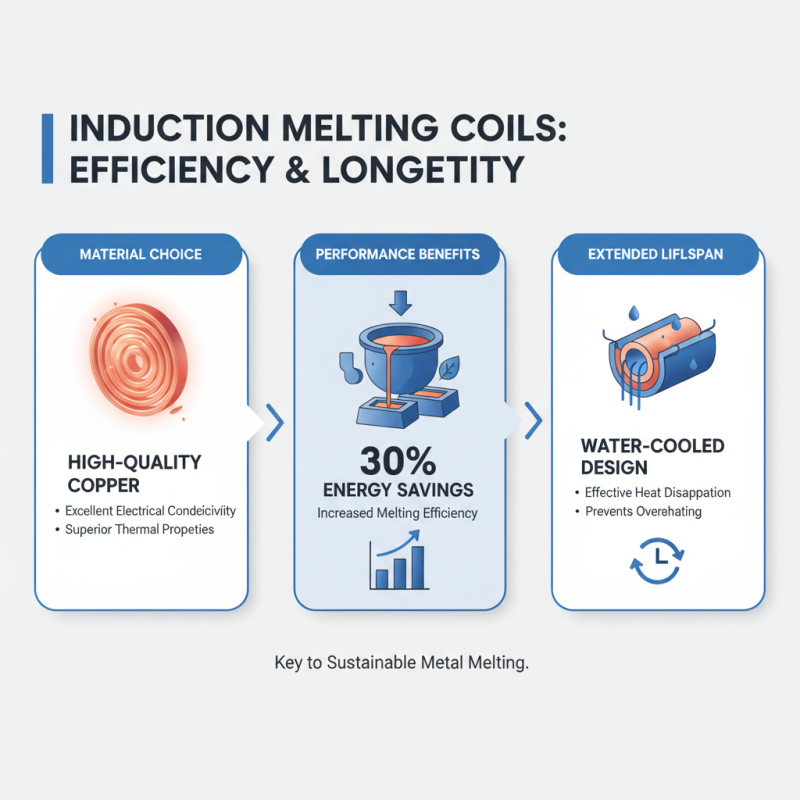
Another important factor is the coil’s material and construction. High-quality coils are typically made from copper due to its excellent conductivity and resistance to thermal expansion. Moreover, the geometry of the coil, including its turn count and spacing, significantly influences the melting speed and energy consumption.
Coils designed with the optimal balance of turns and spacing can maximize efficiency, reducing operational costs while enhancing melting performance. By prioritizing these characteristics when selecting or designing induction melting coils, manufacturers can significantly improve their melting processes and overall production efficiency.
Materials Used in Induction Melting Coils for Optimal Performance
Induction melting coils play a crucial role in the efficiency of metal melting operations. The materials used in these coils significantly impact their performance and longevity. High-quality copper is the most common material for induction melting coils due to its excellent electrical conductivity and thermal properties. Copper coils can provide superior melting efficiency, allowing operators to reduce energy consumption by approximately 30% compared to lower-grade alternatives. Moreover, the use of water-cooled copper coils can further enhance the operational lifespan by dissipating heat effectively and preventing overheating.
To maximize efficiency, it is essential to select the appropriate materials based on the specific melting requirements. For instance, alloyed copper coils are designed to withstand higher temperatures and are ideal for melting ferrous metals, which typically require more energy. In contrast, non-ferrous metals can be melted using standard copper coils without compromising efficiency. Operators should also consider the design of the coil; a helical configuration can create a uniform magnetic field, enhancing the melting process.
Tips: For optimal performance of induction melting coils, ensure regular maintenance and inspect for signs of wear or corrosion. Additionally, calibrate the induction system to match the specific metal being melted, as this can further improve energy efficiency and reduce cycle times. Choosing the right coil material and investing in proper maintenance can lead to significant cost savings and better outcomes in the melting process.
Design Considerations for Efficient Induction Melting Coils
When designing induction melting coils for an efficient metal melting process, several critical considerations come into play. The coil's geometry significantly impacts its performance; a carefully optimized shape can enhance electromagnetic coupling and reduce energy losses. The number of turns, coil diameter, and the spacing between turns must be calculated to ensure uniform heating across the metal. Additionally, the coil should be designed to accommodate the specific melting requirements of the metal being processed, as different materials have unique electrical and thermal properties.
Another essential factor in the design of induction melting coils is the choice of materials used. The coil must be constructed from highly conductive materials to minimize resistance and heat loss. It's also crucial to consider the cooling system incorporated into the coil design, as induction processes can generate significant heat. Effective cooling methods can help maintain the coil's integrity and prolong its lifespan. Lastly, insulation materials must be selected carefully to prevent thermal losses and ensure safety during operation, contributing to overall efficiency in the metal melting process.
Best Practices for Operating Induction Melting Coils
Operating induction melting coils efficiently requires attention to both the setup and ongoing practices. Before starting the melting process, it is essential to ensure that the induction coil is clean and free from any debris that could impede performance. Regular maintenance checks should include inspecting the coil for signs of wear and proper alignment with the crucible to maximize electromagnetic efficiency. This initial step can save time and energy while improving overall results.
Tip: Adjust the frequency of the induction power supply based on the type of metal being melted. Different metals have unique melting characteristics, and aligning the frequency correctly can enhance energy transfer, leading to faster melting times and reduced wastage.
During operation, maintaining consistent temperature control is critical for a successful melting process. Implementing real-time monitoring systems can help track temperature fluctuations, ensuring that the metal reaches optimal melt conditions without overheating. This practice not only preserves the quality of the metal but also contributes to a more effective use of energy.
Tip: Consider using a thermal imaging camera to monitor the melting process visually. This technology can identify hotspots and allow for timely adjustments, further increasing efficiency and preventing potential overheating. By implementing these best practices, you can enhance the metal melting process with induction coils significantly.
Best Induction Melting Coil Tips for Efficient Metal Melting Process
| Tip | Description | Efficiency Impact | Best Practice |
| Coil Design | Ensure optimal coil geometry for uniform heating. | Maximizes melting efficiency. | Use coiling techniques that minimize air gaps. |
| Power Settings | Adjust power levels based on metal type and volume. | Improves melting speed and energy consumption. | Perform regular power calibration. |
| Induction Frequency | Select frequency according to metal characteristics. | Enhances penetration depth of heat. | Experiment with frequencies for different alloys. |
| Cooling Systems | Maintain efficient cooling to prolong coil life. | Reduces downtime and maintenance costs. | Regularly check and service cooling systems. |
| Material Preparation | Use clean, dry materials for better melting results. | Promotes higher quality melts. | Implement a thorough cleaning process. |
Common Problems and Solutions in Induction Melting Processes
Induction melting processes are widely utilized in the metalworking industry due to their efficiency and efficacy. However, several challenges can arise during the melting phase, affecting overall productivity. One common issue is improper coil design, which can lead to inefficient heat transfer and longer melting times. According to a report by the International Journal of Materials and Manufacturing, enhancements in coil geometry can improve the efficiency of induction melting systems by up to 30%. Therefore, investing in well-designed induction coils is crucial for optimal thermal performance.
Another prevalent problem in induction melting is inconsistent power supply, which can result in irregular melting temperatures and uneven material heating. Data from the American Foundry Society indicates that maintaining a stable power supply can enhance melting reliability and reduce defects by approximately 15%. Regular maintenance and the use of advanced power control technologies can help stabilize the energy input, ensuring that the melting process is smooth and consistent. Addressing these issues not only aids in streamlining operations but also contributes to higher quality end products in metal fabrication.
Tips for Maintaining Induction Melting Coils for Longevity
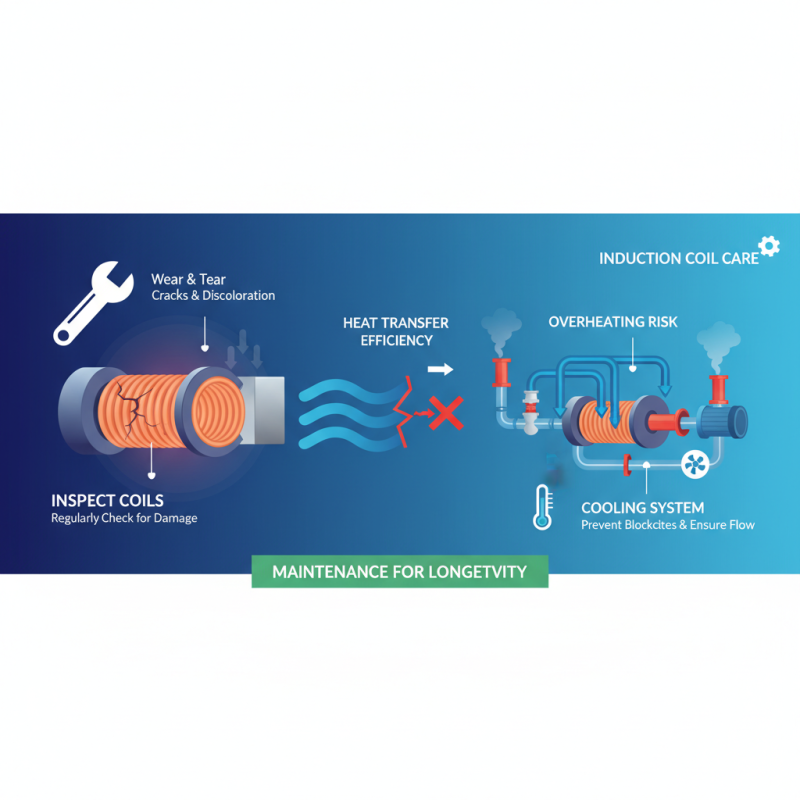
To ensure the longevity of induction melting coils, regular maintenance practices are crucial. One of the most effective strategies is to routinely inspect the coils for any signs of wear and tear, such as cracks or discoloration. These issues can prevent efficient heat transfer and lead to more significant damage over time. Additionally, keeping the cooling system functioning properly is vital, as overheating can severely impact the coil's integrity. Regular checks for blockages in the cooling lines and ensuring adequate coolant flow can mitigate the risk of overheating.
Another critical aspect of maintaining induction melting coils is the proper setup and alignment during operation. Incorrect installation can result in uneven heating, causing localized stress on the coil, which may lead to premature failure. Furthermore, employing appropriate operating parameters—such as avoiding excessive duty cycles—can greatly enhance coil lifespan. Educating operators on best practices and monitoring usage can help identify potential issues before they escalate, ensuring that the induction melting coils perform efficiently over an extended period.
Maximizing Efficiency in Coupling Assembly: Insights from Industry Reports on Induction Heater Hot Shrinking Processes
The coupling assembly process is a critical aspect in many industrial applications, requiring precision and efficiency to ensure optimal performance. One of the leading methods to enhance this process is through the use of Induction Heating technology. Specifically designed for hot shrinking applications, induction heaters offer a highly efficient and accurate heating solution that significantly streamlines the assembly of couplings.
Utilizing the principle of electromagnetic induction, these heaters generate rapid eddy currents within the coupling material, leading to uniform and quick heating. This controlled heating allows the coupling to expand uniformly, enabling easy and precise installation onto various shafts. As a result, manufacturers can reduce the time and effort spent on coupling assembly while achieving reliable and durable connections, which are essential for machinery longevity and performance.
Moreover, the integration of induction heaters in coupling assembly not only enhances efficiency but also minimizes the potential for material distortion, a common drawback associated with traditional heating methods. By ensuring consistent heating across the entire coupling, operators can achieve accurate fits without the need for excessive force, ultimately contributing to improved operational efficiency and reduced wear on components.
FAQS
: The most common material used in induction melting coils is high-quality copper, due to its excellent electrical conductivity and thermal properties.
Higher-quality materials, like alloyed copper, can enhance melting efficiency and reduce energy consumption. Copper coils can improve energy efficiency by approximately 30% compared to lower-grade alternatives.
The coil's geometry affects electromagnetic coupling and energy losses. An optimized design, including factors like the number of turns and coil diameter, leads to uniform heating across the metal.
Regular maintenance, such as inspecting for signs of wear or corrosion, and ensuring proper cooling system operation are crucial for maintaining coil integrity and longevity.
Effective cooling systems help dissipate heat generated during the induction process, preventing overheating and damage to the coil, which contributes to its overall lifespan.
Calibrating the induction system to match the specific metal being melted can improve energy efficiency and reduce cycle times, leading to better outcomes in the melting process.
Proper setup and alignment during operation, avoiding excessive duty cycles, and educating operators on best practices can enhance the lifespan and performance of induction melting coils.
A helical coil configuration can create a uniform magnetic field, which enhances the melting process by improving energy transfer to the metal being melted.
Proper selection of insulation materials is essential to prevent thermal losses and ensure safety, contributing to overall efficiency in the metal melting process.
Conclusion
Induction melting coils play a crucial role in the metal melting process, leveraging electromagnetic induction to achieve efficient heating of metals. Effective induction melting coils are characterized by their design, material composition, and operational protocols. Key characteristics that enhance performance include the coil's geometry, size, and the materials used, which significantly affect the melting efficiency and energy consumption.
To ensure optimal performance, careful design considerations are essential, focusing on factors such as thermal conductivity and electrical resistance. Best practices for operating induction melting coils involve maintaining appropriate temperature control and monitoring for potential issues. Additionally, regular maintenance is necessary to prolong the life of the coils and ensure reliable performance. Addressing common problems, such as overheating or coil wear, can improve the overall efficiency of the induction melting process, making it an indispensable tool in modern metallurgy.