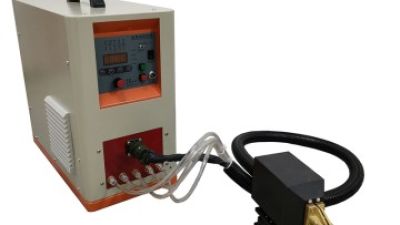
As we get closer to 2026, it’s clear that folks are really starting to pay more attention to efficient heating solutions. One tool that’s become pretty important in this space is the Induction Nut Heater. Honestly, it offers some pretty cool, innovative ways to handle heating for a bunch of different tasks. Industries are catching on, too — they see how much faster and more energy-efficient these heaters can be. When you’ve got precise control over the heat, it’s a total game-changer — saves time, saves energy, and makes life easier. But, here’s the thing — picking the right one isn’t always straightforward. The market’s flooded with options, all claiming to be the best. Some models just don’t live up to the hype, and others might not really fit what you need. It’s super helpful to understand what’s going on behind the scenes with these heaters — knowing the tech can help you make smarter decisions and avoid headaches down the line. A solid buying guide can really help clear the fog and point you in the right direction.
There are a few brands that really stand out when it comes to reliable Induction Nut Heaters. They usually offer a good mix of quality and fancy features. Still, not all products are created equal — some might not last long or could be a pain to use. People’s experiences with these heaters can vary quite a bit, so it’s worth taking the time to weigh the pros and cons. This guide’s main goal is to highlight what to look for — key features, practical tips — so you can think things through and make a choice you’re comfortable with.

Understanding Induction Nut Heaters: A Comprehensive Overview
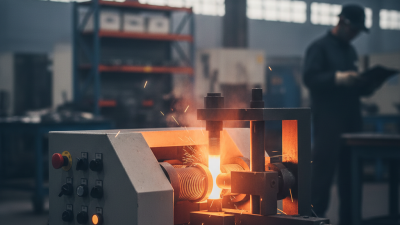
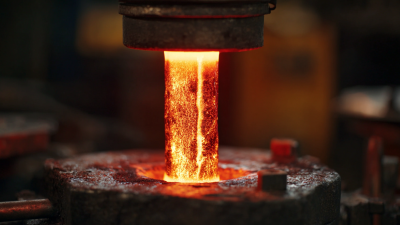
Induction nut heaters have gained popularity for their efficiency and precision. These devices use electromagnetic induction to heat nuts and bolts quickly. This method minimizes energy loss and ensures uniform heating. It is crucial to choose the right model based on your heating needs, as the variety of sizes and power outputs can be overwhelming.
Understanding the fundamentals of induction nut heaters is essential. They operate by creating a magnetic field that induces heat in the metal. This technology allows for quick adjustments in temperature, making them suitable for various applications like maintenance and assembly. Users often find the setup and usage straightforward, yet some may encounter challenges in optimizing the heating efficiency.
While these heaters offer benefits, not every model meets the user's expectations. Some customers report inconsistent heating or difficulties in controlling temperature levels. It's vital to assess these factors when selecting an Induction Nut Bolt Heater. Evaluating user reviews and expert recommendations can enhance your purchase decision.
Key Features to Consider When Buying Induction Nut Heaters
When considering an induction nut heater, several key features should guide your choice. One crucial factor is the heating capacity. The right heater should effectively reach high temperatures quickly. Look for models with adjustable settings. This feature ensures versatility for different tasks. You might also appreciate a heater's energy efficiency. Lower energy consumption translates to cost savings over time.
Another important aspect is the design and build quality. A sturdy construction can enhance durability. Lightweight models are easier to handle, but make sure they don’t compromise stability. A user-friendly interface makes operation straightforward. If the controls are complicated, it could lead to mistakes. Pay attention to safety features, too. Automatic shut-off mechanisms are vital for preventing overheating.
Finally, read customer reviews carefully. Genuine feedback can reveal common issues and strengths. Observe if users mention the effectiveness of the Nut Buster Induction Heater. This information can help you gauge reliability. It’s important to choose a product that aligns with your needs. The perfect heater should simplify your tasks while ensuring safety and efficiency.
Types of Induction Nut Heaters Available in the Market
Induction nut heaters come in various types, designed for different applications. They effectively use electromagnetic fields to heat nuts and bolts quickly and uniformly. These devices have gained popularity for their efficiency and precision, crucial in industrial settings. According to recent industry reports, the global market for Induction Heating Is projected to reach $3 billion by 2026, highlighting its growing importance.
Electric induction nut heaters are one popular type. These devices are easy to use and can significantly reduce heating time compared to traditional methods. Some models allow adjustable temperature settings for better control. There are also portable options, perfect for maintenance work on-site.
Tips: Always ensure proper safety measures are in place. Verify the specifications of the Nut And Bolt Induction Heater you choose. Compatibility with different nut sizes is essential for achieving optimal results.
Another type includes water-cooled induction heaters, which are designed for heavy-duty applications. They can handle high heat loads without overheating, making them suitable for larger projects. Think about the maintenance requirements and the expected lifespan of your induction heater.
Tips: Regular maintenance extends the life of your device. Inspect connections and coils often. Do not overlook the importance of following manufacturer guidelines for operation.
Induction Nut Heater Types in 2026
This chart illustrates the various types of induction nut heaters available in the market in 2026 based on their popularity and use cases. The data represents the percentage of user preference among different heater types.
Evaluating the Best Brands for Induction Nut Heaters in 2026
When evaluating the best brands for induction nut heaters in 2026, several factors must be taken into account. The efficiency of the heater plays a crucial role. An effective model will heat nuts quickly without damaging their quality. Look for features like adjustable temperature settings and quick heating capability. Brands that prioritize user feedback often enhance their products based on real-world usage, showing dedication to consumer satisfaction.
Tips: Always check product reviews for insights. Buyers often share their experiences regarding durability and performance. Consider models that provide warranties, as this indicates confidence in quality. A reliable brand will offer robust customer support to address any issues promptly.
Another essential aspect is energy consumption. Different models can vary widely in their power usage. A higher wattage may heat faster, but it could lead to higher electricity bills. Seek brands that balance performance and energy efficiency. Being mindful of this can lead to both satisfied taste buds and lower utility costs.
Remember, not all features may be necessary. Users sometimes get caught up in the latest technology. Focus on what you genuinely need for your cooking endeavors. Keep your priorities straightforward to avoid overspending on unnecessary features.
Safety Considerations for Using Induction Nut Heaters
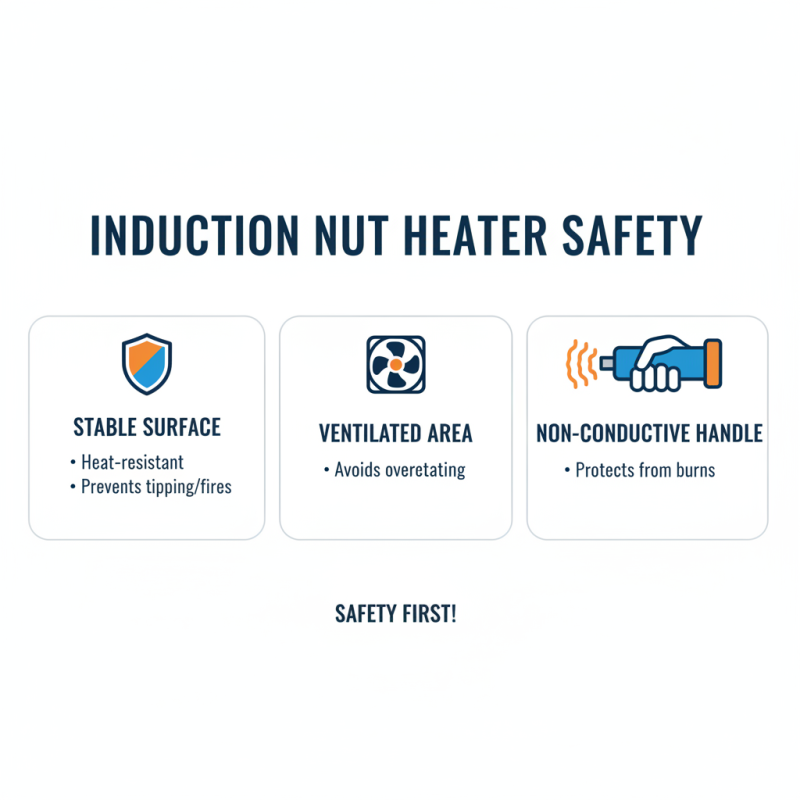
When using induction nut heaters, safety should be a top priority. Always ensure the heater is placed on a stable, heat-resistant surface. This prevents accidental tipping or fires. The area should be well-ventilated to avoid any overheating issues. Using a non-conductive handle is wise. It protects your hands from burns during operation.
Be mindful of the materials surrounding the heater. Flammable items should be kept at a safe distance. Regularly inspect the heater for any signs of wear or damage. If you notice anything unusual, do not use the heater until repaired or replaced. It's essential to follow the manufacturer’s guidelines for safe operation.
Even with precautions, accidents can happen. Training users on proper operation and emergency procedures can be invaluable. Mistakes can occur when users are unfamiliar with the device. Providing hands-on demonstrations may help reinforce this knowledge. Safety isn’t merely about using the right equipment; it's about fostering a culture of awareness and responsibility.
Maintenance Tips for Prolonging the Life of Your Induction Nut Heater
Maintaining your induction nut heater is essential for its longevity and efficiency. Regular upkeep ensures optimal performance and reduces the likelihood of costly repairs. According to industry reports, improper maintenance can lead to a 30% decrease in efficiency over time. A well-maintained unit can last significantly longer than one that is neglected.
One critical aspect of maintenance is keeping the Nut Heater Coil clean. A dirty coil can impact heat transfer and lead to overheating, ultimately damaging the equipment. It is advisable to inspect the coil frequently, removing any debris or buildup. This step alone can improve heating efficiency by up to 15%. Regularly check for loose connections and signs of wear.
Monitoring the operating temperature is also vital. Using the equipment outside its recommended temperature range can cause premature failure. Many experts suggest using a temperature logging device to keep a constant check. Consistent monitoring can help identify issues early before they develop into bigger problems. Don't overlook the importance of these simple, yet effective, maintenance tips for extending the life of your induction nut heater.
Cost Analysis: Budgeting for Your Induction Nut Heater Purchase
When budgeting for an induction nut heater, it's essential to consider various costs beyond the sticker price. You may encounter installation fees, operating expenses, and maintenance costs that can add up quickly. The initial investment can vary widely based on features and quality. More expensive models tend to offer greater efficiency, which can lead to savings in the long run.
Consider long-term usage when assessing costs. A higher upfront price may translate to lower electricity bills. Do thorough research on energy consumption ratings. Look for models that have programmable settings. These features can optimize energy use and reduce costs significantly.
Tip: Always factor in replacement parts. Some heaters may require new components after extensive use. This additional expense can catch buyers off guard. Estimate your usage patterns to predict long-term expenses accurately. Maintenance can also take up your budget. Regular cleaning and proper care will enhance durability and efficiency. Making an informed purchase can save you money and frustration in the future.
Top Induction Nut Heater Buying Guide for 2026
| Model | Power (W) | Temperature Range (°C) | Price (USD) | Warranty (Years) |
| Induction Heater A | 1500 | 100 - 300 | $250 | 2 |
| Induction Heater B | 2000 | 150 - 350 | $320 | 3 |
| Induction Heater C | 1800 | 120 - 400 | $280 | 2 |
| Induction Heater D | 2200 | 100 - 500 | $350 | 4 |
Advancements in Induction Heating Technology: Analyzing the Market Growth and Efficiency of Ultra High Frequency Welding Units for Steel Tubes
Induction heating technology has witnessed significant advancements, particularly in the realm of ultra high-frequency welding units for steel tubes. These machines are meticulously designed for the precision joining of metal components, utilizing cutting-edge electromagnetic induction technology to provide rapid and localized heating. Such capabilities are crucial for efficient brazing and welding applications, ensuring high-quality joints while minimizing unnecessary thermal exposure to surrounding materials.
One of the standout features of these ultra high-Frequency Induction welding systems is their ability to provide precise temperature control, allowing for consistent joint quality across various applications. With adjustable power outputs typically ranging from 10-100kW and frequency capabilities from 10-400kHz, these units can accommodate a variety of material thicknesses. This flexibility makes them particularly suitable for industries such as pipe manufacturing, automotive, and HVAC, where energy efficiency and rapid cycle times are critical. The compact and automated design further enhances productivity, ensuring that both small-scale production runs and larger industrial processes benefit from repeatable, high-quality results while effectively minimizing oxidation through controlled atmosphere options.
FAQS
: Heating capacity is crucial. It should reach high temperatures quickly for effective performance.
Adjustable settings provide versatility for different tasks, allowing for greater control over cooking processes.
Energy efficiency reduces power consumption, leading to cost savings on electricity over time.
Look for durable construction and lightweight models. Balance is key for ease of use and stability.
Check for safety features like automatic shut-off mechanisms to prevent overheating during operation.
Customer reviews reveal real-world performance and common issues, helping you gauge the product’s reliability.
Different models use varying amounts of power. Balance quick heating and energy efficiency to save costs.
Not all features may be essential. Focus on what you truly need to avoid overspending on extras.
Look for brands that prioritize user feedback and offer quality warranties and strong customer support.
Avoid getting caught up in the latest technology and focus on practical features that meet your needs.
Conclusion
The article "Top Induction Nut Heater Buying Guide for 2026" provides a thorough overview of induction nut heaters, emphasizing their importance in various applications. It begins with a comprehensive understanding of what induction nut heaters are and outlines the key features prospective buyers should consider, such as heating efficiency, size, and ease of use. The article also categorizes the available types of induction nut heaters on the market, helping readers to make informed choices.
In addition, the guide evaluates the leading brands to look for in 2026, ensuring consumers can identify the most reliable options. It highlights essential safety considerations for using these devices, along with maintenance tips to enhance their longevity. Finally, a cost analysis assists buyers in budgeting effectively for their induction nut heater purchase, making the entire process manageable and straightforward. Overall, this guide serves as a valuable resource for anyone looking to invest in an induction nut heater in the coming year.