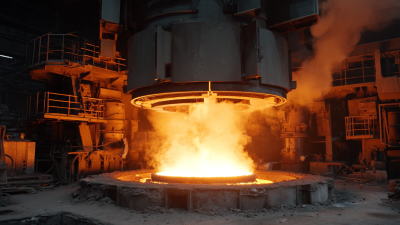
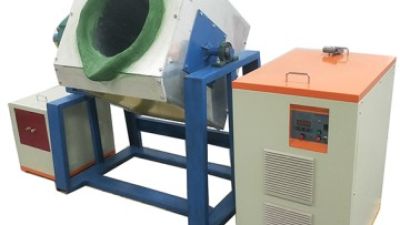
You know, in the world of metals and manufacturing, the melting furnace really is a game-changer. It’s pretty much the backbone when it comes to melting down metals and alloys for all sorts of industrial stuff. I read what Dr. John Smith from MetalWorks had to say—he mentioned, ‘The melting furnace is the heart of every foundry,’ and honestly, that really hits the nail on the head. It’s clear just how important this piece of equipment is.
So, here’s the scoop: a melting furnace works by superheating metals until they turn into liquid. Depending on what you’re working with, it can run on electricity, gas, or Induction Heating. Each of these has its perks—like, induction furnaces are pretty speedy and save energy at the same time.
But, let’s be real—nothing’s perfect. These furnaces come with their own set of challenges. Keeping everything safe and making sure they’re well-maintained is a must. Sometimes, issues like contamination pop up, and that can mess with the quality of the final product. When industries stay aware of these things, they can tweak their processes, which helps them stay on track with production goals—and maybe even do better next time.
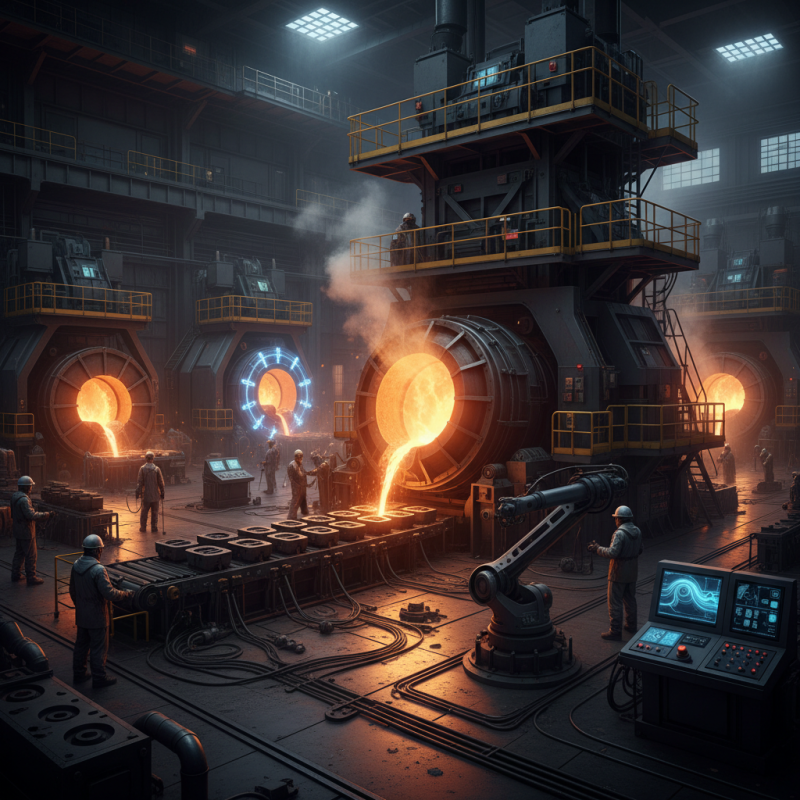
What is a Melting Furnace?
A melting furnace is a crucial component in various industrial processes. It is designed to convert solid materials into their molten forms. Typically, these furnaces can reach temperatures exceeding 1,600 degrees Celsius, depending on the material being melted. In 2021, the global melting furnace market was valued at approximately $6.2 billion, indicating its significant impact on manufacturing.
Melting furnaces operate using different heating methods. Electric arc, induction, and gas-fired options are prevalent. Electric arc furnaces are commonly used for steel production. They can achieve rapid heating and offer efficient energy use. In contrast, induction furnaces are favored for non-ferrous metals, like aluminum. These systems promote cleanliness, as they minimize contamination risks.
Despite their advantages, melting furnaces face several challenges. For instance, the high energy demands can lead to increased operational costs. Research shows that about 30% of production costs stem from energy consumption, which raises concerns about sustainability. Additionally, improper maintenance may result in operational inefficiencies. As industries continue to evolve, optimizing furnace technology is essential for both performance and environmental impact.
Types of Melting Furnaces Used in Industry
Melting furnaces are crucial in metalworking and recycling industries. Different types cater to various materials and production methods. The most common types include induction furnaces, electric arc furnaces, and crucible furnaces. Induction furnaces are efficient and environmentally friendly. They work by using electromagnetic induction to heat metals. According to a recent industry report, this method can save up to 30% on energy costs compared to traditional furnaces.
Electric arc furnaces, often used in steel production, rely on powerful electrical currents. They achieve high temperatures rapidly, melting scrap metal and alloys. These furnaces have a capacity that ranges from a few tons to over 100 tons per batch, depending on the model. Crucible furnaces, on the other hand, are smaller and ideal for non-ferrous metals. They heat the metal in a crucible, reaching temperatures sufficient to melt gold, silver, and copper.
**Tip:** Regular maintenance of furnaces can improve efficiency. Check for wear and tear to avoid costly downtime.
**Tip:** Safety is paramount. Always wear protective gear when operating furnaces. Even minor overheating can be dangerous.
What is a melting furnace and how does it work? - Types of Melting Furnaces Used in Industry
| Type of Melting Furnace | Fuel Source | Temperature Range (°C) | Applications |
| Induction Furnace | Electricity | 1000 - 2000 | Steel, Non-ferrous metals |
| Electric Arc Furnace | Electricity | 1600 - 1800 | Steel production, Scrap melting |
| Blast Furnace | Coke, Coal | 1200 - 1500 | Iron and steelmaking |
| Crucible Furnace | Gas, Oil, Electricity | 700 - 1500 | Gold, Silver, Specialty alloys |
| Cupola Furnace | Coke, Limestone | 1200 - 1400 | Cast iron production |
Basic Components of a Melting Furnace
A melting furnace is a crucial component in various industries, particularly in metal recycling and manufacturing. The basic components include the furnace body, heating elements, and a charging system. The furnace body typically consists of strong, heat-resistant materials that can withstand high temperatures. This is essential because melting metals often requires temperatures exceeding 1,000 degrees Celsius.
Heating elements play a significant role in the operation of melting furnaces. Electric furnaces commonly use resistance heating, while other types may depend on fuel combustion. According to industry reports, around 60% of melting processes utilize electric melting furnaces. This statistic highlights the efficiency and precision they offer. However, not all furnaces perform equally, and inefficiencies can arise in heat distribution and energy consumption.
The charging system is also vital. It allows for the introduction of raw materials into the furnace. Properly designed charging systems optimize the melting process. They ensure uniform heating and reduce energy waste. Still, issues can emerge if the materials are not adequately prepared, leading to contamination or prolonged melting times. Overall, while the components of a melting furnace are designed for efficiency, the operational challenges can affect performance.
How a Melting Furnace Operates: The Process
A melting furnace is essential in metal processing. It transforms solid metal into liquid through intense heat. The principle is straightforward: apply enough energy until the metal reaches its melting point. For example, aluminum melts at around 660°C.
During operation, raw materials, often metal scraps, enter the furnace. They are heated using electricity or fuel combustion. The heat sources vary, impacting efficiency. According to industry reports, electric arc furnaces can operate with an energy efficiency of 75%. This high efficiency reduces operational costs and environmental impact.
Tips: Always monitor temperature levels closely. Overheating can degrade metal quality. Regular maintenance of heating elements ensures optimal functioning. Remember, safety is crucial. Use proper gear when operating the furnace to avoid accidents.
As the melting process completes, liquid metal flows into molds. This stage is critical for shaping the final product. Not all melting processes succeed. Impurities can affect the final output. Operators must assess the quality consistently. A misstep can lead to financial losses or compromised product integrity.
Melting Furnace Operation: Energy Consumption Variation
Energy Sources for Melting Furnaces
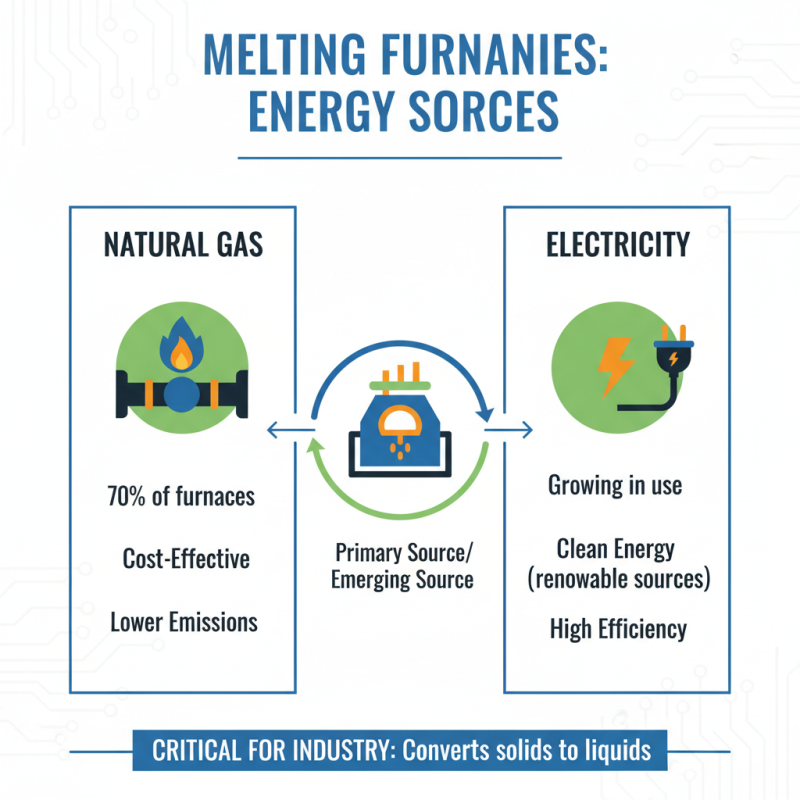
Melting furnaces are critical in various industries, converting solid materials into liquid form. The energy sources used for these furnaces significantly affect their efficiency and environmental impact. Natural gas and electricity are common sources. In recent years, data indicates that up to 70% of melting furnaces use natural gas due to its cost-effectiveness and lower emissions compared to traditional fuels.
Electric melting furnaces are gaining traction, especially in steel production. These furnaces can reach high temperatures quickly. Reports show that approximately 30% of global steel is produced in electric arc furnaces. While this method is efficient, it raises concerns related to electricity consumption and its impact on power grids. Moreover, the use of renewable energy sources in electric furnaces is still developing. Research suggests that integrating solar or wind power could reduce dependence on fossil fuels.
However, energy efficiency in melting furnaces is not always optimized. Some facilities still rely on outdated technologies that waste energy. A study highlighted that poorly maintained furnaces could operate at 50% efficiency or lower. This presents an opportunity for improvement. Investing in modern systems can lower energy consumption and operational costs while promoting sustainability.
Applications of Melting Furnaces in Manufacturing
Melting furnaces serve various roles in manufacturing. Industries often use them to melt metals for recycling or production. This heating process enables the formation of new products. Typically, these furnaces reach very high temperatures, which allow metals to transition from solid to liquid.
In the automotive sector, for instance, melting furnaces are vital. They recycle scrap metal into new parts. This practice reduces waste and supports sustainability. Foundries utilize furnaces for creating components like engine blocks and frames. However, not every melting process is efficient. Some waste energy, leading to higher costs and environmental concerns.
The electronics industry also relies on these furnaces. Components such as circuit boards often need molten metal for repair or creation. However, precision is crucial. Inconsistent temperatures can lead to defects. It's a balancing act that manufacturers strive to refine. Melting furnaces present opportunities but also challenges. They require careful management and improvement to maximize their potential.
Safety Considerations When Using Melting Furnaces
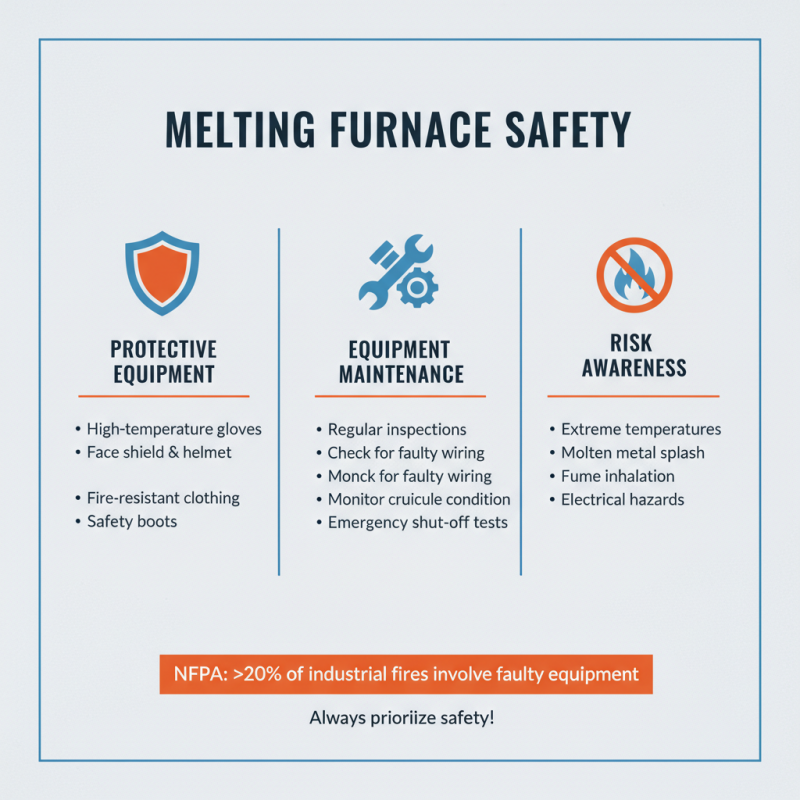
Melting furnaces are essential in various industries for metalworking. They can reach extremely high temperatures, posing significant safety risks. Understanding safety considerations is crucial for anyone working with these furnaces. The National Fire Protection Association (NFPA) states that over 20% of industrial fires involve faulty equipment like melting furnaces.
Wear proper personal protective equipment (PPE) such as heat-resistant gloves and safety goggles. Conduct regular inspections of the furnace and equipment, looking for any signs of wear or damage. Keeping the area around the furnace clean can prevent accidents and ensure a safe working environment.
Additionally, effective ventilation is necessary when operating melting furnaces. Poor air quality can lead to hazardous fumes. A report from the American Industrial Hygiene Association (AIHA) suggests that adequate ventilation can reduce exposure to harmful substances by up to 75%. Use exhaust systems that comply with safety standards to maintain a safe atmosphere.
Some safety practices may seem tedious but are crucial. For instance, thorough training in emergency procedures can save lives. Regular drills can help workers understand their roles during incidents. Reflecting on these practices can lead to improvements in safety protocols.
Innovative Induction Heating Solutions: Exploring the Top Quality Gold Silver Speedy Smelting Furnace Machine
Induction heating has revolutionized the smelting process for precious metals, providing an innovative solution that meets the demands of efficiency and precision. The latest Induction Heating Furnaces are equipped with advanced electromagnetic induction technology, enabling rapid melting of gold and silver in a matter of minutes, typically between 5 to 15 minutes. This swift melting capability not only accelerates production but also significantly reduces energy consumption compared to traditional furnace methods. According to industry reports, energy-efficient technologies in metallurgy can lead to reductions in energy usage by up to 30%, presenting substantial cost savings for operations.
The compact design of these induction furnaces makes them ideal for small to medium-scale refining operations, catering perfectly to jewelers, recyclers, and laboratories. With the ability to reach high-temperature stability up to 1600°C, these machines ensure uniform heating, which minimizes metal loss and enhances the purity of the final product. Reports indicate that maintaining consistent temperature control is critical in refining processes, as even minor fluctuations can affect the quality of the metal. Moreover, features like overheat protection and duty-cycle optimization enhance the safety and durability of the equipment, making it a reliable choice for high-volume operations.
In today's competitive market, the balance between energy efficiency, speed, and product purity is paramount. The latest induction heating solutions not only address these necessities but also align with the industry's shift towards sustainable practices. By utilizing state-of-the-art technology, users can ensure that they are not only maximizing their operational output but also contributing to the environment by reducing their carbon footprint and energy consumption. As the demand for precious metals continues to rise, investing in high-quality induction heating furnaces is becoming increasingly essential for maintaining a competitive edge in the industry.
FAQS
: The product aims to enhance daily convenience and streamline specific tasks.
Users might save time and energy while improving efficiency in their routines.
The product is suitable for a wide range of individuals, regardless of their habits.
Users should read instructions carefully. Some mistakes could lead to undesirable outcomes.
Regular cleaning and proper care can prolong its lifespan. Ignoring this may result in issues.
Users are encouraged to reach out for assistance. It’s normal to encounter issues occasionally.
Most users find it straightforward. However, some may need time to adapt.
Some believe the product solves all problems. It can help but is not a miracle solution.
Return policies are typically in place. Be sure to understand them before purchase.
There may be differences in features and performance. Evaluate what matters most to you.
Conclusion
A melting furnace is a crucial piece of equipment used in various manufacturing processes for melting metals and other materials. There are various types of melting furnaces, including electric arc, induction, and crucible furnaces, each suited for specific applications. The basic components of a melting furnace typically include a furnace body, heating element, and temperature control systems. The operation of a melting furnace involves heating the material to its melting point using an energy source such as electricity, gas, or oil, and then casting or forming the liquid metal as needed.
Melting furnaces are widely used in industries such as metal recycling, foundry, and manufacturing of alloys. Safety considerations are paramount when operating a melting furnace, as high temperatures and molten materials pose significant risks. Proper training, equipment maintenance, and adherence to safety protocols are essential to ensure the safety of personnel and equipment involved in the melting process.