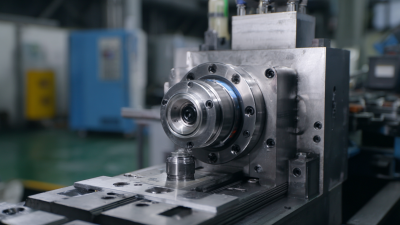
When you're shopping for a brazing machine, having some know-how really makes all the difference. Michael Thompson, who’s been around the block at WeldTech Solutions, always says, “Picking the right brazing machine lays the groundwork for a successful project.” It’s not just about grabbing any machine — you need to know what your specific needs are, and how the machine will fit into your workflow. For instance, the UHF Induction Brazing Machine is great if you’re after precision and efficiency. It helps you work faster and cuts down on wasted energy, which is a big plus.
You also gotta think about what kind of materials you're gonna be working with. Different machines perform better with certain alloys, so that’s something to keep in mind. Details like the size of your parts and how complex your work is can really influence your choice. Honestly, finding a reliable machine can feel overwhelming at first — but looking at test reports and listening to what other clients say can really help steer you in the right direction.
And let's be real, not all machines are cut from the same cloth. Some might be missing features you actually need for your projects. It’s super important to check out potential limitations before you buy. Industry standards can vary too, so understanding these little nuances helps you make smarter decisions. Finding the perfect brazing machine isn’t always quick or easy, but honestly, it’s pretty rewarding once you get it right. Just take your time, and really think about what you actually need — it’ll pay off in the long run.
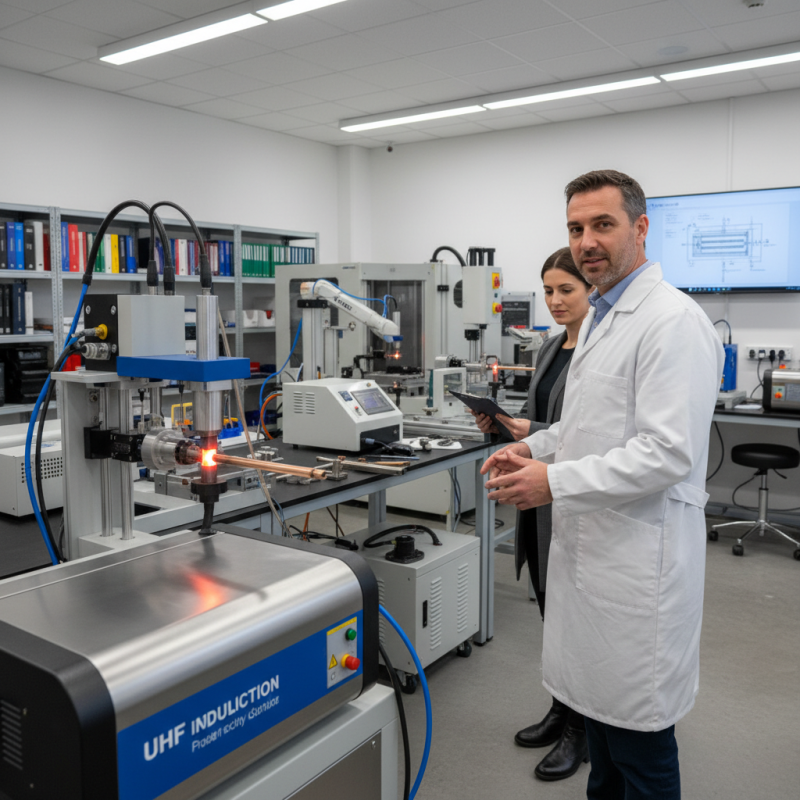
Understanding Brazing Technology and Its Applications
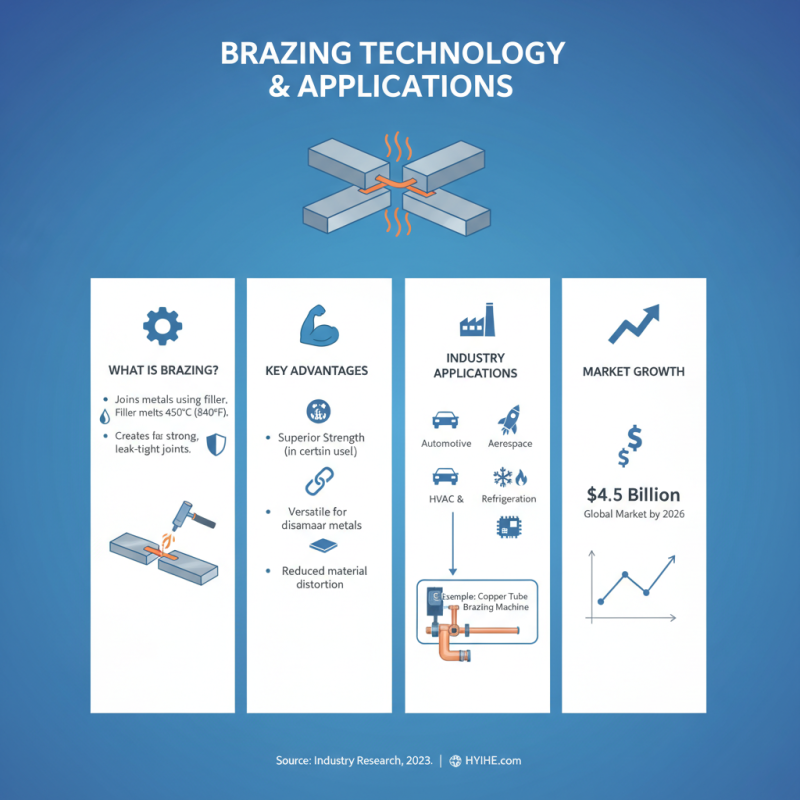
Brazing technology is essential in various industries, from automotive to aerospace. It involves joining two metals using a filler material that melts above 450°C. Research shows that brazing can produce stronger joints than welding for certain applications. The global brazing market is expected to reach $4.5 billion by 2026, indicating the growing relevance of this technology. Understanding different brazing machines, such as a copper tube brazing machine, is critical for effective metal joining.
Tips for choosing the right brazing machine include evaluating the types of metals you will work with. Different machines may handle materials like aluminum or copper differently. Assess the heat source required. Options range from gas to induction heating systems. Each method has distinct advantages that impact efficiency and quality.
Consider the machine’s productivity. How quickly can it operate? Faster machines often lead to increased output. However, reflect on balancing speed with the quality of the joint. Investing in a reliable machine can prevent costly failures down the line. Lastly, be aware of after-sales support. Reliable service can enhance your investment, ensuring your brazing processes remain efficient over time.
Key Factors Influencing Brazing Machine Selection
When selecting the right brazing machine, several key factors must be considered. Brazing is a delicate process requiring precision. According to industry reports, about 30% of production issues stem from poor equipment choices. The type of joint required and the materials involved greatly influence decisions. It’s essential to evaluate the compatibility of the MF brazing machine with specific alloys. A mismatch can cause joint failure, leading to costly repairs.
One significant factor is the heat source. For instance, torch or furnace options are prevalent. Each has unique advantages based on application needs. The brazing temperature range must align with material specifications. Selecting a machine that aligns with these parameters is crucial. Data shows that 45% of users report improved efficiency after choosing the right heat source for their projects.
Tips for optimizing your selection include assessing production speed and joint strength requirements. Consider maintenance ease as well. A complex machine may lead to longer downtimes. User feedback often highlights the importance of operator training. This aspect significantly impacts overall efficiency and output quality. Always research and weigh your options carefully before making a purchase.
Comparison of Brazing Techniques: Furnace vs. Torch vs. Induction
When selecting a brazing technique, understanding the differences between furnace, torch, and induction methods is essential. Each has unique advantages and considerations. A recent industry report noted that furnace brazing is highly efficient for mass production and offers uniform heating, which reduces the risk of damaging materials. This technique can operate at temperatures up to 1,200°C, making it ideal for stainless steel components commonly used in automotive manufacturing.
However, torch brazing provides flexibility. It is particularly useful for smaller batch sizes or repairs. Torch brazers can reach high temperatures quickly. Yet, consistency can vary, which might lead to strength issues in the joint. Research indicates that improper technique can result in weaker bonds, reducing the joint’s overall reliability.
Induction brazing, on the other hand, has gained traction due to its precision. It heats specific areas without affecting surrounding components. This method is energy-efficient and delivers fast results. Data shows that induction systems can cut energy consumption by 30-50% compared to traditional methods. Despite its advantages, initial setup costs can be a deterrent for smaller operations. Therefore, each technique presents a unique set of challenges and benefits that require careful consideration based on the specific application.
Essential Tips for Choosing the Right Brazing Machine
| Brazing Technique | Temperature Range (°C) | Flux Usage | Speed of Process | Common Applications |
| Furnace Brazing | 900 - 1200 | Often Required | Moderate | Automotive Parts, Heat Exchangers |
| Torch Brazing | 700 - 1000 | Required | Fast | Repair Work, Small Assemblies |
| Induction Brazing | 500 - 1200 | Less Common | Very Fast | Electrical Components, Jewelry |
Essential Specifications for Industrial Brazing Machines
When selecting an industrial brazing machine, understanding key specifications is vital. The brazing process relies on a strong bond formed by melting a filler metal. This requires precise control over temperature, which can leverage various heating methods. A popular report indicated that about 60% of brazing failures are linked to improper temperature management. Thus, choosing a machine with reliable temperature control features is non-negotiable.
In addition to temperature, the machine’s power output should be a priority. Industrial machines typically range from 1 to 20 kW. Higher power allows for quicker heating and more efficient operations. It’s also relevant to consider the type of material being joined. Different metals require distinct brazing processes. According to a study by the American Welding Society, more than 55% of industrial firms faced challenges related to material compatibility. Ensuring your machine can handle various materials can mitigate these issues.
Moreover, consider the machine's energy efficiency. Recent statistics reveal that energy costs can account for 30% of a company’s operating budget. Prioritizing energy-efficient machines can yield significant savings. It’s essential to weigh these factors against your production needs, as overlooking them may lead to costly mistakes. Ultimately, the right choice depends on a deep understanding of your specific requirements and industry standards.
Evaluating Efficiency: Power Consumption and Output Quality
When selecting the right brazing machine, efficiency is a crucial factor. One key element is power consumption. A machine with lower energy requirements can significantly cut operational costs. It's important to assess how much power the Induction Brazing Machine consumes during its operation. This helps in determining its overall efficiency and potential savings.
Output quality is equally important. The brazing process can be intricate. Any inconsistency may lead to weak joints. Focus on machines that ensure high-quality output while consuming less power. Evaluating samples and conducting tests is essential. Sometimes, the most efficient machines may not perform as expected in real-world scenarios.
Machine specifications should align with specific needs. This requires a clear understanding of material types and thicknesses. A good choice must blend efficiency and quality. Yet, there may be instances where a machine appears promising but falls short in practice. Continuous reflections on performance and outcomes are vital to finding the best fit in brazing technology.
Efficiency Evaluation of Brazing Machines
This chart displays the power consumption and output quality ratings of various brazing machines evaluated for efficiency. The x-axis represents different machines, while the y-axis indicates the ratings on a scale of 1 to 10 for both power consumption efficiency and output quality.
Safety Standards and Compliance in Brazing Operations
When engaging in brazing operations, safety standards should never be overlooked. Proper equipment can mitigate many risks associated with high-temperature processes. Personal protective equipment (PPE) is crucial, including gloves, goggles, and flame-resistant clothing. These measures protect against burns and other injuries.
Compliance with industry regulations is essential for safe operations. Regular training on proper techniques and equipment use helps reinforce safety protocols. Understanding the potential hazards of the materials involved is vital. For example, some base metals can release toxic fumes when heated. Workers must be aware of these dangers.
Regular maintenance of brazing machines is another critical factor in safety. Machines that are well-maintained operate more efficiently and reduce the risk of accidents. Workers should periodically inspect equipment for wear and damage. It's questionable how many safety incidents could have been avoided with proper maintenance and training. Continuous improvement should be a priority for any organization involved in brazing.
Maintenance Best Practices for Long-lasting Brazing Equipment
When investing in brazing equipment, maintenance is key to longevity. Regular checks and cleaning could greatly enhance the lifespan of machines. Reports indicate that a well-maintained brazing machine can last up to 50% longer than one that is neglected. Focus on the Portable Induction Brazing Machine; its design demands routine inspections to ensure optimal performance.
Inspecting the cooling system is crucial. Overheating can lead to significant wear and tear. Ensure that water pumps and flow rates are operating correctly. Regularly replacing filters is often overlooked but can prevent expensive damages. Studies show that preventing downtime through proactive maintenance can save companies up to 30% in repair costs.
Electrical connections demand attention, too. Loose wires or corroded terminals may cause inefficiency. Keeping a clean workspace around equipment reduces contamination risks. However, it’s easy to dismiss these small details during busy production times. Careful evaluation of these factors contributes to maximum efficiency and effectiveness in brazing processes. A commitment to these maintenance best practices will ultimately lead to better outcomes and lower costs.
FAQS
: Furnace brazing is efficient for mass production. It provides uniform heating to reduce material damage.
Torch brazing offers flexibility for small batches or repairs. However, consistency can vary, impacting joint strength.
Furnace brazing can operate at temperatures up to 1,200°C. This is ideal for stainless steel in automotive manufacturing.
Induction brazing heats specific areas precisely. It is energy-efficient and can reduce energy use by 30-50%.
Yes, the initial setup costs can be high. This may deter smaller operations from adopting this method.
Lower power consumption can reduce operational costs. It directly impacts the overall efficiency of the machine.
Inconsistencies in output can lead to weak joints. High-quality output is essential for strong bonding.
Machine specifications should match material types and thicknesses. Balancing efficiency and quality is key.
Some machines may seem efficient but underperform in real-world settings. Regular reflection on outcomes is important.
Yes, testing samples is essential to ensure quality. It helps identify any discrepancies before full-scale production.
Conclusion
When selecting the right brazing machine, it is crucial to understand the fundamentals of brazing technology and its various applications. Key factors that influence the selection process include the type of materials being joined, the brazing techniques employed (such as furnace, torch, or induction), and the essential specifications required for industrial use. Evaluating the efficiency of a brazing machine involves considering power consumption alongside the quality of output, ensuring that operations remain cost-effective while meeting production standards.
Additionally, adherence to safety standards and compliance in brazing operations cannot be overlooked. Proper maintenance practices are also essential for the longevity of brazing equipment, helping to minimize downtime and maximize efficiency. By carefully analyzing these aspects, businesses can make informed decisions when choosing a brazing machine that best fits their manufacturing needs.