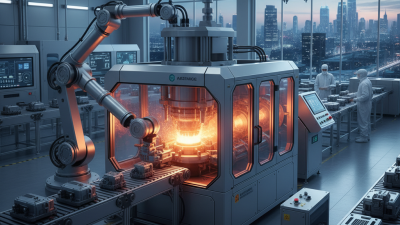
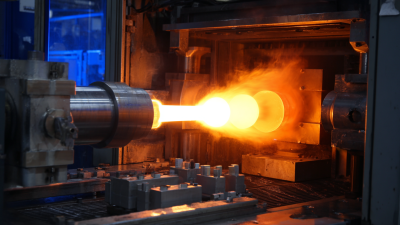
In the ever-changing world of manufacturing, chasing after operational efficiency has become pretty much essential. As industries face new challenges and tech keeps evolving, we're seeing more creative solutions shake up the old ways of doing things. One standout among these innovations is hot assembly machines—they’re really changing the game by boosting productivity and making operations more streamlined. These high-tech systems don’t just speed up assembly—they also help ensure everything’s precise and top-notch quality, making them super important in today’s manufacturing landscape.
Bringing hot assembly machines into the mix signals a move towards more automation and smarter manufacturing processes. With their ability to quickly apply heat and position parts with precision, these machines are transforming how products get put together. And it’s not just happening in one field—whether it’s cars, electronics, or other industries, these machines are versatile and making a real difference. As manufacturers look to cut costs and keep up with what consumers want, getting on board with these cutting-edge tools really isn’t optional anymore if you want to stay competitive in this fast-paced market.
Overview of Assembly Machines in Modern Manufacturing
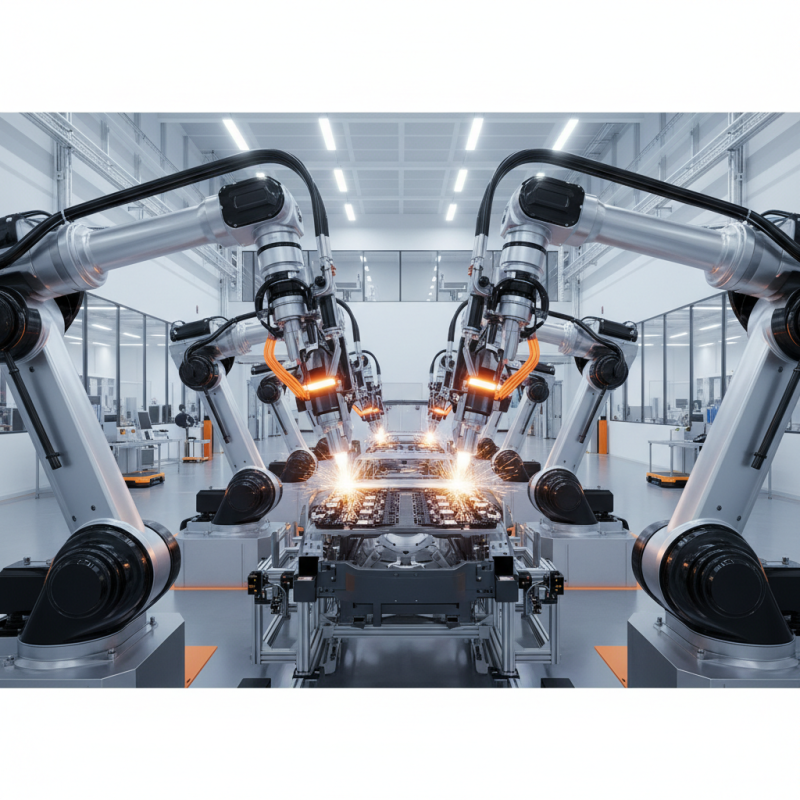
In modern manufacturing, assembly machines play a crucial role in enhancing productivity and efficiency. These machines have evolved significantly, leveraging advanced technologies such as robotics, artificial intelligence, and automation. By streamlining the production process, they help reduce labor costs and errors while increasing the speed of operations. As manufacturers seek to optimize their workflows, the integration of sophisticated assembly machines has become a pivotal strategy in meeting the rising demands for precision and quality in various industries.
One of the key advantages of contemporary assembly machines is their versatility. Designed to handle a range of components and configurations, these machines can easily adapt to different production runs. This flexibility allows manufacturers to switch between products with minimal downtime, thereby maximizing overall output. Furthermore, the deployment of smart assembly technologies facilitates real-time monitoring and data collection, enabling manufacturers to identify bottlenecks and implement continuous improvements. As a result, these advanced machines are not just tools of production; they are integral to the strategic planning and operational excellence of modern manufacturing systems.
Key Features of High-Efficiency Assembly Machines
The evolution of assembly machines is transforming the landscape of manufacturing efficiency. High-efficiency assembly machines are designed with cutting-edge technology that enhances productivity while minimizing waste. One of the key features of these machines is their adaptability, allowing them to handle various products and components seamlessly. This flexibility reduces downtime and enables manufacturers to quickly shift production lines to meet changing market demands.
Another significant aspect is the integration of automation and smart technology. Many assembly machines now utilize advanced sensors and AI-driven software that optimize workflows and enhance precision. This smart technology not only streamlines the assembly process but also improves quality control, ensuring that each product meets strict standards. Additionally, energy efficiency is prioritized, with machines designed to consume less power without sacrificing performance, thereby contributing to sustainable manufacturing practices.
Top Innovations in Automated Assembly Technology
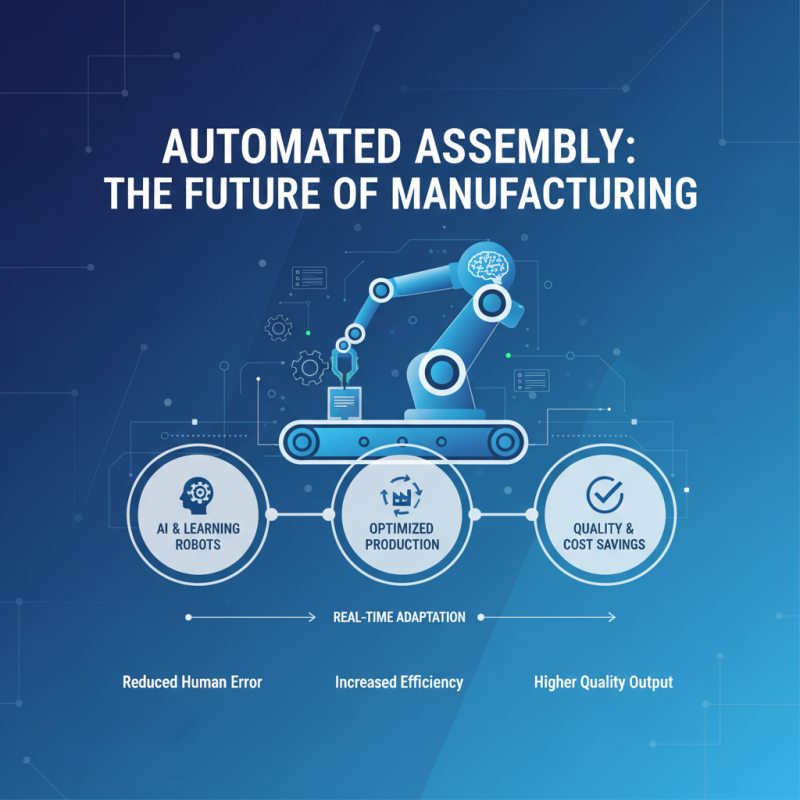
The world of automated assembly technology has witnessed remarkable innovations that are transforming manufacturing efficiency. At the core of these advancements are intelligent robotic systems that incorporate artificial intelligence to enhance their capabilities. These machines can learn from their environment, adapt to changes, and optimize production processes in real-time. This not only reduces human intervention but also minimizes errors, leading to higher quality outputs and decreased operational costs.
Another pivotal innovation is the integration of collaborative robotics (cobots) into assembly lines. Unlike traditional industrial robots that operate in isolation, cobots are designed to work alongside human operators, sharing the workspace and enhancing productivity through teamwork. They can handle repetitive tasks while allowing human workers to focus on more complex aspects of assembly that require critical thinking and creativity. This synergy is boosting overall manufacturing output and creating a safer work environment.
Furthermore, advancements in sensor technology and data analytics are enabling smarter assembly machines. Modern systems are equipped with sensors that gather real-time data, allowing for predictive maintenance and immediate adjustments to assembly processes. This not only streamlines operations but also increases the lifespan of equipment, resulting in significant cost savings. As these technologies continue to evolve, the landscape of manufacturing efficiency is poised for even greater transformation.
Impact of Smart Robotics on Manufacturing Processes
The manufacturing landscape has seen a remarkable transformation due to the advent of smart robotics. These advanced machines are designed to enhance precision, efficiency, and productivity across various processes. By integrating machine learning algorithms and artificial intelligence, smart robotics can adapt to changing production environments and requirements, reducing downtime and increasing output. Their ability to perform complex tasks with high accuracy allows manufacturers to streamline operations, thereby minimizing waste and operational costs.
Moreover, the deployment of smart robotics facilitates real-time data collection and analysis throughout the manufacturing process. This capability enables manufacturers to monitor performance metrics and quickly identify potential bottlenecks or inefficiencies. With the insights gained from data analytics, production lines can be optimized dynamically, ensuring that resources are utilized effectively. As a result, companies can not only speed up their production cycles but also improve the overall quality of their products, setting a new standard for excellence in manufacturing efficiency.
Top 10 Hot Assembly Machines Revolutionizing Manufacturing Efficiency
| Machine Type | Efficiency Improvement (%) | Reduction in Labor Cost (%) | Production Speed (units/hour) | Technology Level |
| Robotic Arm | 30 | 25 | 100 | High |
| Automated Conveyor | 20 | 15 | 150 | Medium |
| 3D Printer | 40 | 30 | 20 | High |
| Laser Cutter | 35 | 20 | 75 | High |
| Automated Guided Vehicle (AGV) | 25 | 20 | 50 | Medium |
| Pick and Place Robot | 32 | 22 | 120 | High |
| CNC Machine | 28 | 18 | 60 | High |
| Injection Molding Machine | 22 | 10 | 200 | Medium |
| Robotic Welding Machine | 33 | 28 | 90 | High |
| Smart Inspection Machine | 38 | 35 | 40 | High |
Case Studies: Successful Implementation of Assembly Systems
In today's fast-paced manufacturing landscape, the implementation of advanced assembly machines is crucial for enhancing efficiency. Many companies have witnessed remarkable transformations in their production processes through the successful adoption of these technologies. For instance, a leading automotive manufacturer integrated a robotic assembly system that significantly reduced the assembly line cycle time by 30%, allowing them to increase output while maintaining high quality. This case illustrates how leveraging automation can not only streamline operations but also improve workplace safety by minimizing human error and physical strain.
Tips: When considering the integration of assembly systems, it is essential to conduct a thorough analysis of your current workflow. Identify bottlenecks and areas where automation can bring the most benefit. Additionally, ensure that your team is well-trained on the new technology to maximize its effectiveness.
Another compelling case study comes from a consumer electronics company that adopted modular assembly systems. By utilizing modular components, they were able to customize products more rapidly and adapt to market demands with greater agility. This strategic shift not only improved efficiency but also enhanced customer satisfaction by allowing for faster delivery times.
Tips: Flexibility is key when implementing new assembly systems. Consider modular designs that allow for quick adjustments and can be reconfigured to accommodate different products or changes in production volume.
Future Trends in Assembly Machine Development
The landscape of assembly machine development is on the brink of transformative change, driven by the integration of advanced technologies such as artificial intelligence, machine learning, and IoT (Internet of Things). According to a recent report by Research and Markets, the global assembly machine market is projected to reach $12 billion by 2025, growing at a CAGR of 8% from 2020. This growth underscores a pivotal shift towards automation and smarter manufacturing processes that enhance operational efficiency.
Future trends indicate a shift towards collaborative robots, or cobots, which are designed to work alongside human operators. These machines not only improve productivity but also enhance workplace safety. A study by the International Federation of Robotics noted that over 3 million industrial robots will be in operation globally by 2025. As assembly lines become increasingly interconnected, manufacturers will leverage real-time data analytics to optimize processes and quickly adapt to changing demands.
Tips: As manufacturers consider upgrading their assembly systems, it’s crucial to invest in training and upskilling employees to work effectively with new technologies. Regularly evaluating machine performance and integrating feedback loops can significantly contribute to maintaining operational efficiency. Finally, staying informed about emerging technologies and industry trends will help businesses remain competitive and responsive to market needs.
Challenges and Solutions in Adopting New Assembly Technologies
The adoption of new assembly technologies in manufacturing can bring substantial efficiency gains, but it also presents various challenges. One of the primary hurdles companies face is the integration of advanced machines into existing legacy systems. This often requires significant investments in training personnel and modifying production lines, which can disrupt workflow and lead to temporary dips in productivity. Moreover, the steep learning curve associated with new technologies may result in initial resistance from employees who are accustomed to traditional methods.
Addressing these challenges requires a strategic approach that emphasizes employee involvement and continuous improvement. Companies can facilitate smoother transitions by providing comprehensive training programs that help workers understand the benefits of new assembly technologies and how to operate them effectively. Establishing collaborative teams that include input from both management and front-line workers can also foster a culture of innovation and adaptability. Additionally, phased implementation strategies can minimize disruptions, allowing companies to gradually assess the impact of new machines and make necessary adjustments before full-scale deployment. By tackling these challenges head-on, manufacturers can successfully harness the potential of cutting-edge assembly technologies to enhance their operational efficiency.
Maximizing Efficiency in Metal Joining: The Benefits of Hot Selling Inclined Copper and Brass Tube Induction Brazing Machines
The efficiency of metal joining processes, particularly in HVAC and industrial piping applications, can significantly benefit from advanced induction brazing technologies. The hot-selling Induction Brazing Machines specifically designed for inclined copper and brass tubes, operating at angles between 30° and 60°, showcase the potential for increased productivity and precision in brazing operations. According to industry reports, traditional torch brazing methods can lead to inconsistent heat distribution, resulting in unreliable connections. However, this induction brazing machine utilizes high-frequency induction heating in the range of 15-60 kHz, achieving rapid brazing times of just 5-20 seconds. This high efficiency not only speeds up production but also maintains uniform temperature across the joint, critical for high-quality outcomes.
Furthermore, the closed-loop infrared temperature control, with a remarkable accuracy of ±3°C, allows for oxidation-free brazing without the need for flux. This advancement in process control is particularly crucial, as studies indicate that flux residues can negatively impact the integrity of joints in critical applications such as heat exchangers and condenser tubing. The automation compatibility of these machines, which enables production rates of 20-30 joints per hour, offers the possibility of a leaner manufacturing environment, which is increasingly important in industries seeking to minimize waste and maximize output. By consuming over 50% less energy than conventional methods, these induction brazing machines not only contribute to cost savings but also support sustainability initiatives within industrial operations.
FAQS
: Key advancements include intelligent robotic systems that use artificial intelligence, collaborative robotics (cobots) that work alongside human operators, and improvements in sensor technology and data analytics for real-time optimization.
These systems learn from their environment, adapt to changes, and optimize production processes in real-time, which reduces human intervention and errors, resulting in higher quality outputs and lower operational costs.
Cobots are robots designed to work alongside humans in the workspace, handling repetitive tasks, which allows human workers to focus on more complex activities, enhancing overall productivity and safety.
Sensors gather real-time data for predictive maintenance and immediate process adjustments, streamlining operations and increasing equipment lifespan, which leads to significant cost savings.
Manufacturers face challenges such as integrating advanced machines with legacy systems, the need for significant training investments, and potential resistance from employees accustomed to traditional methods.
Companies can provide comprehensive training programs, involve employees in the transition process, and use phased implementation strategies to minimize disruptions and gradually adapt to new technologies.
Employee involvement fosters a culture of innovation and adaptability, helping to reduce resistance and ensure that staff effectively understand and accept the new technologies.
Collaborative teams can gather input from both management and front-line workers, facilitating smoother transitions and enhancing the overall adaptability of the workforce.
Phased implementation allows companies to assess the impact of new machines gradually, making necessary adjustments while minimizing disruptions to workflow and productivity.
As technologies continue to evolve, the landscape of manufacturing efficiency is expected to undergo significant transformation, leading to even greater gains in productivity and cost savings.
Conclusion
The article "Top 10 Hot Assembly Machines Revolutionizing Manufacturing Efficiency" explores the transformative role of advanced assembly machines in modern manufacturing. It highlights how these hot assembly machines incorporate innovative features such as automation, precision engineering, and smart robotics to enhance productivity and minimize operational costs. By delving into recent advancements in automated assembly technology, the piece illuminates the significant impact of intelligent robotics on streamlining manufacturing processes.
Additionally, the article presents case studies that showcase successful implementations of these assembly systems, underscoring their effectiveness in various industries. It also discusses future trends in assembly machine development, emphasizing the ongoing challenges and potential solutions associated with adopting new technologies. This comprehensive overview illustrates how hot assembly machines are pivotal in shaping the future of efficient manufacturing.