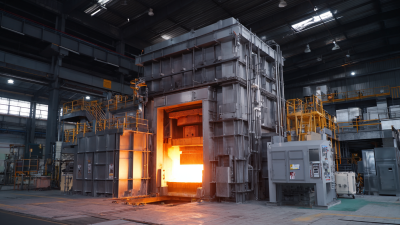
Hey, have you noticed how the demand for better copper melting furnaces is really taking off? According to a report by MarketsandMarkets, the global market for metal melting furnaces is projected to hit around $4.8 billion by 2025 — all thanks to more industries relying on this technology. Copper, being such a fantastic conductor of electricity, plays a huge role in electronics, building projects, and lots of other areas. When it comes to melting these materials, having efficient tech makes a big difference—not just for costs, but also for how much you can produce.
Choosing the right copper melting furnace isn’t something to take lightly, though. You’ve got to consider performance, how much energy it uses, and how much maintenance it needs. A bunch of companies today offer pretty high-tech Copper Induction Melting Furnaces that help boost productivity. Take ABP Induction, for example—they're known for focusing on energy savings in their designs.
But not all melting furnaces are equal — some can end up costing more in maintenance or might not melt copper as efficiently. So, figuring out what works best isn't always straightforward. It’s really important for manufacturers to understand these little differences so they can pick equipment that keeps things running smoothly and cost-effectively, without sacrificing quality or sustainability.
Types of Copper Melting Furnaces Available in the Market
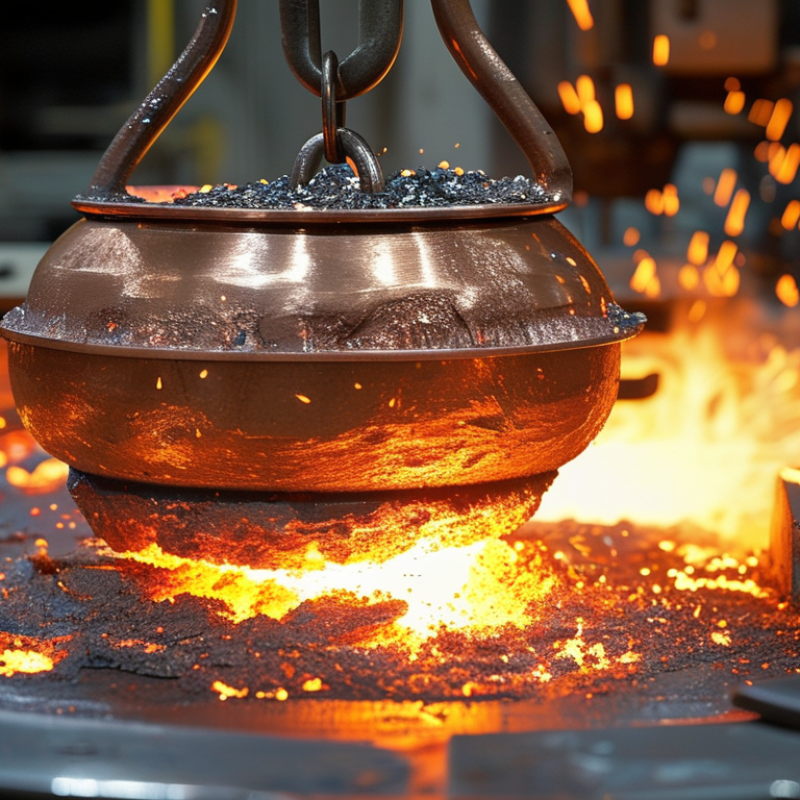
When exploring copper melting furnaces, various types cater to different production needs. Electric melting furnaces are popular for their consistent temperature control. They often feature advanced technology, allowing for efficient energy use. However, they can be costly upfront, which may deter small-scale operations.
Induction furnaces represent another option, known for their rapid heating capabilities. They utilize electromagnetic fields to melt copper quickly and uniformly. While these furnaces promote energy efficiency, their complexity can lead to maintenance challenges. Additionally, operators need specialized expertise to manage them effectively.
Crucible furnaces offer a more traditional approach. These manually operated units allow for precise temperature adjustments. While less automated, they can be more affordable to purchase. Still, the hands-on nature means operators may face labor intensity. A careful assessment of production goals, budget, and operator experience is crucial in choosing the right type.
Key Factors to Consider When Choosing a Copper Melting Furnace
When selecting a copper melting furnace, several key factors should guide your decision. Efficiency is paramount; look for models that offer rapid heating and energy conservation. Heating capacity is crucial as well. Ensure the furnace can handle your specific volume needs without excessive energy consumption.
Safety features are non-negotiable. Melting copper may involve hazardous conditions, so choose a furnace with robust safety mechanisms. This includes reliable temperature control and containment measures. Proper ventilation is another component to consider. Poor air quality can create harmful working environments.
Operational ease is also significant. A user-friendly interface can make a difference in maintaining consistent production levels. Look for features that reduce the learning curve for new operators. Maintenance should be straightforward to avoid prolonged downtimes.
Remember to reflect on these factors carefully. Sometimes, shiny new models may not deliver value in the long run. Always weigh your options and invest in reliability and efficiency over mere aesthetics.
Top 10 Copper Melting Furnace Options for Efficient Production
This chart illustrates the energy efficiency levels and production capacities of various copper melting furnaces.
Top 10 Efficient Copper Melting Furnace Models Reviewed
When evaluating efficient copper melting furnaces, various factors come into play. The design and heat retention ability of the furnace can significantly impact performance. A well-insulated furnace minimizes heat loss, enhancing efficiency. This reduces fuel consumption and operating costs. However, some models may struggle with temperature consistency. Variations can lead to production defects in molten copper.
It’s essential to assess user reviews and expert opinions. Many users highlight the importance of a reliable control system. Accurate temperature settings can ensure optimal melting conditions. Some furnaces feature advanced technology for real-time monitoring. This is crucial for achieving the ideal melting point for copper. On the other hand, not all systems provide the same level of user-friendliness. Potential buyers must weigh their options carefully to find the right match.
The materials used in construction also play a significant role. Durable refractory linings can withstand high temperatures, extending the furnace's lifespan. Some models may highlight efficiency but compromise on material quality. Such discrepancies should raise eyebrows. Exploring different types of furnaces assists in making informed decisions. Users might find themselves constantly reflecting on their choices to identify the best investment for their production needs. Annealing Copper can significantly enhance its ductility, making the choice of the right furnace even more critical.
Comparison of Fuel Sources for Copper Melting Furnaces
When considering fuel sources for copper melting furnaces, efficiency is key. Common options include natural gas, propane, and electricity. Each fuel source has distinct characteristics that affect performance and production costs. For instance, natural gas is often regarded for its low emissions and cost-effectiveness. Propane, while generally more expensive, offers portability and higher energy density. In contrast, electric furnaces provide precise temperature control, making them suitable for high-quality Copper Heat Treatment.
The choice of fuel directly influences the melting process and operational efficiency. Natural gas typically heats up quickly, reducing wait times. However, it may not be as consistent in temperature regulation as electric options. Propane can reach high temperatures rapidly, but the cost and availability may vary. Electric furnaces are known for reliability but can incur higher energy bills. Each option carries potential drawbacks that can impact production capacity and environmental footprint.
It's essential to weigh these factors carefully. Operators should assess their production needs and local fuel prices. Understanding the long-term implications of each fuel choice ensures informed decisions. Balancing efficiency with cost can lead to better outcomes in Copper Heat Treatment. Exploring diverse fuel sources allows for adaptability in production methods while achieving desired quality.
Safety Features in Modern Copper Melting Furnaces
Modern copper melting furnaces prioritize safety features to protect operators and enhance production efficiency. One critical aspect is thermal insulation. High-quality insulation keeps heat contained, reducing the risk of burns. Another feature is automatic shut-off systems. If the furnace exceeds a temperature threshold, it automatically shuts down, preventing potential hazards. These systems are vital in maintaining a safe working environment.
Ventilation is another key safety aspect. Effective exhaust systems remove harmful fumes generated during the melting process. This reduces the risk of inhalation and promotes healthier working conditions. Additionally, many furnaces now include safety barriers. These barriers provide physical separation between operators and the hot work area. While manual inspections are still essential, modern designs are increasingly incorporating technology to minimize accidents.
However, there are challenges. Some operators may overlook safety protocols, believing technology is enough. Regular training is crucial to ensure every team member understands the risks. Operators should also be encouraged to report any anomalies they observe during operation. This promotes a culture of safety and vigilance. Continual assessments of safety features can lead to improvements over time, ensuring that both workers and the environment remain secure.
Maintenance Tips for Enhancing Furnace Efficiency
Maintaining a copper melting furnace is crucial for efficient production. Regular inspections can help identify problems early. Check for any signs of wear and tear. Ensure that all electrical components function properly. It might seem tedious, but neglecting these tasks can lead to major issues that disrupt operations.
Another key aspect is the temperature control system. A furnace that fluctuates in temperature can lead to uneven melting. This affects the quality of your final product. Calibration should be performed regularly, and thermocouples should be tested frequently. Remember that the copper tube brazing machine operates best in consistent conditions.
Keep the furnace clean to enhance efficiency. Remove any leftover materials or slag regularly. This prevents contamination and improves heat transfer. It’s easy to overlook the buildup of materials, but this simple task can significantly affect performance. Consider keeping a maintenance log to track these tasks. Small efforts today can save you from costly repairs tomorrow.
Cost Analysis of Investing in a Copper Melting Furnace
Investing in a copper melting furnace can be a significant financial commitment. The initial costs often range from $20,000 to $150,000, depending on the furnace type and capacity. However, a well-chosen furnace can lead to lower operational costs over time. Reports indicate that efficient melting technologies can reduce energy consumption by 30%. This decrease in energy use directly impacts the profitability of a business.
Copper production yields can significantly increase with high-efficiency melting systems. Studies suggest that upgrading to advanced Induction Copper Brazing techniques can enhance output by up to 25%. These methods ensure that the copper melts evenly, reducing waste and increasing quality. Manufacturers must consider these aspects when analyzing the long-term benefits of their investments.
While the upfront expense can be daunting, the right melting furnace pays off quickly. Businesses should factor in not only the melting rates but also the potential savings from reduced energy and labor costs. Reflecting on past decisions in furnace selection helps in future planning. Ensure that your investment aligns with operational goals to maximize returns.
FAQS
: Efficiency is key. Look for models with rapid heating and energy conservation.
Ensure the furnace can handle your specific volume needs without wasting energy.
Safety features prevent hazardous conditions during melting. Look for reliable temperature control and containment measures.
Proper ventilation is necessary to ensure safe air quality and working conditions.
Regular inspections for wear and tear are vital. This can help identify issues early.
Fluctuating temperatures can lead to uneven melting and affect the final product's quality.
Calibration should be performed regularly, and thermocouples should be tested frequently.
Regular cleaning prevents contamination and improves heat transfer efficiency.
Create a log to track inspections and cleaning. Small tasks can prevent costly repairs.
New models may look appealing but might not deliver long-term value over reliable and efficient options.
Conclusion
The article "Top 10 Copper Melting Furnace Options for Efficient Production" explores various types of copper melting furnaces available in the market and delves into the key factors that should be considered when selecting the right furnace for efficient production. It reviews the top ten models, highlighting their performance and features while also comparing different fuel sources that can influence operational efficiency.
Furthermore, the article emphasizes safety features present in modern copper melting furnaces to ensure a secure working environment. Maintenance tips are provided to help users enhance the efficiency of their furnaces, along with a cost analysis to guide potential investors in making informed decisions. Overall, this comprehensive guide serves as a valuable resource for anyone involved in the copper melting industry, offering insights into optimization and safety in production processes.