When it comes to manufacturing and metal fabrication, choosing the right welding machine is a pretty big deal — it really affects both how efficient your work is and the quality you end up with. I came across a report from Market Research Future that predicts the global welding equipment market will hit around 21.23 billion USD by 2025. That just shows how much demand there is for more advanced welding tech across different industries.
Now, if you’re new to all this, it helps to know that Dongguan Hongye Intelligent Equipment Technology Co., Ltd. (HYET) has been leading the way since 2005, especially in cutting-edge induction heating systems. Understanding the main types of welding machines—like MIG, TIG, and Stick welders—is really key if you’re trying to make smart choices for your projects. So, I’ve put together this little guide to help demystify welding machines.
It’s all about giving newcomers some solid insights so they can make better, more informed decisions when diving into the fab world.
Understanding the Basics: What You Need to Know About Welding Machines
Starting out with welding can feel pretty overwhelming if you're new to it, so understanding the basics of welding machines is honestly a good first step. There are different types of welding, like MIG, TIG, and stick welding, each suited for different projects and skill levels. If you’re just getting started, a versatile MIG welder is often the way to go—it’s pretty easy to learn and can handle a bunch of different materials without much fuss. Interestingly, recent industry reports have shown a rise in demand for entry-level welding gear, which makes sense because everyone’s looking for machines that are straightforward and user-friendly, especially in classes or beginner workshops.
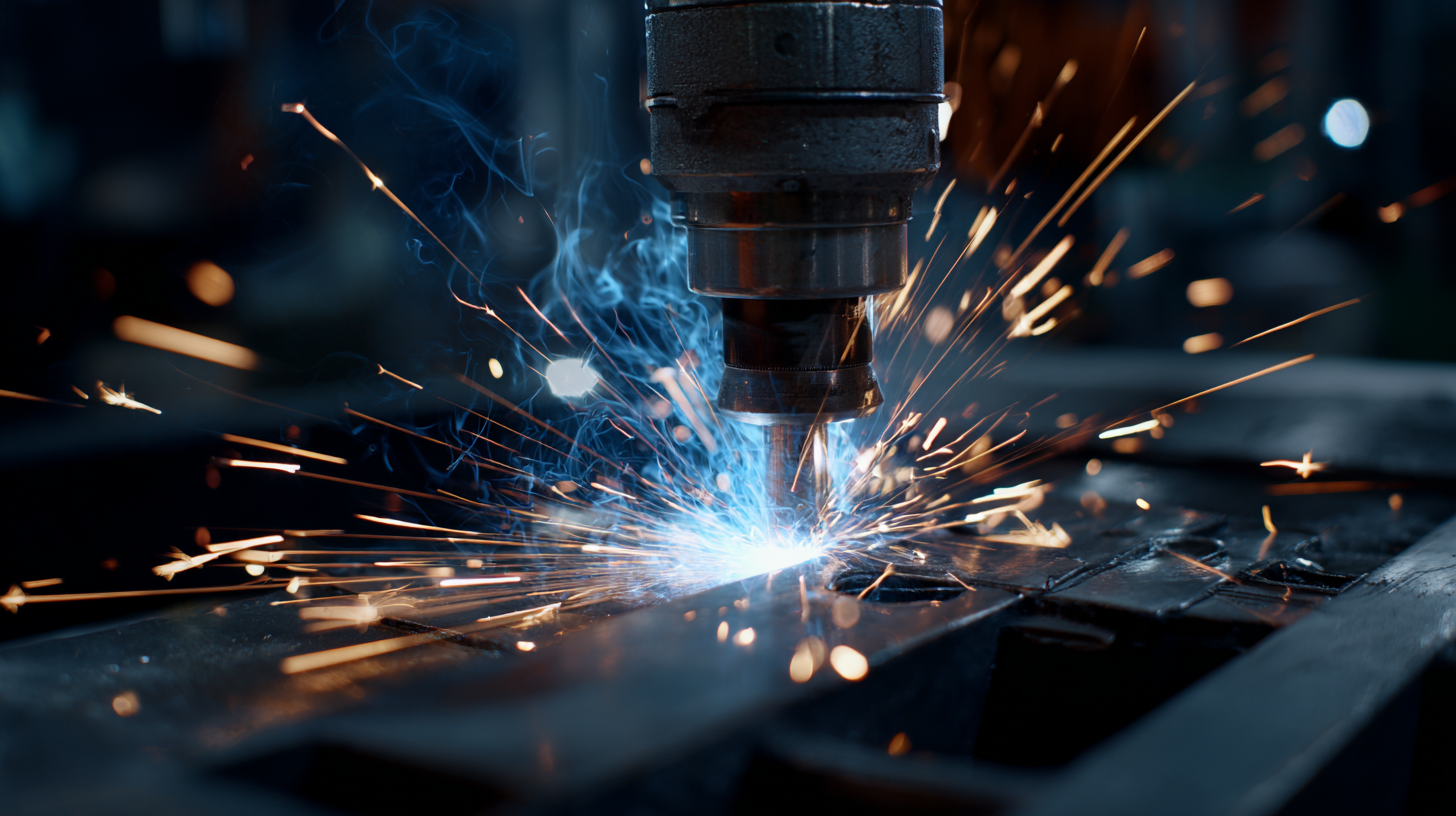
One model that really caught attention in recent hands-on tests is the one that can switch effortlessly between MIG and flux-cored welding. That kind of flexibility is perfect if you’re working on different kinds of projects. Plus, the agricultural world is actually seeing more need for welding repairs—stuff like fixing up farm equipment is super important, and having the right machine makes a big difference. Good welding equipment not only helps beginners learn new skills but also plays a part in filling some workforce gaps in manufacturing and farming, where jobs are expected to stay in high demand for the foreseeable future.
Types of Welding Machines: A Comprehensive Overview for Beginners
Picking out the right welding machine can feel pretty overwhelming for someone just starting out, especially with so many options out there these days. One of the most popular choices is definitely the MIG welder — it’s known for being user-friendly and super versatile. Whether you're a hobbyist or even a pro, these welders work by feeding a continuous wire, which makes welding different materials like steel and aluminum a lot easier. When you're choosing a MIG welder, it helps to think about things like how much power it has, how portable it is, and its duty cycle — basically, how long it can run before it needs to cool down. That way, you get something that really matches your needs.
Another option worth checking out is the stick welder. These are often used for tougher jobs that need strong penetration, especially outdoors. They tend to be pretty straightforward and portable, but honestly, they do require a bit more skill to get clean, solid welds. If you're planning to work with stainless steel or certain specialized metals, TIG welders might be the way to go. They give you much more control over the weld puddle, which is great for detailed or high-quality work. Knowing what each type offers really helps beginners get a good idea of what will suit their specific projects best — making the whole process a lot less intimidating and more manageable.
Key Features to Evaluate: Choosing the Right Welding Equipment
When you’re just starting out with welding gear, there are a few key things to keep in mind to make sure you pick the right tools. First off, you wanna pay attention to what kind of welding the machine supports—whether it’s MIG, TIG, or stick welding. Each of these methods has its own perks and best uses, so it’s pretty important to match the machine to what you’re planning to do. Also, for someone new to all this, things like portability and how easy it is to use can make a big difference. A lightweight, straightforward machine can really make learning a lot smoother—and definitely help you get more done without feeling overwhelmed.
Another thing to think about is the duty cycle—the amount of time the machine can run before it needs a break. For beginners, going with a model that has a higher duty cycle can be a real plus, since you can work longer without worrying about it overheating. And don’t forget safety features—these are super important because they help keep accidents at bay. Lastly, it’s a good idea to check out customer reviews and product testing results. They give you a pretty honest idea of how well the welders perform and how reliable they are on the market.
Key Features to Evaluate When Choosing Welding Equipment
Budgeting for Your Welding Setup: Costs and Investment Tips
When you're getting ready to set a budget for your welding setup, it’s really important to understand all the costs involved. According to the American Welding Society, a decent, reliable welding machine can cost anywhere from about $200 if you’re just starting out with a basic model, up to over $5,000 for heavy-duty industrial equipment. Don’t forget though—aside from the machine itself, you’ll need protective gear, consumables like gas and electrodes, and routine maintenance. Those extras can easily add a few hundred bucks to your overall spending. Interestingly, a report from Market Research Future shows that the welding equipment market is expected to grow by more than 5% each year, which means there’s definitely a rising demand for good quality gear that fits your specific projects.
Making the right investment in welding stuff means understanding both the short-term costs and what you'll be spending over time. For example, cheaper machines might save you some money upfront, but they often come with higher maintenance bills and tend to wear out faster. IBISWorld mentions that a good quality welding machine usually lasts around 10 years, so it’s smart to think about the total cost of ownership, not just the initial price tag. When you set your budget, make sure to include everything—accessories, any training you might need, and potential repairs—so you can make smarter decisions that really support your projects in the long run.
Safety First: Essential Precautions When Using Welding Machines
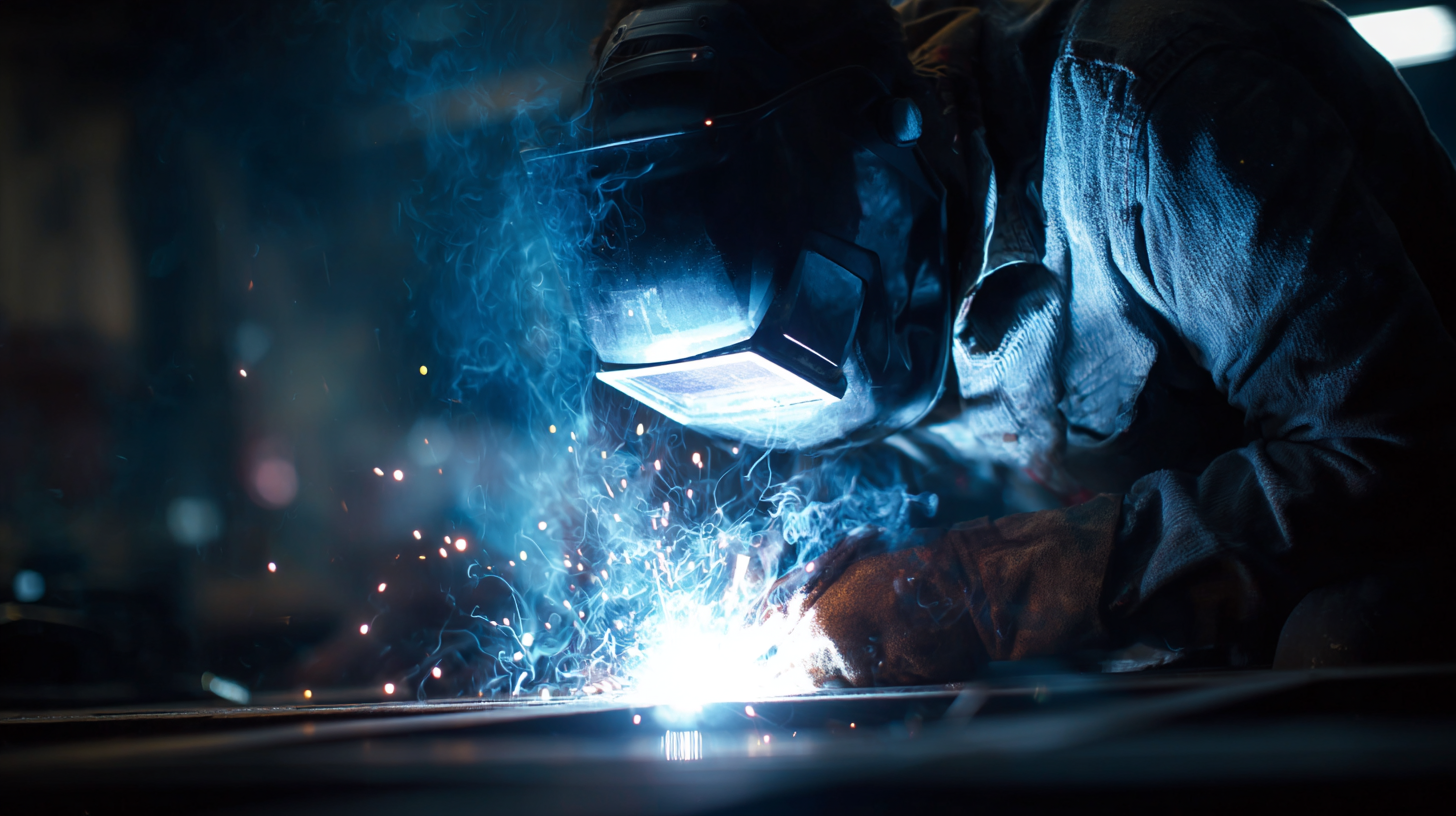
When you're working with welding machines, putting safety first is super important because there are so many risks involved across different jobs. Following guidelines from organizations like OSHA really helps cut down those dangers. Some must-do safety tips include wearing the right gear—think helmets, gloves, and flame-resistant clothes. Oh, and making sure your workspace is well-ventilated is a smart move too, so harmful fumes don’t just hang around.
Plus, being aware of electrical safety is a big deal. Instructors often stress how crucial it is to understand the risks with electricity and take steps to avoid accidents. Regularly checking and maintaining your equipment isn’t just about keeping things in good shape — it can also prevent malfunctions that might lead to injuries. Whether you're just starting out or are pretty experienced, sticking to these safety tips will help make your work environment safer and more comfortable for everyone.
Unlocking the Secrets of Welding Machines: A Beginner's Guide to Choosing the Right Equipment
| Welding Type | Best Use | Safety Precautions | Suitable Materials |
| MIG Welding | Thin metals and general-purpose welding | Wear a welding helmet, gloves, and protective clothing | Steel, aluminum, and sheet metal |
| TIG Welding | Precision welding and thinner materials | Ensure proper ventilation and wear all necessary PPE | Aluminum, stainless steel, and non-ferrous metals |
| Stick Welding | Outdoor welding and heavy materials | Maintain a safe distance from flammable materials | Iron, steel, and thick metals |
| Flux-Cored Welding | Heavy-duty welding and outdoor conditions | Use proper ventilation and wear a respirator if needed | Mild steel and structural steel |
Additional Accessories: Enhancing Your Welding Experience with the Right Tools
Starting out with welding? One thing I’ve learned is that choosing the right accessories is just as important as picking the actual machine. Things like welding helmets, gloves, and aprons are key—they keep you safe from harmful UV rays, sparks flying around, and the heat. A good auto-darkening helmet isn’t just about protection; it actually helps you see better, which makes a big difference when you’re trying to be precise. And don’t underestimate how much proper gloves matter—they give you the dexterity you need while also protecting against burns. Honestly, whether you’re just starting out or are a seasoned pro, having reliable safety gear is a must.
Enhancing Foundry Efficiency: The Role of Electromagnetic Heating Machines in Hot Heading Thick Iron Bars
In the realm of foundry efficiency, the role of electromagnetic heating machines has become increasingly pivotal, particularly in the hot heading process of thick iron bars. These machines are engineered to deliver rapid and uniform induction heating, reaching temperatures of up to 1200°C. This high level of precision in heating is crucial for achieving optimal plasticity in iron bars, which in turn facilitates more accurate and efficient forging processes. By significantly reducing oxidation loss, these machines enhance the quality of the final product while ensuring minimal material waste.
The compact design of the electromagnetic heating machine allows it to seamlessly integrate into existing production lines, optimizing space and improving workflow. With a maximum capacity suitable for bars up to 80mm in diameter, the system is versatile enough to accommodate varying production needs. Furthermore, the automatic temperature control feature empowers operators with consistent heating performance, ensuring that each piece is processed under ideal conditions. This innovation not only boosts productivity but also contributes to energy efficiency, making it an indispensable tool for modern foundry operations seeking to enhance their manufacturing capabilities.
FAQS
: Beginners should be familiar with MIG, TIG, and stick welding, as each process caters to different applications and skill levels.
A MIG welder is ideal for first-time users due to its ease of use and versatility, allowing it to handle a range of materials effectively.
Beginners should prioritize the type of welding process the machine supports, portability, ease of use, duty cycle, safety features, and customer reviews.
The duty cycle measures how long a machine can operate before needing a break; a higher duty cycle is beneficial for beginners for longer working periods without overheating.
Essential safety accessories include welding helmets, gloves, and aprons, which protect against harmful UV rays, sparks, and heat.
A good-quality welding helmet with an auto-darkening feature protects the eyes and enhances visibility, allowing for more precise work.
Tools such as clamps, fixtures, welding carts, wire brushes, and chipping hammers can enhance stability, organization, and cleaning of welds for better quality work.
The agricultural sector is increasingly requiring welding repairs to maintain and enhance farm machinery, indicating a demand for effective welding equipment.
Customer reviews provide insights into the performance and reliability of welding machines, helping users make informed purchasing decisions.
Proper accessories improve safety and enhance the overall quality of welding work, making projects more enjoyable and successful.
Conclusion
When it comes to welding, picking the right machine is a pretty big deal—whether you’re just starting out or are already experienced. This guide is here to help break things down. We’ll start with the basics of welding machines so everyone’s on the same page, and then dive into the different types of equipment out there. Honestly, it can get a little overwhelming, but don’t worry—we’ll highlight the key features you should be looking at so you can choose what’s best for your situation.
Money’s always a factor, right? So, we’ve included some practical tips on how to keep costs in check when setting up your welding setup. Safety’s super important too—using your machine responsibly can’t be stressed enough. Oh, and there are a few recommendations on handy accessories that can make your welding sessions smoother and more enjoyable.
If you’re on the hunt for reliable gear, Dongguan Hongye Intelligent Equipment Technology Co., Ltd. really stands out, especially with their cutting-edge induction heating systems—they’re great for giving your welding projects a boost and some extra support.