request to quote
Leave Your Message
0%

In the world of industrial machinery, the efficient functioning of bearings is critical. Manufacturing reports indicate that improper bearing installation leads to a staggering 90% of premature bearing failures. This highlights the importance of optimizing tools like the Bearing Heater. John Smith, a leading expert from Bearing Solutions Inc., stated, "Proper heat application through a Bearing Heater can significantly extend bearing life."

Using a Bearing Heater ensures that bearings are uniformly heated, allowing for a seamless fit onto shafts. The precision of this process is essential. Despite the technology available, many industries still face challenges with uneven heating. This can lead to misalignment and increased wear.

Reflecting on current practices, there is a need to reassess how bearing installation is executed. With the potential of the Bearing Heater, industries can mitigate risks of failure. Investing in quality heating solutions is more than just a choice; it is a necessity for optimal performance.
How to Use a Bearing Heater for Optimal Performance?

Understanding the Purpose of a Bearing Heater in Machinery

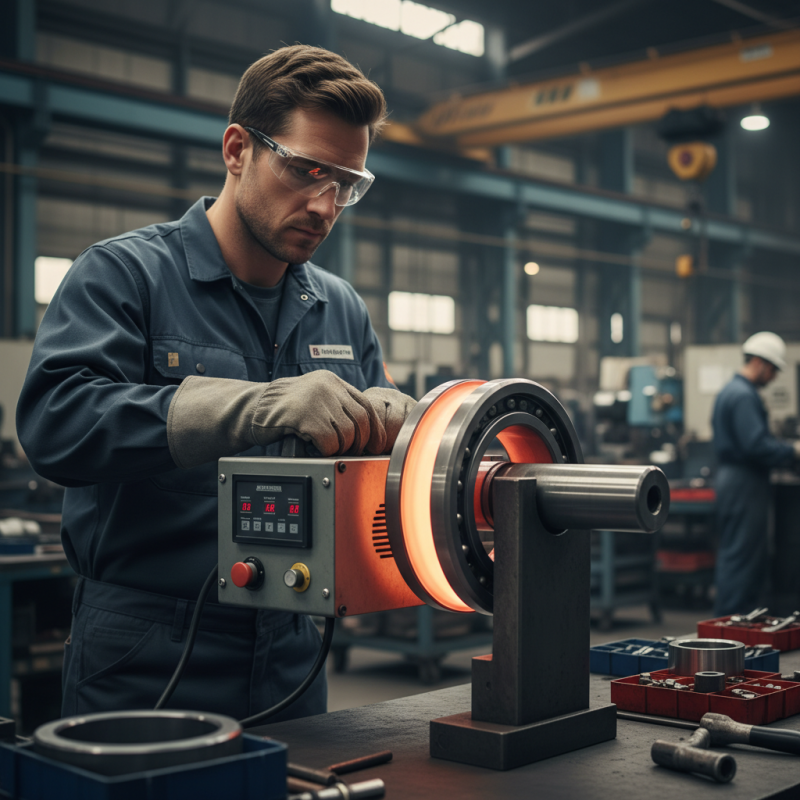
A bearing heater plays a crucial role in machinery. Its primary purpose is to ensure the proper installation of bearings. When bearings are heated, they expand. This expansion makes it easier to fit them onto shafts. A snug fit is essential for optimal performance.

Using a bearing heater, like the Reco Bearing Heater, simplifies this process. The heater offers controlled temperatures. This prevents overheating or damaging the bearing. However, users must monitor the heating time. Too short or too long can cause issues. It’s easy to overlook this detail.

Additionally, consistent use can lead to improved productivity. Properly installed bearings can enhance the longevity of machinery. While the benefits are clear, care should be taken. Users may find it challenging to maintain ideal conditions every time. Each application is unique, which can complicate results. Paying attention to these nuances is vital.

Types of Bearing Heaters Available on the Market

When selecting a bearing heater, it’s essential to know the types available. There are several options that cater to different needs. Induction heaters are popular. They heat bearings quickly and evenly. This minimizes risk of damage. For smaller applications, a Small Bearing Heater is ideal. It provides a compact solution for precise heating.

Resistance heaters are another choice. They work by passing current through a metal element. This can be less efficient for large bearings. However, many still prefer them for their simplicity. Oil baths are another option. They can heat multiple bearings at once. But they require careful monitoring to avoid overheating.

Choosing the right type depends on your needs. Think about the size and material of the bearing. Each method offers distinct benefits. Yet, there can be challenges in consistent performance. Users sometimes report uneven heating. It's crucial to assess the specific requirements of your operation beforehand.

Step-by-Step Guide to Preparing Bearings for Heating

How to Use a Bearing Heater for Optimal Performance?

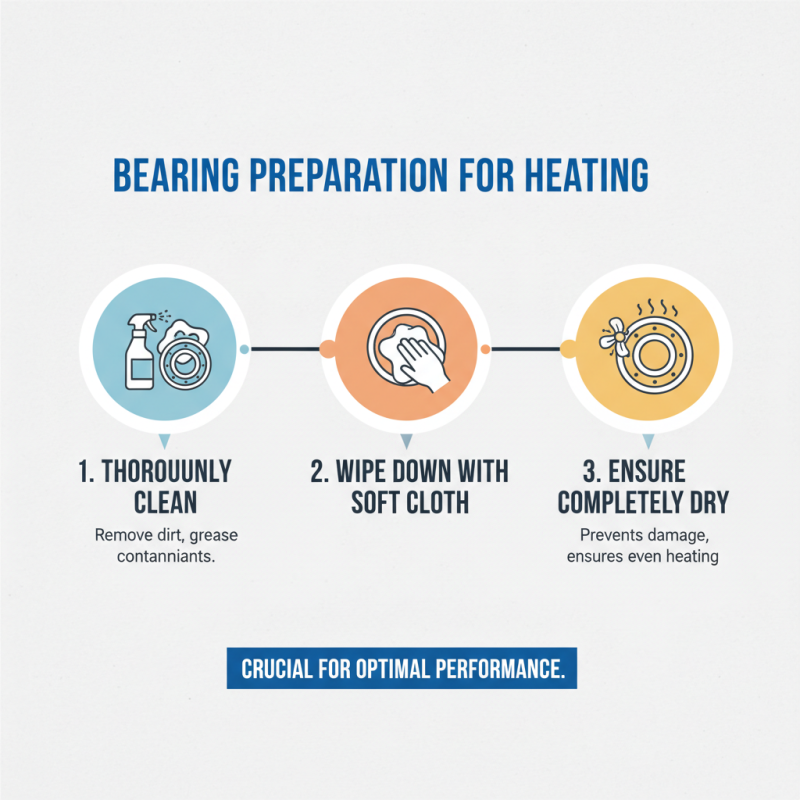
Preparing bearings for heating is crucial for optimal performance. Start by cleaning the bearings thoroughly. Remove any dirt, grease, or contaminants. Use a soft cloth to wipe them down. Make sure they are completely dry before heating. This prevents potential damage and ensures even heating.

Tips: Always inspect bearings for any signs of wear. A damaged bearing may fail despite proper heating.

Next, choose the right heating method. You can use oil baths or induction heaters. Both methods have their advantages. Ensure the temperature is suitable for the bearing type. Overheating can lead to structural flaws.

Tips: Use a thermometer to monitor the temperature accurately. A minor mistake in temperature can lead to big problems later.

Finally, handle the bearings with care after heating. They can be extremely hot. Use proper tools to avoid burns. Remember to wear protective gloves. Rushing this step can lead to injuries or mishandling. Always prioritize safety over speed.

How to Properly Set Up and Use a Bearing Heater

How to Use a Bearing Heater for Optimal Performance?

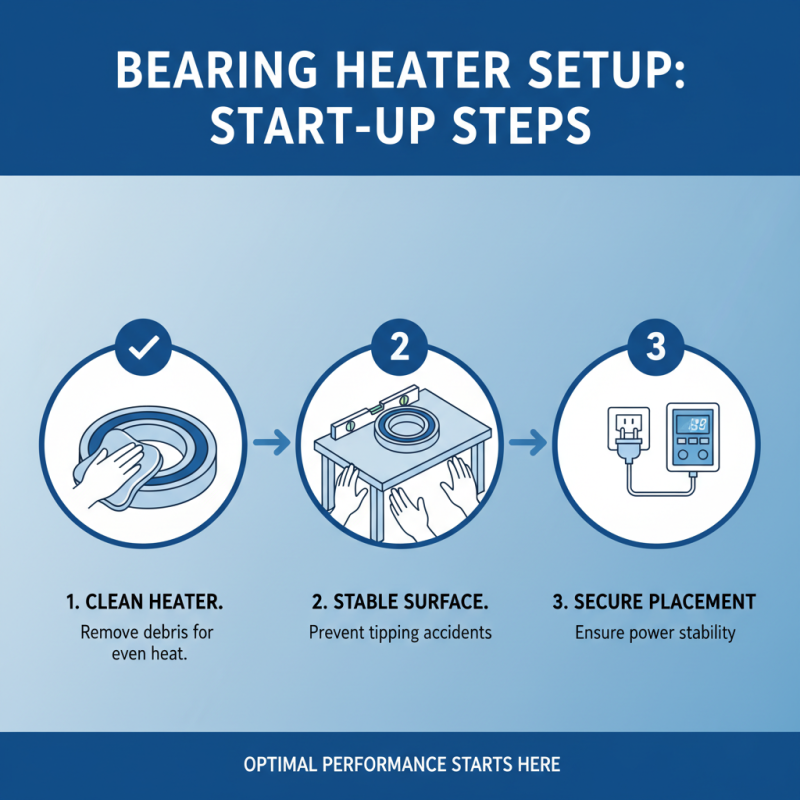
Setting up a bearing heater correctly is crucial for optimal performance. Begin by ensuring the heater is clean and free of any debris. This can affect heat distribution. Place the bearing heater on a stable surface. Make sure it won’t tip over during use, as this could cause accidents.

Once everything is in place, adjust the temperature settings. It's essential not to exceed the recommended limits. Overheating can damage the bearing or lead to uneven expansion. Check the manufacturer’s specifications for guidance. Monitor the temperature closely to avoid any issues.

Tips: Always use protective gear. Hot bearings can cause severe burns. Make sure the area is well-ventilated. A cramped space can trap heat and lead to hazards. After use, allow the heater to cool before storing. Don't leave it unattended, as it can lead to unsafe conditions.

Best Practices for Monitoring Temperature During Heating

Monitoring temperature during the heating process is crucial for the effective use of a bearing heater. Specifically, the use of the Volcano Bearing Heater requires careful attention to ensure optimal performance. According to industry reports, improper heating can lead to material degradation. Maintaining the right temperature helps achieve desired results without compromising integrity.

When using the Volcano Bearing Heater, aim for a consistent temperature range of120°F to 180°F. This ensures that the bearings expand evenly. It’s essential to use thermal sensors for real-time feedback. Without these tools, users may risk overheating. This could weaken the bearings or create unacceptable tolerances. The right tools help monitor and adjust as needed.

Remember that different materials may require unique temperature settings. Failure to adapt could result in failed applications. Regular calibration of your thermal monitoring devices increases accuracy. It’s an overlooked step that many skip. Make it a priority to ensure optimal heating. Each session should be treated as a learning opportunity. Analyze your results to improve future usages.

Safety Precautions While Using a Bearing Heater

When using a bearing heater, safety is paramount. Always wear protective gear, such as gloves and goggles. The heater can reach high temperatures, posing a burn risk. Isolate the work area to prevent accidents. Keep flammable materials away. Overheated components can fail unexpectedly. Monitor temperature levels carefully.

Tips: Ensure your workspace is well-ventilated. This helps dissipate heat and fumes. Use clamps to secure bearings in place while heating. Uneven heating can cause distortions. Be cautious while handling hot items; accidents happen quickly.

Working with a bearing heater may seem straightforward, but it requires care. Check all equipment before use. Loose cords or damaged parts can lead to failures. Plan your workflow to minimize risks. Remember to think about maintenance. A well-kept heater ensures better performance and safety. A little negligence can lead to significant issues. Always reflect on your safety practices.

Troubleshooting Common Issues with Bearing Heaters

Bearing heaters are essential for ensuring optimal performance during assembly. However, users often encounter common issues that can hinder effectiveness. A common problem is improper temperature settings. The ideal temperature for heating bearings is typically around 100 to 120 degrees Celsius. Any deviation can cause parts to expand unevenly, leading to misalignment.

Another issue is poor maintenance of the Bearing Heater Machine. Regular checks for wear and tear can prevent operational failures. It is essential to keep the machine clean and inspect electrical connections periodically. A report by the Machinery Maintenance Institute indicated that 30% of heating issues stem from equipment neglect.

Tips: Monitor temperature closely during use. Always verify readings with a calibrated thermometer. If bearings are not fitting properly, reassess your heating method. Sometimes, waiting a few extra moments for the bearing to reach the desired temperature makes all the difference. Remember, even small adjustments can lead to significant performance gains.

How to Use a Bearing Heater for Optimal Performance? - Troubleshooting Common Issues with Bearing Heaters

Issue Possible Causes Solutions Preventive Measures
Overheating Incorrect temperature settings Adjust temperature to manufacturer specifications Regularly check and calibrate temperature settings
Uneven Heating Improper positioning of bearings Ensure even spacing and proper alignment Use fixtures to hold bearings in place
Long Heating Times Too low power setting Increase power setting Use a bearing heater with adequate power
Electrical Issues Faulty wiring or connections Inspect and repair electrical connections Regular maintenance of electrical components
Inconsistent Performance Variability in voltage supply Ensure stable power supply Use an uninterruptible power supply (UPS)

Optimizing Metal Treatment with OEM Induction Heater and Annealing Machines for Enhanced Durability and Performance

Optimizing metal treatment processes is essential for enhancing the durability and performance of various industrial components. The use of advanced Induction Heating Systems has revolutionized the way stainless steel pipes and wires undergo hardening and annealing. These high-performance machines are engineered to deliver fast, uniform, and energy-efficient heat treatment while ensuring that precision is maintained throughout the process.

One of the standout features of these induction heating solutions is their ability to provide controlled and localized heating. This technology guarantees consistent hardness and ductility, which are critical factors in the production of high-quality stainless steel products. Moreover, the systems are customizable, allowing for tailored solutions that meet specific industrial requirements, thereby enhancing operational efficiency and product reliability.

In addition to performance benefits, these induction heating and annealing systems are also designed with energy conservation in mind. By significantly reducing power consumption in comparison to traditional heating methods, these eco-friendly solutions not only lower operational costs but also contribute to sustainability efforts in manufacturing. This combination of high efficiency, precision, and customization positions these systems as the ideal choice for modern metal treatment applications.

FAQS

: What is the main purpose of the product?

: The product aims to improve efficiency in daily tasks. It helps users save time and energy.

How do I use the product effectively?

Follow the user manual. Start by setting it up in the recommended location for optimal results.

Are there any common issues I might face?

Some users report minor connectivity problems. Resetting the device often helps solve these issues.

What if the product isn’t working as expected?

Check the power source and connections. If issues persist, consult customer support for assistance.

Can this product be used with other devices?

Yes, it is compatible with various devices. However, check the compatibility specifications to ensure smooth operation.

What are the maintenance requirements?

Regular cleaning is essential. Dust can affect performance, so keep it in a clean environment.

How long does the product typically last?

Durability varies based on usage. On average, expect a lifespan of several years with proper care.

Is there a warranty for the product?

A limited warranty is usually available. Review the warranty details for specific coverage information.

What feedback do users commonly give?

Users appreciate its design but wish for more features. Some report needing user-friendly updates.

How can I improve my experience with the product?

Explore all settings and features. Engaging with online communities may provide helpful tips and tricks.

Conclusion

A bearing heater is an essential tool in machinery maintenance, designed to facilitate the thermal expansion of bearings for easier installation. Understanding the purpose and the various types available is crucial for optimal performance. This article outlines a comprehensive step-by-step guide for preparing bearings for heating and highlights the proper setup and usage of a bearing heater.

Additionally, it emphasizes best practices for monitoring temperature during the heating process and outlines necessary safety precautions to ensure safe operation. Common troubleshooting tips are also provided to assist in resolving any issues with bearing heaters, ensuring that users can maintain efficient and effective machinery performance.
Oliver

Oliver

Oliver is a dedicated professional marketer at Dongguan Hongye Intelligent Equipment Technology Co., Ltd. (HYET), a national high-tech enterprise founded in 2005. With a deep expertise in the field of induction heating systems, Oliver plays a crucial role in the company's commitment to research,......
Previous Ultimate Solutions for Efficient Gold Melting: Discover the Best Electric Machines