request to quote
Leave Your Message
0%

In today’s super busy world of manufacturing, picking the right tools really matters. For example, a hot assembly machine can make a huge difference in how quickly and smoothly your production runs. These machines come with some pretty cool features — they blend speed and accuracy when it comes to joining parts. Companies like Innovate Assembly Inc. have really stepped up by using advanced tech to make hot assembly processes more efficient.

Have you checked out the induction hot assembly machine? It’s known for being reliable and effective. It’s great at creating strong joints, which is obviously crucial if you want your products to be top-notch. Since everyone’s in a hurry these days, manufacturers need to keep up, and investing in a hot assembly machine could totally be a game changer for you. Of course, before jumping in, it’s a good idea to really think about what your specific production needs are.

Now, I get it—some people might find the upfront cost a bit intimidating, or wonder if this new tech will even fit into what they’re already doing. That’s totally normal to think about. The key is to weigh these factors carefully—making an informed decision can pay off big time in the long run. Ultimately, a hot assembly machine can take your production to another level and help you stay ahead of the game.
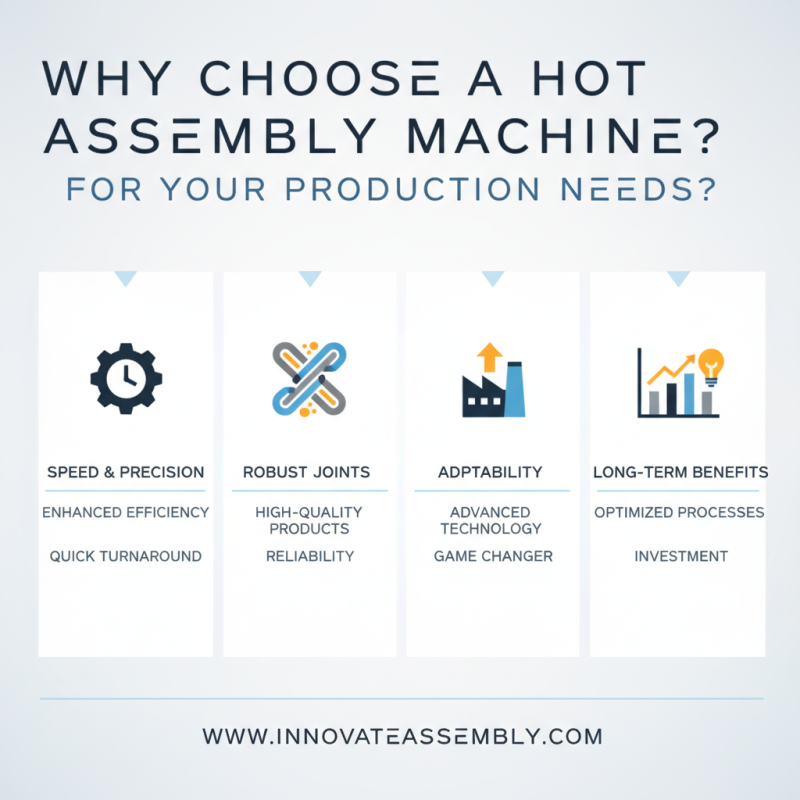
Why Choose a Hot Assembly Machine for Your Production Needs?

Benefits of Hot Assembly Machines in Modern Production

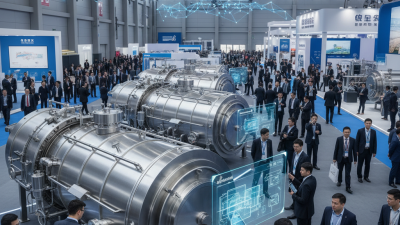
Hot assembly machines are increasingly shaping modern production lines. They offer unique advantages that enhance efficiency and product quality. A recent industry report highlights that using hot fitting assembly techniques can improve production speed by up to 30%. This efficiency gain stems from the ability to join components seamlessly, reducing the need for extensive finishing processes.

Additionally, the thermal bonding involved in hot assembly ensures stronger joints. Surveys indicate that companies employing these machines report a reduction in defect rates, with a notable decline of 25%. This reliability translates to improved customer satisfaction and lower return rates. Yet, the adoption of hot assembly machines is not without challenges. Initial costs can be high, and operators require specialized training to maximize benefits.

Moreover, the technology's complexity may lead to production downtime if not managed properly. These factors warrant careful consideration when integrating hot fitting assembly into existing production processes. Industry experts emphasize the need for a strategic approach to fully harness its potential.

Understanding the Hot Assembly Process and Its Applications

Why Choose a Hot Assembly Machine for Your Production Needs?

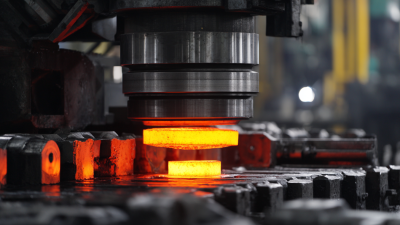
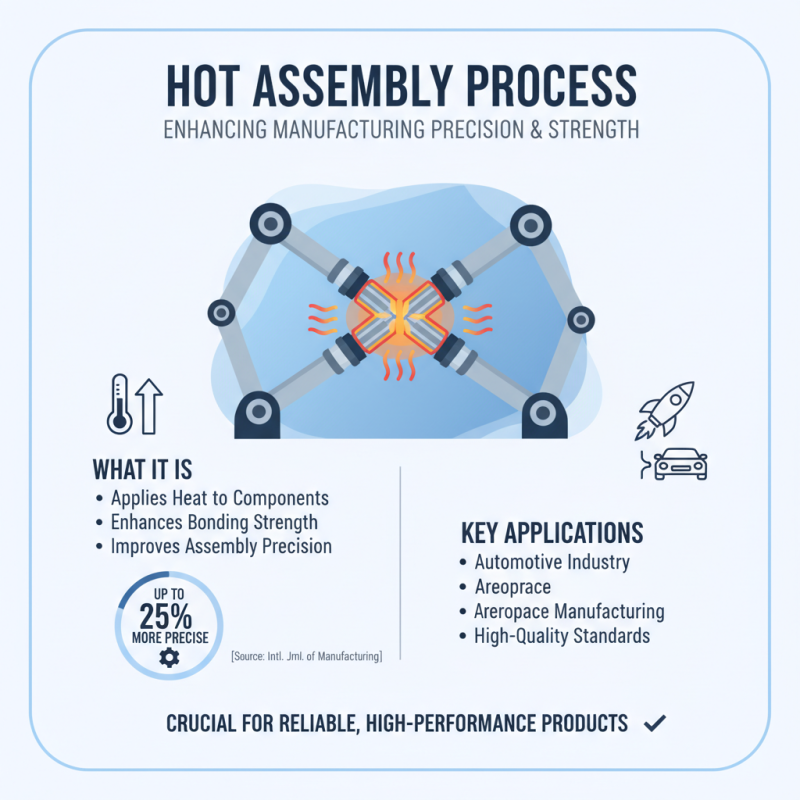
The hot assembly process is crucial in various manufacturing sectors. It applies heat to components, enhancing their bonding strength. According to a report by the International Journal of Manufacturing, heated assembly methods can improve assembly precision by up to 25%. This precision is essential for industries requiring high-quality standards, such as automotive and aerospace.

Applications of hot assembly are diverse. In the automotive industry, heat assists in the joining of parts made from different materials. This technology allows for lighter vehicles, which was a focus in a study by the Society of Automotive Engineers. They found that using hot assembly can reduce vehicle weight by 15%. Each reduction in weight contributes to improved fuel efficiency and reduced emissions.

However, while the benefits are significant, challenges exist. Heat control is critical to prevent damage to sensitive parts. Slight overexposure can lead to weakened components, affecting longevity. Manufacturers must train staff to mitigate risks. This can be a resource-intensive effort, highlighting the complexity of adopting hot assembly processes.

Key Components and Technology Behind Hot Assembly Machines

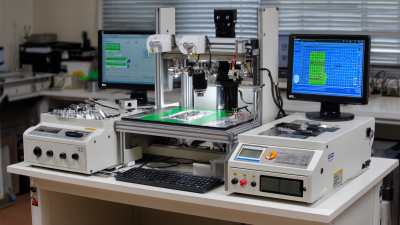
Hot assembly machines are gaining traction in modern manufacturing environments due to their advanced technology and efficiency. One key component is the heating system, which allows for the melting and bonding of materials at high temperatures. This process ensures strong joints, crucial for product durability. According to industry reports, utilizing hot assembly techniques can improve joint strength by up to 30%, significantly enhancing product longevity.

In addition to the heating systems, the precision control mechanisms play a vital role. These technologies ensure that temperature and pressure are regulated during the assembly process. Reports highlight that manufacturers using precise hot assembly methods reduce material waste by about 25%. This not only lowers costs but also aligns with sustainability goals, a major focus in today’s production strategies.

However, implementing these machines isn’t without challenges. The initial investment can be substantial, which may deter some companies. Furthermore, operators require specialized training to manage the systems effectively. It's critical to evaluate the long-term benefits against these initial hurdles. Embracing this technology can be a leap forward, but it demands careful consideration of the operational capabilities.

Why Choose a Hot Assembly Machine for Your Production Needs? - Key Components and Technology Behind Hot Assembly Machines

Component Description Benefits
Heating Element Provides consistent temperature control for efficient heating. Enhances bond strength and reduces cycle time.
Control System Digital interface for monitoring and adjustments. Improves accuracy and ease of use in operations.
Cooling System Ensures rapid cooling after the assembly process. Prevents overheating and enhances product durability.
Material Feed Mechanism Automated system for consistent material delivery. Increases efficiency and reduces material waste.
Safety Features Includes emergency stop, temperature sensors, and alarms. Enhances operator safety and minimizes risk of accidents.

Comparing Hot Assembly Machines with Other Assembly Methods

Why Choose a Hot Assembly Machine for Your Production Needs?

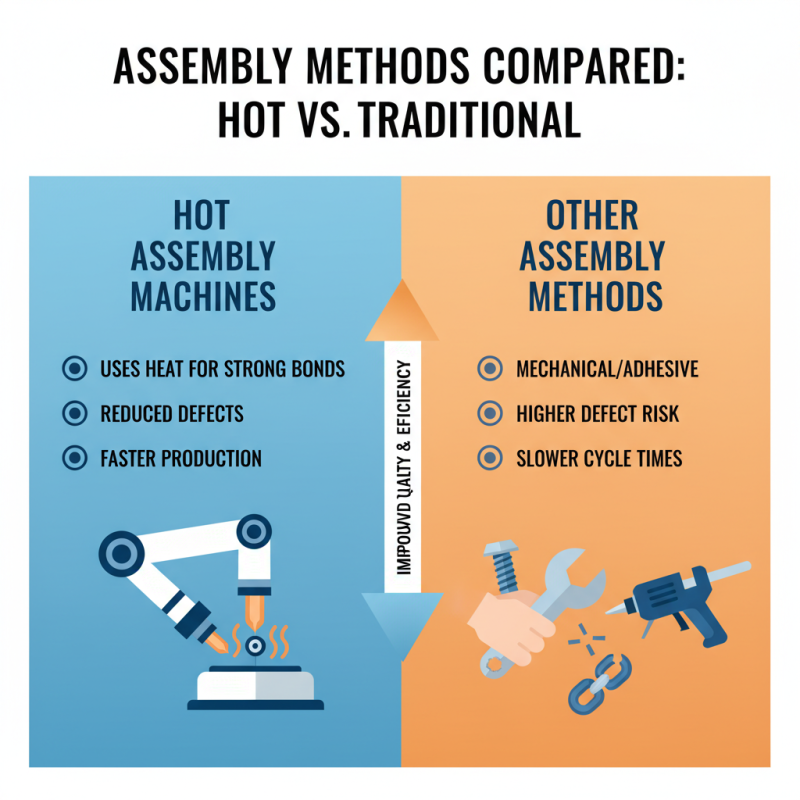
When considering the best assembly methods, hot assembly machines stand out for several reasons. Unlike traditional assembly techniques, these machines use heat to create strong and reliable bonds. This process reduces the risk of defects, providing manufacturers with a way to improve product quality. Hot assembly also speeds up production, allowing companies to meet tight deadlines.

In contrast, cold assembly methods often take longer. They may require additional curing time, which slows down the overall process. hot fitting assembly OEM/ODM offers a quick solution for various applications. The ability to join materials efficiently can lead to significant cost savings. However, it's essential to think critically about material compatibility and heat sensitivity.

Tips: Always check material specifications before using hot assembly methods. While heat creates strong bonds, some materials may not withstand high temperatures. Experimenting with smaller batches can help identify the best combination. Be open to feedback from the production team. Their insights can lead to continuous improvement, ensuring that the assembly process stays efficient and reliable.

Factors to Consider When Choosing a Hot Assembly Machine

When selecting a hot assembly machine, several key factors come into play. One primary consideration is the temperature control. Precise temperature regulation ensures that materials bond effectively. Poor temperature management can lead to weak joints and increased defects. Look for machines with advanced temperature sensors and automation features.

Another important aspect is the machine’s adaptability. Different production needs can arise unexpectedly. A versatile hot fitting machine can handle various materials and sizes. This flexibility can save time and reduce costs. Review the specifications to understand the machine’s range of capabilities.

Maintenance is often overlooked but crucial for longevity. Regular upkeep prevents breakdowns and reduces downtime. Check how accessible machine parts are for servicing. Operators must receive proper training to use these machines effectively. Test out the training programs offered to ensure comprehensive understanding. The seamless operation of a hot assembly machine relies on both the equipment and skilled personnel.

Production Efficiency of Hot Assembly Machines

Cost Efficiency and Productivity Gains from Hot Assembly Machines

Hot assembly machines have revolutionized production processes in numerous industries. These machines streamline operations by enhancing efficiency and reducing production costs. The induction hot fitting machine, for example, significantly shortens the assembly time for various components. This time-saving translates into higher output and accelerates project timelines.

Investing in hot assembly machines can yield noticeable productivity gains. These machines utilize advanced heating technology to ensure precise fitting. However, businesses must consider the initial investment carefully. The upfront costs can be hefty, and not all organizations may see immediate returns. Regular maintenance and operator training are crucial for maximizing their potential.

Some manufacturers report inconsistent results when scaling production. Variability in materials can impact consistency. It's vital to understand that while hot assembly machines offer impressive benefits, they require a commitment to operator skill and quality control. Embracing a mindset of continuous improvement can help address these challenges, ensuring that the technology is fully leveraged for optimal results.

Maintenance and Operational Best Practices for Hot Assembly Machines

When operating a hot assembly machine, effective maintenance is crucial. Regular inspections of heating elements and seals can prevent unexpected failures. A small oversight, like a worn gasket, can lead to significant downtime. Daily checks can make a noticeable difference.

Moreover, operational best practices are equally important. Train operators to monitor temperature settings closely. A slight deviation can affect the integrity of the assembly. Operators should document every cycle to identify patterns that may indicate potential issues. Such records help in planning maintenance more effectively.

Routine cleaning of components is essential. Residue buildup can compromise performance. Encourage team members to use proper cleaning techniques and materials. There is always room for improvement in methods. Regular discussions about challenges faced can lead to innovative solutions.

FAQS

: What are the main benefits of using hot assembly machines in production?

: Hot assembly machines improve efficiency and product quality, enhancing production speed by up to 30%.

How does hot assembly impact the quality of joints?

The thermal bonding process creates stronger joints, leading to a 25% reduction in defect rates in many companies.

What industries benefit most from hot assembly processes?

Industries like automotive and aerospace benefit greatly, requiring high-quality standards enhanced by precise assembly techniques.

What challenges come with adopting hot assembly machines?

Initial costs are high, and operators need specialized training to maximize the machines' benefits effectively.

How does the hot assembly process influence production downtime?

If not managed properly, the complexity of hot assembly can result in production downtime, affecting overall efficiency.

What role does heat control play in hot assembly?

Proper heat control is essential to prevent damage to sensitive parts, since overexposure can weaken components.

Are there monetary concerns with hot assembly machines?

The initial investment is substantial, and businesses may not see immediate returns, requiring careful financial planning.

Why is regular maintenance important for hot assembly machines?

Regular maintenance ensures the machines operate efficiently and reliably, which is crucial for consistent production results.

How can variability in materials affect hot assembly?

Variability in materials can lead to inconsistent results; quality control is essential for mitigating this risk.

What mindset should organizations adopt when using hot assembly technology?

A mindset of continuous improvement helps organizations fully leverage technology and address challenges effectively.

Conclusion

Hot assembly machines have become an essential asset in modern production due to their numerous benefits, such as faster assembly times and enhanced precision. Understanding the hot assembly process reveals its versatile applications across various industries, where heat is applied to facilitate the joining of components. The technology behind hot assembly machines includes advanced components that contribute to their efficiency and reliability.

When comparing hot assembly machines to other methods, they often demonstrate superior cost efficiency and productivity gains. However, it is crucial to consider factors such as operational requirements and maintenance best practices when selecting a machine. Proper maintenance not only enhances the lifespan of hot assembly machines but also ensures optimal performance, making them a valuable investment for manufacturers aiming to improve their production capabilities.
Emily

Emily

Emily is a dedicated marketing professional at Dongguan Hongye Intelligent Equipment Technology Co., Ltd. (HYET), a national high-tech enterprise founded in 2005. With extensive knowledge and expertise in induction heating systems, she plays a crucial role in promoting the company's innovative......
Previous How to Choose the Best Induction Heating Solutions in 2026?
Next 2026 Top CE Certification Wholesale Electromagnetic Heater Trends?