


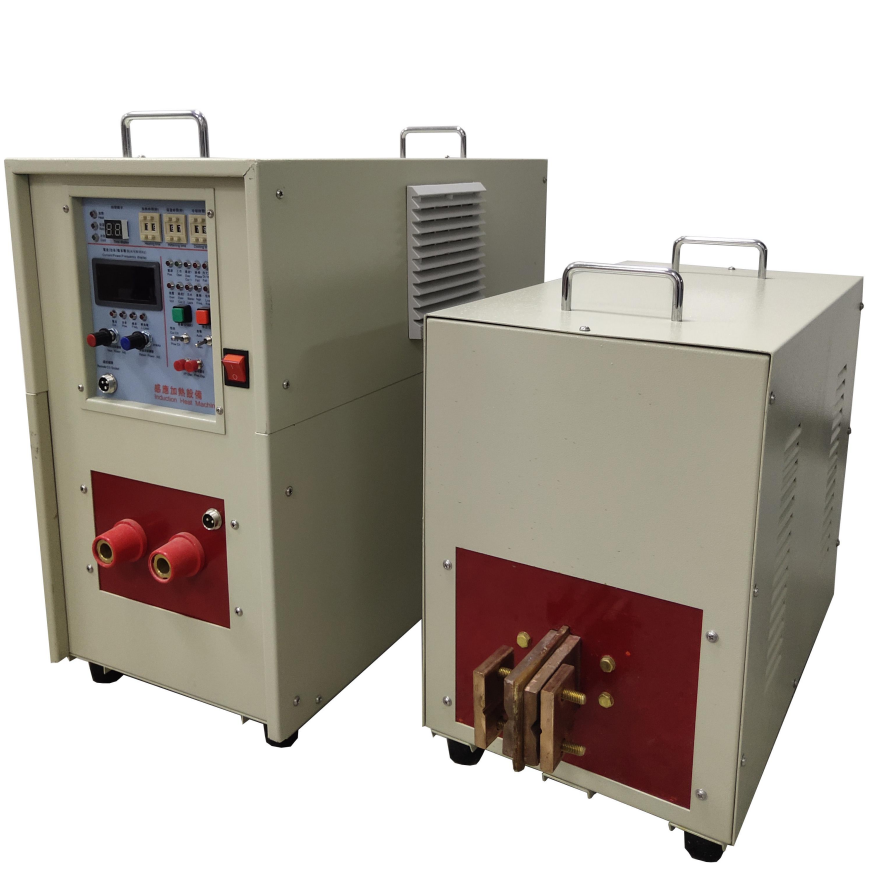

China Induction Heating Equipment for Thermal Assembly - Reliable Suppliers and Factory Solutions
Product Description
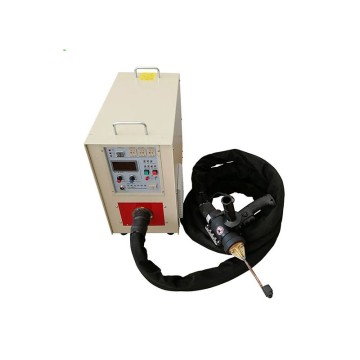
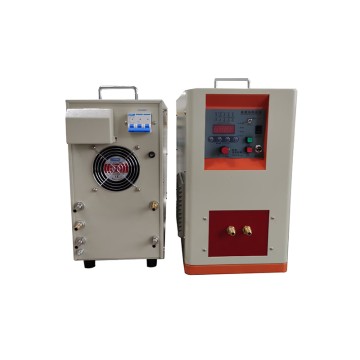
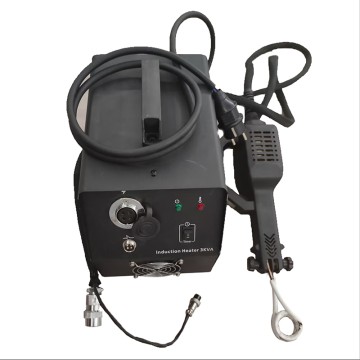
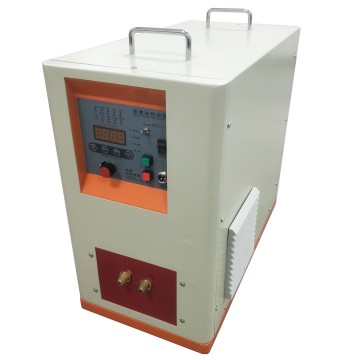
The Induction Heating Equipment is a high-efficiency thermal assembly solution designed for precise heating of housing, stator, and other mechanical components. Utilizing advanced electromagnetic induction technology, it ensures uniform and rapid heating, minimizing thermal stress and deformation during the assembly process. Ideal for motor stator heating, mechanical part fitting, and housing assembly, this equipment offers adjustable power output and temperature control to meet diverse industrial requirements. With a compact design and user-friendly interface, it enhances productivity while ensuring safety and reliability in manufacturing operations. Induction heating is a popular, clean, efficient and economical heating solution in diversified metal parts process industry, it has a promising outlook in the long run.
Application Scope
Induction heating machines are widely used in industrial heat assembly processes due to their precision, efficiency, and uniformity in heating. A common application is the thermal assembly of motor stators and motor housings, where controlled heating ensures a perfect fit while minimizing material stress. In mechanical manufacturing, shafts and bushings are often assembled using induction heating, enabling smooth insertion without mechanical damage. Bearings and shafts, critical components in rotating machinery, benefit from this method, as it prevents deformation and ensures long-term reliability. Gears and shaft assemblies also frequently employ induction heating for thermal expansion, allowing for seamless integration while maintaining dimensional accuracy. Additionally, induction heating is utilized in the assembly of hydraulic components, couplings, and other precision-engineered parts, where temperature-controlled heating is essential for optimal performance and durability.
Induction heating machines are widely used in industrial heat assembly processes due to their precision, efficiency, and uniformity in heating. This advanced technology utilizes electromagnetic induction to generate localized heat within conductive materials, offering significant advantages over traditional heating methods. A common application is the thermal assembly of motor stators and motor housings, where controlled heating ensures a perfect interference fit while minimizing thermal stress on materials. The process involves precisely heating the outer component (such as the housing) to expand its inner diameter, allowing for effortless assembly with the stator before cooling creates a permanent, high-strength joint.
High-Frequency Inverter
Equipped with high-frequency power supplies (50kHz-500kHz) and advanced IGBT inverter technology to ensure rapid temperature rise.
Precise Control
Closed-loop temperature control systems, infrared thermometers, and PLC controllers guarantee tolerance control accuracy of ±2℃.
Efficient & Safe
Energy conversion efficiency ≥90%, with an energy-saving mode that reduces power consumption by 30% under ISO 9001 standards.
Configuration and Performance
In mechanical manufacturing, shafts and bushings are often assembled using induction heating, enabling smooth insertion without mechanical damage or surface scoring. This non-contact heating method is particularly valuable for hardened components where traditional press-fitting could cause micro-fractures. Bearings and shafts, critical components in rotating machinery, benefit from this method as it prevents deformation caused by uneven thermal gradients and ensures long-term reliability by maintaining optimal material properties. For instance, when mounting bearings on shafts, induction heating provides uniform expansion that preserves the bearing's internal clearance specifications.
Gears and shaft assemblies also frequently employ induction heating for thermal expansion applications. The process allows for seamless integration of gears onto shafts while maintaining critical dimensional accuracy and concentricity. This is especially crucial in high-performance applications like automotive transmissions or industrial gearboxes, where even minor misalignment can lead to premature wear. Additionally, induction heating is utilized in the assembly of hydraulic components (such as valve bodies and pistons), precision couplings (including shrink disc and flange couplings), and other engineered parts where temperature-controlled heating is essential. The technology ensures optimal interference fits in these applications while preventing thermal degradation of seals or surface treatments, ultimately enhancing the performance and durability of the assembled components. Modern induction systems often incorporate advanced temperature monitoring and closed-loop control to achieve repeatable results within tight tolerances.
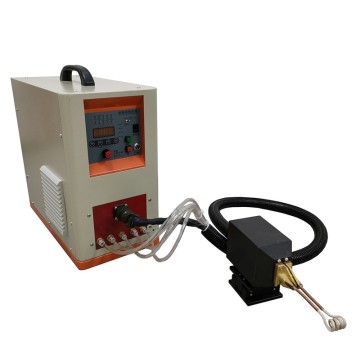
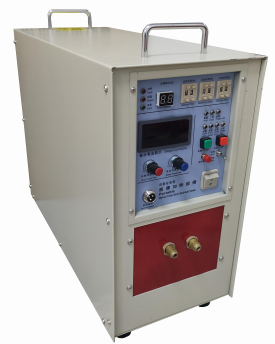
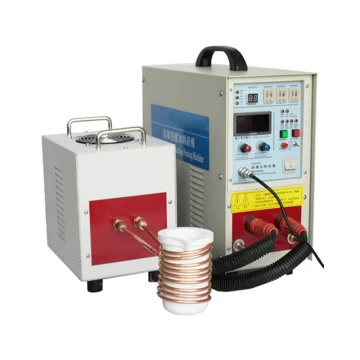
Industrial induction heaters are modular in design, equipped with high-frequency power supplies (50kHz-500kHz), closed-loop temperature control systems and programmable PLC controllers. Its core components include copper induction coils (high temperature resistant to 1200 ° C) and IGBT inverter technology to ensure rapid temperature rise (typical rate of 150 ° C/s) and energy conversion efficiency ≥90%. The equipment supports multi-stage power adjustment, hot assembly of metal parts such as sleeves and gears, and the maximum workpiece diameter can reach 800 mm.
The equipment realizes non-contact heating through electromagnetic induction, avoids the oxidation problem of traditional flame heating, and the tolerance control accuracy reaches ±2℃. Equipped with infrared thermometer and automatic compensation algorithm to ensure temperature uniformity (temperature difference ≤5%). Power consumption is reduced by 30% in energy-saving mode and meets ISO 9001 energy standards. Protection class IP54, suitable for dust, oil environment, continuous working stability ≥99.5%.
Support customized coil and fixture, compatible with carbon steel, alloy steel and other materials. MES system is connected through Ethernet interface to realize real-time monitoring and traceability of production data. Optional dual-station operation mode, shorten single heating cycle to 15-30 seconds, improve production line efficiency by more than 40%.
Technical Specifications
| Item | Specification |
|---|---|
| Max Output Power | 35KW |
| Oscillation Frequency | 30-80 KHz |
| Output Current | 10~70A |
| Input Voltage | 3-phase AC 380V, 50/60Hz |
| Cooling Water Requirements | 0.2Mpa, 10L/min |
| Duty Cycle | 100% |
| Optional Configurations | Default panel has no timing function, timing function machine is optional |
Application Scenarios

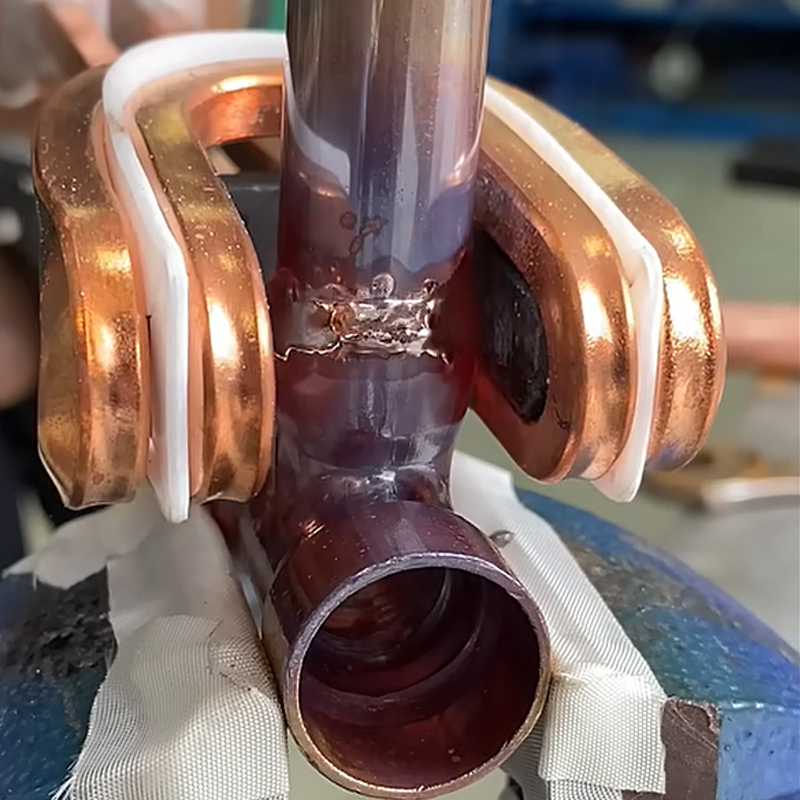
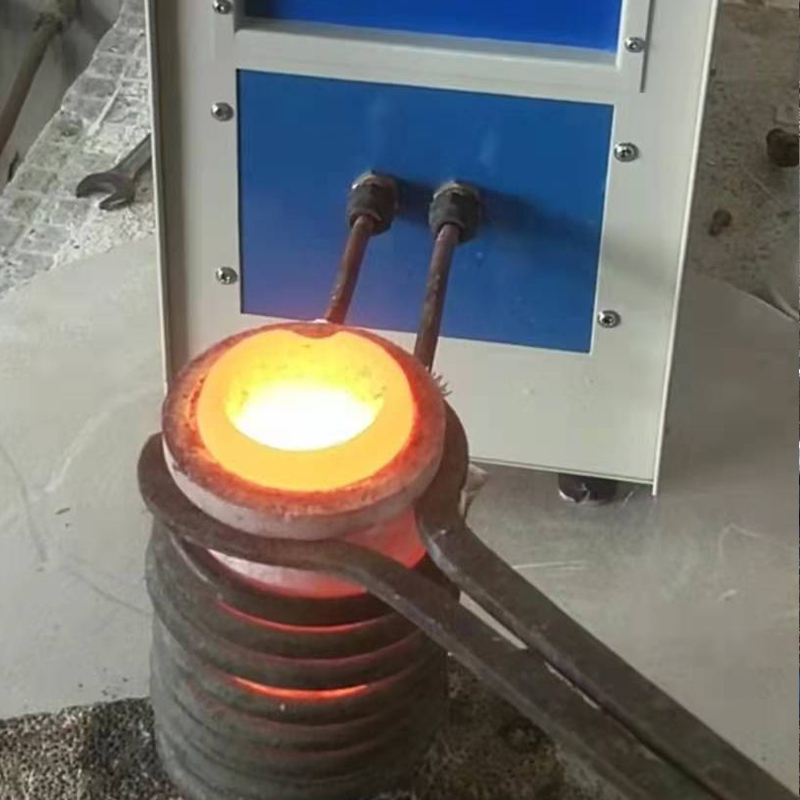
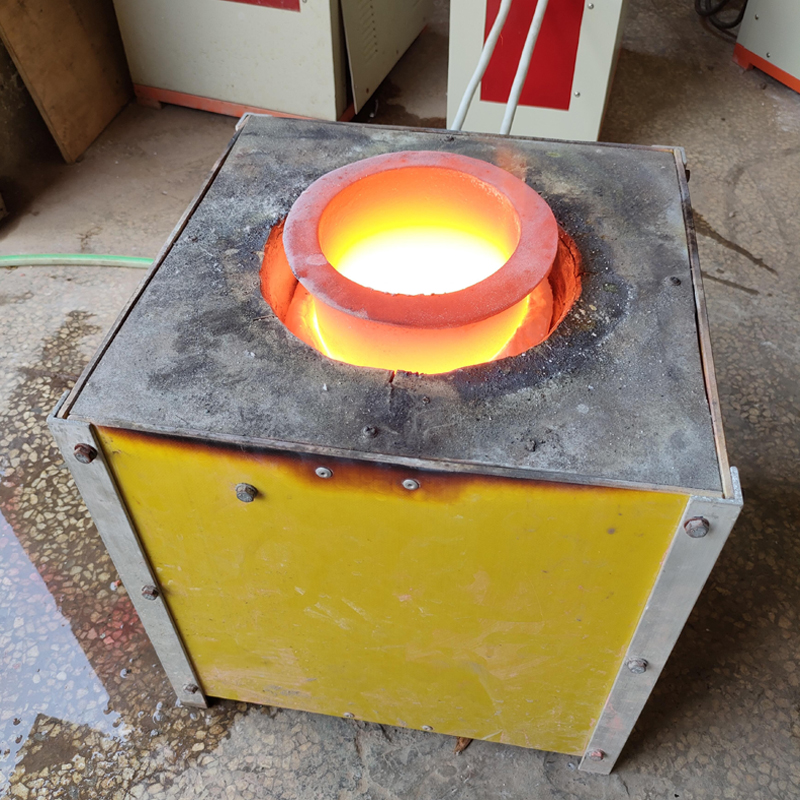
Frequently Asked Questions
What is the primary power output and frequency range of this equipment?
The equipment features a maximum output power of 35KW and operates within an oscillation frequency range of 30-80 KHz.
How accurate is the temperature control system?
Thanks to its closed-loop temperature control system, infrared thermometer, and automatic compensation algorithm, the tolerance control accuracy reaches ±2℃, ensuring temperature uniformity with a difference of ≤5%.
What are the benefits of non-contact electromagnetic heating over traditional methods?
Non-contact heating avoids oxidation issues caused by traditional flame heating, prevents mechanical damage or surface scoring on workpieces, and maintains optimal material properties to ensure long-term reliability.
Does the system support system integration and real-time monitoring?
Yes, the equipment can connect to a MES (Manufacturing Execution System) via an Ethernet interface to realize real-time monitoring and full traceability of production data.
Can the heating coils be customized for different workpiece sizes?
Yes, the equipment supports customized coils and fixtures, is compatible with carbon steel, alloy steel, and other materials, and can accommodate workpieces with a maximum diameter of up to 800 mm.
What are the cooling water and environmental protection requirements?
The cooling water requirements are 0.2Mpa pressure and a flow rate of 10L/min. The equipment features an IP54 protection rating, making it suitable for dust and oil environments with a continuous working stability of ≥99.5%.