


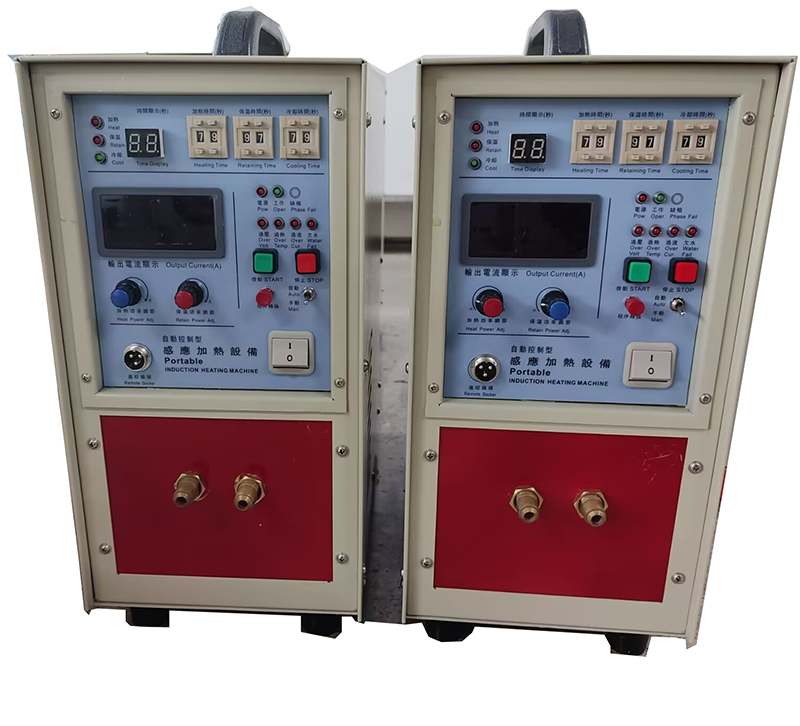
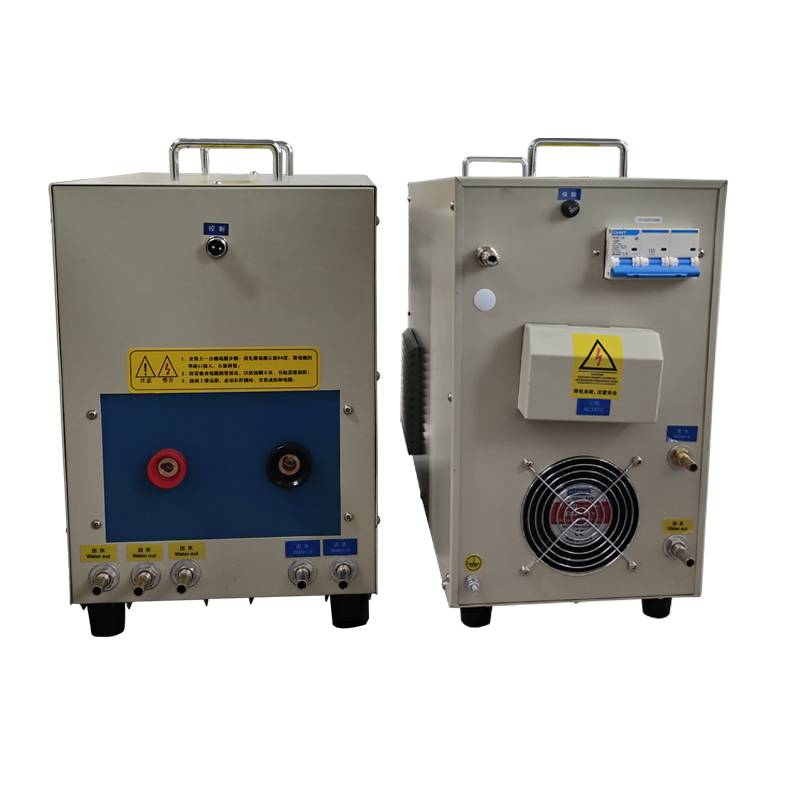
China Neutral Hardening Machine Suppliers - Factory for Quenching and Tempering Steel Bars and Iron Billets
Product Description
Here's a breakdown of the process:
Austenitizing
The steel is heated to a specific temperature (often around 1500°F or 815°C) where it transforms into austenite, a high-temperature phase of iron.
Quenching
The heated steel is rapidly cooled, usually in oil, water, or gas, to transform the austenite into martensite, a very hard but brittle structure.
Tempering
The quenched steel is then reheated to a lower temperature to reduce internal stresses and increase its toughness. This step also allows for adjusting the desired hardness level.
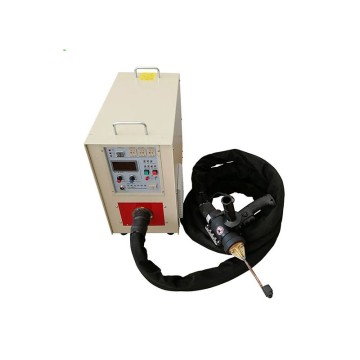
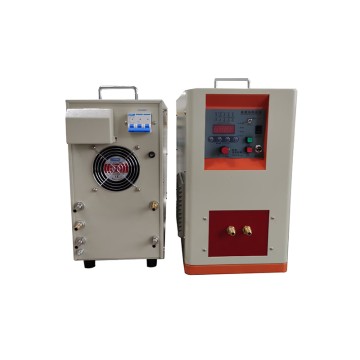
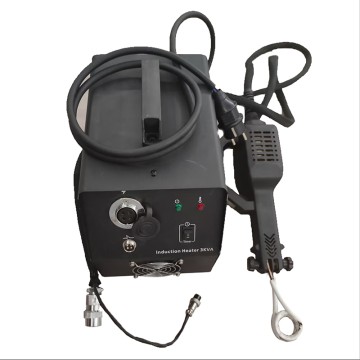
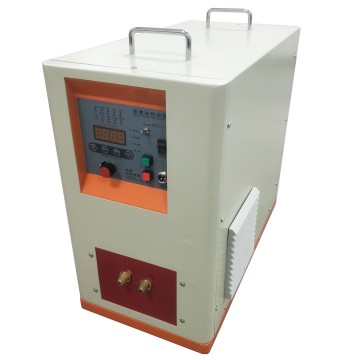
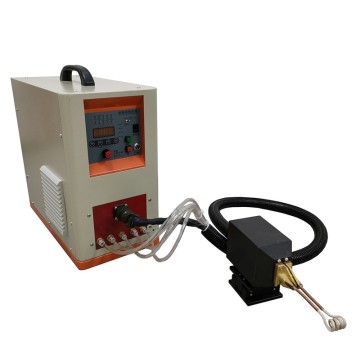
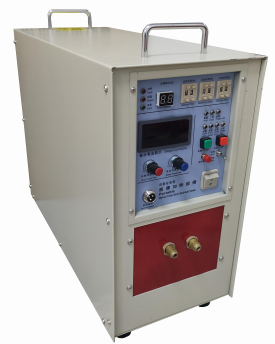
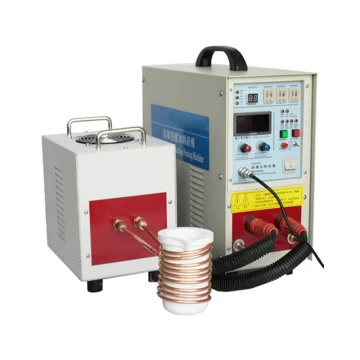
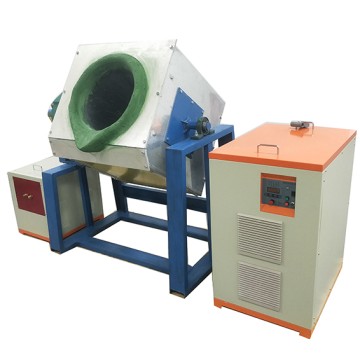
Hongye produced induction neutral hardening machine is work for these processes, through neutral hardening process, metal parts gains strength as well as reduces their brittleness, make them better for cutting process.
Application Scope
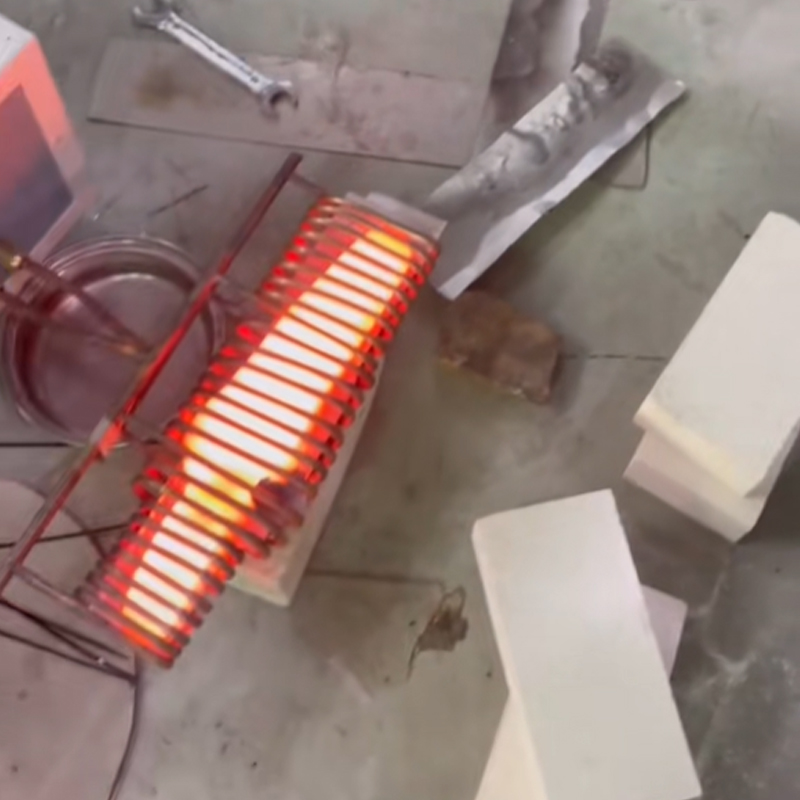
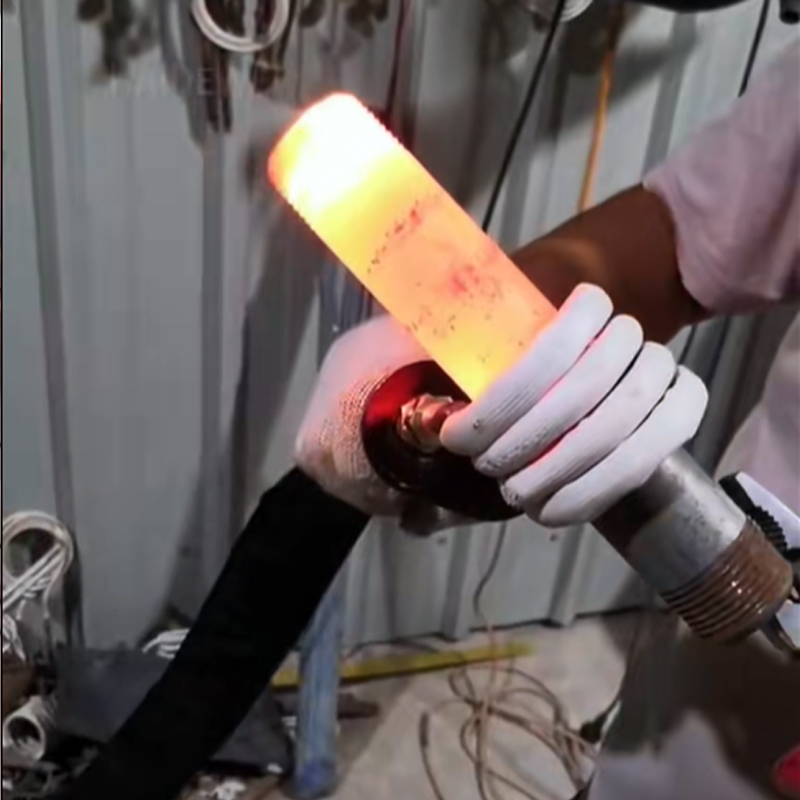
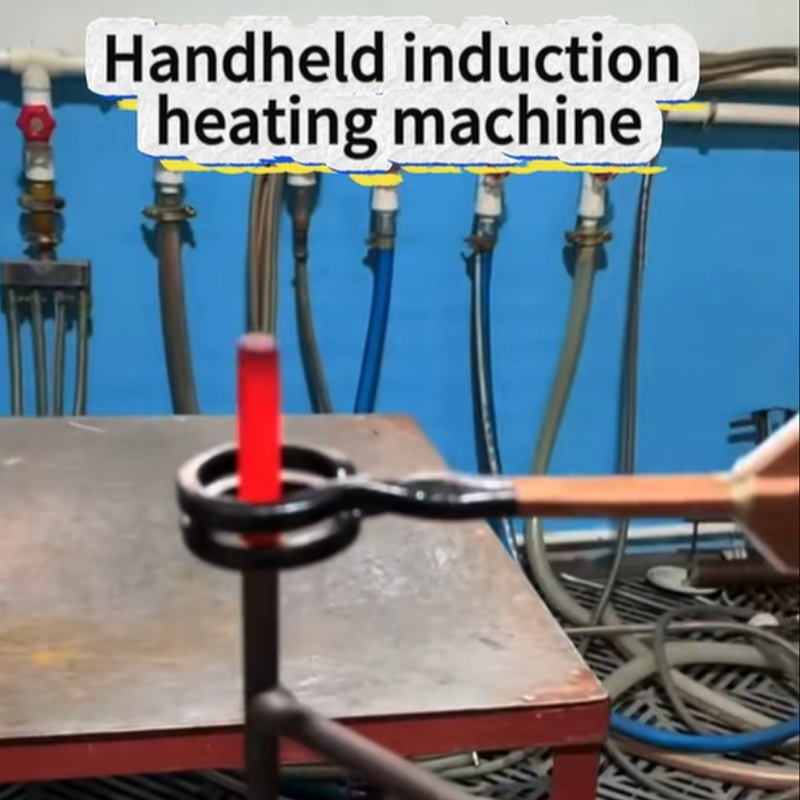
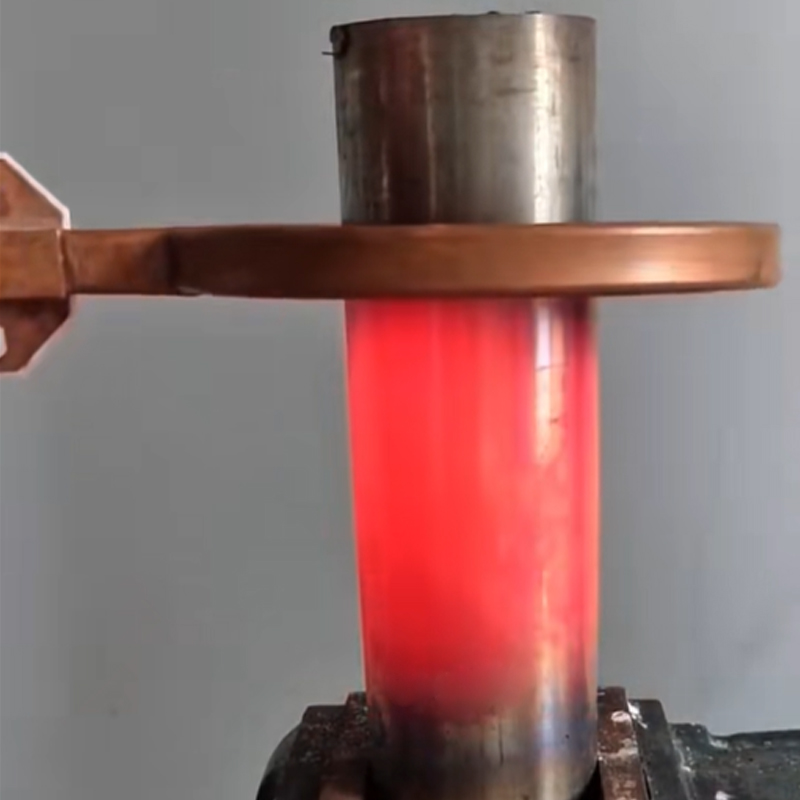
This induction neutral hardening machine is designed for heat treatment workshops to perform precision hardening and tempering processes on steel bars and iron billets. It applies controlled induction heating for uniform hardening, followed by an integrated tempering system to optimize material properties. The equipment ensures consistent hardness depth while minimizing distortion, making it ideal for automotive components, construction rebars, and industrial metal parts requiring enhanced wear resistance and structural integrity. Its automated operation suits high-volume production lines where repeatable heat treatment quality is critical. The system accommodates various workpiece dimensions and can be customized for specific alloy requirements.
Configuration and Performance
The induction neutral hardening machine features a robust configuration comprising a high-frequency power supply (50-500 kHz), precision induction coils with adjustable pitch, integrated quenching spray system, and PLC-controlled tempering unit. Its hardened steel frame supports workpieces up to 12m length and 150mm diameter, with automated feed rates of 0.1-3m/min.
Performance metrics include rapid heating to 850-950°C within seconds, achieving uniform case depth of 1-15mm (±0.2mm tolerance) with surface hardness up to 62 HRC. The subsequent tempering stage operates at 150-650°C with ±5°C stability, reducing brittleness while maintaining 90-95% of initial hardness. Energy efficiency reaches 85% through regenerative power design, processing 2-8 tons/hour with ≤0.1% distortion rate.
Real-time IR pyrometers and embedded hardness testers ensure quality consistency, while the HMI interface allows parameter presets for 200+ steel grades including AISI 1045, 4140, and ductile iron. The system complies with ISO safety standards, featuring water-cooled components and emergency stops. Optional robotic loading and Industry 4.0 data logging are available for smart factory integration.
Technical Specifications
Power & Frequency Range
Electric power input: 380V 3-phase (50/60Hz) with adjustable output power from 3kW to 120kW. Frequency options: Medium (1-10kHz), High (20-100kHz), or Ultrahigh (100-500kHz) for precise depth control.
Workpiece Compatibility
Processes steel bars (Φ0.1mm–150mm diameter) and iron billets up to 12m length. Supports materials including carbon steel, alloy steel, stainless steel, and ductile iron.
Temperature Control
Quenching: Rapid heating to 850–950°C (±5°C) with water/spray cooling. Tempering: Programmable range of 150–650°C (±3°C) post-quench.
Automation & Precision
PLC-controlled feed rate (0.1–3m/min) and CNC positioning (0.1mm accuracy). Real-time IR pyrometers and hardness testing integration.
Certifications & Safety
CE, ISO, RoHS compliant with multi-protection (over-current/voltage, water shortage). Energy-saving design (up to 70% power reduction vs traditional methods).
Optional Features
Robotic loading/unloading or Industry 4.0 data logging. Customizable coil designs for complex geometries.
Application Scenarios
Frequently Asked Questions
Q1: What materials are compatible with the induction neutral hardening machine?
A1: The machine is compatible with a wide range of materials, including carbon steel, alloy steel, stainless steel, and ductile iron. It can process steel grades such as AISI 1045 and 4140.
Q2: What sizes of workpieces can the system accommodate?
A2: The system features a hardened steel frame that supports steel bars and iron billets with diameters ranging from Φ0.1mm to 150mm and lengths up to 12 meters.
Q3: How does the tempering stage ensure material toughness?
A3: The tempering stage operates within a programmable range of 150–650°C with ±5°C stability. This process reduces internal stresses and brittleness caused by quenching while maintaining 90-95% of the initial hardness.
Q4: What is the energy efficiency of this heat treatment system?
A4: Thanks to its regenerative power design, the system achieves an energy efficiency rate of up to 85%. This allows for up to a 70% power reduction compared to traditional heat treatment methods.
Q5: Can this machine be integrated into smart factory environments?
A5: Yes, the machine offers optional Industry 4.0 data logging and robotic loading/unloading configurations, making it fully ready for modern, automated smart factory integrations.
Q6: What safety features are integrated into the system?
A6: The machine complies with ISO safety standards and is CE, ISO, and RoHS compliant. It features water-cooled components, emergency stops, and multi-protection systems for over-current, over-voltage, and water shortage.