


0102030405
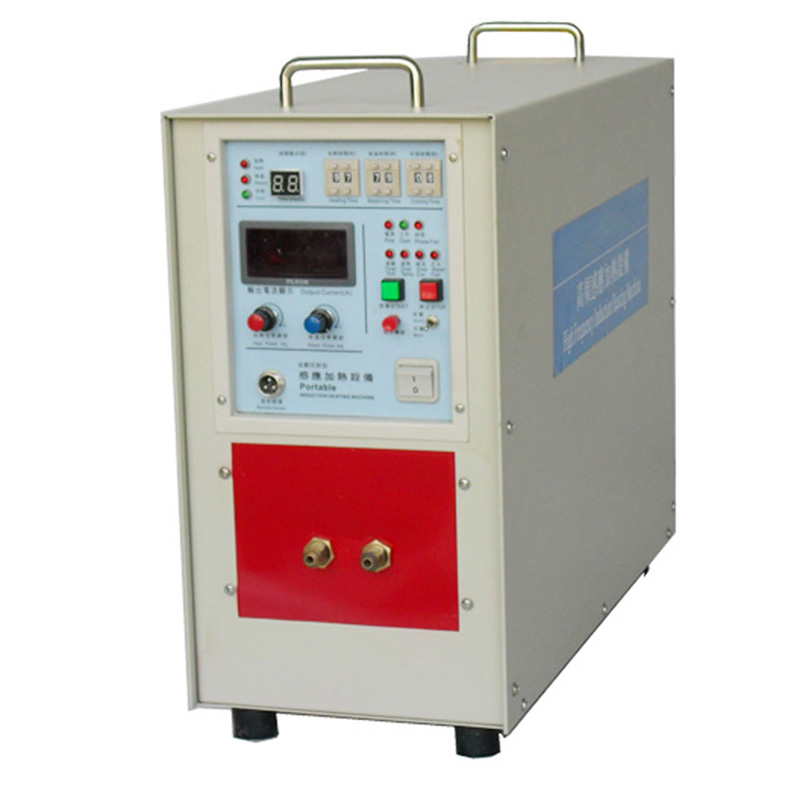
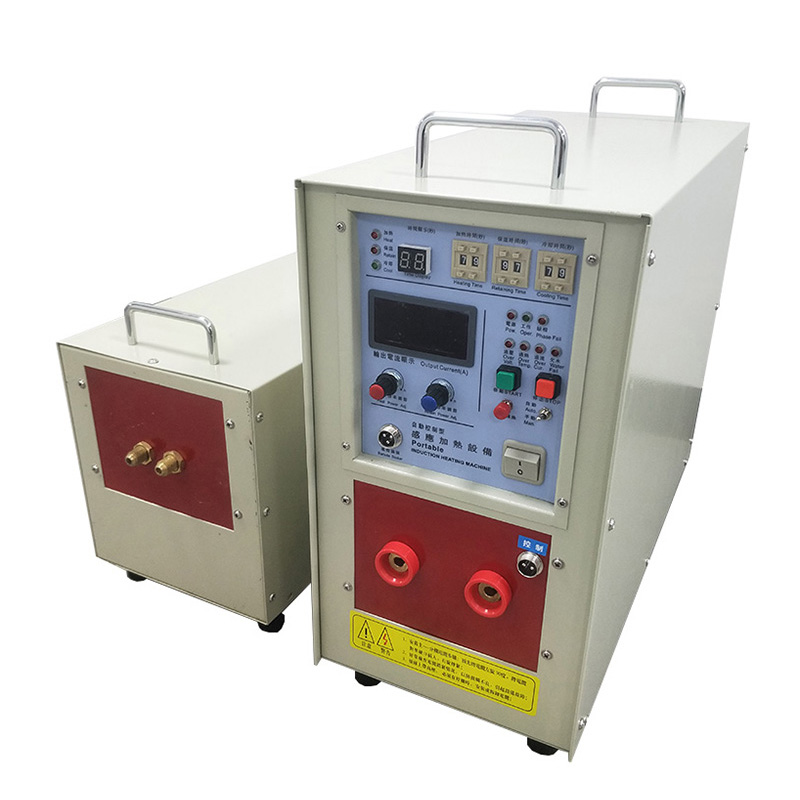
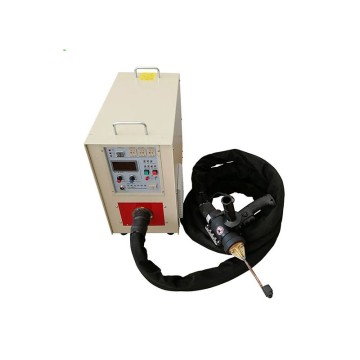
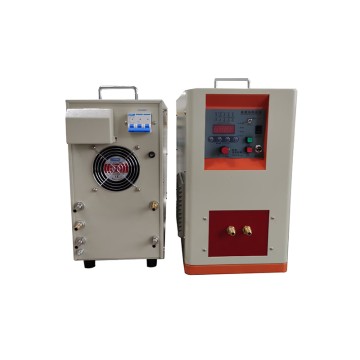
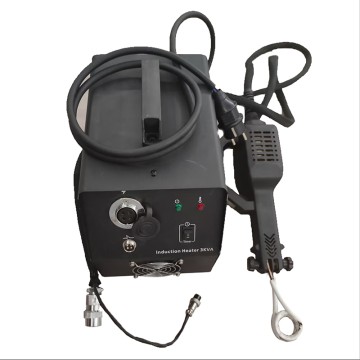
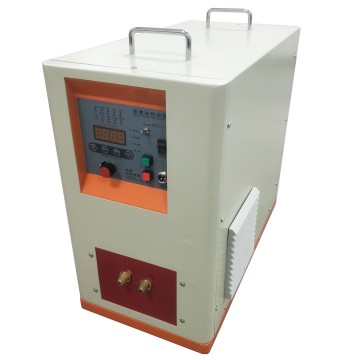
China OEM Induction Heater & Annealing Machine for Stainless Steel Pipes | Suppliers & Factory Solutions
Product Description
Fast Processing
High-frequency induction enables rapid heating cycles, boosting productivity.
Durable & Low Maintenance
Robust construction ensures long-term reliability.
Ideal for metalworking, automotive, aerospace, and manufacturing industries, this induction annealing machine enhances material strength and workability while minimizing distortion.
Contact us for OEM customization!
Application Scope
Industrial Induction Annealing Machine Applications
Application 01
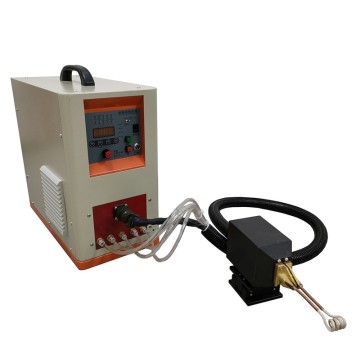
Steel Blocks/Rods/Iron Discs
Application 02
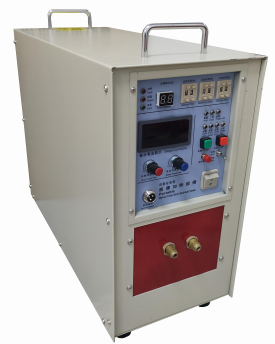
Copper Sleeves
Application 03
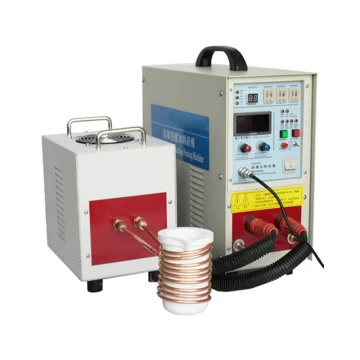
Stainless Steel Pipes
Application 04
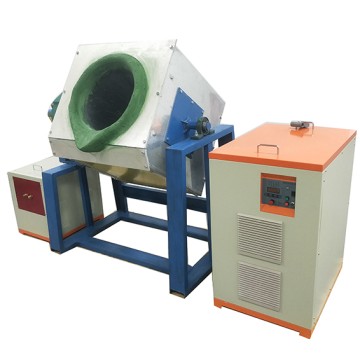
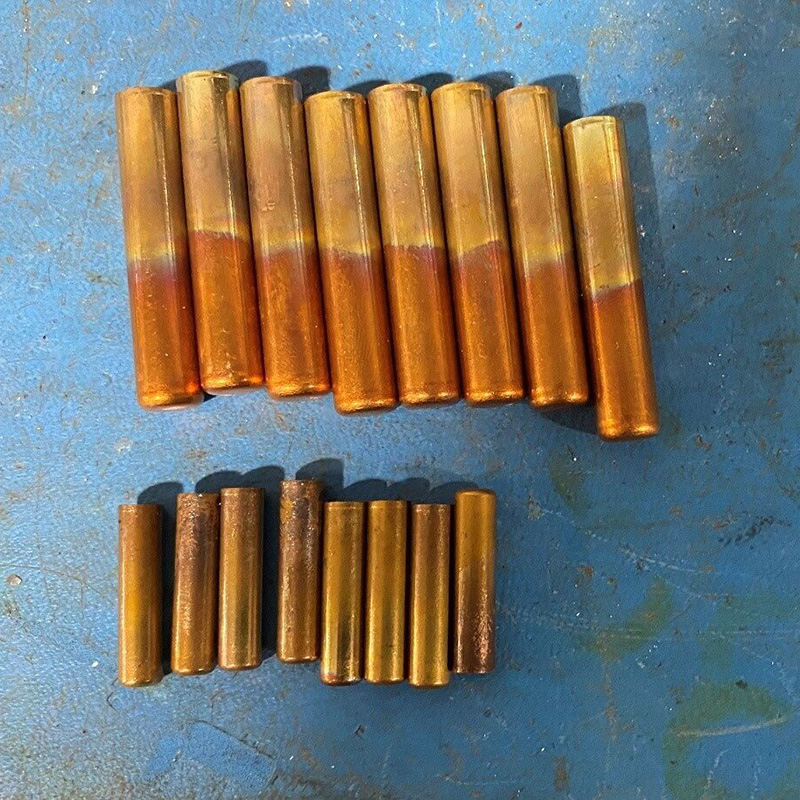
Brass Shell Casings
Application 05
Metal Wires (Steel/Copper/Others)
Configuration and Performance
Industrial Induction Annealing Machine Core Configuration and Performance
1. Core Configuration
Electromagnetic induction system:
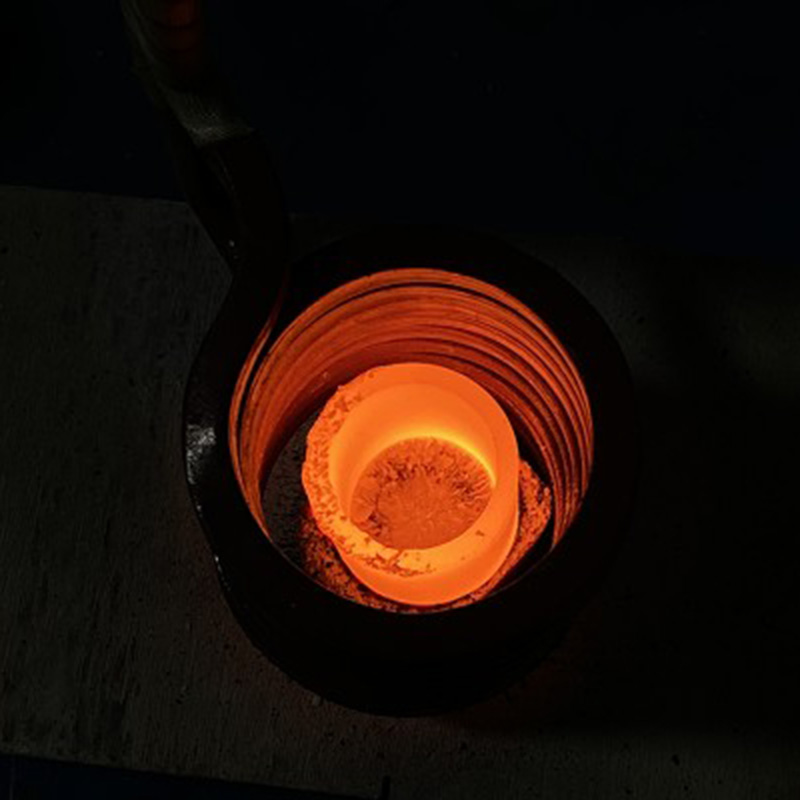
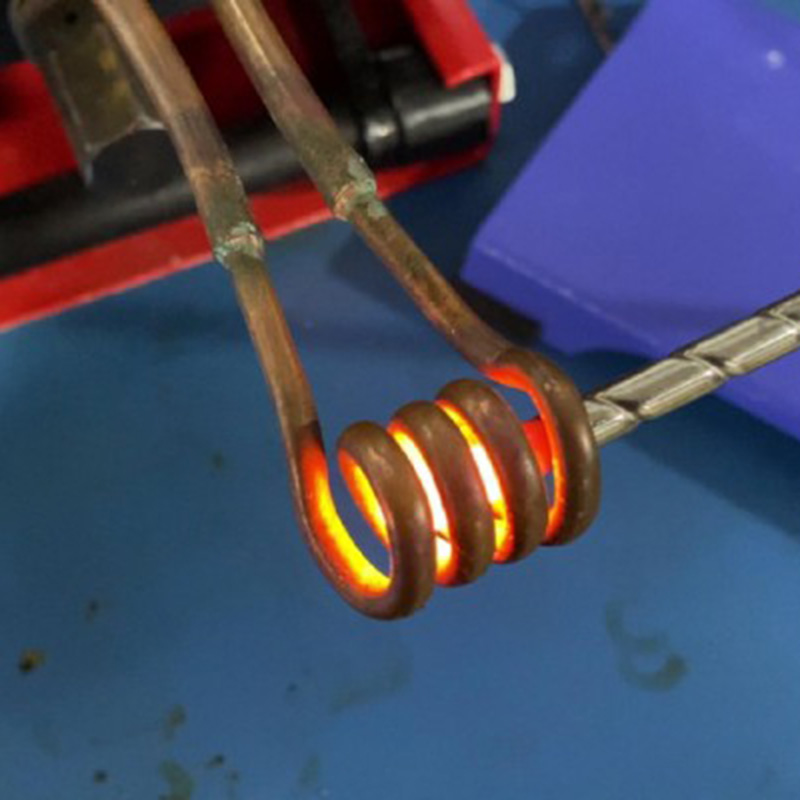
Adopting high frequency (20-80kHz) or ultra-high frequency (>100kHz) current to generate an alternating magnetic field through the induction coil to realize eddy current heating inside the metal.
Supports multi-station rotary design to enhance continuous processing efficiency.
Temperature control system:
The numerical control system accurately adjusts the temperature (±5℃ error), power and time parameters to suit the annealing needs of different materials (e.g. stainless steel, copper, steel).
Real-time sensor monitoring, automatic adjustment of the heating curve.
Cooling module:
Integrated air-cooled/water-cooled system, rapid cooling of the workpiece to stabilize the organizational properties.
Power supply and power:
Typical models such as 25kW high frequency equipment, input voltage 380V, frequency 30-80kHz.
2. Performance & Adaptability
High efficiency and energy saving:
The heating speed is more than 10 times faster than the traditional way, and the energy consumption is reduced by 30%.
Electrical energy conversion efficiency > 90%, reducing heat loss.
Precise and uniform:
Local or overall heating is controllable to avoid oxidation/deformation, and the temperature uniformity reaches ±1%.
Application effect:
Stainless steel tube: Improve corrosion resistance after annealing, reduce processing deformation.
Copper/steel wire: Stress relieved and ductility increased by more than 30%.
Brass parts: prevent cracks, suitable for subsequent precision machining.
Industry adaptability:
Automation integration: supports robotic arm loading and online annealing, suitable for mass production.
Environmental advantages: no open flame, low emissions, in line with green manufacturing standards.
(Note: Specific configurations need to be customized according to material size and process requirements.)
Technical Specifications
| Key Operational Parameters | ||
|---|---|---|
| 1 | Power range | 25 KW~600KW |
| 2 | Working Frequency | 0.5~250 KHZ (to be customized) |
| 3 | Heating temperature | room temperatures to 1200℃ |
| 4 | Temperature control tolerance | ±1℃ |
| 5 | Temperature field balance | ±5℃ |
| 6 | Temperature rise speed | 10-150℃/s |
| 7 | Temperature decrease speed | 10-100℃/s |
| 8 | Cooling water protection temp | 40℃ |
| Configuration & Design Specs | ||
|---|---|---|
| 1 | Frequency range | High frequency (20-80kHz) for steel rods/wires; Ultra-high frequency (>100kHz) for copper wire/brass shells. |
| 2 | Temp control precision | Numerical control system adjustment, error ± 5 ℃, support for stainless steel tube (900-1100 ℃). |
| 3 | Power configuration | Typical model 25kW (380V input), expandable to 200kW for mass production. |
| 4 | Cooling mode | Integrated air-cooled/water-cooled module, suitable for slow cooling (steel) or fast cooling (copper). |
| 5 | Heating uniformity | Multi-coil design ensures uniform temperature distribution (±1%), avoiding localized overheating. |
| 6 | Automation | Support robotic arm loading + online annealing for continuous sleeve/wire processing. |
| 7 | Energy efficiency | Electricity conversion rate >90%, saving more than 30% energy compared to resistance furnaces. |
| 8 | Material compatibility | Handles steel, copper, stainless steel etc. parameter switching time <5 minutes. |
(Note: Specific selection needs to be combined with the size of the workpiece and capacity requirements.)
Main Components
Frequently Asked Questions (FAQ)
What materials and workpieces can this induction annealing machine process?
This machine is highly compatible with a variety of metals. Typical applications include steel blocks, rods, and iron discs (annealed at 700-900°C), copper sleeves (500-700°C), stainless steel pipes (900-1100°C), brass shell casings (400-600°C), and continuous metal wires (steel, copper, and others at 450-750°C).
How energy-efficient is the induction annealing machine compared to traditional methods?
The induction heating system features an electrical energy conversion efficiency of over 90%, reducing overall heat loss. The heating speed is more than 10 times faster than traditional methods, resulting in a reduction in energy consumption by up to 30% compared to standard resistance furnaces.
What temperature ranges and control accuracies does the system support?
The machine can heat materials from room temperature up to 1200℃. It features a highly precise numerical control system with a temperature control tolerance of ±1℃, a temperature field balance of ±5℃, and a temperature uniformity of ±1% to prevent localized overheating, oxidation, or deformation.
How fast can the machine heat and cool the metal components?
The equipment offers rapid thermal cycles with a temperature rise speed of 10 to 150℃ per second. The cooling rate can be adjusted from 10 to 100℃ per second utilizing an integrated air-cooled or water-cooled module to properly stabilize the structural properties of different metals.
Can this equipment be integrated into automated production lines?
Yes, the equipment supports full automation integration. It is designed to work with robotic arm loading and online continuous annealing systems, making it highly suitable for high-volume mass production processes, such as continuous wire drawing and rotary multi-station processing.
Are the power and frequency customizable for specific industrial needs?
Absolutely. We offer OEM customization. The power ranges from 25KW to 600KW, and working frequencies span from 0.5 to 250 KHZ. High-frequency (20-80kHz) options are ideal for small parts like steel rods/wires, while ultra-high frequency (>100kHz) options are perfect for precision annealing of copper wires and brass shells.