


0102030405
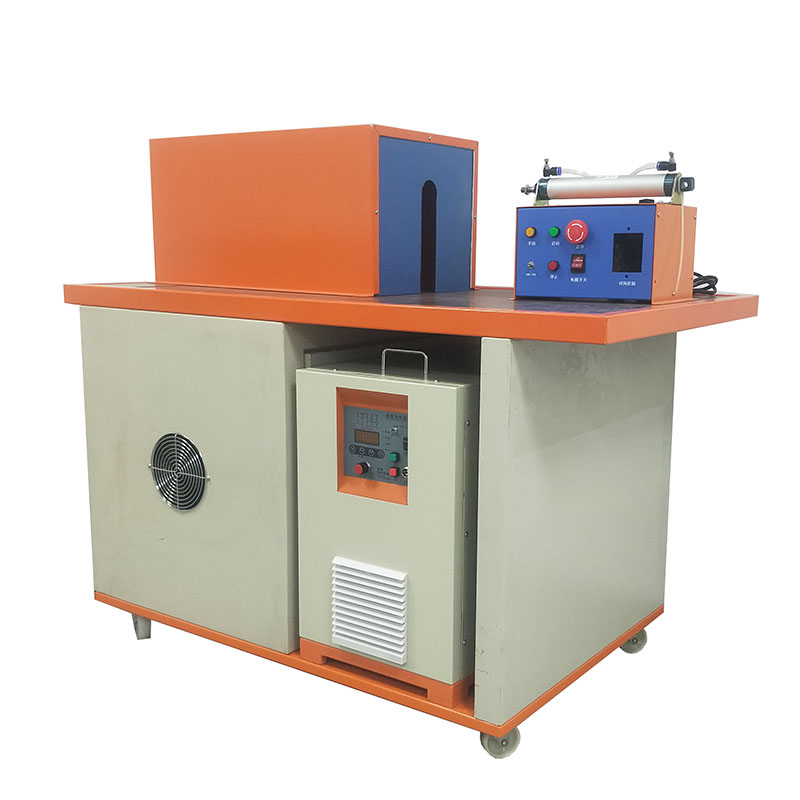

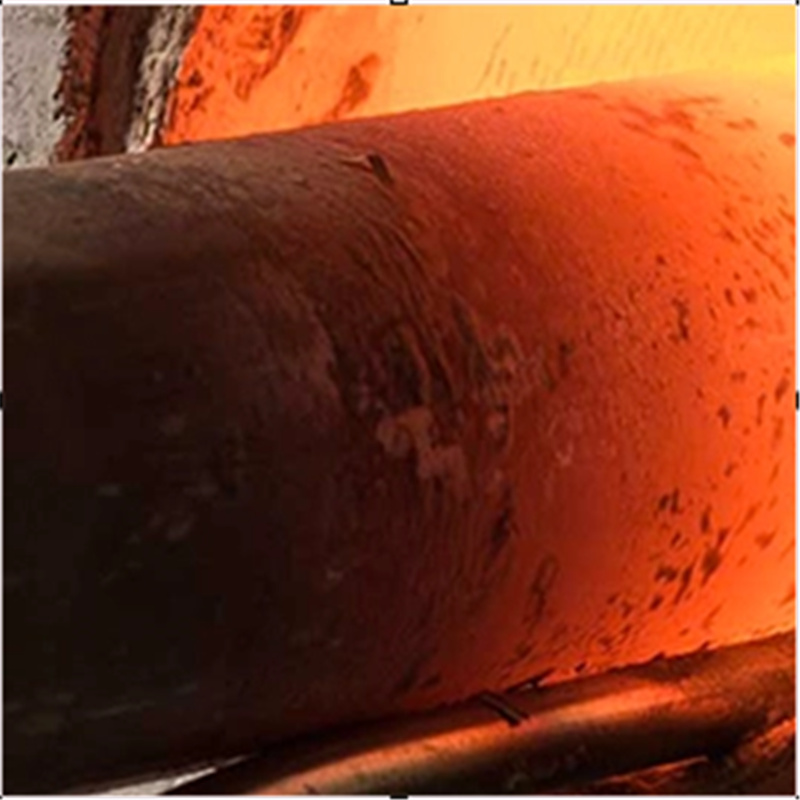
China Suppliers Factory High-Efficiency Industrial Induction Heater for Steel Bar Billet Heating and Hot Forming
Product Description
1. Core Functionality
High-Efficiency Heating:
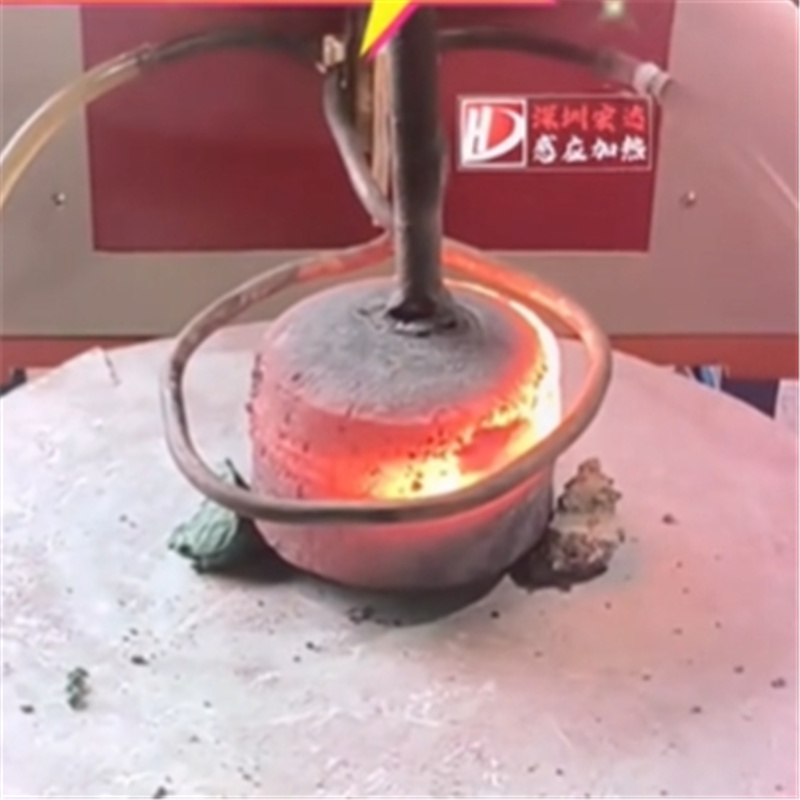
Rapidly heats steel billets (ø20-200mm) and rods to 1200°C within seconds for forging/hot forming.
Precision Temperature Control:
PID-regulated ±10°C uniformity, suitable for carbon/alloy steel hardening and tempering.
2. Key Specifications
Power Range:
160-200kW (380V/50-60Hz), designed for 24/7 continuous operation.
Frequency Adjustment:
Dual-mode 1-30kHz for optimized penetration depth in thin rods or thick billets.
Cooling System:
Closed-loop water cooling (≥25L/min) with overheating protection.
3. Industrial Applications
Hot Forming:
Pre-heats steel bars for upset forging, extrusion, and CNC machining.
Automotive/Machinery:
Processes axles, bolts, and hydraulic components with CE/ISO-certified safety.
4. Customization & Typical use
Modular Design:
customized coil sizes for diverse workpiece dimensions.
Application scope
Typical Use Cases: Metalworking factories, forging plants, and automotive part suppliers
1. Steel Bar Billet Pre-Heating
Forging Preparation:
Rapidly heats steel billets (ø20-200mm) to 800-1200°C for subsequent forging or extrusion processes.
Uniform Heating:
Ensures temperature consistency (±10°C) for carbon/alloy steel billets, reducing internal stress.
2. Rod Hot Forming & Upset Forging
Upset Forging:
Precisely heats rod ends for flange/bolt head forming in automotive and machinery parts.
Continuous Processing:
Supports 24/7 operation for high-volume production of hydraulic rods and shafts.
3. Gear & Chainwheel Manufacturing
Gear Blank Heating:
Heats gear blanks to optimal forging temperatures (1000-1150°C) for precision stamping.
Sprocket Hardening:
Localized induction hardening of chainwheel teeth to enhance wear resistance.
4. Industrial Maintenance & Repair
Metal Joining:
Heats steel bars/billets for welding or brazing in pipeline and construction applications.
Stress Relief:
Post-weld heat treatment to eliminate residual stresses in critical components.
Typical Industries:
- Automotive (axles, gears)
- Mining (conveyor chains, crusher parts)
- Heavy machinery (hydraulic rods, bearings)
Note: Customizable power (15-200kW) and coil designs for diverse workpiece dimensions
Configuration and Performance
1. Core Configuration
Power System:
- Input: 380V±10%/50-60Hz, 3-phase, compatible with industrial grids.
- Rated Power: 160-200kW (adjustable for billet/rod sizes).
- Frequency: Dual-mode 1-30kHz (auto-tuning for penetration depth).
Heating Coils:
- Multi-turn copper coils (ID 50-600mm), water-cooled for 24/7 operation.
- Quick-change design for flexible billet/rod processing.
Cooling System:
Closed-loop water cooling (≥25L/min @ 0.3MPa) with overheating protection.
2. Performance Metrics
Temperature Range:
800-1250°C (PID-controlled ±10°C uniformity).
Heating Speed:
- Billets (ø100mm): 15-30 sec to 1100°C.
- Rods (ø50mm): 5-10 sec for end upset forging.
Efficiency:
≥90% energy conversion (IGBT-based inverter technology).
Duty Cycle:
100% continuous operation.
3. Automation & Control
HMI Interface:
10" touchscreen with preset programs for gears/chainwheels.
Integration:
RS485/Modbus TCP for PLC/robotic arm synchronization.
Safety:
CE-certified with emergency stop and overcurrent protection.
4. Material Compatibility
Steel Types:
Carbon steel (C45), alloy steel (42CrMo), stainless steel.
Technical specifications
Industrial Induction Heater for Steel Bar Billet Heating & Rod Hot Forming - Technical Specifications
1. Power & Electrical Parameters
Input Voltage:
380V±10%, 3-phase, 50/60Hz
Rated Power:
15-200kW (adjustable for different billet sizes)
Frequency Range:
1-30kHz (auto-tuning for optimal penetration depth)
Power Efficiency:
≥90% (IGBT-based inverter technology)
2. Heating Performance
Temperature Range:
800-1250°C (PID-controlled ±10°C uniformity)
Heating Speed:
- Billets (ø100mm): 15-30 sec to 1100°C
- Rods (ø50mm): 5-10 sec for end upset forging
Max Workpiece Size:
- Diameter: 20-600mm (custom coil designs)
- Length: Up to 6m (for continuous processing)
3. Cooling & Durability
Cooling System:
Closed-loop water cooling (≥25L/min @ 0.3MPa)
Duty Cycle:
100% continuous operation
Protection:
Overcurrent/overvoltage/overheating safeguards
4. Mechanical & Compliance
Coil Material:
High-purity copper, water-cooled
Certifications:
CE, ISO, RoHS compliant
Weight:
7.3kg (portable models) to 1200kg (industrial systems)
5. Automation & Control
Interface:
10" touchscreen with preset programs
Integration:
RS485/Modbus TCP for PLC connectivity
Applications:
Forging pre-heating, gear hardening, rod forming
Note: Specifications vary based on customized requirements for billet/rod dimensions.
Main components:
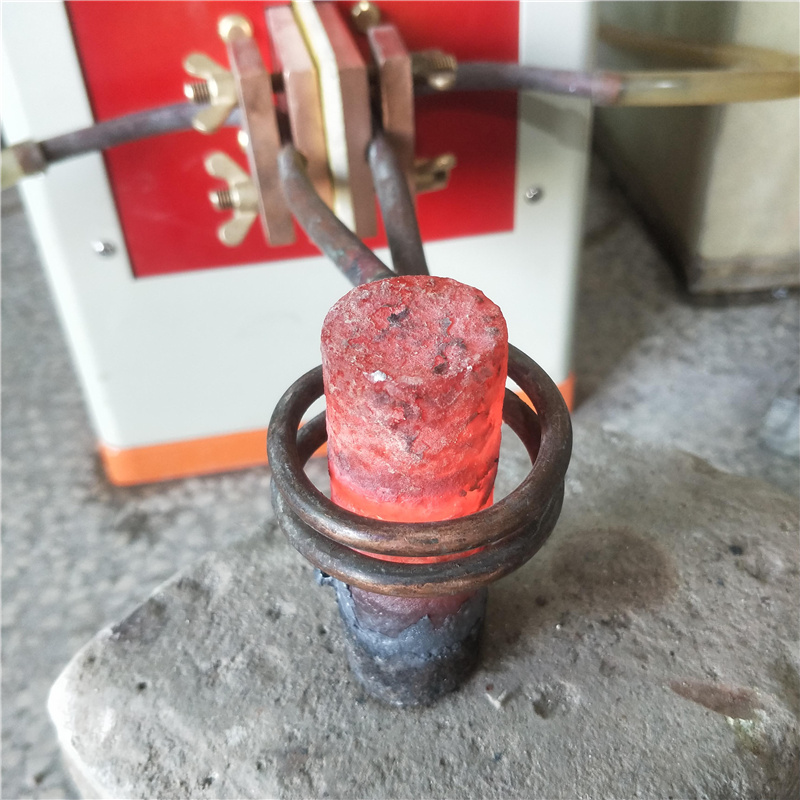
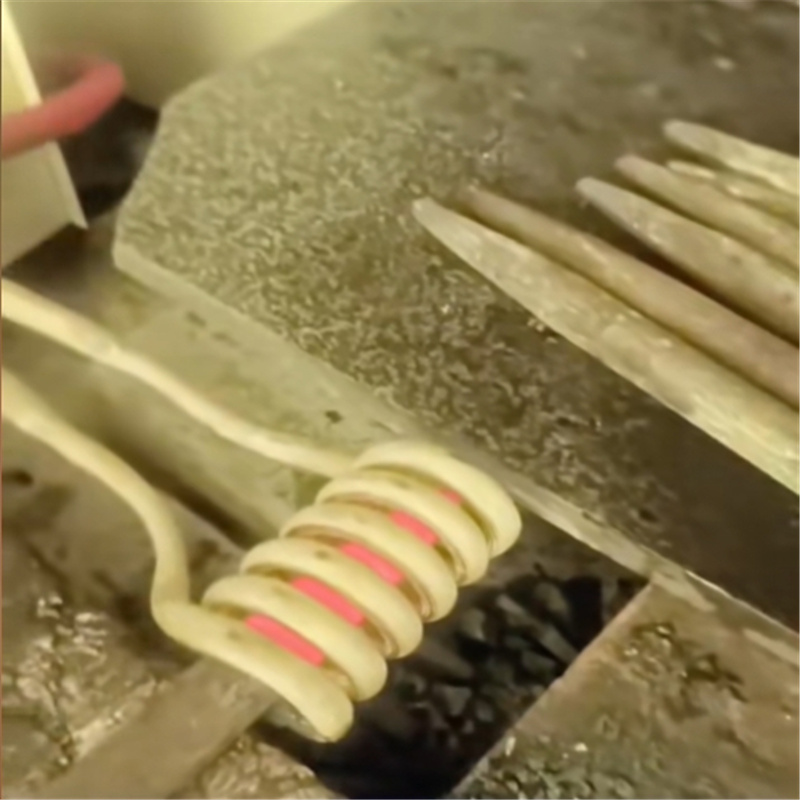
Frequently Asked Questions
What is the heating range and temperature uniformity of this induction heater?
The heater supports a temperature range of 800-1250°C. It features a PID-regulated control system that ensures a high temperature uniformity of ±10°C, which is ideal for carbon/alloy steel hardening and tempering.
What workpiece sizes can this induction heating system process?
Standard configurations process steel billets with diameters from ø20mm to 200mm. However, with customizable heating coil designs, the system can accommodate workpiece diameters ranging from 20-600mm and lengths up to 6 meters for continuous processing.
Is this equipment suitable for continuous 24/7 industrial environments?
Yes, the system is engineered for a 100% duty cycle, supporting 24/7 continuous industrial operation. It is equipped with a closed-loop water cooling system (requiring ≥25L/min flow rate) and built-in overheating protection to ensure long-term reliability.
How fast can it heat steel billets and rods?
The heating speed is highly efficient: it takes approximately 15-30 seconds to heat ø100mm steel billets to 1100°C, and only 5-10 seconds to heat ø50mm rods for end upset forging.
What integration and automation interfaces are provided?
The induction heater is equipped with a 10" touchscreen HMI with preset programs. For automated production lines, it supports RS485 and Modbus TCP protocols to seamlessly synchronize with PLCs and robotic arms.