


0102030405
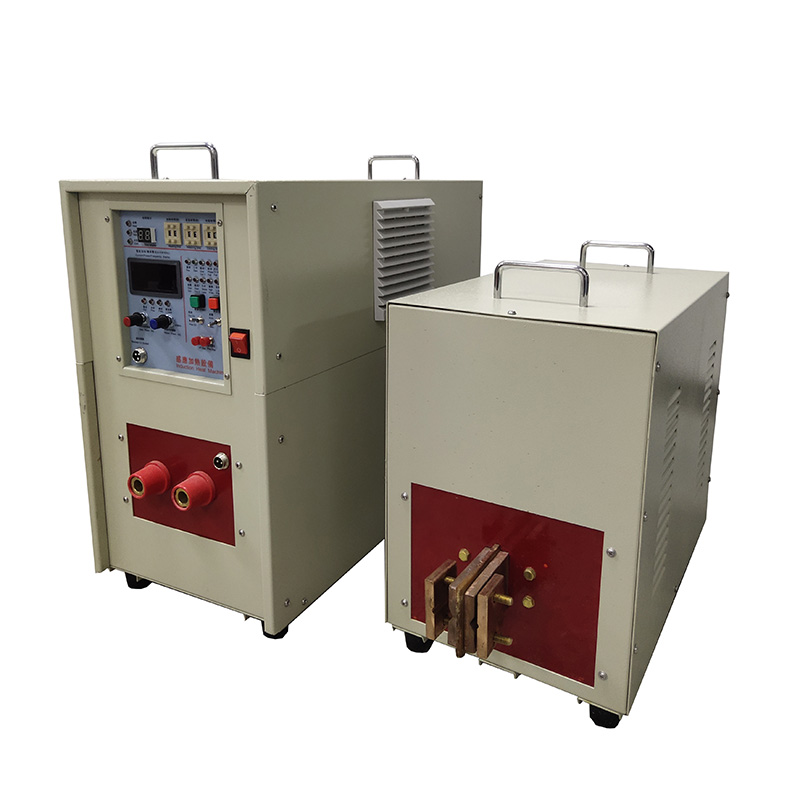
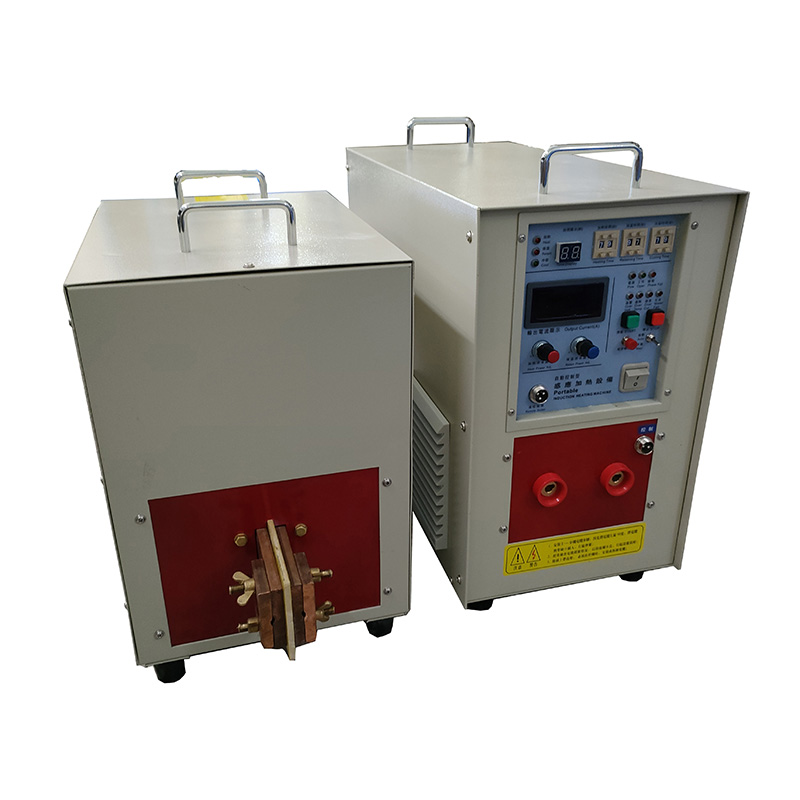
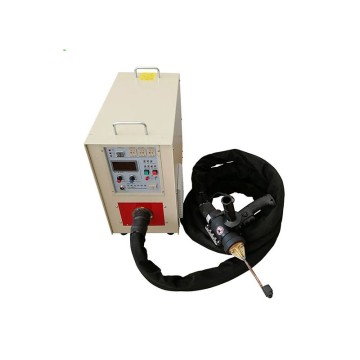
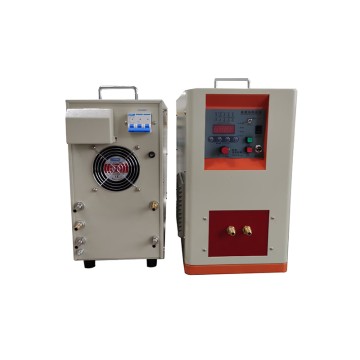
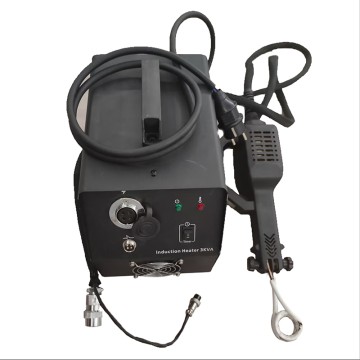
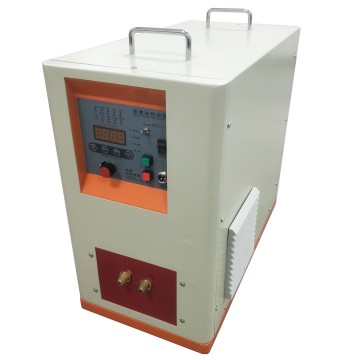
China Suppliers Factory - High-Performance Industrial Induction Annealing Machines for Brass, Steel, and Tailored Gears
Product Description
Featuring intelligent PLC controls and energy-efficient induction heating technology, our industrial annealing systems offer rapid heating cycles, consistent results, and reduced oxidation. Whether processing carbon steel, stainless steel, copper alloys, or wire products, our machines guarantee improved metallurgical properties, enhanced durability, and superior production efficiency for demanding manufacturing environments.
Application Scope
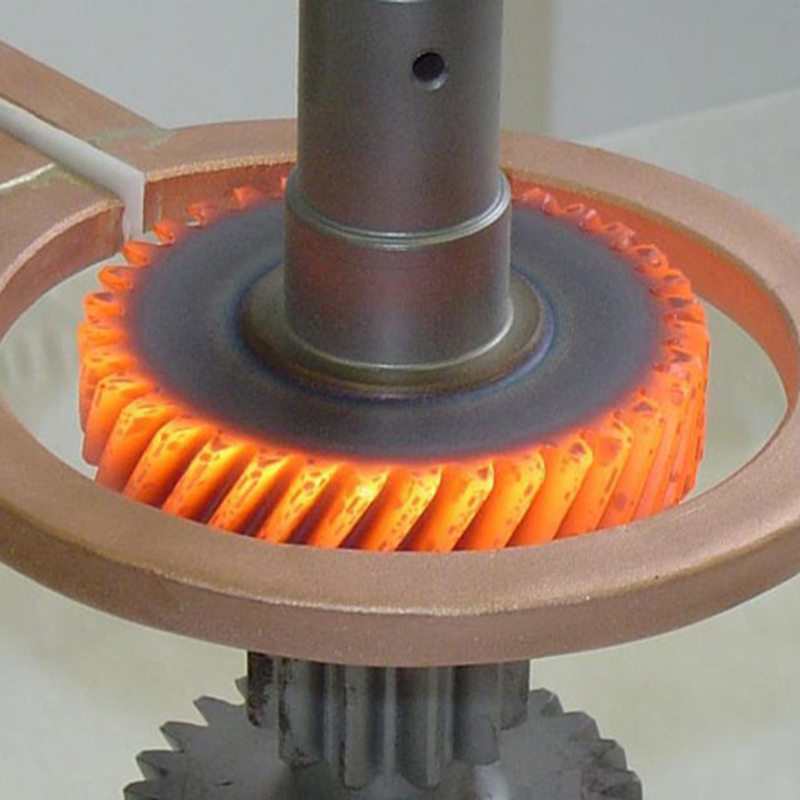
1. Gear Annealing
Process: Heating to 700-850°C followed by slow cooling (furnace or air cooling)
Purpose: Eliminate machining stress, improve toughness, and enhance wear resistance
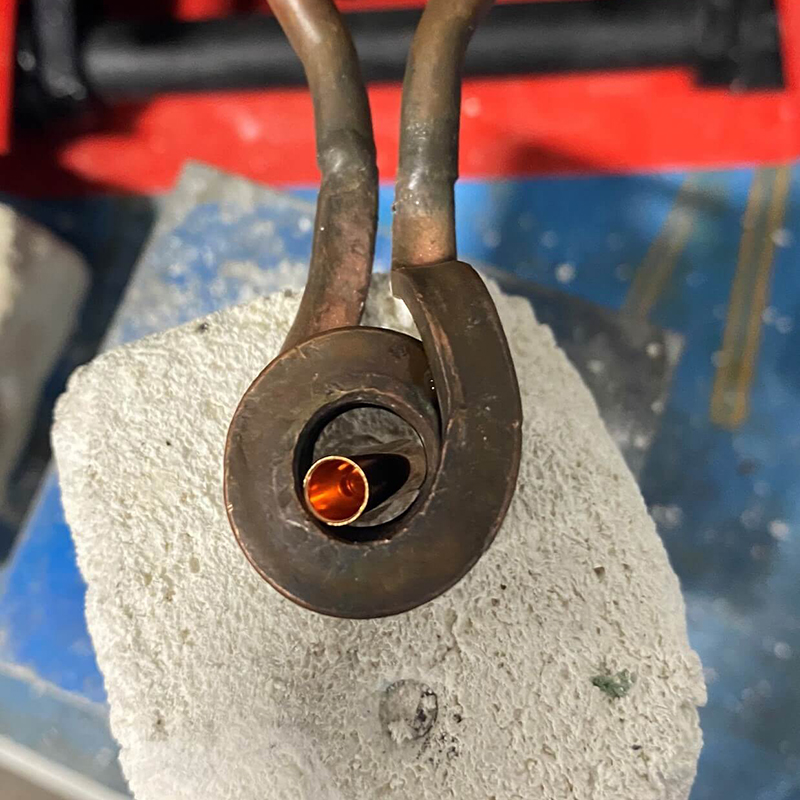
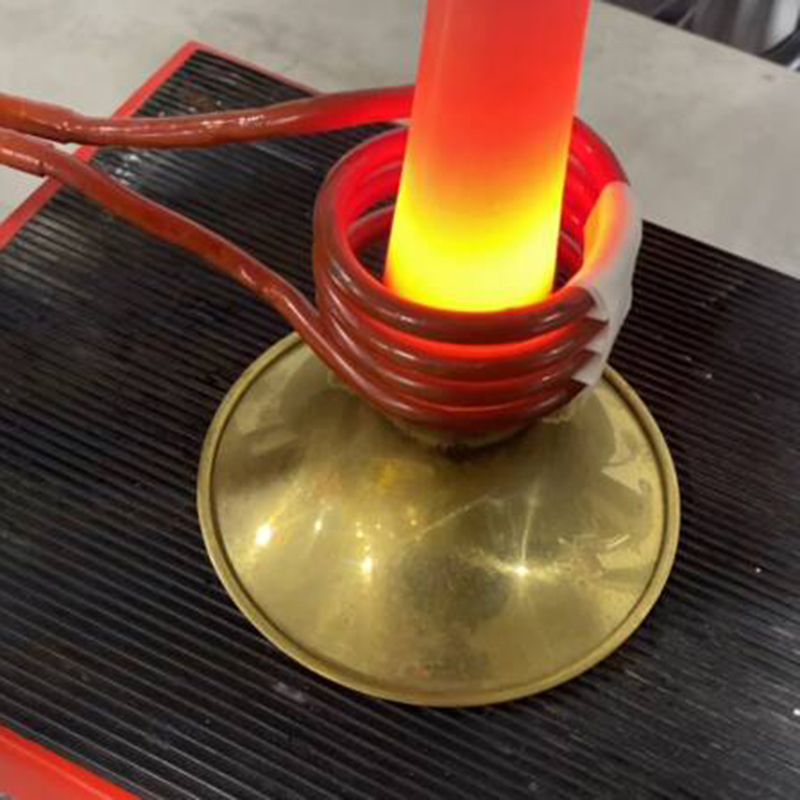
2. Copper Base & Brass Disc Annealing
Process: Heating to 400-600°C with rapid cooling (air or water quenching)
Purpose: Restore ductility after cold working and prevent stress corrosion cracking
3. Stainless Steel Tube Annealing
Process: Heating to 900-1100°C with controlled cooling (water/air cooling)
Purpose: Remove welding/forming stresses and improve corrosion resistance
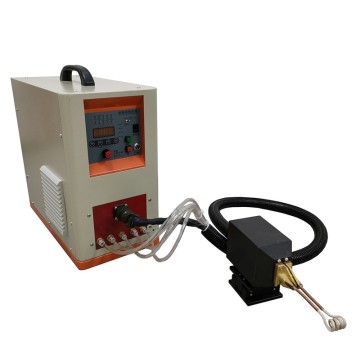
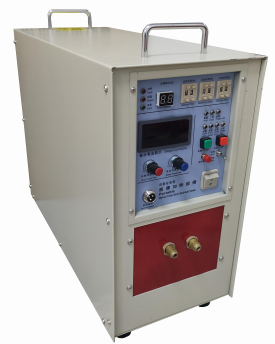
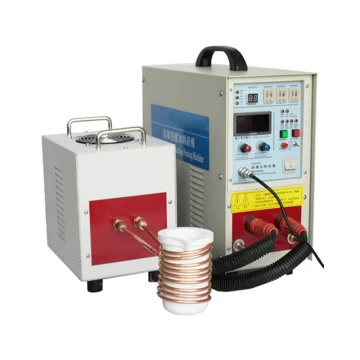
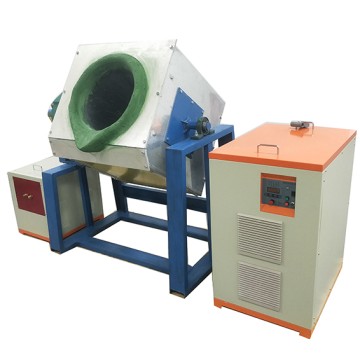
4. Industrial Induction Annealing Machine
Key Features: High-frequency (20-100kHz) heating, PLC temperature control, and energy efficiency
Advantages: Fast heating, uniform temperature distribution, and reduced oxidation
(Note: Parameters may vary based on material thickness and production requirements.)
Configuration and Performance
Industrial Induction Heating Machine for Gear, Brass & Stainless Steel Annealing
1. Gear Annealing
Configuration: Medium-frequency (3-10kHz) for deep heat penetration
Performance:
• Uniform heating (700-850°C) to relieve machining stress
• Maintains gear tooth hardness while improving toughness
• Fast cycle time (<2 min/part) with minimal distortion
2. Copper Base & Brass Disc Annealing
Configuration: High-frequency (20-50kHz) for rapid, localized heating
Performance:
• Precise temperature control (400-600°C) to restore ductility
• Oxidation-free surface with inert gas option
• Energy-efficient (30% less power than furnace annealing)
3. Stainless Steel Tube Annealing
Configuration: Dual-frequency (1-10kHz + 30-80kHz) for thick/thin walls
Performance:
• Full stress relief (900-1100°C) with water/air quenching
• Consistent metallurgical properties across long tubes
• Integrated temperature sensors for real-time monitoring
Shared Features
Control System: PLC + touchscreen with preset recipes for all materials
Cooling: Modular water/air cooling for flexible process adjustment
Efficiency: >90% energy conversion rate, 24/7 continuous operation
Automation: Compatible with robotic loading for mass production
(Note: Power range 25-200kW, customizable based on throughput requirements.)
Technical Specifications
Industrial Induction Annealing Machine Technical Parameters
1. Frequency Range
3-50kHz (adjustable for gears, brass, and stainless steel)
2. Heating Temperature
Gears: 700-850°C (stress relief and toughness)
Brass/Copper: 400-600°C (ductility restoration)
Stainless Steel Tubes: 900-1100°C (stress relief and corrosion resistance)
Brass/Copper: 400-600°C (ductility restoration)
Stainless Steel Tubes: 900-1100°C (stress relief and corrosion resistance)
3. Power Output
25-800kW (scalable for different workpiece sizes)
4. Cooling Methods
Water/air quenching (for stainless steel) or slow cooling (for brass/gears)
5. Automation
PLC-controlled with preset recipes for material-specific annealing
6. Heating Speed
<2 minutes for localized annealing (e.g., gear teeth or copper bases)
7. Oxidation Control
Inert gas option (N₂/Ar) for brass and stainless steel bright annealing
(Note: Parameters may vary based on material thickness and production throughput.)
Main Components
Frequently Asked Questions
What materials can be processed with these industrial annealing systems?
Our systems are highly versatile and designed to process carbon steel, stainless steel, copper alloys, brass, and various wire products.
What is the temperature range for gear annealing?
Gear annealing typically requires heating the workpieces to a range of 700-850°C, followed by slow cooling (either furnace or air cooling) to eliminate machining stress and optimize toughness.
How does the system prevent oxidation during the annealing process?
The system offers an optional inert gas control system (using Nitrogen or Argon) to ensure bright, oxidation-free surface finishes, which is especially critical for brass and stainless steel.
What are the frequency options available for different parts?
The frequency range spans from 3-50kHz. We utilize medium-frequency (3-10kHz) for deep heat penetration in gears, high-frequency (20-50kHz) for rapid heating of copper and brass, and dual-frequency options for thick/thin-walled stainless steel tubes.
What are the key advantages of induction annealing over traditional furnace methods?
Induction annealing provides rapid heating cycles (often under 2 minutes), uniform temperature distribution, and up to 30% less power consumption compared to traditional furnace annealing.
Is the machine compatible with automated production lines?
Yes, the system is equipped with intelligent PLC and touchscreen controls and features complete compatibility with robotic loading systems for continuous 24/7 mass production.