China Top Induction Bearing Heater Manufacturers Guide
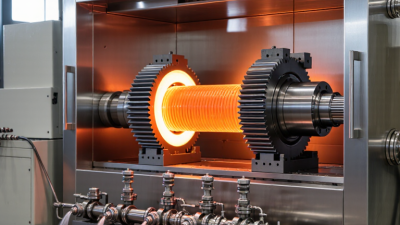
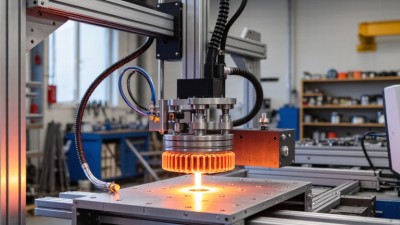
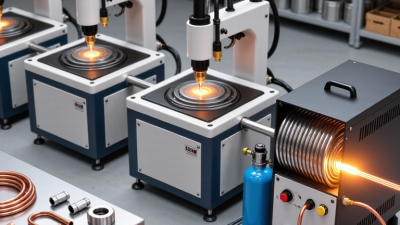
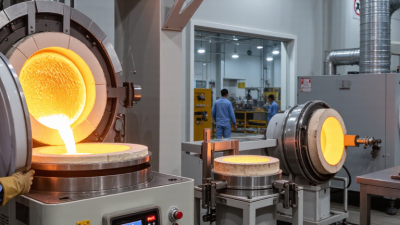
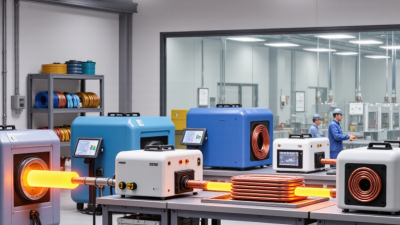
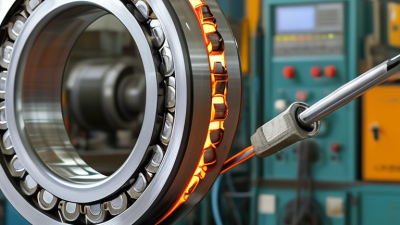
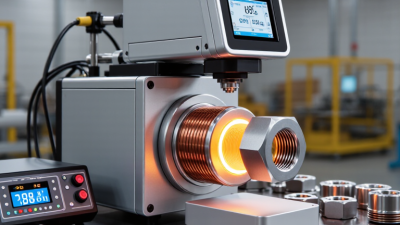
China’s bearing industry is really shifting toward cleaner, faster, and more controlled assembly methods—stuff that makes the whole process smoother and more reliable. An induction bearing heater plays a big part in that, since it helps warm up the bearing evenly before you mount it. That means less hammering, less risk of damaging the shaft, and a more even force distribution. You can actually see this happening on the shop floor: a technician sets the right temperature, keeps an eye on the digital display, and then lifts the heated bearing with insulated gloves—pretty straightforward, but effective. And it’s not just chat—market data really backs up how important these heaters are becoming. According to Fortune Business Insights’ Bearings Market report, demand is booming in sectors like automotive, wind energy, railways, and industrial machinery. All these industries need consistent, repeatable installs and want to cut down on maintenance issues. SKF’s technical guides also warn that if you don’t mount bearings properly, their lifespan can really take a hit—especially if the force goes through the rolling elements. That’s a serious warning. So, a high-quality heater isn’t just about speed; it’s about ensuring the job gets done right, every time. This guide on top induction bearing heater manufacturers dives into what you should look for, both from a practical and technical standpoint. Things like heating capacity, how precise the temperature control is, coil design, control systems, safety features, energy efficiency, and after-sales support all matter. Plus, it’s important to check their compliance credentials, factory experience, and how they test their equipment in real-world conditions. Picking the right heater for your bearing size, material, production volume, and workplace environment is key. Bigger isn’t always better, and some claims from suppliers definitely need to be looked at more closely. Big names like SKF, Schaeffler, Timken, and FAG have a solid track record when it comes to technical expertise and reliable installation. Chinese manufacturers are really stepping up as well, offering options with customization, shorter lead times, and better prices. But remember—certificates alone don’t prove how well they perform over the long run. Before buying, you should ask for test reports, calibration data, spare part info, and references from other customers. This guide is here to help you compare your options practically, but keep in mind that published specs don’t always tell the full story about real-world, long-term reliability.
Read more »