request to quote
Leave Your Message
0%

When it comes to keeping machinery running smoothly, you can't really overlook the importance of a good Bearing Heater. Honestly, the latest reports from the American Society of Mechanical Engineers show that about 16% of equipment failures happen because of improper bearing installation. That’s a pretty solid reminder of why having reliable heating solutions matters. A good Bearing Heater not only boosts performance but can really extend the lifespan of your equipment — which is a win-win, right?

Picking out the right Bearing Heater isn't just about grabbing the first one you see. You’ve gotta think about stuff like how fast it heats up and whether the heat distributes evenly. There are tons of options on the market, but not all of them are up to snuff. In fact, a study from the Machinery Lubrication Institute revealed that about 30% of companies face delays simply because their heating process wasn’t adequate. That’s a pretty clear sign there’s often a gap when it comes to choosing the right tools for maintenance.

Skipping over these details can really cost you in the long run — think downtime, extra expenses, and headaches. Since maintenance is such a huge part of keeping operations smooth, it’s crucial to use quality equipment. Investing in a solid Bearing Heater isn’t just a good move — it’s essential if you want your machinery to perform at its best. In this article, we'll check out some of the top options available in 2026 to make sure your equipment stays ahead of the game.
2026 Best Bearing Heater Options for Efficient Maintenance?

2026 Overview of Bearing Heater Technology and Trends

The world of bearing heater technology is evolving. Efficient maintenance is a priority for many industries. Various options for bearing heaters are on the rise. These advancements focus on energy efficiency and ease of use. High-performance materials are becoming standard. They provide better heat distribution and faster heating times.

With many designs available, Reco Bearing Heater stands out. Its intuitive controls help minimize user error. Many users report improved productivity. However, adoption can be slow. Some industries resist change due to habit. New technologies often meet skepticism. It's essential to weigh the benefits against potential hurdles.

Trends indicate a shift towards smarter systems. Many heaters now offer connectivity features. Users can monitor operations remotely. This data-driven approach could improve maintenance planning. Yet, not all companies have the infrastructure for these upgrades. The ideal future combines innovation with practical use. Balancing technology with user needs remains a challenge.

2026 Best Bearing Heater Options for Efficient Maintenance

Model Heating Method Temperature Range (°C) Power (W) Weight (kg) Features
Model A Induction Heating 100-200 1500 5 Portable, Quick Heating
Model B Resistance Heating 80-180 1200 4 Energy Efficient, Compact Design
Model C Infrared Heating 50-250 2000 6 High Temperature, User Friendly Interface
Model D Oil Bath Heating 30-150 1000 7 Even Heating, Durable Material

Impact of Bearing Heaters on Maintenance Efficiency and Cost Reduction

Bearing heaters play a significant role in improving maintenance efficiency. These devices heat bearings before installation. The right temperature ensures a snug fit on the shaft, reducing the risk of damage during the installation process. Consequently, it minimizes downtime. When equipment runs smoothly, overall productivity increases.

In addition to safety, bearing heaters can lead to cost savings. They extend the lifespan of components. Preventing wear and tear is essential. Regular heating reduces the chances of maintenance errors. However, not all devices are equally effective. Users often report varying results. It's crucial to choose wisely and consider specific requirements.

Many maintenance teams overlook the importance of proper heating. This oversight can lead to complications. Some might think it's an expendable step. Yet, investing time in utilizing heaters can yield long-term benefits. Effectiveness often comes down to the details in application. Evaluating different options is key to finding the best fit.

Comparison of Electric vs. Induction Bearing Heaters

When maintaining machinery, choosing the right bearing heater is crucial. Electric and Induction Bearing Heaters are two common options. Both serve the same purpose but differ in their methods and efficiency. Electric heaters use heating elements to warm up bearingsdirectly. They can take time to reach the desired temperature. This process may cause some frustration if you're in a hurry.

Induction heaters, on the other hand, use electromagnetic fields. This method heats the bearings quickly and evenly. Many find this approach to be more efficient. It reduces the waiting time significantly. However, induction heaters can be more expensive to purchase and maintain. Some users have pointed out that learning to operate them requires practice.

For small applications, a Small Bearing Heater might suffice. These devices can be compact yet effective for various tasks. Remember that while smaller options may save space, they might not provide the same heating efficiency as larger models. Evaluating your needs is essential before making a decision. Each type has its pros and cons, and understanding these can help in making the right choice for your maintenance needs.

Key Features to Consider When Selecting a Bearing Heater

2026 Best Bearing Heater Options for Efficient Maintenance?

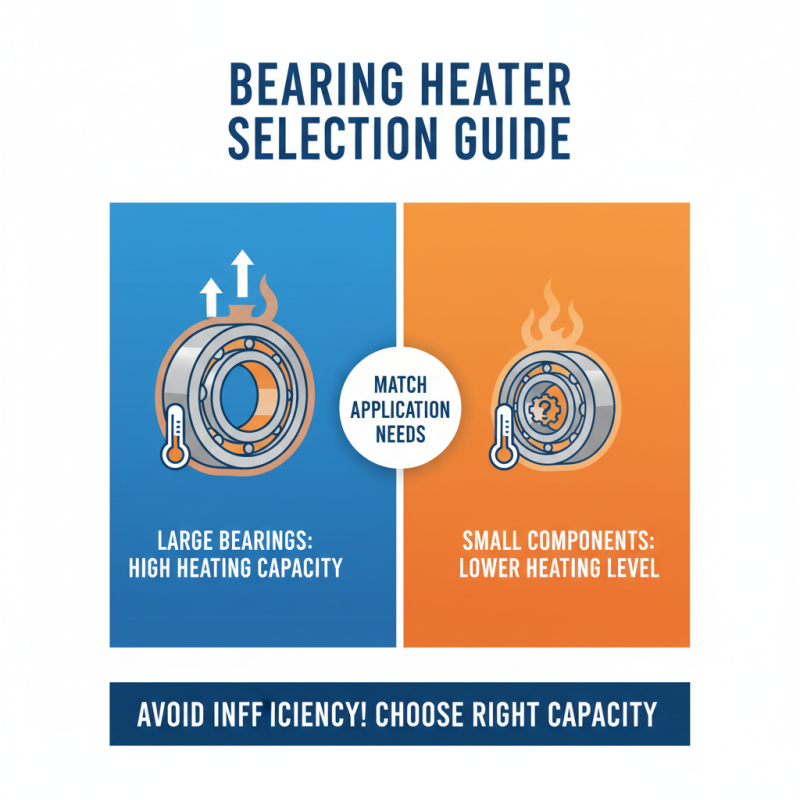
When selecting a bearing heater, there are several key features to consider. One important factor is heating capacity. Different applications require different heating levels. A unit that can efficiently heat larger bearings may not be ideal for smaller components. This mismatch can lead to inefficiencies.

Another feature to think about is temperature control. Precise temperature settings ensure that bearings do not overheat. Overheating can compromise their structural integrity. It’s essential to achieve a balance between effective heating and avoiding damage. The Volcano Bearing Heater, for instance, provides a reliable option to maintain controlled temperatures.

Portability also plays a role. If the heater is heavy and difficult to move, it can hinder maintenance tasks. Workers need to transport equipment easily between locations. Lastly, consider the safety features incorporated. Overheating protection is quite beneficial. It prevents accidents and ensures a safer working environment. Investing time in evaluating these aspects can lead to more efficient maintenance practices.

Top 2026 Bearing Heater Brands and Their Market Performance

2026 Best Bearing Heater Options for Efficient Maintenance?

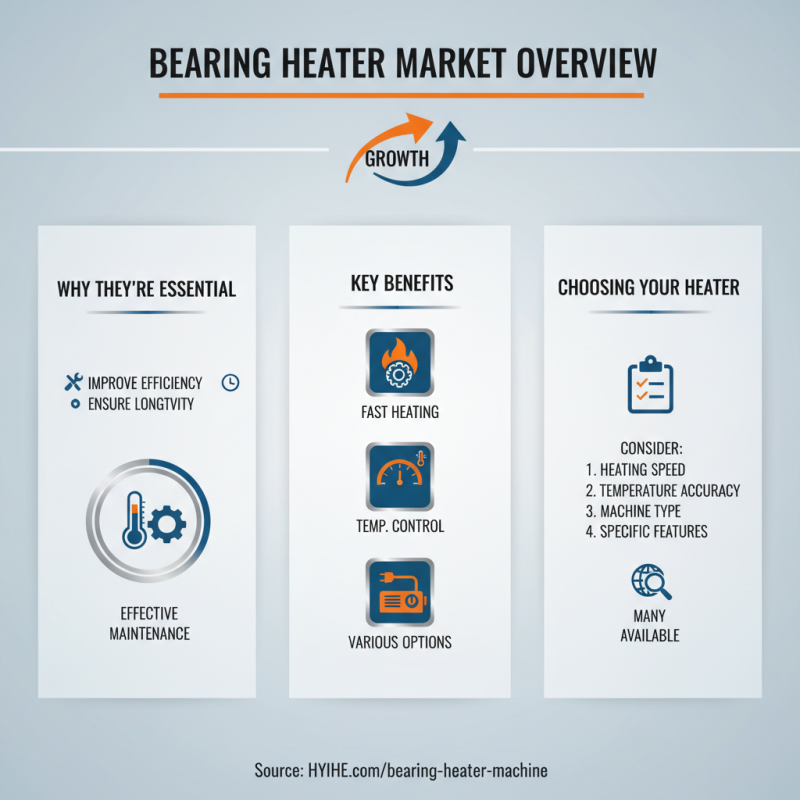
The market for bearing heaters is growing steadily. Many brands offer various options for effective maintenance. These heaters are essential for improving efficiency and ensuring longevity. When selecting a Bearing Heater Machine, consider the specific features you need. Some machines heat quickly, while others provide more control over temperature settings.

The performance of these bearing heater brands varies significantly. Some excel in user-friendliness, while others have advanced features that professionals appreciate. Users often report mixed experiences based on their specific applications. It's essential to research which models fit your maintenance needs best. Reading user reviews can provide valuable insights.

Cost is another factor to reflect on. Many affordable options may lack durability. Investing in a slightly pricier, high-quality Bearing Heater Machine could save more in the long run. However, keep in mind that not every high-priced model guarantees satisfaction. Balancing budget with performance requires careful thought. Selecting the right heating machine can enhance productivity, but the choice isn't always clear.

Safety Standards and Best Practices for Using Bearing Heaters

Using bearing heaters can significantly enhance maintenance efficiency. However, safety standards must be prioritized. According to recent industry reports, improper usage can lead to equipment damage and injuries. It's vital to follow basic safety practices.

For instance, always use a thermometer to monitor temperatures. Optimal heating should not exceed 150°C. Exceeding this limit may damage the bearing. Also, the workspace should be clear. Flammable materials must be kept away. A clean environment minimizes risks.

Training workers is crucial. A poorly trained technician can jeopardize safety. About 30% of maintenance errors stem from insufficient knowledge. Establish clear guidelines for proper heater use. Consider regular workshops to enforce best practices. Implementing these measures can lead to efficient and safe maintenance operations.

Future Innovations: Emerging Technologies in Bearing Heating Solutions

Emerging technologies in bearing heating solutions are revolutionizing industrial maintenance. The traditional methods of heating bearings often involve inefficiencies and risks of damage. Innovative designs are now incorporating advanced materials and smarter controls. These enhancements lead to not only faster processes but also improved safety.

One particularly exciting development is the use of induction heating technology. This method is faster and more controlled compared to older approaches. It allows for precise temperature settings, reducing the risk of overheating. However, the initial investment can be significant, and some may overlook the long-term savings.

Additionally, wireless technology is helping to streamline the monitoring process. Sensors can track temperature and notify operators if anything goes wrong. But, challenges remain. Not all systems are compatible, leading to potential frustrations. Businesses may need time to adapt to these changes. Embracing these innovations requires a shift in mindset and investment, but the potential benefits are substantial.

2026 Best Bearing Heater Options for Efficient Maintenance

Innovative Induction Heaters and Forging Equipment for Precision Axe and Knife Blade Production

Innovative induction heaters and forging equipment have revolutionized the production of precision axe and knife blades. Designed specifically for forging various types of knives, including axes and daggers, this advanced induction heating equipment employs a modular power supply system operating between 500Hz and 6000Hz. This versatility allows for precise control of the heating curve, catering to the unique forging requirements of different metal materials. With this technology, artisans can achieve remarkable results, ensuring that the knife edge is uniformly heated to an impressive instantaneous temperature of 1,200°C.

Additionally, the integration of high-frequency inverter technology enhances the efficiency of the heating process, reducing cycle times and improving overall productivity. The system's capability is complemented by sophisticated temperature modeling software that enables intelligent adjustments to process parameters in real-time. This feature not only enhances the consistency of the forging results but also allows craftsmen to optimize their production techniques based on the specific characteristics of the metals being used. With such advancements, manufacturers can achieve high-quality output, meeting the demands of precision blade crafting with confidence.

FAQS

: What is the main purpose of the product discussed?

: The product aims to improve daily productivity and enhance user efficiency in various tasks.

Who can benefit from using this product?

Anyone seeking to streamline their workflow can benefit, including students and professionals.

How does the product enhance efficiency?

It integrates various tools and features that simplify processes and save time.

Are there any limitations to consider?

Some users might find the learning curve steep initially. Patience is required for full mastery.

Can the product be used on multiple devices?

Yes, it supports various devices, ensuring flexibility for users on the go.

What feedback have users provided?

Many appreciate its design but mention it could be more intuitive to navigate.

Is there any support for new users?

There are tutorials and resources available, but some users desire more streamlined guidance.

How does it compare to other similar options?

Its features are robust, yet it lacks certain advanced functionalities that some competitors offer.

Is the product suitable for all skill levels?

While accessible, beginners might find it challenging at first without prior experience.

What is the price range?

Pricing varies; some find it reasonable, while others feel it may not fit their budget.

Conclusion

The article "2026 Best Bearing Heater Options for Efficient Maintenance" offers a comprehensive overview of the latest advancements in bearing heater technology and trends. It discusses how bearing heaters significantly enhance maintenance efficiency and contribute to cost reduction by allowing for easier installation and removal of bearings. The comparison between electric and induction bearing heaters reveals crucial distinctions that can influence selection based on specific application needs.

Key considerations for selecting a bearing heater include features such as heating capacity, temperature regulation, and safety mechanisms. The article also highlights current safety standards and best practices for utilizing bearing heaters effectively. Looking ahead, it explores future innovations and emerging technologies that promise to further optimize bearing heating solutions, ensuring that maintenance practices are more streamlined and efficient moving into 2026.

Emily

Emily

Emily is a dedicated marketing professional at Dongguan Hongye Intelligent Equipment Technology Co., Ltd. (HYET), a national high-tech enterprise founded in 2005. With extensive knowledge and expertise in Induction Heating Systems, she plays a crucial role in promoting the company's innovative......
Previous Ultimate Solutions for Efficient Gold Melting: Discover the Best Electric Machines