Choosing the right Heat Treat Furnace for your business isn’t something to take lightly. Lately, industry reports have shown that over 70% of manufacturers are mainly focused on keeping costs down, but they still want good quality. A well-selected furnace can really boost your productivity and cut down those operational costs — but I know, it’s not always easy to decide which one’s right for you.
Experts like John Smith, a well-known consultant in the heat treatment world, always say, “Investing wisely in a Heat Treat Furnace can give you a real edge over the competition.” His point is all about making sure the furnace’s capabilities match your unique needs. Sure, those cheaper options might seem tempting at first, but often they’re missing key features or won’t last long.
When it comes to choosing an ODM Heat Treat Furnace, it’s important to weigh all sorts of factors — stuff like the type of furnace, its size, and how energy-efficient it is. From what I’ve seen, overlooking these details can lead to costly downtimes or headaches down the line. So, taking a little extra time to reflect on these things can really help you make smarter, more confident choices.
Understanding the Basics of ODM Heat Treat Furnaces
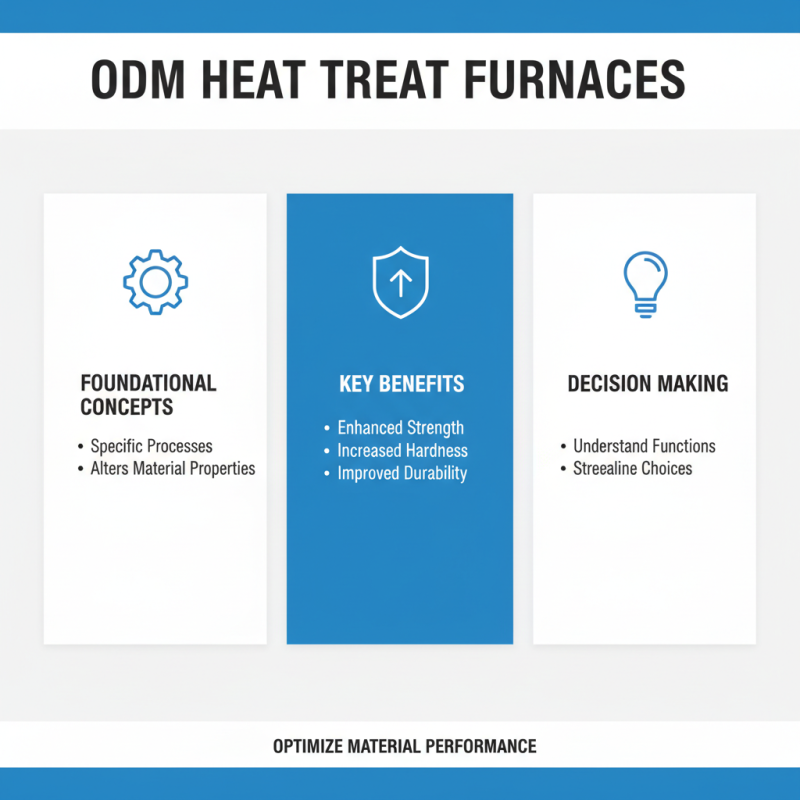
When considering an ODM heat treat furnace, it's essential to grasp the foundational concepts. These furnaces are designed for specific Heat Treatment Processes. They help in altering the physical properties of materials. Such furnaces can enhance strength, hardness, and durability. A deep understanding of these functions can streamline your decision-making process.
Cost can often dictate choices. However, you should not compromise on quality. Cheaper options might lack necessary features. Look for the right specifications. Basic functions include temperature control and safety mechanisms. The Cress Heat Treat Furnace is an example of a well-balanced option, offering essential features at an affordable price. You may need to weigh various models against your unique requirements.
It's crucial to explore the long-term implications of your purchase. Maintenance costs matter. Some affordable furnaces may lead to unexpected expenses down the line. Keep in mind, durability is key. A short-term investment might become a hindrance. Review your potential choices carefully. Create a checklist of must-haves. This can help you avoid future regrets.
Factors to Consider When Choosing an ODM Heat Treat Furnace
When selecting an ODM heat treat furnace, several key factors should be taken into account. Efficiency is paramount. According to industry reports, an efficient heat treat furnace can reduce energy costs by up to 30%. This savings can significantly enhance overall production margins. Examine the energy requirements and operating costs. Choose a furnace that optimizes both to meet your budget.
Another crucial consideration is temperature uniformity. Uneven heating can lead to subpar results. Research suggests that a furnace with a uniform temperature distribution ensures consistent material properties. Look for furnaces that offer advanced control systems to maintain precise temperatures. This will improve product quality and reduce waste.
Additionally, consider the furnace size and capacity. The right size should accommodate your production needs without excessive excess. Data indicates that oversized furnaces can lead to inefficiencies. Balancing size and output is essential. Reflect on the future needs of your operation. Will your production requirements grow? Choose a furnace that can be scaled with your business.
Comparing Prices: Finding Budget-Friendly Options
When looking for a budget-friendly ODM heat treat furnace, price comparison is vital. According to industry reports, prices can vary significantly. A basic furnace might start around $5,000, while more advanced models can exceed $20,000. Many businesses face tight budgets but still require reliable equipment.
Researching different suppliers is crucial. Some manufacturers offer discounts for bulk purchases. Reports suggest that 20-30% of companies missed savings by not exploring multiple options. Geographic location also affects pricing. In regions with more suppliers, competition can lower costs.
However, finding cheap options may come with trade-offs. Lower-priced furnaces might have fewer features. Some may lack advanced control systems. It’s essential to weigh the initial savings against potential long-term costs. Inadequate equipment could lead to higher operational expenses later. An informed decision considers both price and performance for sustainable growth.
Evaluating Efficiency and Performance of Heat Treat Furnaces
When evaluating the efficiency and performance of heat treat furnaces, several key factors should be taken into account. The energy consumption of a furnace plays a significant role in its operational costs. According to industry reports, conventional furnaces can consume up to 40% more energy compared to modern alternatives. This makes it essential to consider energy-efficient models that not only save costs but also contribute to sustainability goals.
Another critical aspect is temperature uniformity. Studies show that uneven heating can lead to inconsistent product quality. A furnace that maintains a uniform temperature of ±10°F can significantly improve the outcome of heat treatment processes. In contrast, a model with wider temperature fluctuations can compromise material properties. It's vital to assess the design and technology used in the furnace to ensure it meets these requirements.
Lastly, maintenance requirements can affect long-term performance. Some furnaces require more frequent servicing, which can increase downtime. Data suggests that well-designed furnaces can reduce maintenance needs by 30%. While seeking cost-effective options, scrutinizing both efficiency and maintenance demands is necessary. A cheap upfront price may lead to higher costs later if these factors are overlooked.
Identifying the Best Suppliers for ODM Heat Treat Furnaces
When selecting ODM heat treat furnaces, it's crucial to identify reliable suppliers. The right supplier can significantly impact your operational efficiencies. Recent industry reports indicate that around 70% of manufacturers prefer local suppliers for faster delivery and better support. This trend suggests a focus on regional partnerships may yield better results for your business.
A report from the Manufacturing Institute reveals that the overall quality of heat treat furnaces is paramount. Inadequately designed furnaces can lead to inconsistency and product failures. Businesses often face challenges when suppliers can't adapt their offerings to specific requirements. For instance, O1 Heat Treat processes may require precise temperature consistency. Not all suppliers meet these standards. Hence, carefully vetting your options is essential.
Cost is another important factor. Many suppliers offer competitive pricing, but at what cost? Cheaper options may compromise quality. Industry statistics show that about 30% of companies experience higher maintenance costs due to poor furnace quality. Short-term savings can lead to long-term issues. Evaluating supplier reviews and seeking testimonials can help mitigate these risks. Don't overlook the importance of detailed supplier assessments.
Comparison of ODM Heat Treat Furnace Costs by Features
Assessing After-Sales Support and Warranty Options
When choosing a cheap ODM heat treat furnace, after-sales support and warranty options are crucial. A solid warranty can save you from unexpected costs. It's essential to understand what the warranty covers. Look for details on parts and labor. A longer warranty period often indicates a manufacturer's confidence in their product.
Tips: Ask about the response time for service calls. Quick support can minimize downtime in your operations. Also, inquire about available training on the S7 Heat Treat. Knowing how to operate the furnace effectively can enhance your production quality.
Consider how accessible the after-sales support is. Some companies may offer online resources or phone assistance. This can be a huge benefit when you face operational issues. Keep in mind, not all companies provide the same level of support. A cheap option might come with hidden costs in the long run if after-sales service is lacking. Reflect on your specific needs to find the best balance between cost and support.
Tips for Maintenance and Longevity of Your Furnace
When operating a heat treat furnace, maintenance is key to its longevity. Regular inspections are essential. Check for wear and tear on components. Look for signs of overheating, such as discoloration. These issues can lead to costly repairs. Always keep an eye on insulation. Damaged insulation can increase energy costs. Ensure seals are intact to maintain efficiency.
For equipment like the D2 Heat Treat furnace, proper cleaning is crucial. Residue build-up can affect performance. Develop a routine cleaning schedule. Use suitable cleaning agents to protect surfaces. Ignoring this may result in reduced efficiency. It’s also important to calibrate thermostats regularly. Inaccurate readings can lead to improper heat treatment.
Invest in training for your team. They should understand the furnace's operation and maintenance needs. Overlooked training can lead to operational mistakes. Document all maintenance activities. This can help in tracking performance over time. A proactive approach can prevent unexpected downtime, extending the life of your furnace.
Market Insights and Efficiency of 10kg, 20kg, and 50kg Electric Induction Melting Furnaces in Ferrous and Non-Ferrous Metallurgy
In the ever-evolving landscape of metallurgy, the efficiency of melting furnaces plays a critical role in enhancing production capabilities for both ferrous and non-ferrous materials. The market for electric Induction Melting furnaces, particularly in the 10kg, 20kg, and 50kg ranges, has seen significant advancements, driven by the demand for high-performance melting solutions. These furnaces utilize advanced electromagnetic induction heating technology, which not only ensures rapid melting times but also promotes energy efficiency and precise temperature control, reaching temperatures of over 1600°C.
The design of these melting furnaces is centered around durability and operational efficacy. Featuring a robust refractory lining, they are engineered for extended service life while minimizing metal oxidation, which is crucial for maintaining the purity of the materials being melted. This advantage is especially important for industries involved in the smelting of steel, copper, brass, and aluminum. As manufacturers continually seek to optimize their processes, the integration of such efficient melting furnaces solidifies their position as indispensable tools in modern metallurgy, where both speed and quality are paramount.
FAQS
: Think about your goals clearly. Define what success looks like. Plan resources carefully.
Break tasks into smaller sections. Celebrate small wins regularly. Set short deadlines to keep pace.
Prioritize your tasks. Focus on one task at a time. Don't hesitate to ask for help when needed.
Use a calendar for organization. Block out specific times for tasks. Avoid multitasking to improve focus.
Many overlook team communication. Others fail to set clear expectations. Reflection is essential for improvement.
Listen carefully to the feedback. Reflect on the points raised. Use it to grow and improve your skills.
Conclusion
Choosing the right ODM Heat Treat Furnace for your business involves understanding its basic functions and specifications. It’s essential to consider various factors such as the furnace’s efficiency, performance, and overall cost, ensuring that you find an option that fits your budget. Comparing different prices will help identify budget-friendly solutions that still meet your operational needs.
Furthermore, evaluating potential suppliers is crucial, as their reliability can significantly impact your purchase. Assessing the after-sales support and warranty options will provide peace of mind regarding maintenance and longevity. Lastly, implementing proper maintenance practices can extend the life of your Heat Treat Furnace, ensuring sustained performance and efficiency in your operations.