request to quote
Leave Your Message
0%

Choosing the right OEM or ODM quenching machinesupplier really makes all the difference when it comes to industrial success. These machines play such a crucial role in Heat Treatment—they’re the key to making sure your metal products reach the right hardness and durability. But let’s be honest, picking the right exporter isn’t always straightforward.

You’ve got to think about a few things—like their experience and reputation. Not all exporters are created equal, and some might offer subpar equipment that could cause all sorts of headaches down the line. Seriously, some companies promise the moon but don’t deliver quality products. So, it’s super important to do your homework before committing.

Take a close look at their past projects, ask for references, and see what other clients have to say. A good exporter will be transparent about how they manufacture their machines and won’t hesitate to share their processes. Just remember, having a huge selection doesn’t automatically mean they’re the best choice. You want someone who understands your specific needs and can even customize solutions if needed—that kind of attention to detail can make a big difference in your operations.
How to Choose an OEM ODM Quenching Machine Exporter for Your Needs?

Understanding OEM and ODM in the Quenching Machine Industry

In the Quenching machine industry, understanding OEM (Original Equipment Manufacturer) and ODM (Original Design Manufacturer) is crucial. OEM focuses on manufacturing based on existing designs. They produce equipment to specifications provided by clients. ODM, on the other hand, designs and manufactures products, offering clients both innovation and production. This model allows companies to introduce unique quenching machines without investing in design.

Recent industry reports indicate that the global quenching machine market is projected to grow by 4.5% annually. This growth highlights the importance of choosing the right partner. Different exporters offer varying capabilities. Some excel in cost efficiency while others prioritize innovative design. A mismatch between needs and capabilities can lead to product delays or quality issues. For instance, using an OEM for a custom design might result in limitations in functionality.

Choosing the right type of exporter can impact long-term partnerships. It’s essential to assess your company's specific needs versus an exporter's strengths. Research shows that 30% of companies face challenges when integrating new technologies. This often stems from a lack of understanding between OEM and ODM roles. A clear strategy can prevent costly mistakes down the road.

Understanding OEM and ODM in the Quenching Machine Industry

Key Features to Consider When Selecting a Quenching Machine Exporter

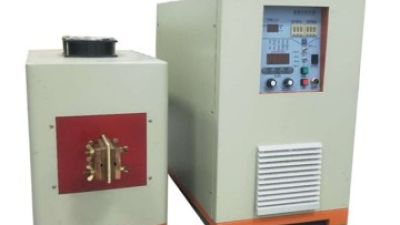
When selecting a quenching machine exporter, focus on key features. One important aspect is the quality of the Induction Quenching Machine. Check how well it meets industry standards. Quality assurance processes should be transparent and trustworthy. A reliable exporter usually provides test reports. This shows their commitment to high performance.

Consider the exporter’s experience. It reflects their ability to understand your needs. Long-standing companies often have valuable insights into market trends. Look for their client portfolio too. It should include various industries to display versatility. Engaging with their past clients can offer firsthand information.

Another crucial factor is customer support. You may encounter issues post-purchase. An accessible support team can ease your worries. Seek exporters who offer training programs for users. These programs enhance the machine's efficiency and lifespan.

Tips: Always request a demo. This can reveal the machine's operational efficiency. Use trial runs to gauge performance as well. Don't hesitate to ask questions during the process. Be open to suggestions, but also trust your instincts.

Evaluating the Reputation and Experience of Exporters

When selecting an OEM ODM quenching machine exporter, evaluating their reputation is critical. Research online reviews and testimonials. Look for feedback from previous clients. A strong reputation often indicates reliability and quality. Consider how long the exporter has been in the industry. Experience can suggest better expertise and advanced technology.

Check for certifications and industry affiliations. These credentials may reflect the exporter's commitment to quality. However, not all exporters promote their achievements. Dive deeper into their history. Has the exporter faced any major issues in the past? Past mistakes can provide insight into their response to challenges. Talk to industry peers for personal recommendations and insights.

While reputation is vital, it is not the only factor. Sometimes exporters may present an impressive facade. Investigate their production processes and quality control measures. Transparency in operations can reveal much about their practices. Don't shy away from asking tough questions. A hesitant response could be a red flag. Aim to find a balance between a strong reputation and genuine engagement.

Assessing Quality Control Measures in OEM ODM Production

When selecting an OEM ODM quenching machine exporter, focusing on quality control measures is essential. A good exporter will have robust quality assurance processes in place. Look for exporters that prioritize testing during production. Regular inspections are key to identifying defects early. This ensures that the final product meets standards.

Tips: Ask about their quality certification. This could reveal a lot about their processes. Also, request samples of their previous work. Inspect these samples closely to gauge their commitment to quality.

An effective exporter should be transparent about their practices. They should detail how they manage materials and processes. A focus on quality should lead to better products, like the High Frequency Quenching Machine. However, some exporters might cut corners to save costs. Reflect on the long-term implications of choosing a cheaper option. Quality may suffer, leading to increased expenses down the line.

Understanding Export Regulations and Compliance for Quenching Machines

How to Choose an OEM ODM Quenching Machine Exporter for Your Needs?

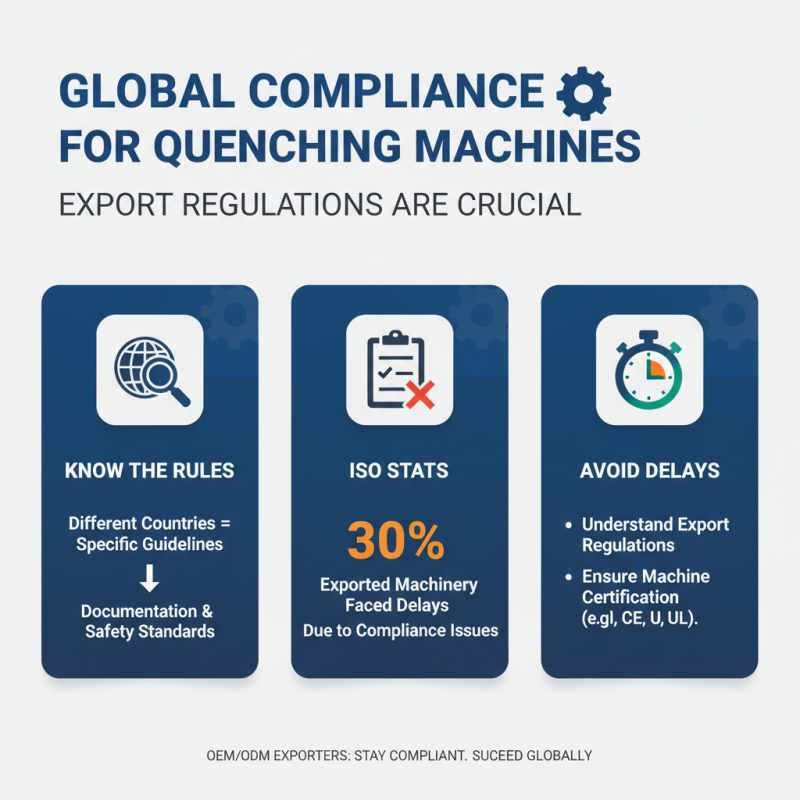
When selecting an OEM ODM quenching machine exporter, understanding export regulations is crucial. Different countries impose specific guidelines on machinery exports, affecting documentation and safety standards. For instance, the International Organization for Standardization (ISO) reported that 30% of exported machinery faced delays due to compliance issues.

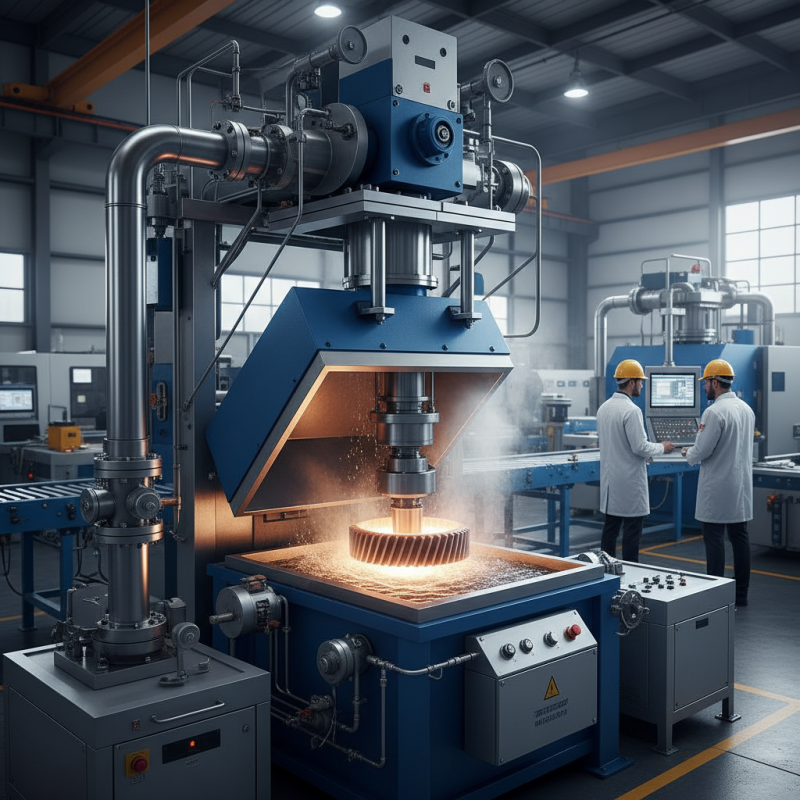
Ensuring your quenching machine, especially for Oil Quenching processes, meets these standards is vital. Check for certifications relevant to your targeted market. Even minor regulation lapses can lead to significant complications. Always research local laws before finalizing your exporter choice.

Tip: Start early. Allow ample time for compliance checks. This can prevent unforeseen delays. Also, stay updated on changing regulations. What might be compliant today can shift tomorrow.

Another consideration is the technical specifications of the machine. Different countries have varying requirements for efficiency and performance. For Oil Quenching machines, performance criteria should align with both your applications and local market demands. Many exporters may not provide clear documentation, leading to confusion.

Tip: Ask for detailed technical data. A lack of clarity can affect your decision. If the documents seem insufficient, consider looking elsewhere. It’s better to be thorough than to face issues post-purchase.

Comparing Pricing and Value Offered by Different Exporters

How to Choose an OEM ODM Quenching Machine Exporter for Your Needs?

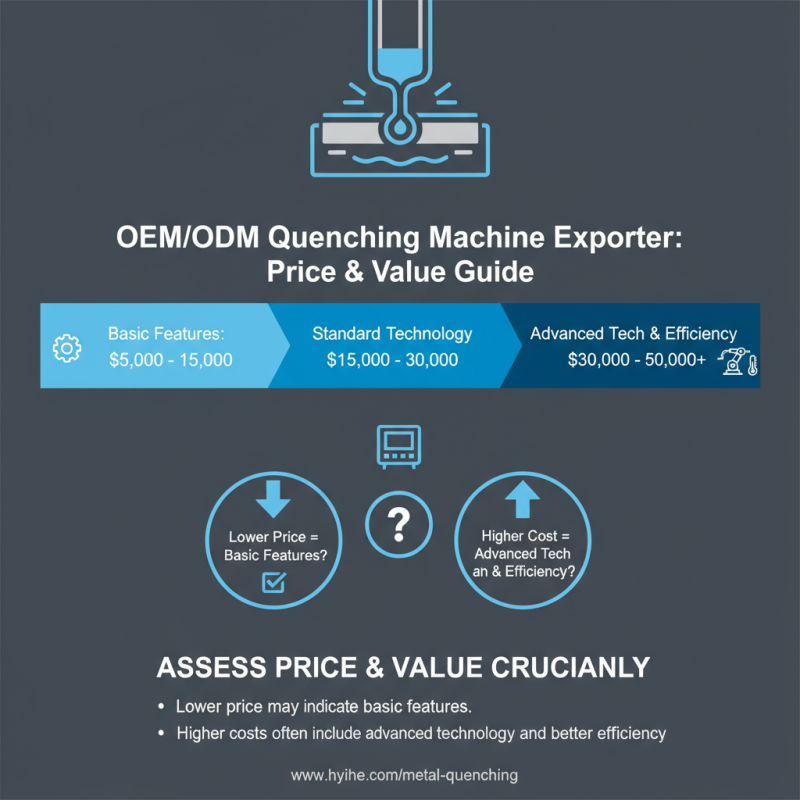
When selecting an OEM ODM quenching machine exporter, pricing and value should be top of mind. Reports suggest that pricing for Metal Quenching machines can vary widely, ranging from $5,000 to $50,000 depending on specifications and technology. It’s crucial to assess what you’re actually getting for the price. A lower price may indicate basic features, while higher costs often include advanced technology and better efficiency.

Consider the return on investment (ROI) as well. A study by Manufacturing Insights highlights that companies investing in high-quality quenching machines experience a 30% increase in production efficiency. However, not all exporters deliver what they promise. Sometimes, lower-tier exporters may quote enticing prices but lack essential after-sales support. That support is critical, especially when dealing with complex Metal Quenching processes.

Evaluate exporters carefully. Look for case studies and customer reviews. These insights can reveal the practical value of what different exporters offer. A trusted partner will not only provide a machine but also contribute ongoing guidance on optimizing metal quenching processes. Remember, the cheapest option may not provide the best value over time.

Identifying After-Sales Support and Service from Exporters

When selecting an OEM ODM quenching machine exporter, after-sales support is crucial. Many manufacturers overlook this aspect, but it can make or break your experience. According to industry reports, around 30% of buyers report dissatisfaction due to inadequate support. Therefore, it is important to assess the level of assistance you can expect after your purchase.

Look for exporters who offer comprehensive training programs. These can help your team operate the equipment efficiently. Additionally, check if they provide ongoing technical support. Research shows that 40% of companies experience downtime due to lack of guidance. An exporter that offers easy access to troubleshooting resources can significantly reduce this issue.

Warranty and service contracts also matter greatly. Nearly 25% of exporters do not honor their commitments on these services. Read the fine print carefully. Understand what is included and what is not. It’s better to clarify upfront. This can prevent unexpected costs and frustrations later on. A reliable exporter should be transparent about their capabilities and limitations. They should also be willing to discuss how they can assist you during the lifespan of the machine.

How to Choose an OEM ODM Quenching Machine Exporter for Your Needs?

Criteria Importance Level Description
After-Sales Service High Availability of technical support and service after installation.
Response Time Medium The time taken by the exporter to respond to inquiries and issues.
Spare Parts Availability High Ease of obtaining replacement parts and components.
Warranty Terms High Length and conditions of warranty provided for the machines.
Training Programs Medium Availability of training for operational staff after the sale.
Customer Feedback Medium Reviews and testimonials from previous customers regarding support.
Local Representation Low Presence of a local office or representative for immediate support.
Technical Documentation High Availability of manuals, troubleshooting guides, and technical support documents.

Enhancing Metal Treatment Efficiency: Insights from Industry Reports on Induction Heating Technology for Ferrous Materials

Induction Heating technology has emerged as a game-changer in the metal treatment sector, particularly for ferrous materials. According to industry reports, the demand for precise heating and quenching processes has spurred considerable advancements in induction heating systems, specifically designed for small ferrous metal components. These advanced induction heaters offer unparalleled efficiency, allowing manufacturers to achieve optimal thermal profiles essential for enhancing material properties and improving production workflows.

The latest efficiency metrics highlighted in industry analyses suggest that modern induction heating solutions can increase heating speed by up to 50%, significantly reducing cycle times in processing. This technology not only supports higher production rates but also diminishes energy consumption, providing a more sustainable method for treating metals. Furthermore, the targeted approach of induction heating minimizes wasted energy and ensures even heating across components, which is crucial for achieving consistent quality in final products.

As manufacturers increasingly prioritize both efficiency and quality, the integration of high-efficiency induction heating machines into production lines is becoming more prevalent. These systems are particularly advantageous for industries requiring meticulous attention to detail, such as automotive and aerospace, where the mechanical properties of small ferrous components are critical. By leveraging the insights and data from recent industry reports, organizations can make informed decisions about adopting these cutting-edge technologies to enhance their metal treatment processes.

FAQS

: What is the purpose of the product?

: The product aims to enhance daily productivity and improve overall well-being.

How do I use the product effectively?

Follow the provided instructions. Start slowly to adapt. Observe your body’s response carefully.

Can anyone use this product?

Most people can use it. However, specific health conditions may require caution. Consult a professional for advice.

What should I do if I experience discomfort?

Stop using the product immediately. Reassess your usage. It’s important to listen to your body.

How long does it take to see results?

Results vary from person to person. Some notice changes within weeks; others may take longer.

Are there any side effects?

Some users report mild side effects. If they persist or worsen, seek advice from a healthcare professional.

Can I use it with other products?

It is possible, but monitor how your body reacts. Compatibility may not be guaranteed.

What if I forget to use it?

It’s okay to miss a day. Just resume your routine the next time. Consistency is important, though.

How should I store the product?

Keep it in a cool, dry place, away from direct sunlight. Proper storage helps maintain its effectiveness.

Is there a return policy?

Check the guidelines carefully. Some places offer returns; others may have stricter rules. Understand the terms.

Conclusion

When choosing an OEM ODM quenching machine exporter, it is crucial to understand the differences between OEM (Original Equipment Manufacturer) and ODM (Original Design Manufacturer) in the quenching machine industry. This knowledge will guide you in selecting an exporter that aligns with your production needs. Key features to consider include the exporter's reputation, experience, and the quality control measures they implement during production. Additionally, it's important to scrutinize compliance with export regulations specific to quenching machines.

Evaluating pricing and the value offered by various exporters is essential to ensure you receive competitive and fair deals. Also, after-sales support can play a significant role in your satisfaction with the purchase, so consider the level of service provided by each exporter. By carefully assessing these factors, you can make a well-informed decision that meets your operational requirements for quenching machines.
Ethan

Ethan

Ethan is a dedicated marketing professional at Dongguan Hongye Intelligent Equipment Technology Co., Ltd. (HYET), a national high-tech enterprise established in 2005. With an outstanding expertise in induction heating systems, he plays a crucial role in bridging the gap between technology and its......
Previous Ultimate Solutions for Efficient Gold Melting: Discover the Best Electric Machines