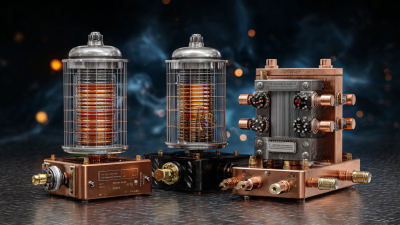
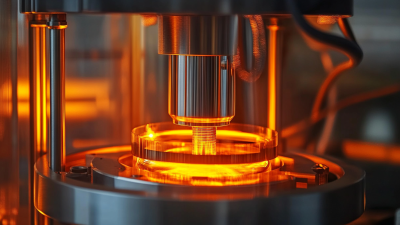
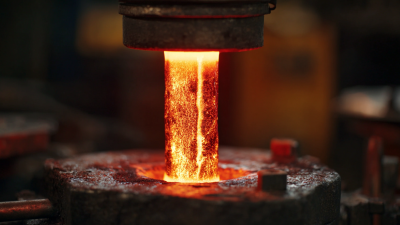
Finding a CE-certified Hot Rod Induction Heater can actually be quite a hassle. A lot of folks are on the lookout for something that's budget-friendly but still reliable—trust me, nobody wants to sacrifice quality. The certification basically guarantees that the product plays by European safety rules, which is pretty important if you want to use it without worries.
Here's the thing—it's really worth shopping around and comparing different sellers. Some might offer CE certificates at a lower price, but you gotta be cautious because they’re often not upfront about the details. Watch out for hidden fees, too! Browsing through online forums can actually give you a good heads-up—people love sharing their experiences with various sellers, so you can learn from their wins and slips.
And hey, don’t hesitate to reach out directly to the manufacturers. Ask questions about the CE certification—sometimes they’ll even send you documentation for free. But, and this is important, always double-check what they send. A small mistake or a misleading claim could cause safety problems later on. So yeah, chasing after a cheaper, certified Hot Rod Induction Heater takes some effort and critical thinking—just stay sharp and keep asking questions.
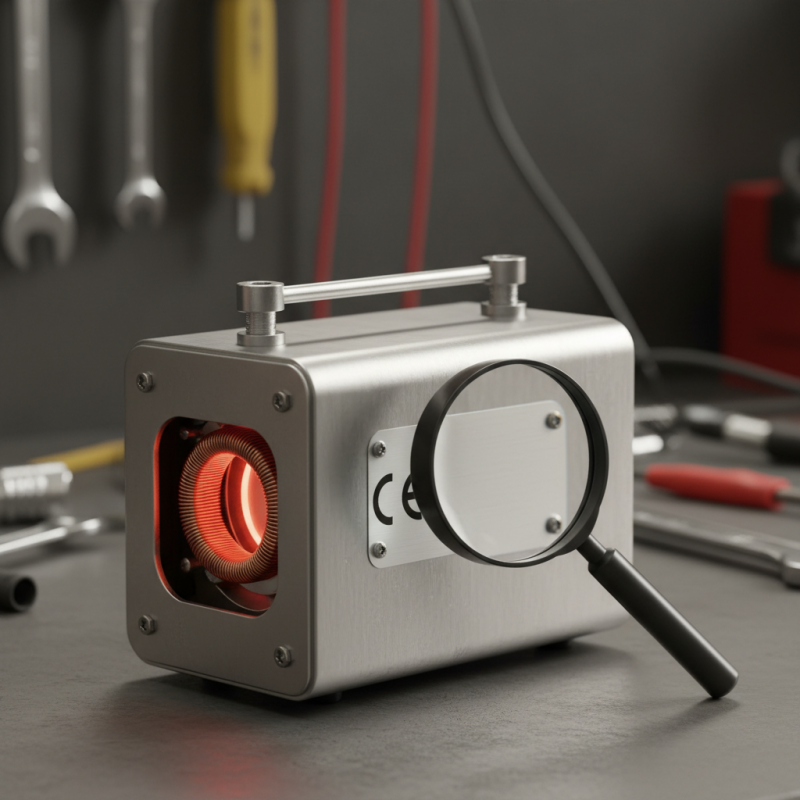
How CE Certification Impacts Hot Rod Induction Heater Market Value
CE certification plays a crucial role in the hot rod induction heater market. This certification assures customers that the equipment meets safety and performance standards. A recent industry report highlighted that products with CE marking enjoy a 30% higher market value. This is significant for those seeking affordable solutions like the Hot Rod Bolt Heater.
The impact of CE certification extends beyond mere compliance. It builds trust among consumers. In a competitive market, trust can lead to increased sales. Industry analysis shows that approximately 70% of consumers prefer products with recognized certifications. However, companies may overlook the nuances of compliance, leading to costly missteps. Achieving CE certification can be complex, potentially deterring some manufacturers.
Moreover, the challenge lies in balancing cost and quality. Some manufacturers might seek cheaper certification paths. This can lead to subpar products flooding the market. As a result, consumers often face inconsistencies in product performance. With the rise of online purchasing, one misstep can tarnish a brand's reputation. Industry data suggests that maintaining quality while ensuring CE compliance is not just a best practice—it’s essential for long-term success in the hot rod induction heater market.
Understanding CE Certification Requirements for Electrical Devices
CE certification is essential for electrical devices to ensure safety and compliance. The CE mark indicates that a product meets European Union standards. For hot rod induction heaters, understanding these requirements is crucial. This can be a complex process that requires attention to detail.
Manufacturers need to follow directives like the Low Voltage Directive (LVD) and the Electromagnetic Compatibility (EMC) Directive. These mandates ensure that devices operate safely under specified conditions. According to a report by the European Commission, about 80% of non-compliance cases arise from inadequate testing and documentation. This emphasizes the importance of proper certification.
Acquiring CE certification doesn't have to be overly expensive. Many manufacturers adopt cost-effective strategies, which can include using local testing labs or sharing resources with other companies. However, cutting corners can lead to serious repercussions. Inadequate certification can result in legal actions and product recalls. Investing in proper certification is crucial for long-term success. The data clearly shows that compliant products enjoy higher market trust and ultimately better sales.
How to Find CE Certification for Cheap Hot Rod Induction Heater? - Understanding CE Certification Requirements for Electrical Devices
| Feature | Details |
| Certification Type | CE Certification |
| Applicable Standards | Low Voltage Directive, Electromagnetic Compatibility Directive |
| Testing Requirements | Safety tests, EMC tests, Performance tests |
| Documentation Needed | Technical file, Declaration of Conformity, Test reports |
| Cost of Certification | Varies based on testing requirements, typically ranges from $1,000 to $5,000 |
| Timeframe for Certification | 4 to 12 weeks depending on complexity |
| Importance of Certification | Legal requirement for selling in the EU market, ensures safety and compliance |
| Finding Certification Help | Consult with notified bodies or certification consultants |
Cost Factors in Obtaining CE Certification for Induction Heaters
When seeking CE certification for an Induction Rod Heater, it’s important to consider various cost factors. Fees can vary widely based on testing requirements. Certification may involve electrical safety, electromagnetic compatibility, and efficiency tests. These tests ensure that the heater meets European safety standards. Understanding these aspects can help you budget effectively.
The complexity of the design also influences costs. A simple design typically requires less testing. However, an intricate model might face unexpected hurdles. It's crucial to have a clear understanding of your product specifications. This clarity can help avoid costly redesigns later. Sometimes, working with a consultant can provide insights but may add to initial expenses.
Finding cost-effective testing facilities can be challenging. Some labs may offer lower prices but lack proper accreditation. Researching multiple options can yield better pricing. Additionally, consider the time frame for certification. Rushing through the process could lead to mistakes and increased costs. Engaging in detailed planning is essential for a successful CE certification journey for your Induction Rod Heater.
Steps to Verify CE Compliance for Hot Rod Induction Heaters
Verifying CE compliance for a hot rod induction heater is crucial for safety and market acceptance. Start by checking for CE marking on the device. This mark indicates compliance with European health and safety standards. According to industry reports, roughly 80% of importers fail to verify this certification, risking penalties and safety hazards.
Next, review the documentation provided by the manufacturer. Essential documents include the Declaration of Conformity and technical file. These should detail the standards met. If this information is missing, consider it a red flag. Always request supporting documents before purchasing. The cost of compliance-related issues can rise significantly, affecting your bottom line.
Tip: Reach out to manufacturers directly. Ask about testing procedures and certifications. Many companies provide transparency, which can help you assess their credibility.
Always be cautious. Some suppliers may offer
low prices but lack compliance documentation. This can lead to long-term issues. Investing in a compliant hot rod induction heater is not just about initial costs. Prioritizing safety can prevent costly problems down the line.
Comparing Certification Costs Across Various Induction Heater Brands
When it comes to induction heaters, certification costs can vary widely. Many brands offer CE certification, which is essential for compliance in European markets. Research shows that the average cost for obtaining this certification can range from $1,500 to $5,000. This notably depends on the brand's testing procedures and the complexity of the product.
Some brands may include certification fees in the product price, making it challenging for consumers to compare costs directly. Buyers should consider certification as part of the total cost of ownership. Industry data indicates that consumers who pay less often face hidden costs later, such as potential fines or the need for retesting. It's essential to analyze these elements carefully.
Additionally, considering the overall durability and efficiency of the heater is crucial. A cheaper heater might pass initial tests but could lack sustainability and require frequent repairs. Exploring customer reviews and service histories can uncover this information. This insight can help prospective buyers make informed decisions regarding the trade-offs between initial costs and long-term reliability.
Benefits of Affordable CE Certified Induction Heaters for DIY Enthusiasts
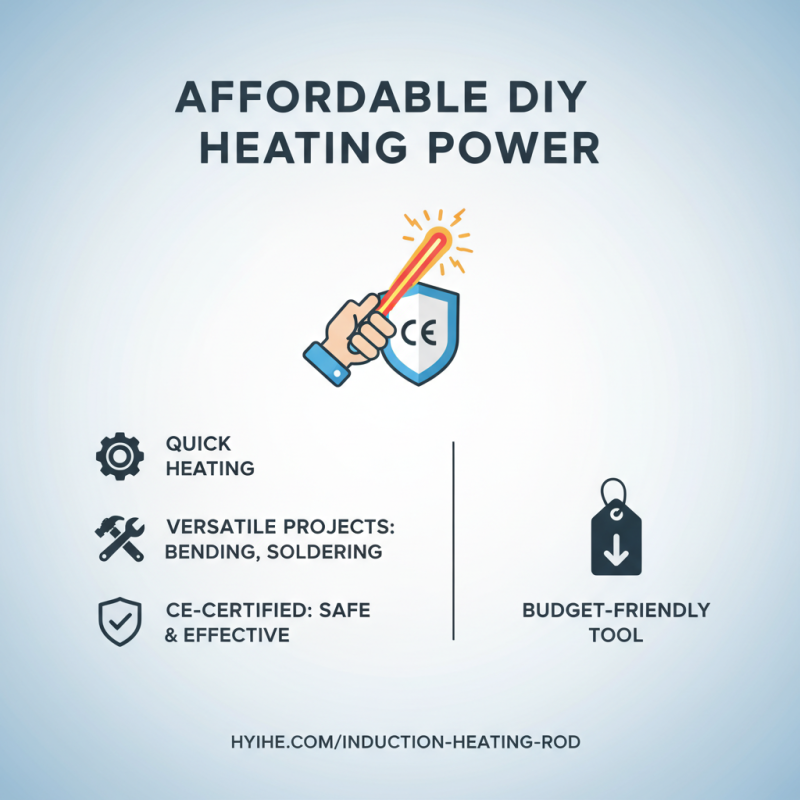
DIY enthusiasts often seek affordable tools that enhance their projects. An affordable CE certified Induction Heating Rod offers both effectiveness and safety. These heaters allow users to heat metal quickly. They can be used for various tasks, from bending metal to soldering components. The versatility of these tools makes them a favorite among hobbyists. However, finding a cheap option can sometimes feel overwhelming.
Investing in a certified product ensures compliance with safety standards. This is crucial when working with devices that involve heat. Low-cost options are often tempting, but they may lack proper certification. This could pose risks during use, leading to safety hazards. It’s important to carefully research and compare products. Online forums can provide valuable insights. Reviews often highlight both benefits and drawbacks. User feedback can reveal details about performance and durability.
While searching for the perfect Induction Heating Rod, consider its features. Look for heating speed and temperature range. Not every affordable option will meet your needs. Test it out if possible, to gauge its efficiency. Understanding these specifics will inform your purchase decision. Balancing cost and quality requires thought. Each choice contributes to the overall effectiveness of your DIY projects.
Top Resources for Finding Budget-Friendly CE Certification Services
Finding affordable CE certification services for hot rod induction heaters can be challenging. Many businesses are overwhelmed with options. However, there are effective strategies to locate budget-friendly solutions. Start by exploring online platforms dedicated to certification services. These sites often list various providers, along with their pricing and offerings. You can gain insights into which companies provide quality services at competitive rates.
Networking within industry forums and groups can also be beneficial. Engaging in discussions can lead to recommendations from professionals who have gone through the certification process. Be sure to ask specific questions about their experiences. This feedback can help you avoid costly mistakes. Additionally, some independent consultants offer CE certification guidance for a lower price. They may have useful contacts and shortcuts that streamline the process.
As you navigate these resources, remember that the cheapest option is not always the best. Some cheaper services might lack thoroughness. Take your time to vet providers. Look for testimonials or case studies. Aim for a balance between cost and reliability. Keep an open mind and be prepared to adapt your strategy based on the feedback you receive.
Innovative Solutions: Choosing the Right Induction Furnace for Efficient Melting of Iron Scrap and Non-Ferrous Metals
Induction furnaces have revolutionized the melting of iron scrap and non-ferrous metals, offering unparalleled efficiency and precision. The latest advancements in this technology, including a 10kg-50kg electric Induction Heating Furnace, showcase the ability to smelt not just steel but also copper, brass, and aluminum with high efficacy. According to industry reports, the global market for induction furnaces is projected to grow at a CAGR of 5.5% from 2022 to 2030, largely due to their increasing adoption in foundries and recycling plants.
The core of the furnace's performance lies in its use of electromagnetic induction heating technology. This method allows for rapid melting speeds, significantly reducing processing times. Reportedly, these furnaces can reach temperatures exceeding 1600°C, facilitating efficient melting processes while maintaining energy efficiency. The durable refractory lining included in the design contributes to an extended service life of the furnace and minimizes metal oxidation, thus preserving the purity of the materials being processed.
Additionally, the precise temperature control offered by these induction furnaces is crucial in modern metalworking applications. Studies indicate that accurate thermal management can enhance the mechanical properties of the melted metals, leading to superior quality end products. As industries strive for sustainability, the compact design and energy-efficient operations of induction furnaces make them a preferred choice for modern melting solutions.
FAQS
: Physical activity improves health, boosts mood, and increases energy levels. It can also promote better sleep.
Aim for at least 150 minutes of moderate exercise weekly. This can include activities like brisk walking or cycling.
Walking, stretching, and bodyweight exercises are great for beginners. They help build a solid fitness foundation.
Set realistic goals and track your progress. Exercising with a friend can also increase motivation and accountability.
Working out in a group can be more motivating. However, some prefer solo workouts for personal reflection.
Stop the activity immediately. Listen to your body. It’s essential to consult with a professional if pain persists.
Short bursts of activity can fit in throughout the day. Try walking during lunch breaks or taking the stairs.
Overexerting too soon can lead to injuries. Skipping warm-ups and cool-downs is also a common oversight.
Yes, especially if you have underlying health conditions. It’s better to ensure a safe start to your fitness journey.
Conclusion
The article "How to Find CE Certification for Cheap Hot Rod Induction Heater?" explores the importance of CE certification in enhancing the market value of Hot Rod Induction Heaters. It delves into the specific requirements for electrical devices to achieve this certification and highlights the various cost factors involved in the certification process. By examining steps to verify CE compliance, readers can ensure that their Hot Rod Induction Heaters meet necessary standards while also discovering how to compare certification costs across different brands.
Additionally, the article discusses the advantages of affordable CE certified induction heaters for DIY enthusiasts, emphasizing the potential for cost savings without compromising quality. It also provides valuable resources for locating budget-friendly CE certification services, making it easier for individuals and businesses alike to navigate the certification landscape and find economical options for their Hot Rod Induction Heaters.