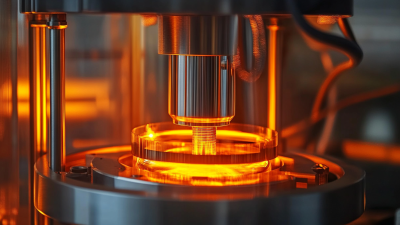
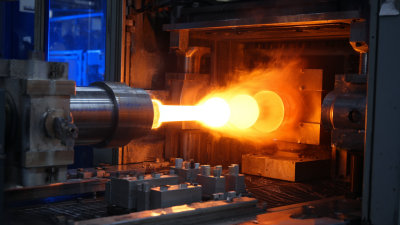
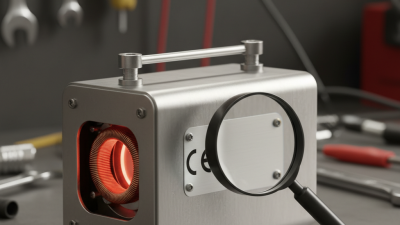
Magnetic Induction Heaters are really catching on across different industries these days. Basically, they use electromagnetic fields to heat up conductive materials directly—no fuss, no mess. It’s pretty efficient, too, because you can target specific spots without worrying about overheating everything around them. Plus, they turn electrical energy into heat super quickly, which is a huge timesaver.
Lots of manufacturers, like Inductoheat, are jumping on this bandwagon, showcasing just how fast and precise these tools can be. People really love that they can heat stuff up in a flash. That said, it’s not perfect—some metals respond better than others, so you might need to tweak things a bit to get the best results.
As industries keep evolving, the need for smarter, more efficient heating options keeps growing. Magnetic induction heaters show a lot of promise here, but there's still work to be done. Researchers are continuously working to improve their performance and widen their applications. Overall, things look pretty promising for the future, but it’s important to address the current hiccups along the way.
Definition of Magnetic Induction Heater
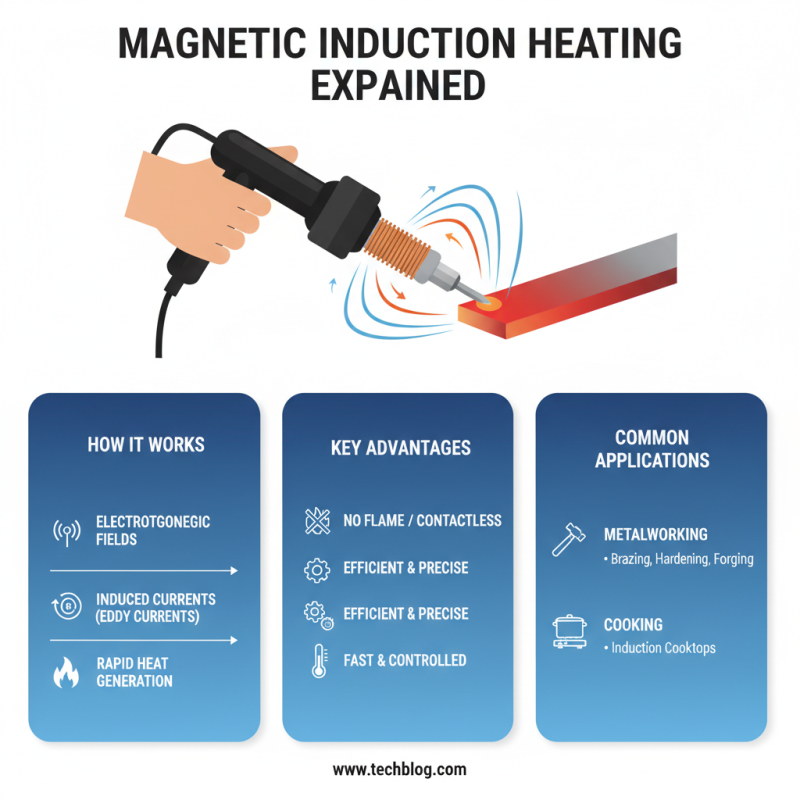
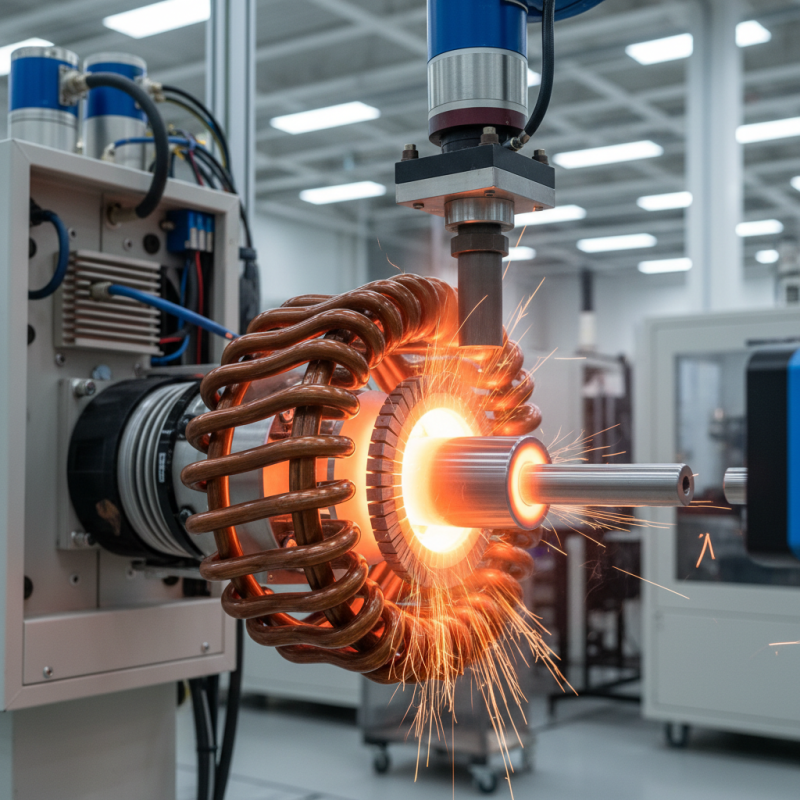
A magnetic induction heater is a device that uses electromagnetic fields to generate heat. This technology heats conductive materials without flame or direct contact. The process involves creating a magnetic field that induces electrical currents in the metal object, causing it to heat up rapidly. This method is efficient and precise, making it suitable for various applications, such as metalworking and cooking.
Using a Magnetic Induction Heater Toolhas its advantages. One major benefit is energy efficiency. The heat is generated directly in the metal, minimizing wasted energy. However, not all materials are suitable for Induction Heating. Non-conductive materials will not respond, which limits potential uses.
Tip: Always check the compatibility of your materials before use. Testing on small samples can prevent costly mistakes.
While magnetic induction heaters are often praised for their speed and efficiency, they can also pose challenges. The setup may require specific equipment and knowledge. Additionally, safety precautions should be taken, as surfaces can become extremely hot.
Tip: Invest in proper protective gear. This helps ensure safety while working with high temperatures.
Principle of Magnetic Induction Heating
Magnetic induction heating is an innovative technology. It uses electromagnetic fields to heat conductive materials. This method is efficient and offers precise control over temperature. The core principle lies in generating eddy currents. When an alternating magnetic field passes through a conductor, it induces these currents. As a result, the conductor heats up through resistance. This heating process is rapid and direct.
One benefitof magnetic Induction Heating Is its speed. It heats objects almost instantly. However, not all materials respond well.Non-metallic materials don't work in this technology. It's essential to choose the right materials for effective heating.
Tips for using magnetic induction heaters include ensuring proper alignment. Improper alignment can lead to uneven heating. Start with lower power settings to avoid overheating. Also, remember that safety is paramount. Always wear protective gear when operating these devices. Misunderstanding the equipment can lead to accidents. Stay cautious and informed.
Components of a Magnetic Induction Heater
Magnetic induction heaters have gained significant attention in industrial applications. They operate on the principle of electromagnetic induction to heat conductive materials. The efficiency of these heaters is a key advantage. According to a report from the Institute of Electrical and Electronics Engineers, induction heating can be up to 90% efficient. This is much higher than conventional heating methods.
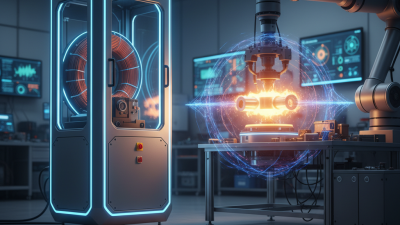
The core components of a magnetic induction heater include the induction coil, power supply unit, and a workpiece. The induction coil generates a changing magnetic field. This field induces an electric current in the workpiece. The power supply unit converts electrical energy into a suitable form. It often includes advanced circuitry for precise control. These components work in harmony to create a reliable heating solution.
However, challenges persist in optimizing the design. For instance, the choice of materials can impact performance. Some coils may overheat, reducing efficiency. Additionally, not all workpieces respond equally to induction heating. Each type of metal has unique characteristics that affect heating efficacy. Understanding these nuances is essential for maximizing the benefits of induction heaters.
What is a Magnetic Induction Heater and How Does It Work? - Components of a Magnetic Induction Heater
| Component | Function | Material Used | Common Applications |
| Induction Coil | Generates a magnetic field to heat conductive materials | Copper or Aluminum | Metal hardening, cooking applications |
| Power Supply | Converts AC to DC and controls the frequency and power output | Silicon or other semiconductor materials | Industrial heating processes |
| Cooling System | Maintains optimal operating temperature of The Induction Heater
| Aluminum or Copper for heat exchangers | Preventing overheating in continuous operations |
| Control System | Manages the operation and settings of the heater | Microcontroller or PLC | Automated heating processes in manufacturing |
How Magnetic Induction Heaters Generate Heat
Magnetic induction heaters are an innovative technology transforming how we generate heat. They operate based on electromagnetic induction. This process heats conductive materials directly without needing a flame. Instead, coils create a magnetic field that induces current in the metal, producing heat.
Research shows that magnetic induction heating can be up to 90% efficient. This efficiency minimizes energy waste, making it more sustainable than traditional heating methods. For example, a Magnetic Induction Bolt Heater can heat components quickly and uniformly, reducing wait times significantly. Some industry reports suggest a reduction in heating time by as much as 75%. This efficiency also contributes to lower operational costs.
Despite these advantages, there are challenges. The initial investment in induction heating technology can be high. Some users report a learning curve in operation. Effective temperature control is crucial, as overheating can damage materials. The technology requires careful attention to detail to ensure optimal performance. These factors highlight the need for ongoing development in the sector.
Applications of Magnetic Induction Heating Technology
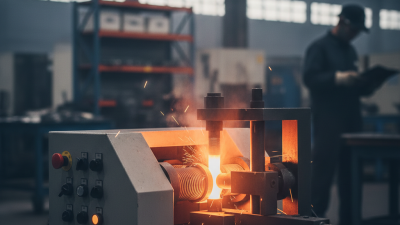
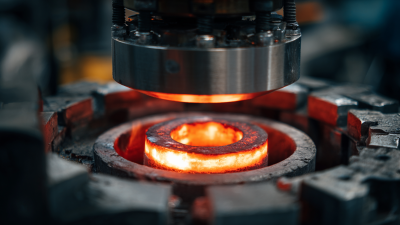
Magnetic induction heating technology has found diverse applications across various sectors. One common use is in the automotive industry. Here, it helps in heating metal parts for faster assembly. It is efficient and reduces production time. This method allows manufacturers to achieve precise heating, minimizing waste and energy costs.
Another remarkable application is in cooking appliances. Induction cooktops use this technology to heat pots and pans directly. The result is rapid cooking with less energy. However, not all cookware is compatible. Users must be aware of the materials that work effectively with induction heating.
Tips: Always check the cookware compatibility before use. Consider experimenting with different recipes to maximize efficiency. In workshops, this technology improves safety by reducing the risk of burns. Electric induction heating shows promise in medical equipment sterilization too.
Reflecting on these applications, there are hurdles. For instance, the initial cost of
Induction Heating Systems can be high. Some small businesses may hesitate to invest. However, the
long-term savings and efficiency often outweigh these initial concerns. Understanding these aspects is crucial for making informed decisions.
Advantages of Using Magnetic Induction Heaters
Magnetic induction heaters are gaining traction in various industries. They offer several advantages that make them preferable for heating applications. One significant benefit is energy efficiency. Magnetic induction heaters convert energy directly into heat. This process minimizes heat loss, enabling quicker heating times.
Another advantage is safety. Traditional heating methods often involve open flames, which can pose risks in certain environments. Magnetic induction heaters operate without direct flames, reducing potential hazards. The technology also allows for precise temperature control, helping manufacturers achieve consistent results.
However, there are challenges. Initial costs for implementing a Magnetic Bolt Heater can be high. Not every setup suits this technology. Some users may face a learning curve when switching to magnetic heating solutions. It's crucial to weigh these factors carefully.
Exploring the advantages of magnetic induction heating can lead to long-term benefits.
Safety Considerations in Magnetic Induction Heating
Magnetic induction heating is efficient, but safety must always come first. When using a Magnetic Bearing Heater, operators should be aware of the heat generated. This technology can easily reach high temperatures, which poses a burn hazard. Wearing appropriate protective gear is essential. Gloves and goggles should be standard when working around such equipment.
Proper ventilation is another key factor. Induction heating can produce fumes, especially when dealing with certain materials. Using the heater in a well-ventilated space helps mitigate inhalation risks. Additionally, operators should monitor the equipment for any signs of malfunction. Regular checks can prevent accidents that might occur due to overheating.
It’s also important to ensure the workspace is free of flammable materials. Unattended equipment is a common risk, so never leave the Magnetic Bearing Heater running without supervision. Regular training on safe operation can make a significant difference. Incorporating these safety measures ensures a smoother experience and reduces potential hazards. Awareness and caution cannot be overstressed.
FAQS
: Items range from electronics to home goods. You might find gadgets, furniture, and household supplies.
Check user reviews and ratings. Look for detailed descriptions and images before purchasing.
Not all sellers offer returns. Always review the return policy before finalizing a purchase.
Common methods include credit cards, digital wallets, and bank transfers. Some sellers may accept cash.
Shipping duration varies by location. It could range from a few days to a few weeks.
Most sellers provide tracking numbers. You can use them to monitor your delivery status online.
Contact the seller immediately to report damage. Provide photos if possible to support your claim.
Prices can fluctuate based on demand, seller preferences, and market trends. Always compare before buying.
Many platforms have customer support. However, response times can vary widely, so patience is important.
Sometimes, items may be out of stock. You can set alerts for restocks or find similar alternatives.
Conclusion
A Magnetic Induction Heater is a device that utilizes electromagnetic fields to generate heat directly within conductive materials. The principle behind this technology involves the induction of an electric current within the material, which then produces heat due to resistance. A typical Magnetic Induction Heater consists of components such as a power supply, induction coil, and a workpiece, with the induction coil playing a crucial role in generating the electromagnetic field.
Magnetic Induction Heaters are extensively used in various applications, including metal hardening, brazing, and soldering, due to their efficiency and speed. One of the significant advantages of using this heating technology is its ability to minimize heat loss, ensuring that energy is utilized effectively. Additionally, Magnetic Induction Heating is considered safer compared to traditional methods, as it reduces the risk of burns and other hazards associated with open flames and hot surfaces.