



0102030405
Principles, Applications, and Advantages of Induction Heating technology
2025-04-29
Induction Heating technology has emerged as a game-changer in industrial heating, offering unmatched efficiency, precision, and sustainability. This article explores the principles, applications, and advantages of induction heating equipment, showcasing why it’s the preferred choice for modern manufacturing.
How Induction Heating Works
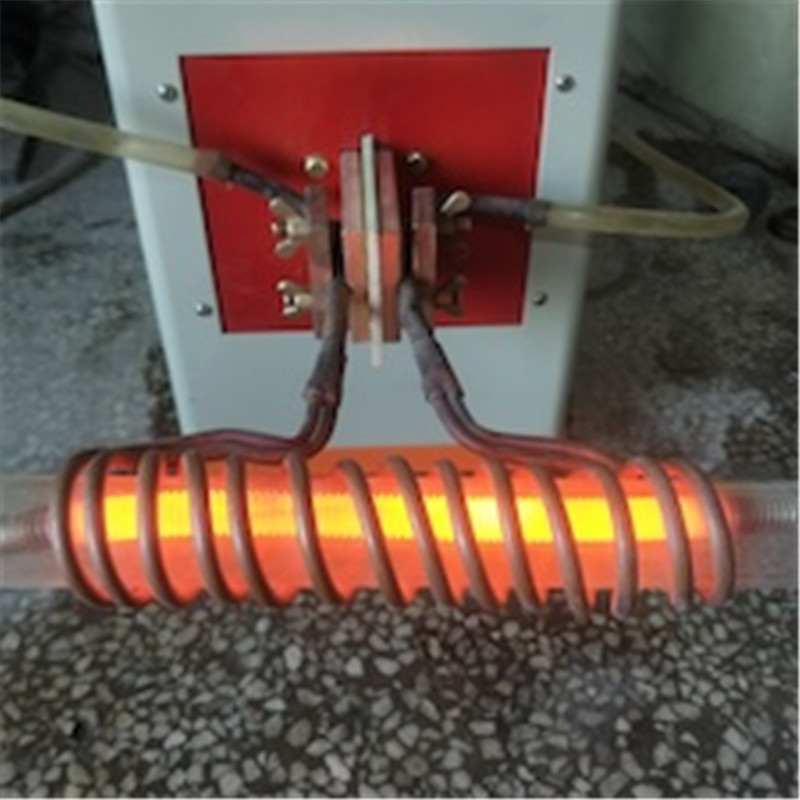
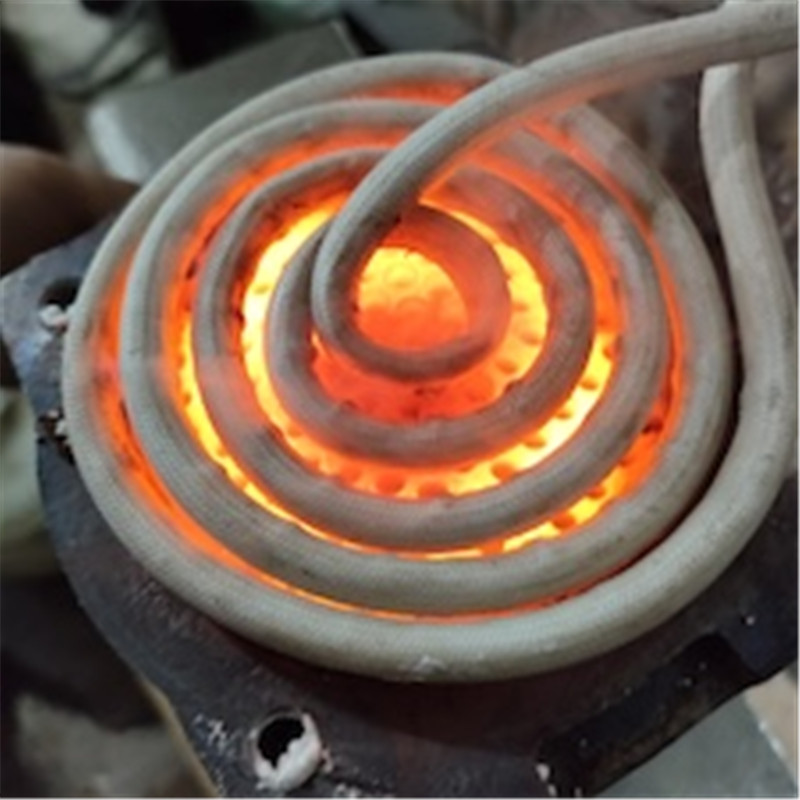
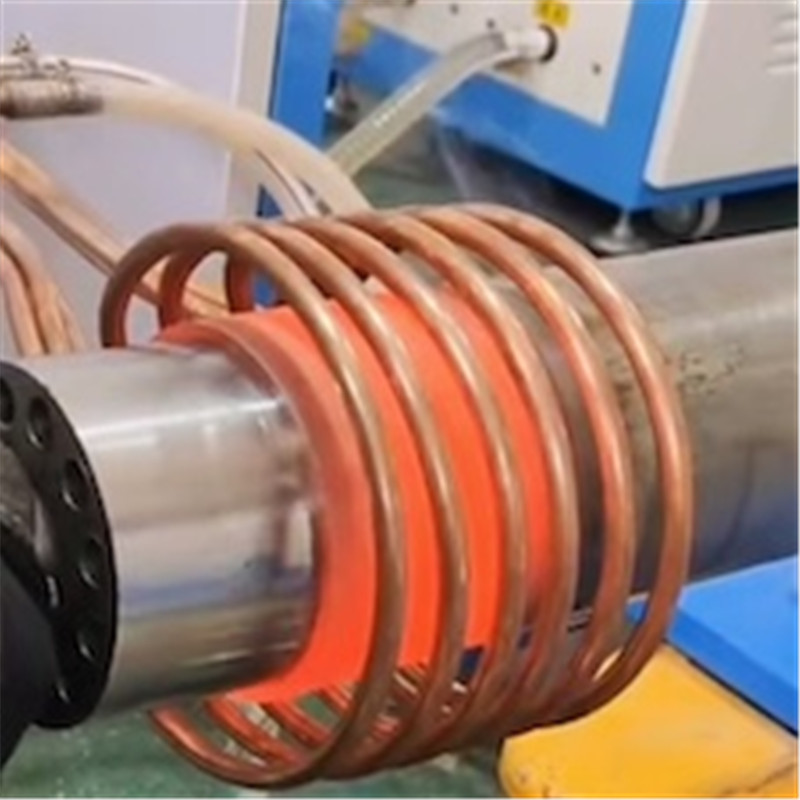
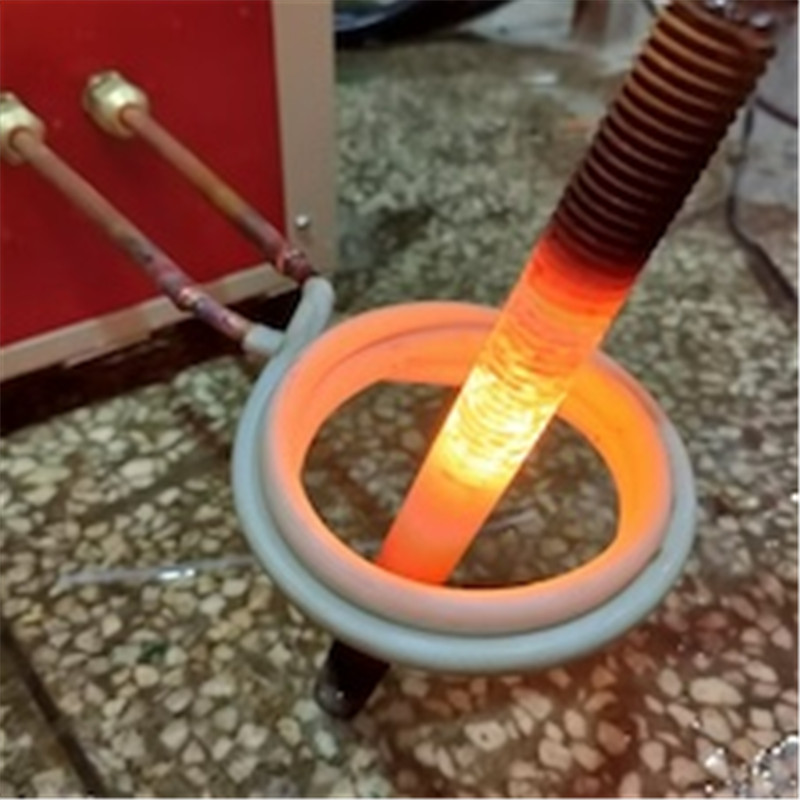
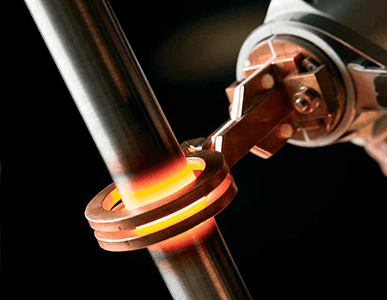
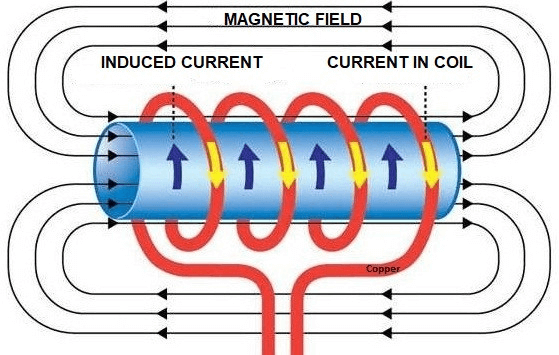
At its core, induction heating relies on electromagnetic induction – a phenomenon discovered by Michael Faraday in the 19th century. The process begins with an alternating current (AC) passing through a copper coil, generating a high-frequency magnetic field. When a conductive material (e.g., metal) is placed within this field, eddy currents are induced in the material. These currents encounter resistance, converting electrical energy into heat through molecular friction. The result? Rapid, uniform heating without direct contact or open flames .
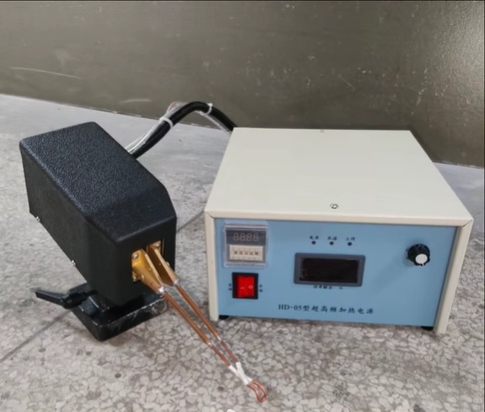
Key components of an Induction Heating System include:
- Power supply: Converts AC to high-frequency current.
- Induction coil: Shapes the magnetic field for targeted heating.
- Cooling system: Maintains optimal operating temperatures.
Diverse Industrial Applications
Induction heating equipment is versatile, catering to a wide range of industries:
1. Metal Processing:
- Forging: Preheating billets for seamless shaping.
- Heat Treatment: Hardening, annealing, or tempering metal parts for enhanced durability.
- Melting: Efficiently melting non-ferrous metals like aluminum and copper.
2. Automotive & Aerospace:
- Brazing and soldering components, such as engine parts and aerospace alloys.
- Curing adhesives in assembly lines for precision bonding.
3. Electronics & Semiconductors:
- Heating silicon wafers during semiconductor manufacturing.
- Soldering PCB components with pinpoint accuracy.
4. Energy & Renewables:
- Heating pipelines in oil and gas industries.
- Manufacturing wind turbine components with eco-friendly processes.
5. Food & Beverage:
- Pasteurizing liquids and sealing packaging without chemical residues.
Unmatched Advantages Over Traditional Methods
1. Energy Efficiency:
Induction heating achieves 95%+ energy efficiency, directly transferring heat to the workpiece. In contrast, traditional methods like gas or resistance heating waste up to 60% of energy .
2. Precision & Consistency:
Advanced temperature control systems, including infrared pyrometers and AI-driven algorithms, ensure accuracy within ±1°C. This eliminates overheating and reduces material waste .
3. Safety & Sustainability:
- No open flames or harmful emissions make it ideal for hazardous environments.
- Reduces carbon footprint by up to 50% compared to fossil fuel-based methods .
4. Speed & Productivity:
Induction heating can heat materials 50% faster than traditional methods. For instance, a customer testimonial highlights a 900% increase in brazing throughput using Ambrell’s systems .
5. Low Maintenance:
With no moving parts or combustion byproducts, induction systems require minimal upkeep, lowering long-term costs.
Why Choose Our Induction Heating Equipment?
- Custom Solutions: Tailored designs for your specific application.
- Proven Reliability: Backed by decades of industry experience and certifications.
- Expert Support: From installation to troubleshooting, our team ensures seamless integration.