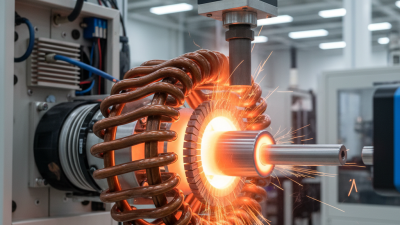
Picking out the right brazing machine isn’t always straightforward, is it? With so many options out there, it can feel overwhelming to figure out what really fits your needs. Each machine comes with its own set of features and capabilities, tailored for specific tasks or materials. For instance, if you're working on precision jobs with metals that need rapid heating and minimal thermal distortion, a UHF Induction Brazing Machine might be just what you need.
Think about the kind of projects you usually handle. Do they tend to be big and bulky, or more detailed and intricate? That’ll definitely affect what size and power of machine you should be looking for. It's not just about what works right now, but also considering what you might need down the line. Reliability and ease of maintenance matter too. Sometimes, a more fancy, complex machine might seem tempting, but honestly, that could turn into a headache later on.
It’s also worth taking a look at brands like Haws or Epic Welding. Reading customer reviews can give you a real sense of how the machines perform over time, and whether they’re worth the investment. Just remember, the goal is to find a brazing machine that actually makes your workflow smoother, not more complicated. Getting these details right can really make a difference, making sure your investment pays off in the long run.
Understanding the Basics of Brazing and Its Applications in Industry
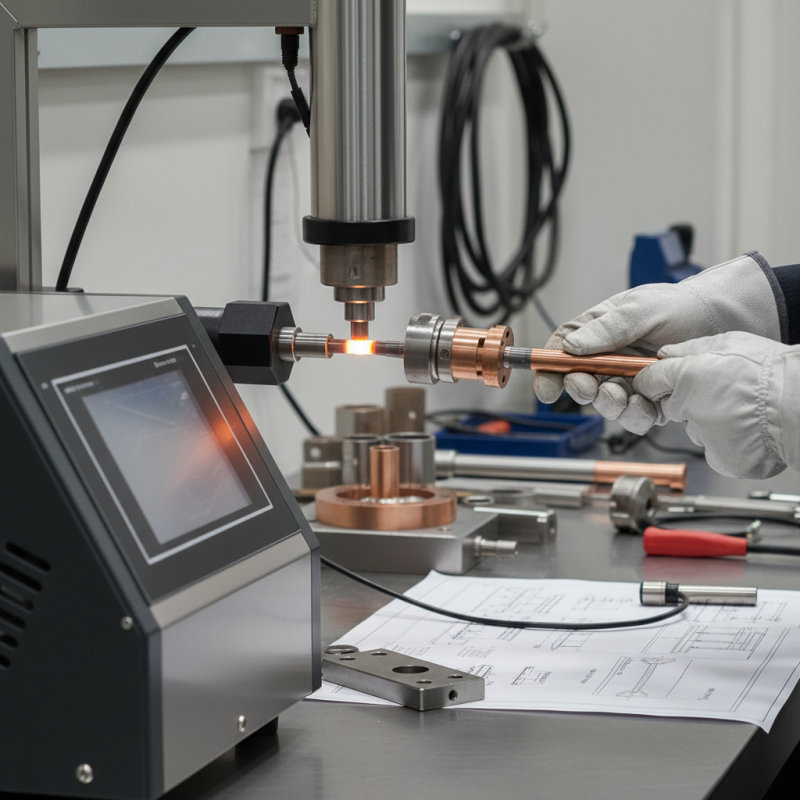
Brazing is a metal-joining process that uses a filler metal to bond materials. It fills gaps with molten filler, forming strong joints. This method has applications across many industries, including automotive, aerospace, and HVAC. According to a market research report, the brazing market is projected to reach $8.5 billion by 2026, highlighting its significance.
In industries like HVAC, specialization in processes is vital. A copper tube brazing machine is commonly used to join copper tubing in refrigeration. These machines need precise temperature control for effective results. Data shows that improper heat application can weaken the joints. Overheating may degrade the material properties while underheating leads to incomplete bonding.
Awareness of systemic challenges is crucial. Some operators lack training on specific brazing techniques. This leads to subpar joint quality. Research indicates that around 20% of brazed joints fail due to lack of understanding of materials and heat distribution. Regular training and equipment updates can address these concerns, helping industries adapt and thrive.
Key Factors to Consider When Selecting a Brazing Machine
When selecting a brazing machine, several key factors require careful consideration. The type of materials you use is crucial. Different metals react uniquely to heat. Some machines excel with copper and brass, while others are designed for stainless steel. Knowing your materials helps you choose the right equipment.
Next, think about the output capacity you need. If you’re working on small-scale projects, a compact machine may suffice. However, larger operations often require machines with higher output. It’s essential to evaluate your production demands. Timing can be tight, especially in larger setups. An inefficient machine can hinder your workflow.
Additionally, consider the level of automation desired. Fully automated systems can boost efficiency, but they often come at a higher cost. Semi-automated or manual options may offer flexibility. Balancing cost with features is vital. Each choice comes with trade-offs that need thoughtful reflection.
How to Choose the Best Brazing Machine for Your Needs? - Key Factors to Consider When Selecting a Brazing Machine
| Feature | Description | Importance | Example Value |
| Power Source | Type of power supply (electric, gas, etc.) | High | Electric |
| Soldering Temperature | The temperature the machine can reach | High | Up to 1500°C |
| Joint Size Capability | Size range of joints that can be brazed | Medium | 1mm - 10mm |
| Cooling System | Type of cooling (air or water cooled) | Medium | Water cooled |
| Portability | Ease of transport and installation | Medium | Weight: 50 kg |
| User Interface | Type of controls (digital, manual, etc.) | High | Digital display |
| Price Range | Cost of the machine | High | $1,500 - $10,000 |
Comparing Different Types of Brazing Machines: Pros and Cons
When selecting a brazing machine, it’s crucial to compare different types. Each type has its strengths and weaknesses. For example, MF brazing machines are known for their efficiency in high-volume applications. They heat quickly and provide consistent results. However, they can be more expensive than other options.
TIG brazing machines offer precision and control. They are suitable for delicate tasks but may require more skill to operate. The learning curve can be steep, making it less ideal for beginners. On the other hand, torch brazing is versatile and affordable but lacks the uniformity of other machines. This method can lead to inconsistent results.
Tips: Consider your specific needs. Will you prioritize speed or precision? It’s also essential to think about your experience level. Beginners might struggle with complex machines. Evaluate your budget as well. Sometimes, it’s tempting to invest in high-end units, but it’s wise to start simple. Understanding these factors can guide you to the best choice.
Comparison of Different Types of Brazing Machines
This chart compares various types of brazing machines based on their heat source, application versatility, and cost-effectiveness.
Evaluating Machine Specifications: Power, Speed, and Temperature Range
When evaluating brazing machines, critical specifications like power, speed, and temperature range greatly influence your decision. Power is a primary concern, as it dictates how effectively the machine can melt the filler material. Many powerful machines are rated at 1000-1500 watts, allowing quick and consistent heating. Insufficient power leads to uneven joints. Hence, selecting the right wattage for your project is vital.
Speed is another significant factor. In fast-paced environments, a brazing machine that operates swiftly can increase productivity. High-quality machines can reach operating temperatures within minutes. However, some models take longer to heat, posing a challenge for time-sensitive tasks. This lag can compromise the quality of the work, as joint integrity may be affected.
Temperature range plays a crucial role in the versatility of a brazing machine. Most applications require temperatures between 600-1300 degrees Celsius. A narrow temperature range limits the types of materials you can work with. It's important to consider future projects as well, which may require different temperature settings. Flexibility in temperature adjustment allows for a broader application of various materials, aiding project adaptability.
Industry Standards and Certifications for Brazing Machines
When selecting a brazing machine, understanding industry standards is crucial. Certifications ensure that equipment meets specific performance and safety benchmarks. For instance, machines adhering to ISO 9001 standards often guarantee consistent quality. This can help businesses avoid costly disruptions due to equipment failure.
The significance of certifications extends beyond safety; it also enhances efficiency. Reports show that brazing machines with industry certifications can improve productivity by 25%. An Induction Brazing Machine typically provides faster heating and more precise temperature control, essential for achieving optimal results. However, not all machines meet these performance standards, leading to potential waste and rework.
Many buyers overlook the importance of proper documentation. Some machines lack clear certification indicators, raising concerns about reliability. Without verification of industry standards, businesses may face risks in quality assurance. It’s essential to analyze certifications carefully before making a purchase. The right machine can significantly impact operational success, yet the choice must be informed.
Cost Analysis: Budgeting for Your Brazing Machinery Investment
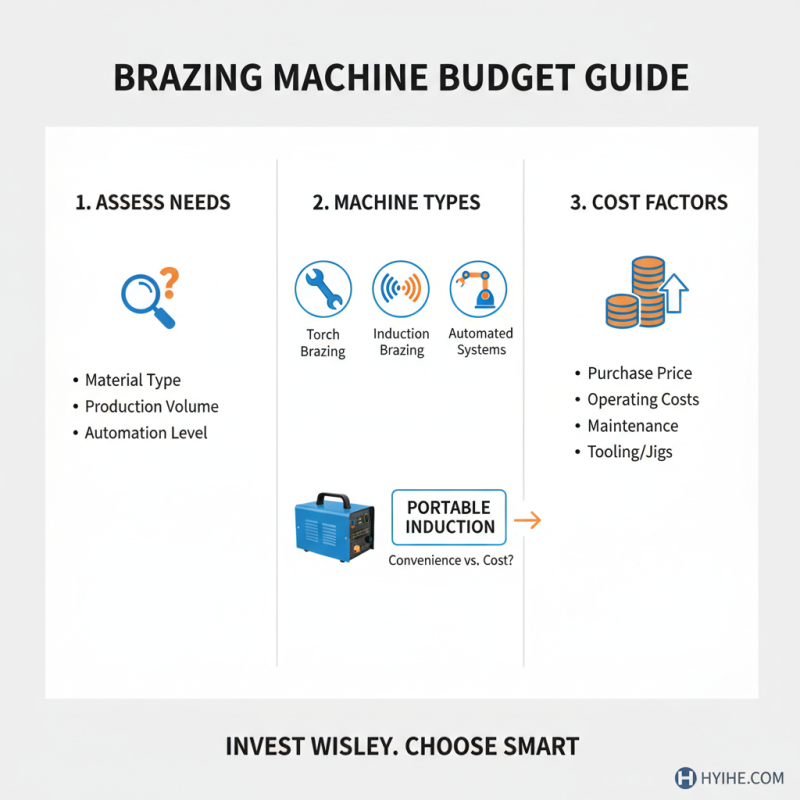
When budgeting for a brazing machine, many factors come into play. It's essential to identify your specific needs first. Costs can vary significantly based on the type and features of the machine. A Portable Induction Brazing Machine, for instance, may seem convenient and efficient, but its price tag can raise eyebrows. Ensure you assess whether the convenience justifies the cost.
Next, consider ongoing expenses. Maintenance, energy consumption, and operation costs add up over time. A low-cost machine may require more frequent repairs. Investing in quality might prevent frequent downtime. Think about the long-term impact on productivity and costs. Don't overlook these factors in your budgeting process.
Lastly, take time to research. Understand the market and read reviews. Price comparison is invaluable. Reflect on previous experiences with machinery investments. Did you overspend on features you never used? Learning from past purchases can help you navigate your budget more wisely this time. Always approach your investment with a clear plan.
Maintenance Tips for Maximizing the Lifespan of Brazing Equipment
Proper maintenance of brazing equipment is crucial for longevity and efficiency. Regular inspections can prevent unexpected breakdowns. The American Welding Society reports that properly maintained machines can last significantly longer—often up to 30% more than neglected models. Ensuring cleanliness can help maintain optimal performance levels.
Tips for maintenance include checking cooling systems frequently. Overheating can lead to serious damage, which is often overlooked. Additionally, regularly replacing worn-out parts can save costs in the long run. Consider keeping a maintenance log. Documenting when parts were last serviced helps you stay on top of replacements.
Don't forget about your workspace. A cluttered environment can lead to accidents and equipment damage. Invest time in organizing your area. Equipment should always be stored properly to avoid unnecessary wear. Remember, the goal is to maximize efficiency while minimizing problems.
Maximizing Efficiency and Quality: The Benefits of the Hot Selling Inclined Copper and Brass Tube Induction Brazing Machine
The modern industrial landscape demands machinery that not only meets rigorous efficiency standards but also ensures high-quality output. The inclined copper and brass tube induction brazing machine stands out in this regard, specifically engineered to optimize the process of joining angled tubes in HVAC, refrigeration, and industrial piping systems. Operating at high frequencies of 15-60 kHz, the machine enables fast brazing cycles of just 5 to 20 seconds, making it an invaluable tool for manufacturers looking to streamline production without sacrificing quality.
One of the key features of this machine is its specialized angling coils that provide uniform heat distribution, allowing it to effectively braze tubes at various angles from 30° to 60°. The integrated closed-loop infrared temperature control system ensures precision, maintaining temperatures within ±3°C for consistent and oxidation-free results. This technology eliminates the need for flux, simplifying the process and enhancing the integrity of joints. Furthermore, by allowing for automation in production, this machine achieves impressive rates of 20 to 30 joints per hour while also cutting energy consumption by over 50% compared to traditional torch methods. Its robust design not only meets industrial demands but also contributes to reliable, leak-proof connections essential for applications such as U-bends, heat exchangers, and condenser tubing.
FAQS
: Focus on the materials you'll work with, as different metals respond uniquely to heat.
Evaluate your production demands. Small projects require compact machines; larger operations need higher output.
Fully automated systems enhance efficiency but are costly. Consider semi-automated or manual options for flexibility.
They heat quickly and provide consistent results, ideal for high-volume applications.
Yes, they offer precision but have a steep learning curve, so beginners may struggle.
It’s versatile and affordable but can lead to inconsistent results, lacking uniformity.
Certifications ensure safety and performance, which can prevent costly disruptions and improve productivity.
Ensure clear certification indicators are present to avoid reliability concerns in quality assurance.
Yes, starting simple helps avoid costly mistakes; you can upgrade as your skills improve.
They may not meet performance standards, leading to waste and potential rework, affecting operations.
Conclusion
When selecting the best brazing machine for your needs, it's essential to understand the fundamentals of brazing and its various industrial applications. A successful selection process involves considering key factors such as the different types of brazing machines available, each with its own advantages and disadvantages. Evaluating machine specifications—including power, speed, and temperature range—plays a crucial role in ensuring that the chosen equipment aligns with the specific requirements of your projects.
Moreover, familiarity with industry standards and certifications can help ensure compliance with safety and quality benchmarks. Cost analysis is also important for budgeting your investment in brazing machinery while not compromising on quality. Finally, regular maintenance tips can aid in maximizing the lifespan of your brazing equipment, ensuring long-term productivity and efficiency in your operations.